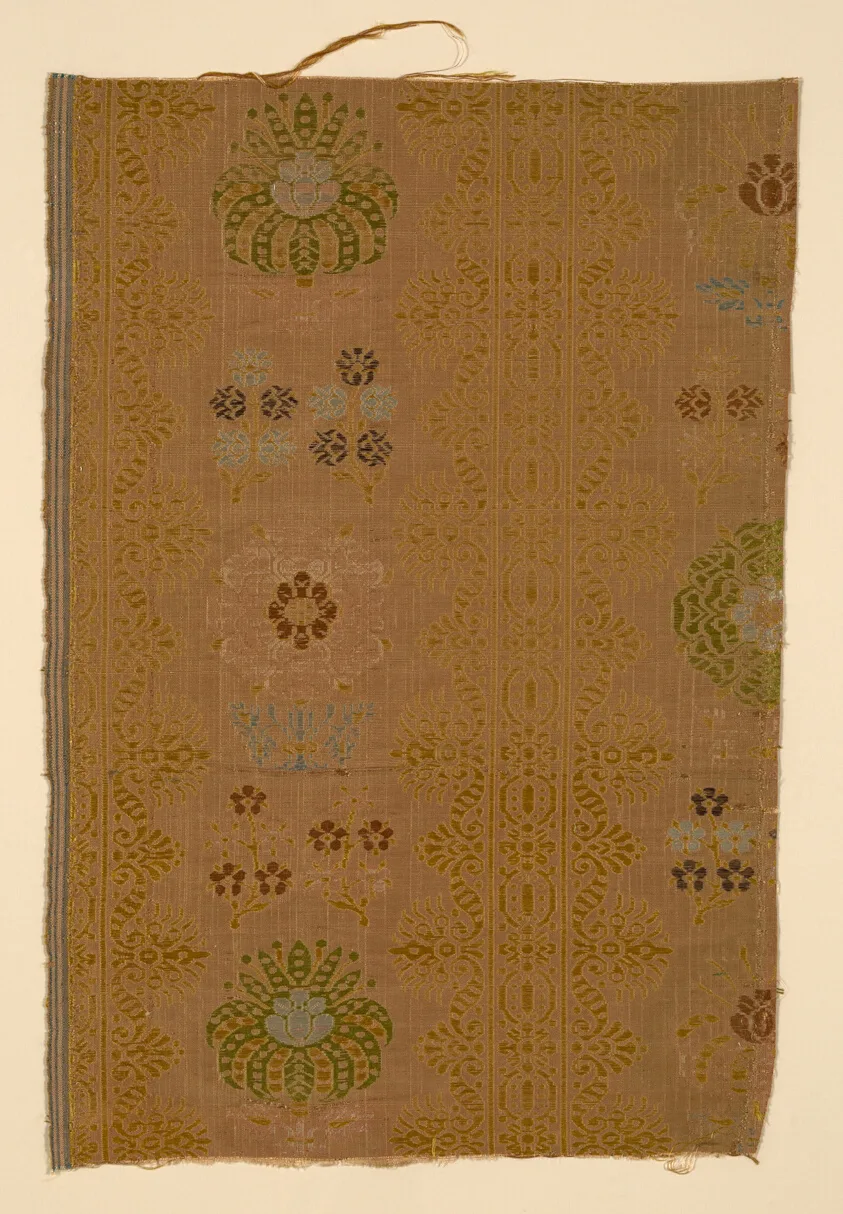
Fragment
Italy
- Artist
- Italy
- Date
- 17th century
- Medium
- Silk, warp-faced plain weave with supplementary patterning wefts and supplementary brocading wefts
- Classification
- textile
- Dimensions
- 1562 × 2250 px
Palette
k-means, k=5, in CIELAB
- #8f632c39%Find works near #8f632c, which covers 39% of this work
- #8e653b31%Find works near #8e653b, which covers 31% of this work
- #f1dcbd20%Find works near #f1dcbd, which covers 20% of this work
- #7b59267%Find works near #7b5926, which covers 7% of this work
- #c5a7813%Find works near #c5a781, which covers 3% of this work
Each swatch is a cluster centre from the image itself, with the share of the canvas it covers. Select one to find other works near that colour.
Similar in palette
These works are close in colour only. The comparison comes from palette distance, so it knows nothing about subject, composition, or period — a portrait and a landscape can match exactly.
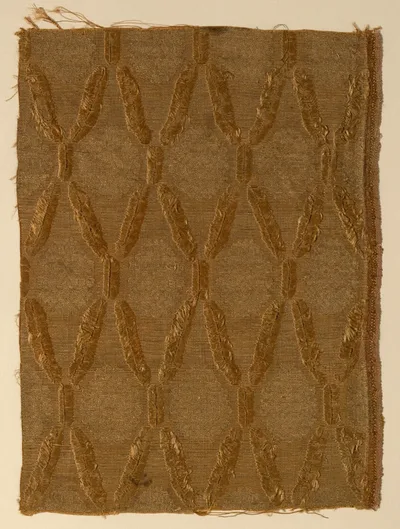
Fragment
Italy
ΔE 3.4 · very close
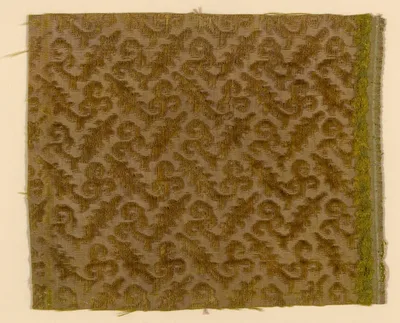
Fragment
Italy
ΔE 3.4 · very close
Fragment
Peru, south coast, Ingenio Valley, Hacienda Estudente
ΔE 3.9 · very close
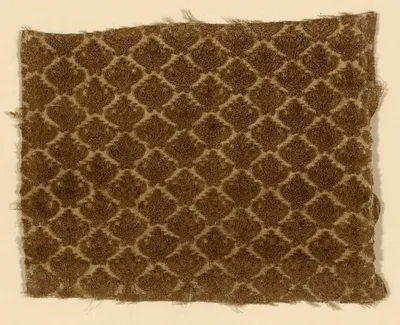
Fragment
Italy
ΔE 4.8 · very close
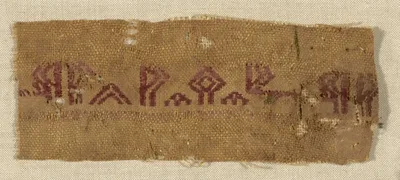
Fragment
Egypt
ΔE 4.9 · very close
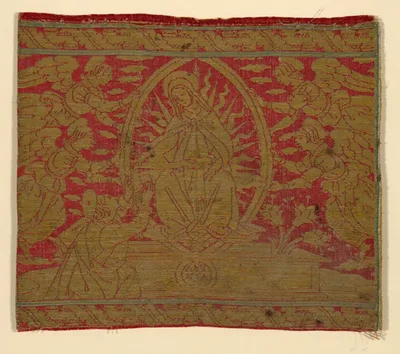
Fragment (From an Orphrey Band)
Italy
ΔE 4.9 · very close
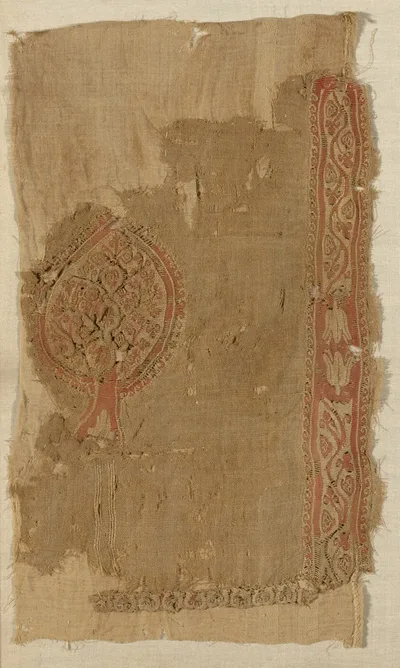
Fragment
Egypt, possibly Akhmin
ΔE 5.0 · very close
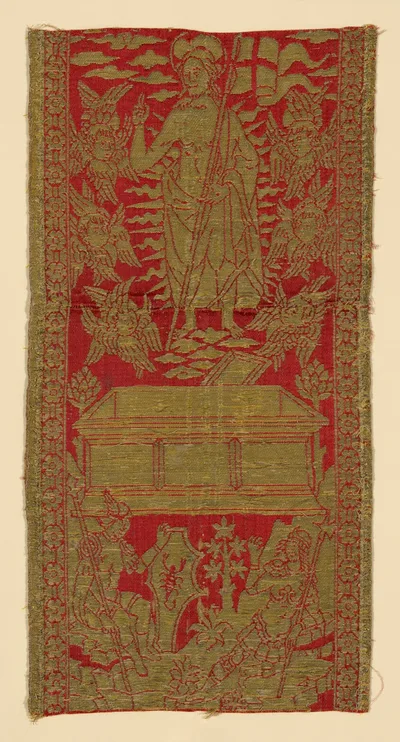
Fragment (From an Orphrey Band)
Italy
ΔE 5.2 · close
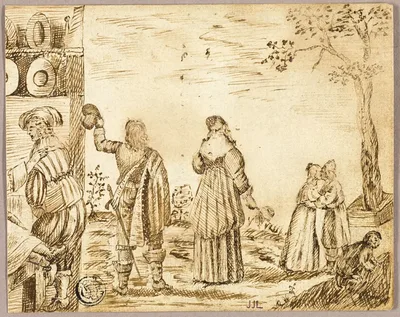
Cavaliers Taking Leave of Their Sweethearts
David Balthasar Wagner
ΔE 5.3 · close
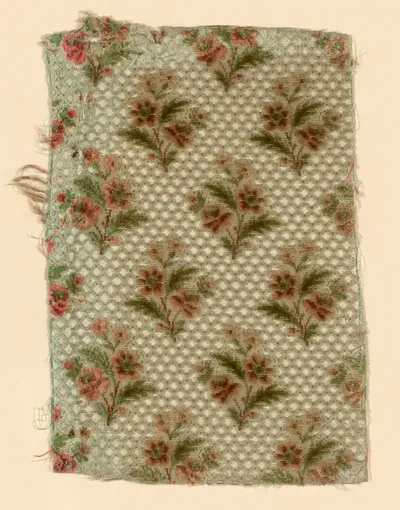
Fragment
France
ΔE 5.5 · close
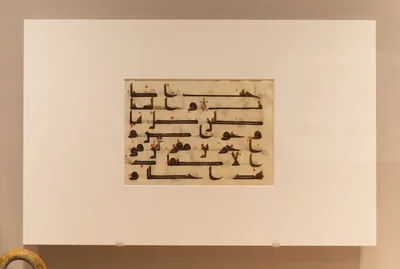
Page from a Copy of the Qur'an
Islamic
ΔE 5.5 · close
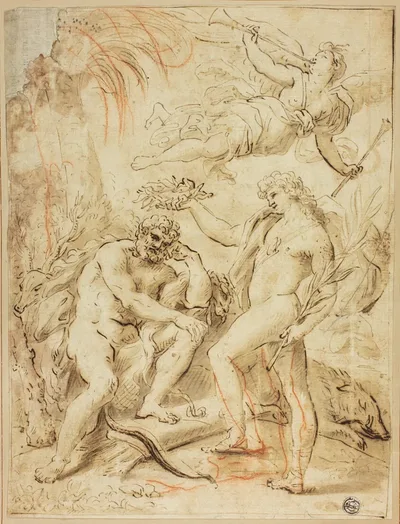
Crowning of Hercules
Paolo de Matteis
ΔE 5.5 · close