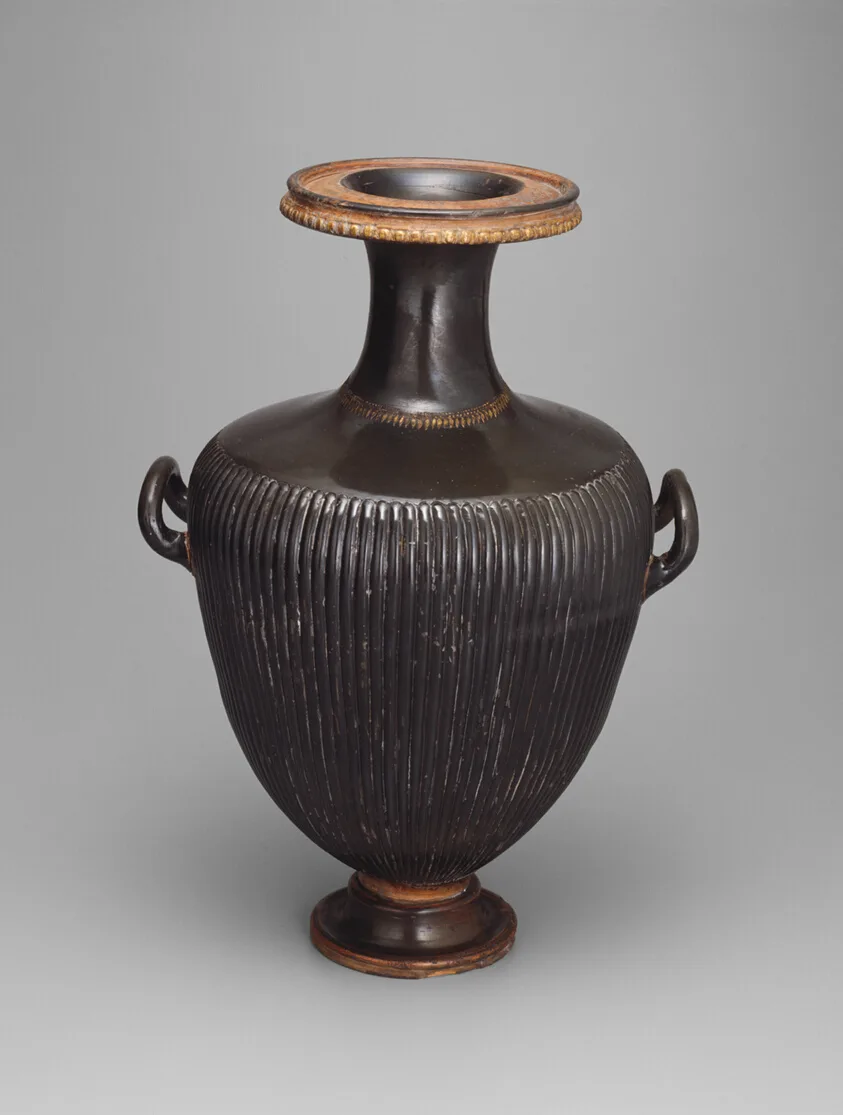
Hydria (Water Jar)
Ancient Greek
- Artist
- Ancient Greek
- Date
- 350-330 BCE
- Medium
- terracotta, black-glaze with gilded raised clay and ribbing
- Classification
- vessel
- Dimensions
- 1701 × 2250 px
Palette
k-means, k=5, in CIELAB
- #a2a2a259%Find works near #a2a2a2, which covers 59% of this work
- #332c2c19%Find works near #332c2c, which covers 19% of this work
- #c0c0c014%Find works near #c0c0c0, which covers 14% of this work
- #625a587%Find works near #625a58, which covers 7% of this work
- #a27b612%Find works near #a27b61, which covers 2% of this work
Each swatch is a cluster centre from the image itself, with the share of the canvas it covers. Select one to find other works near that colour.
Similar in palette
These works are close in colour only. The comparison comes from palette distance, so it knows nothing about subject, composition, or period — a portrait and a landscape can match exactly.
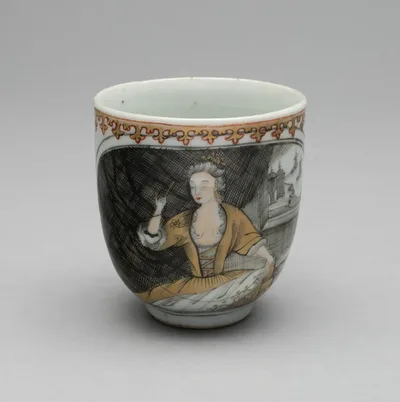
Cup
Chinese export porcelain
ΔE 3.1 · very close
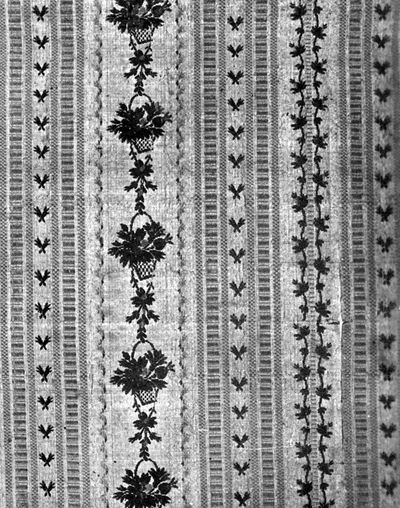
Fragment
France
ΔE 3.3 · very close
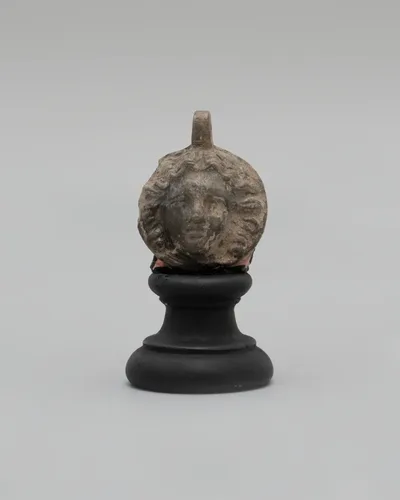
Pendant Depicting Apollo
Ancient Greek
ΔE 3.4 · very close
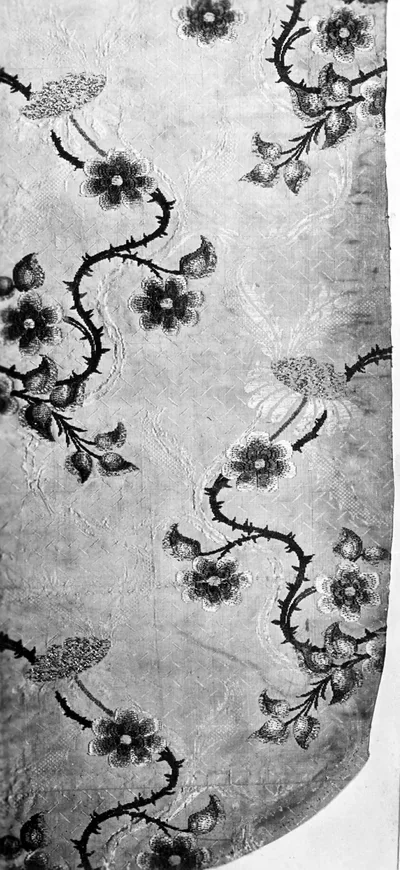
Fragment
France
ΔE 3.5 · very close
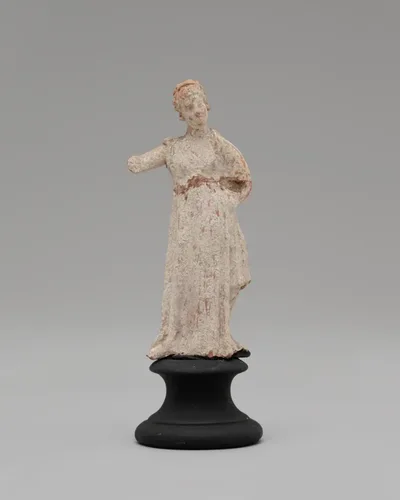
Figurine of a Standing woman
Ancient Greek
ΔE 3.6 · very close
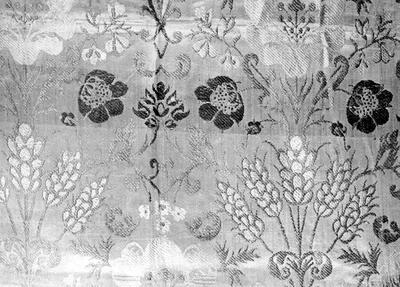
Panel
England
ΔE 3.7 · very close
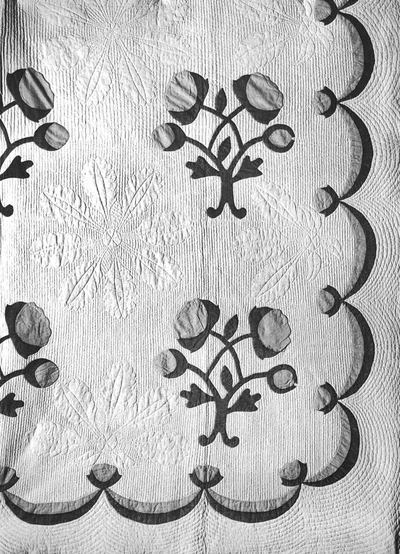
Roses Quilt
Letticia Keziah Vernon
ΔE 3.7 · very close
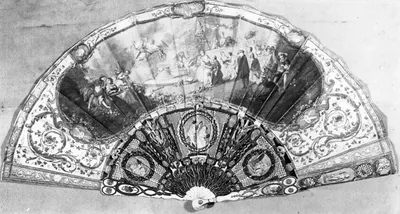
Fan
France
ΔE 3.7 · very close
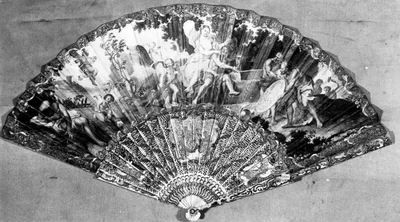
Fan
France
ΔE 3.9 · very close
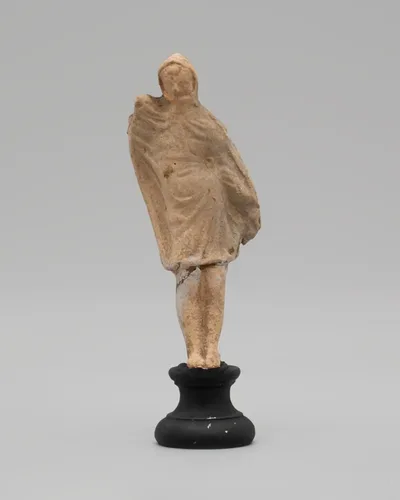
Figurine of a Man
Ancient Greek
ΔE 3.9 · very close
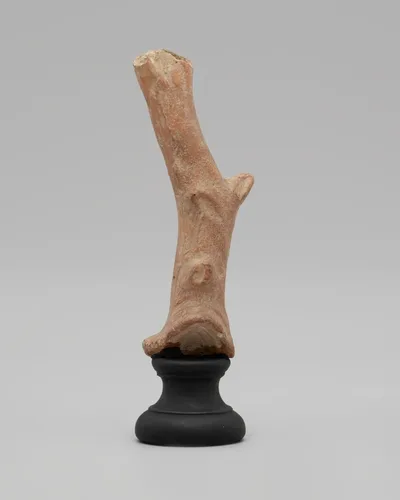
Statuette of a Tree Trunk
Ancient Greek
ΔE 4.0 · very close
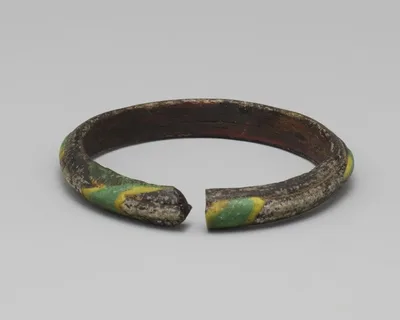
Bracelet
Islamic
ΔE 4.1 · very close