Skip to content
Chroma
#4b2b19

Ranked by perceptual distance

Works near #4b2b19

Ranked by CIEDE2000 distance to each work’s nearest palette entry, weighted by how much of the canvas that colour covers. Each result shows the real perceptual distance and that coverage, not the blended score that produced the order.

Pick a different colour

Drag the ring or use the arrow keys. Every result is ranked by how close it is in CIELAB, weighted by how much of the canvas the colour covers.

Closest first

60 of 1,497 works
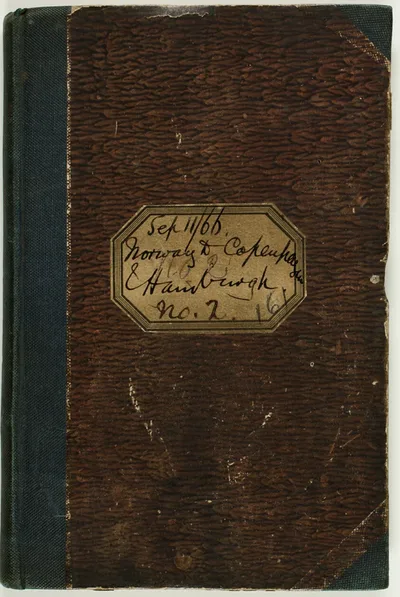
  • Norway and Denmark by Charles George Lewis, 1866

    Norway and Denmark

    Charles George Lewis

    ΔE 7.4 · close

    64% of canvas
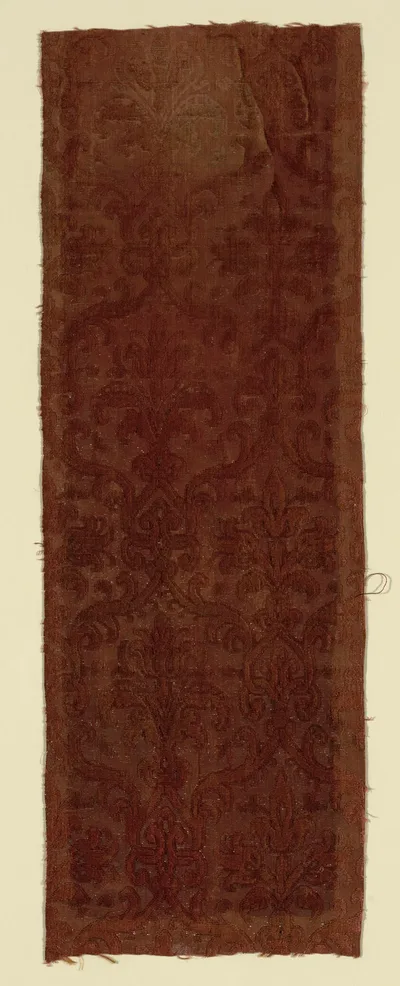
  • Fragment by Italy, c. 1600

    Fragment

    Italy

    ΔE 5.8 · close

    52% of canvas
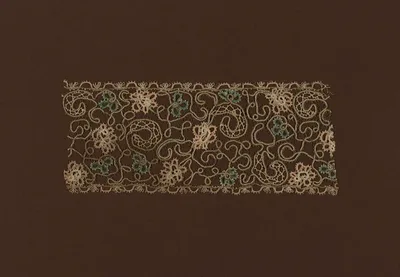
  • Braid by France or England, 1650/75

    Braid

    France or England

    ΔE 4.8 · very close

    40% of canvas
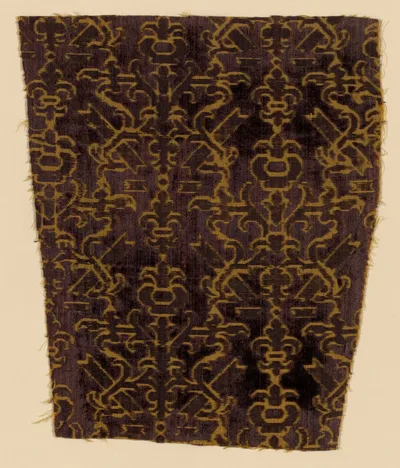
  • Fragment by Italy, Early 17th century

    Fragment

    Italy

    ΔE 2.9 · very close

    29% of canvas
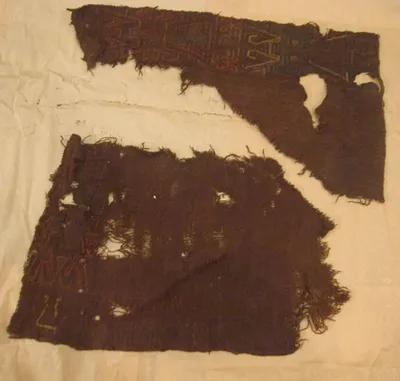
  • Fragments by Peru

    Fragments

    Peru

    ΔE 3.8 · very close

    32% of canvas
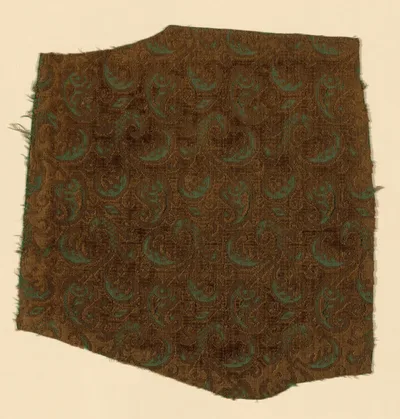
  • Fragment by Italy, 1601/25

    Fragment

    Italy

    ΔE 4.3 · very close

    34% of canvas
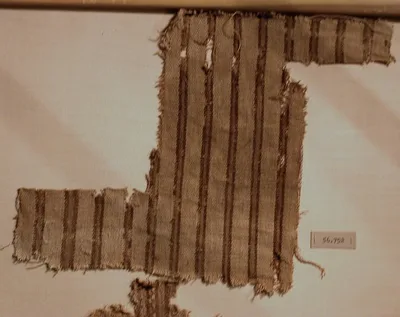
  • Fragment by Tiwanaku, 1000-1476

    Fragment

    Tiwanaku

    ΔE 0.2 · near-exact

    13% of canvas
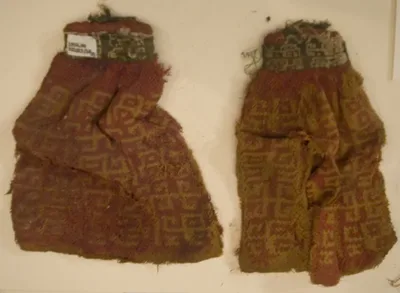
  • Tassels by Nasca, 500-900

    Tassels

    Nasca

    ΔE 4.0 · very close

    31% of canvas
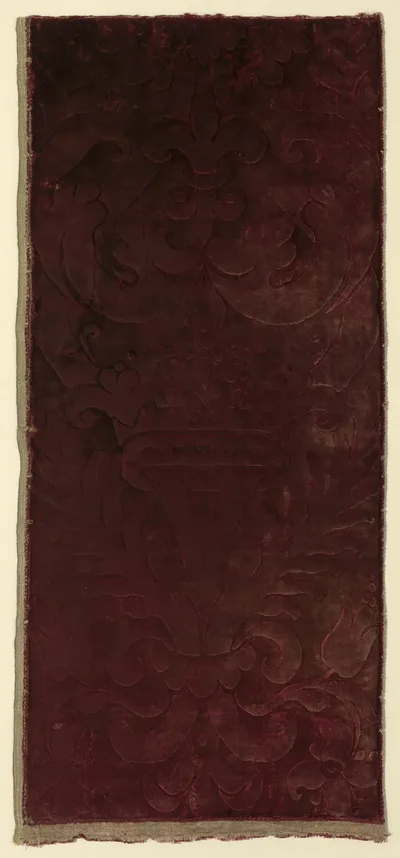
  • Fragment by Italy, Venice, 16th century

    Fragment

    Italy, Venice

    ΔE 8.4 · close

    52% of canvas
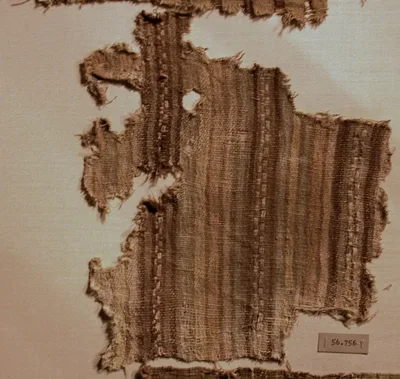
  • Fragment by Peru, north coast, Culebra Valley, La Capilla, 1000-1476

    Fragment

    Peru, north coast, Culebra Valley, La Capilla

    ΔE 3.0 · very close

    24% of canvas
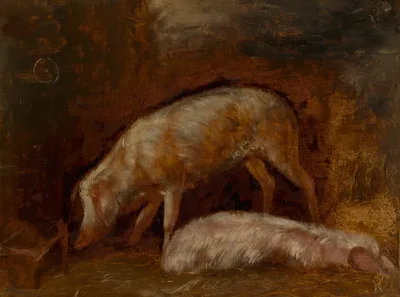
  • Study of Pigs by Alexandre Gabriel Decamps, c. 1855

    Study of Pigs

    Alexandre Gabriel Decamps

    ΔE 3.8 · very close

    27% of canvas
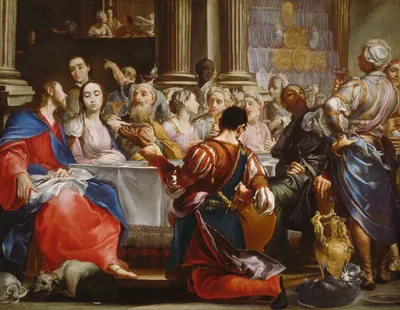
  • The Wedding at Cana by Giuseppe Maria Crespi, c. 1686

    The Wedding at Cana

    Giuseppe Maria Crespi

    ΔE 2.5 · very close

    21% of canvas
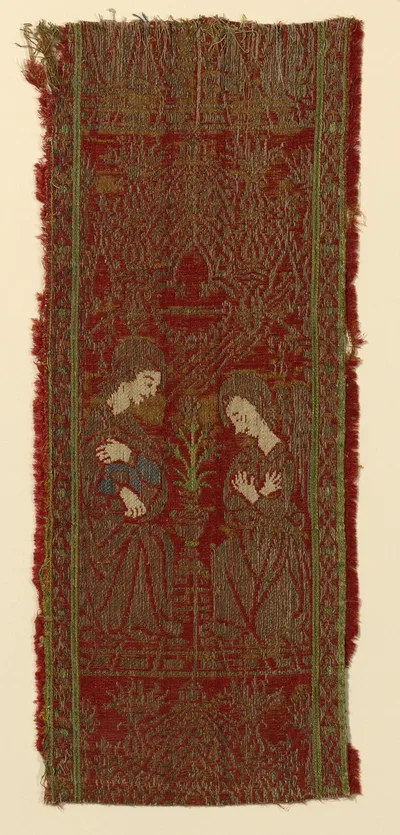
  • Fragment (From an Orphrey Band) by Italy, Florence, Mid–15th century

    Fragment (From an Orphrey Band)

    Italy, Florence

    ΔE 6.2 · close

    37% of canvas
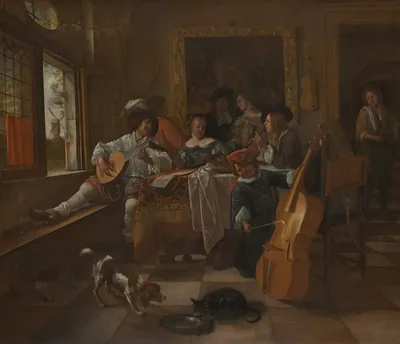
  • The Family Concert by Jan Steen, 1666

    The Family Concert

    Jan Steen

    ΔE 6.3 · close

    37% of canvas
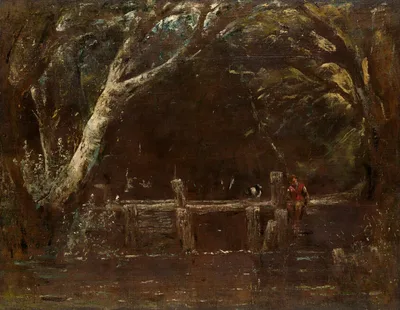
  • Landscape (The Lock) by John Constable, c. 1820–25

    Landscape (The Lock)

    John Constable

    ΔE 3.7 · very close

    23% of canvas
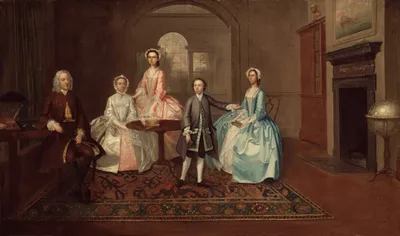
  • John Thomlinson and His Family by Arthur Devis, 1745

    John Thomlinson and His Family

    Arthur Devis

    ΔE 4.2 · very close

    25% of canvas
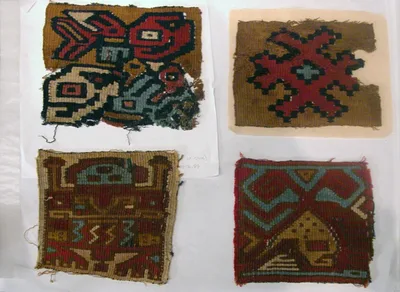
  • Tapestry Medallion by Nasca, 650 CE-700 CE

    Tapestry Medallion

    Nasca

    ΔE 3.9 · very close

    21% of canvas
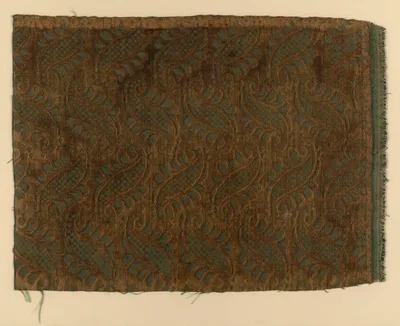
  • Fragment by Italy, 17th century

    Fragment

    Italy

    ΔE 7.0 · close

    36% of canvas
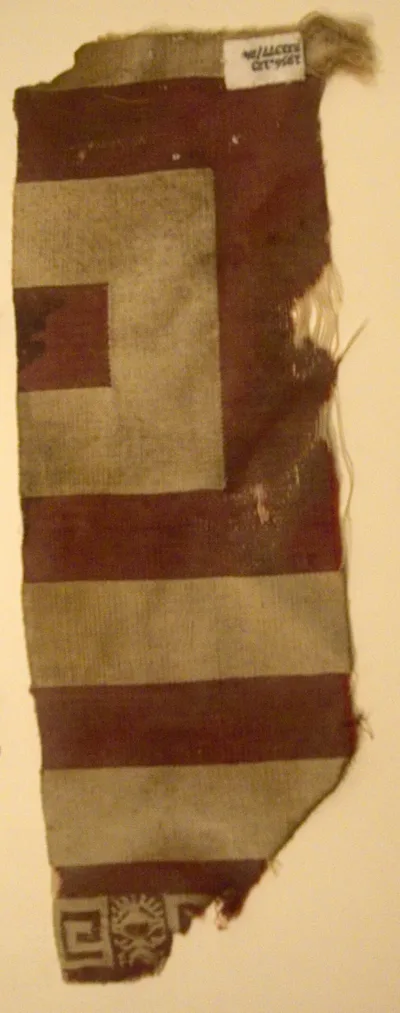
  • Fragment by Chimú, 1250-1470

    Fragment

    Chimú

    ΔE 5.0 · very close

    26% of canvas
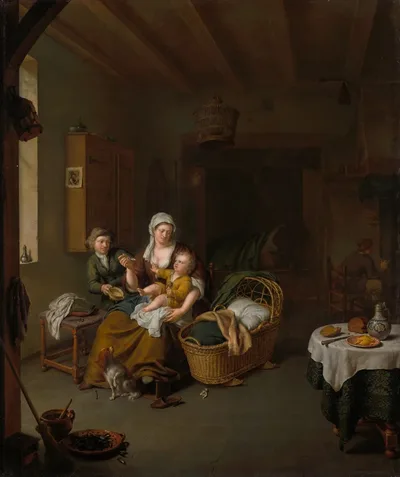
  • A Mother Feeding her Child (The Happy Mother) by Willem van Mieris, 1707

    A Mother Feeding her Child (The Happy Mother)

    Willem van Mieris

    ΔE 8.3 · close

    42% of canvas
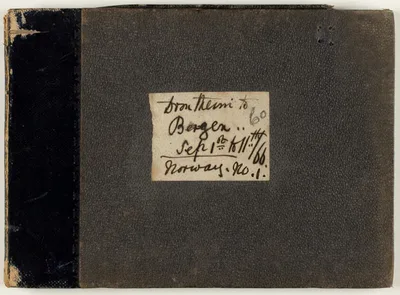
  • Norway by Charles George Lewis, 1866

    Norway

    Charles George Lewis

    ΔE 13.1 · loosely related

    66% of canvas
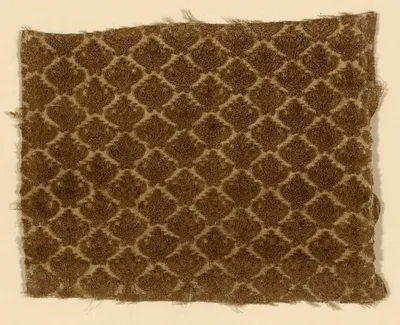
  • Fragment by Italy, 1650/1700

    Fragment

    Italy

    ΔE 7.3 · close

    37% of canvas
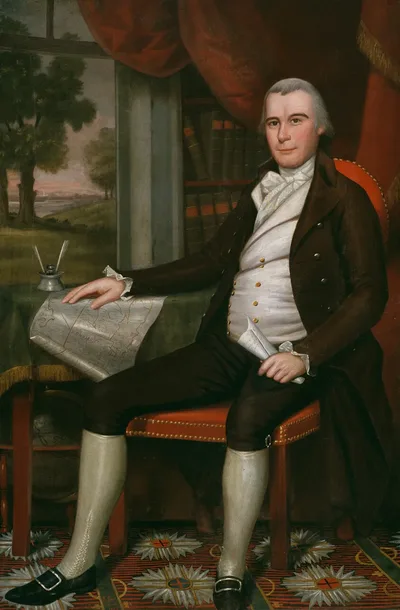
  • Noah Smith by Ralph Earl, 1798

    Noah Smith

    Ralph Earl

    ΔE 2.7 · very close

    13% of canvas
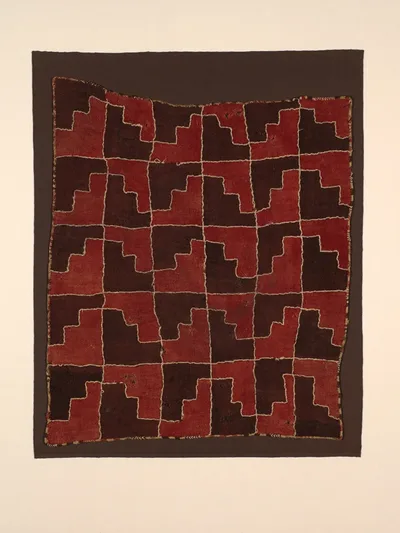
  • Fragment by Nasca, 200 CE-900 CE

    Fragment

    Nasca

    ΔE 6.4 · close

    32% of canvas
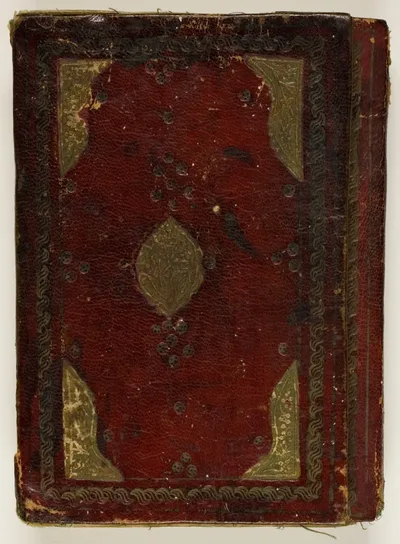
  • Qur'an by Islamic, Ottoman Egypt (1517–1867), c.1816

    Qur'an

    Islamic

    ΔE 7.9 · close

    39% of canvas

  • Fragment by Egypt, possibly Akhmin, 4th-6th century

    Fragment

    Egypt, possibly Akhmin

    ΔE 3.7 · very close

    17% of canvas
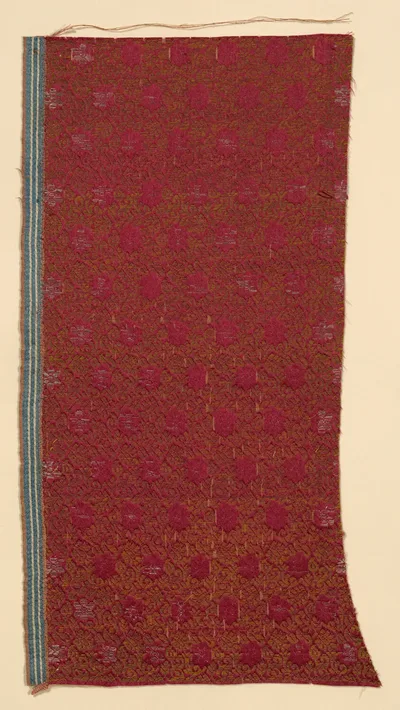
  • Fragment by Spain, 17th century

    Fragment

    Spain

    ΔE 14.1 · loosely related

    68% of canvas
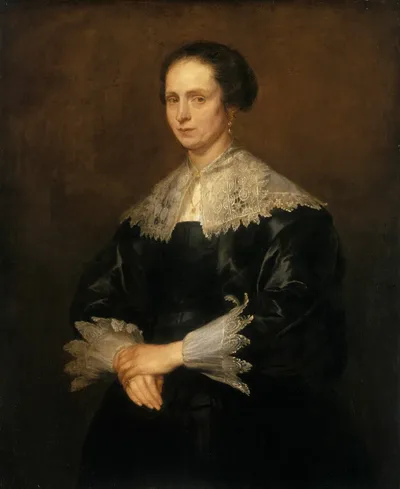
  • Helena Tromper Du Bois by Anthony van Dyck, c. 1631

    Helena Tromper Du Bois

    Anthony van Dyck

    ΔE 5.1 · close

    23% of canvas
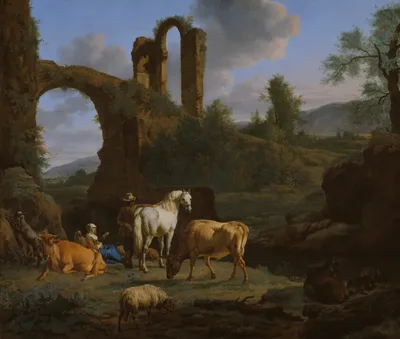
  • Pastoral Landscape with Ruins by Adriaen van de Velde, 1664

    Pastoral Landscape with Ruins

    Adriaen van de Velde

    ΔE 11.0 · close

    53% of canvas
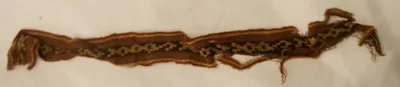
  • Fragment (Band) by Peru

    Fragment (Band)

    Peru

    ΔE 3.5 · very close

    14% of canvas
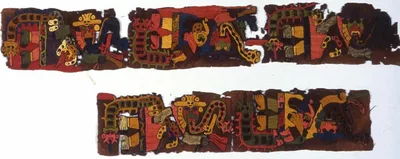
  • Fragments (Border) by Nasca, 100 BCE-200 CE

    Fragments (Border)

    Nasca

    ΔE 5.4 · close

    22% of canvas
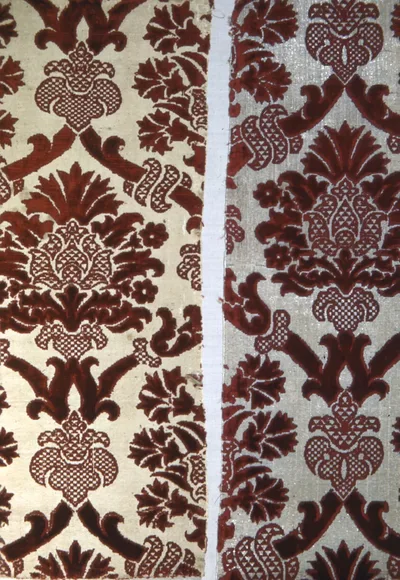
  • Fragment by Italy, 16th century

    Fragment

    Italy

    ΔE 6.6 · close

    28% of canvas
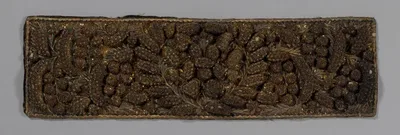
  • Band (From Headdress) by Austria, c. 1800

    Band (From Headdress)

    Austria

    ΔE 7.9 · close

    33% of canvas
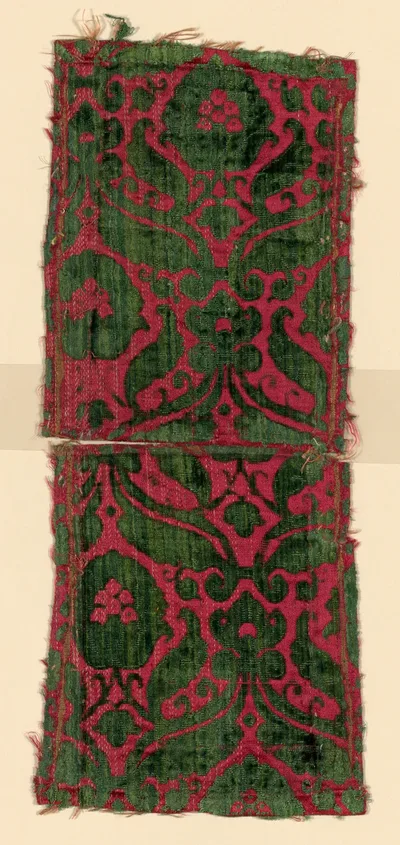
  • Two Fragments by Italy, 16th century

    Two Fragments

    Italy

    ΔE 5.2 · close

    20% of canvas
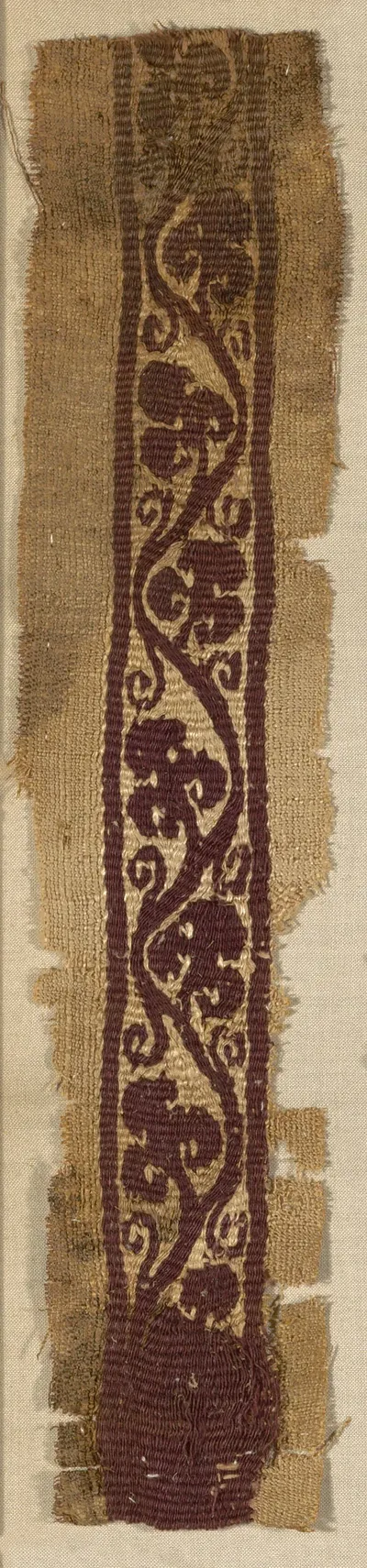
  • Fragment by Egypt, 4th-5th century

    Fragment

    Egypt

    ΔE 4.7 · very close

    17% of canvas
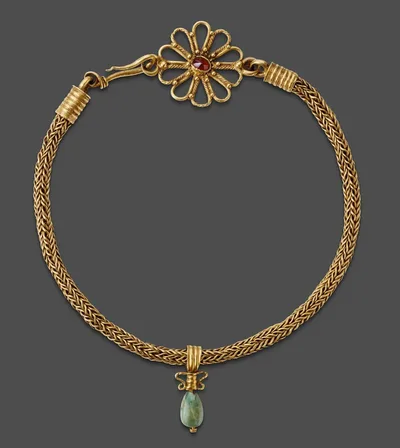
  • Necklace with Pendant by Ancient Roman, 2nd-3rd century

    Necklace with Pendant

    Ancient Roman

    ΔE 18.5 · loosely related

    86% of canvas
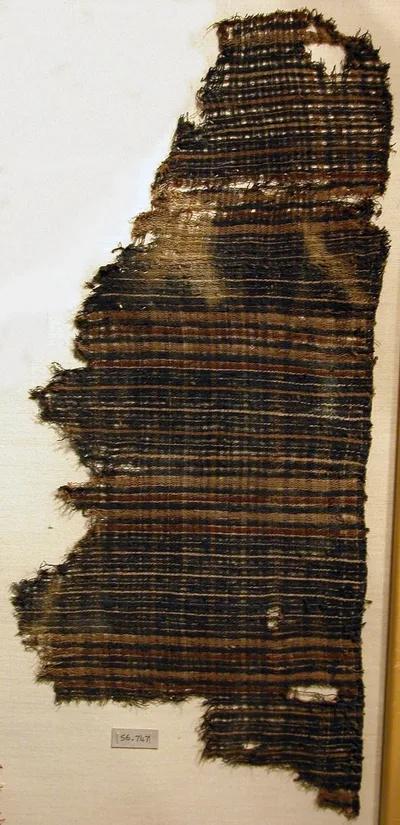
  • Fragment by Peru, north coast, Culebra Vallery, La Capilla, 1000-1476

    Fragment

    Peru, north coast, Culebra Vallery, La Capilla

    ΔE 6.4 · close

    25% of canvas
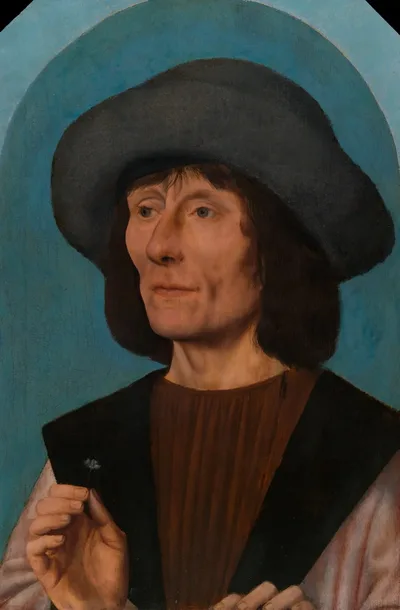
  • Portrait of a Man with a Pink by Quentin Massys, 1500–10

    Portrait of a Man with a Pink

    Quentin Massys

    ΔE 4.3 · very close

    14% of canvas
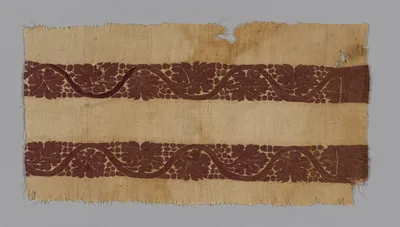
  • Fragment by Egypt, possibly Akhmin, 4th century

    Fragment

    Egypt, possibly Akhmin

    ΔE 6.7 · close

    26% of canvas
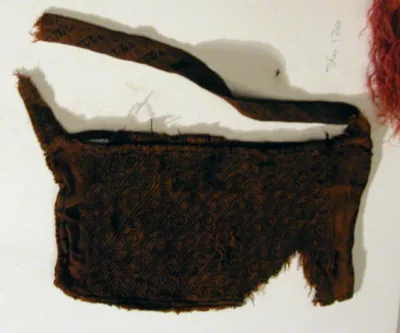
  • Bag by Chancay, 1000-1476

    Bag

    Chancay

    ΔE 3.0 · very close

    7% of canvas
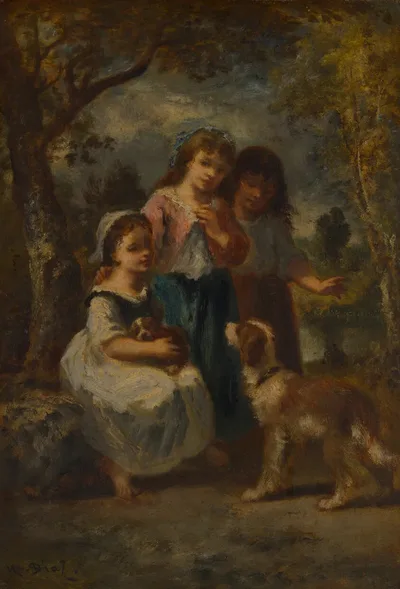
  • Three Little Girls by Narcisse Virgile Diaz de la Peña, c. 1870

    Three Little Girls

    Narcisse Virgile Diaz de la Peña

    ΔE 7.3 · close

    29% of canvas
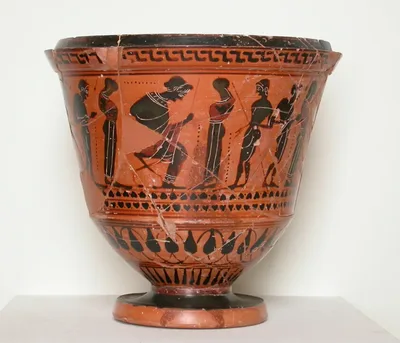
  • Pyxis (Container for Personal Objects) by Ancient Greek, late 6th century BCE

    Pyxis (Container for Personal Objects)

    Ancient Greek

    ΔE 4.2 · very close

    13% of canvas
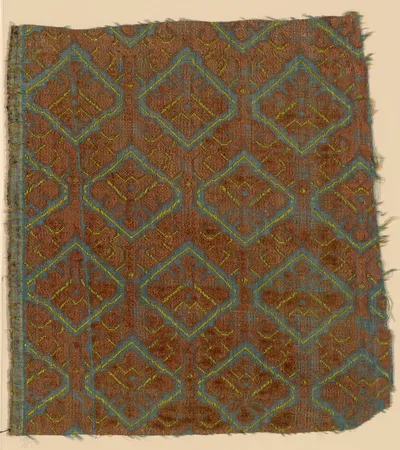
  • Fragment by Italy, 1575/1600

    Fragment

    Italy

    ΔE 11.3 · close

    48% of canvas
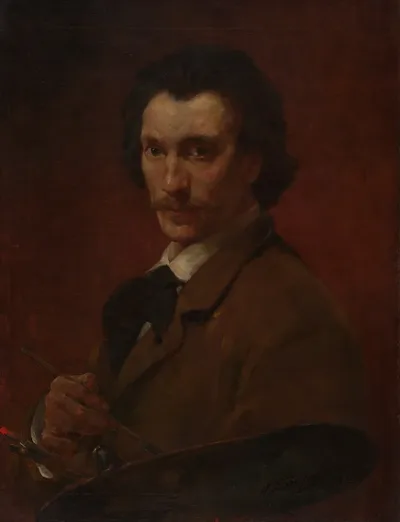
  • Self-Portrait by Walter Shirlaw, 1878

    Self-Portrait

    Walter Shirlaw

    ΔE 7.8 · close

    30% of canvas
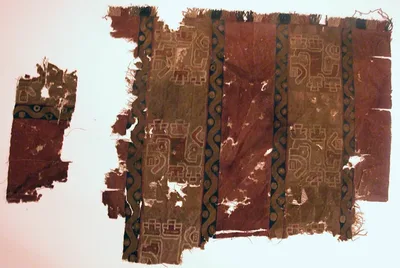
  • Fragments (From a Tunic) by Wari, 600-800

    Fragments (From a Tunic)

    Wari

    ΔE 7.4 · close

    28% of canvas
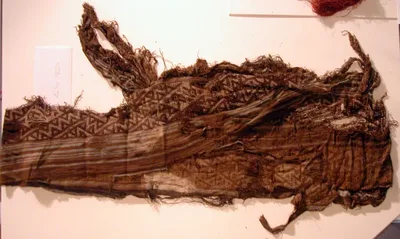
  • Fragment by Nasca, 1000-1476

    Fragment

    Nasca

    ΔE 5.8 · close

    19% of canvas
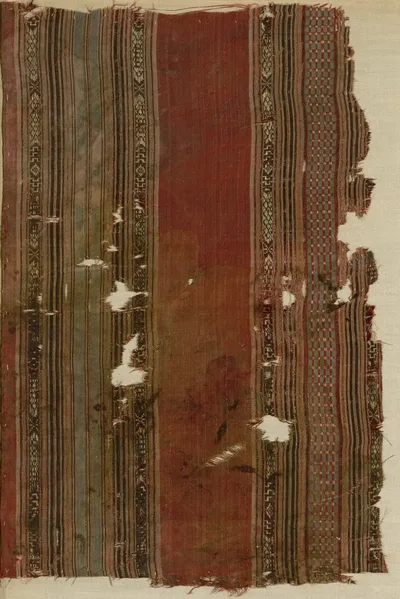
  • Fragment by Egypt, Arab period (641–969)/Fatimid period (969–1171)/Ayyubid period (1171–1250)/ Mamluk period (1250–1517), 9th/13th century

    Fragment

    Egypt

    ΔE 6.7 · close

    24% of canvas
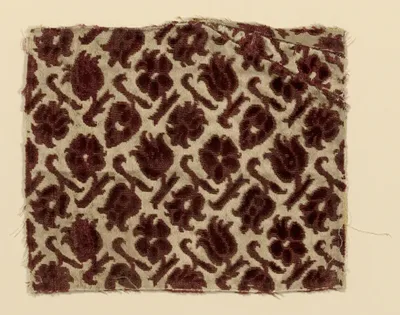
  • Fragment by Italy, 1600/25

    Fragment

    Italy

    ΔE 5.2 · close

    16% of canvas
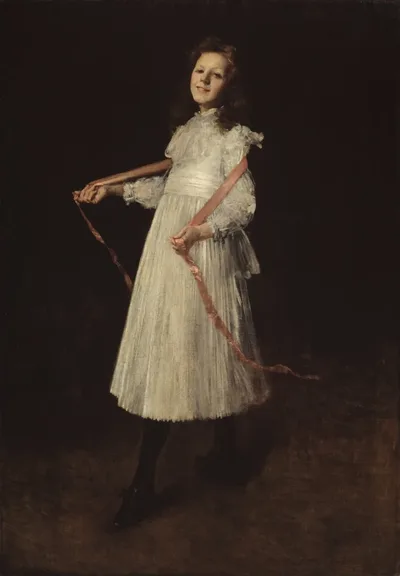
  • Alice by William Merritt Chase, 1892

    Alice

    William Merritt Chase

    ΔE 14.3 · loosely related

    61% of canvas
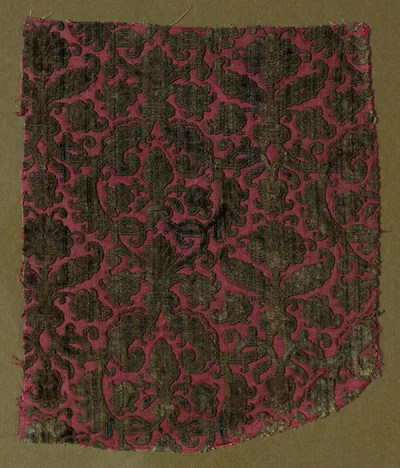
  • Fragment by Italy, 1575/1600

    Fragment

    Italy

    ΔE 5.5 · close

    16% of canvas
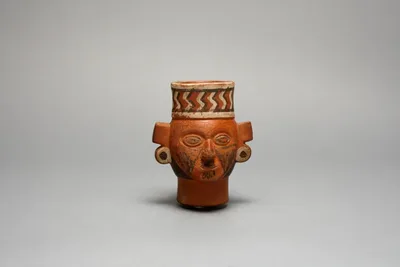
  • Drinking Vessel in the Form of a Head by Inca, 1450–1532

    Drinking Vessel in the Form of a Head

    Inca

    ΔE 3.1 · very close

    4% of canvas
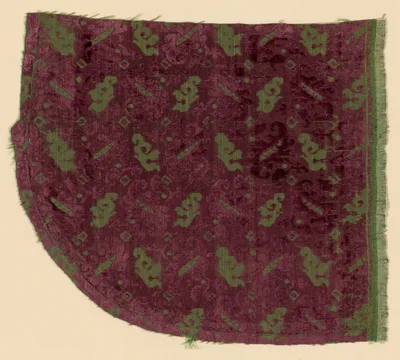
  • Fragment by Italy, 17th century

    Fragment

    Italy

    ΔE 12.6 · loosely related

    51% of canvas
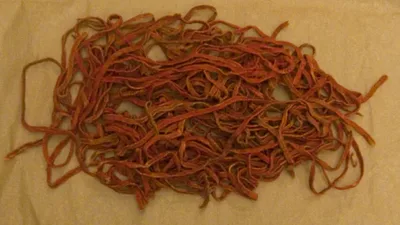
  • Band by Peru, south coast, Nazca Valley

    Band

    Peru, south coast, Nazca Valley

    ΔE 4.6 · very close

    11% of canvas
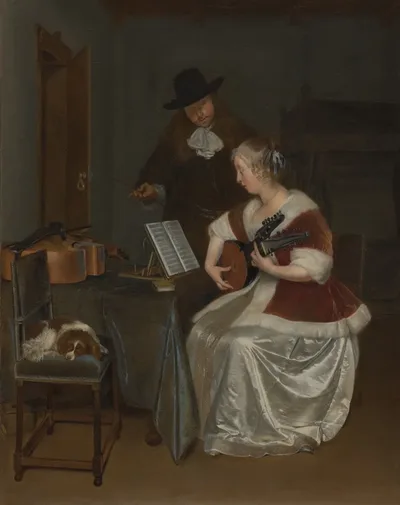
  • The Music Lesson by Gerard ter Borch the Younger, c. 1670

    The Music Lesson

    Gerard ter Borch the Younger

    ΔE 6.0 · close

    17% of canvas
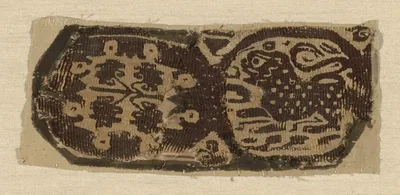
  • Fragment by Egypt, possibly Akhmin, 5th century

    Fragment

    Egypt, possibly Akhmin

    ΔE 7.7 · close

    26% of canvas
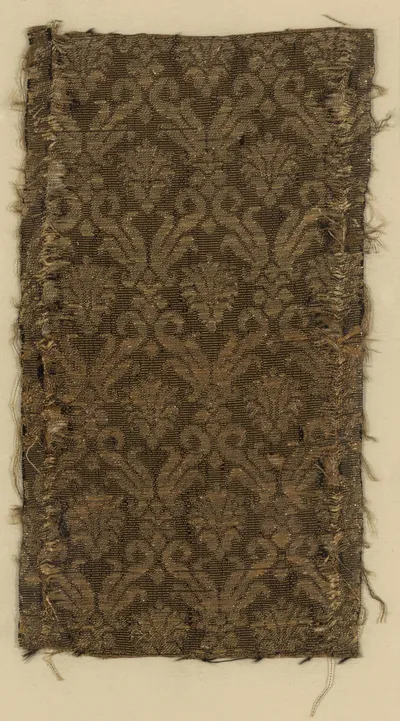
  • Fragment by Italy, 1625/75

    Fragment

    Italy

    ΔE 8.7 · close

    31% of canvas
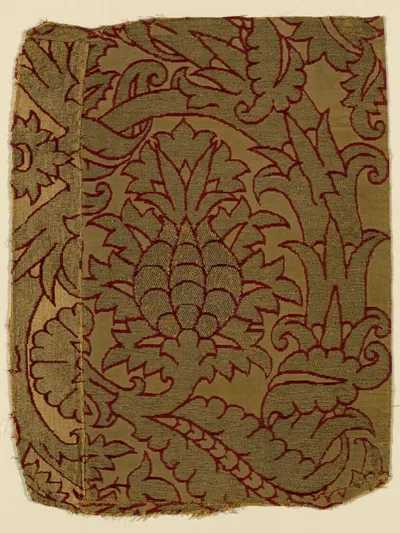
  • Fragment by Italy, 1450-1500

    Fragment

    Italy

    ΔE 5.8 · close

    16% of canvas
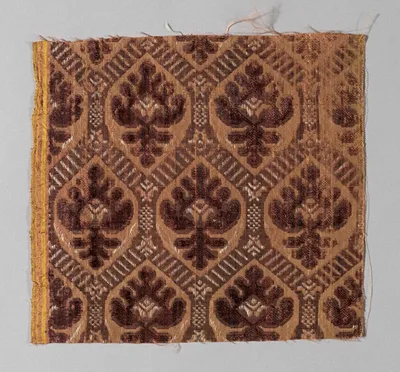
  • Fragment by Italy, 1625/75

    Fragment

    Italy

    ΔE 6.0 · close

    16% of canvas
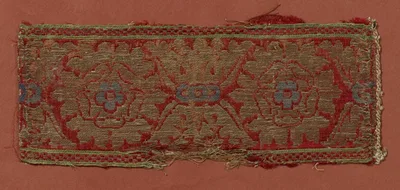
  • Border by Italy, 15th century

    Border

    Italy

    ΔE 8.2 · close

    28% of canvas
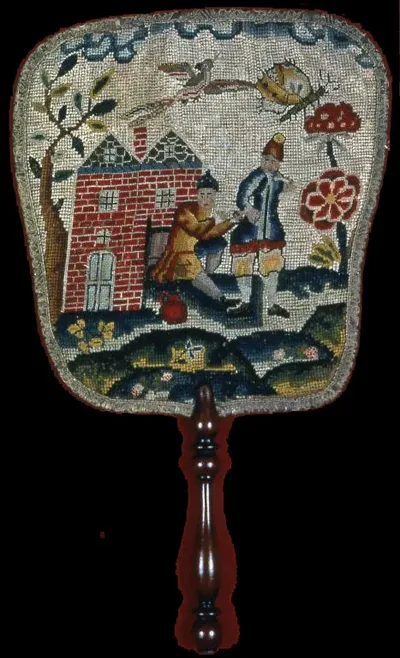
  • Fire Fans by France, 17th century

    Fire Fans

    France

    ΔE 4.6 · very close

    9% of canvas

What ΔE means, and what this does not measure