Skip to content
Chroma
#5d493b

Ranked by perceptual distance

Works near #5d493b

Ranked by CIEDE2000 distance to each work’s nearest palette entry, weighted by how much of the canvas that colour covers. Each result shows the real perceptual distance and that coverage, not the blended score that produced the order.

Pick a different colour

Drag the ring or use the arrow keys. Every result is ranked by how close it is in CIELAB, weighted by how much of the canvas the colour covers.

Closest first

60 of 1,497 works
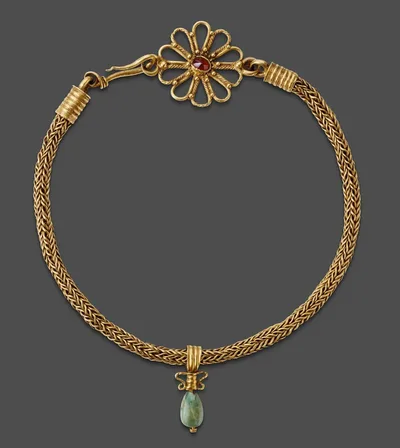
  • Necklace with Pendant by Ancient Roman, 2nd-3rd century

    Necklace with Pendant

    Ancient Roman

    ΔE 11.1 · close

    86% of canvas
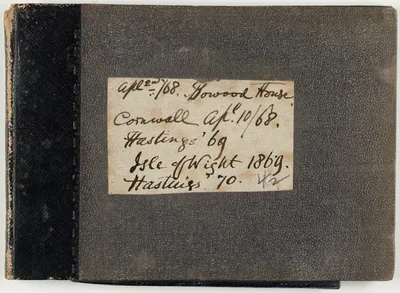
  • Cornwall by Charles George Lewis, 1868–69

    Cornwall

    Charles George Lewis

    ΔE 7.4 · close

    57% of canvas
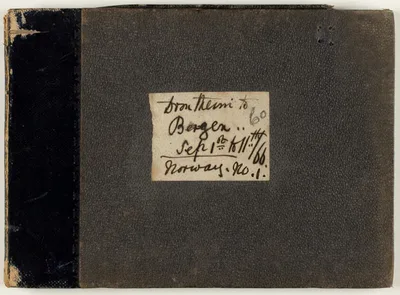
  • Norway by Charles George Lewis, 1866

    Norway

    Charles George Lewis

    ΔE 9.5 · close

    66% of canvas
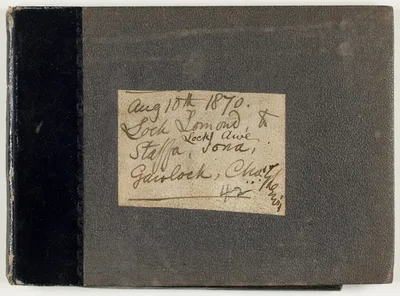
  • Loch Lomond by Charles George Lewis, 1870

    Loch Lomond

    Charles George Lewis

    ΔE 7.9 · close

    57% of canvas
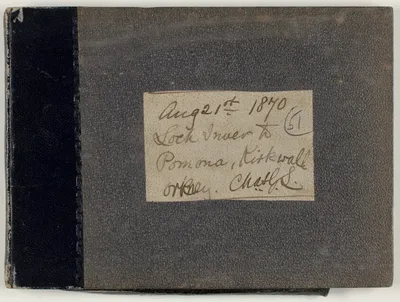
  • Loch Inver to Kirkwall by Charles George Lewis, 1870

    Loch Inver to Kirkwall

    Charles George Lewis

    ΔE 8.2 · close

    57% of canvas
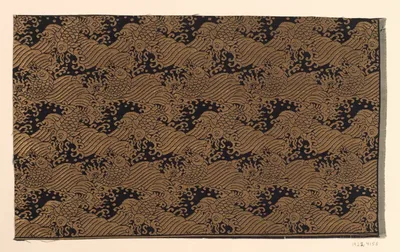
  • Fragment by Japan, Edo period (1615–1868), 1775/1825

    Fragment

    Japan

    ΔE 6.8 · close

    49% of canvas
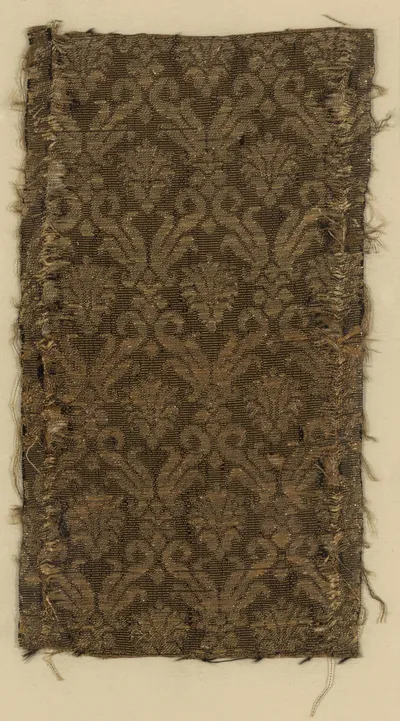
  • Fragment by Italy, 1625/75

    Fragment

    Italy

    ΔE 5.6 · close

    42% of canvas
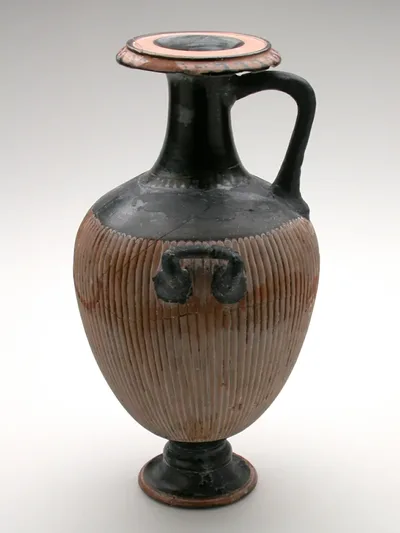
  • Hydria (Water Jar) by Ancient Greek, about 300 BCE

    Hydria (Water Jar)

    Ancient Greek

    ΔE 0.2 · near-exact

    14% of canvas
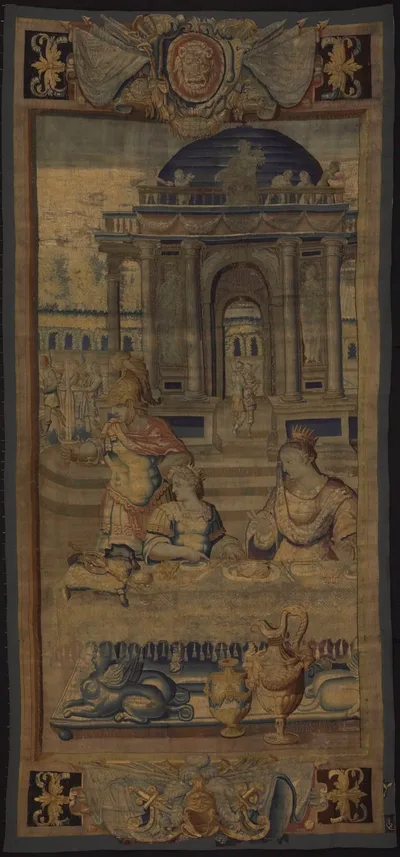
  • The Feast [central part] from The Story of Artemisia by Antoine Caron, 1607/30

    The Feast [central part] from The Story of Artemisia

    Antoine Caron

    ΔE 4.1 · very close

    33% of canvas
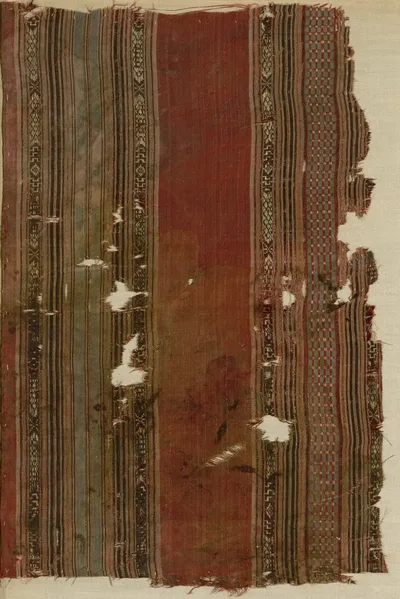
  • Fragment by Egypt, Arab period (641–969)/Fatimid period (969–1171)/Ayyubid period (1171–1250)/ Mamluk period (1250–1517), 9th/13th century

    Fragment

    Egypt

    ΔE 5.6 · close

    39% of canvas
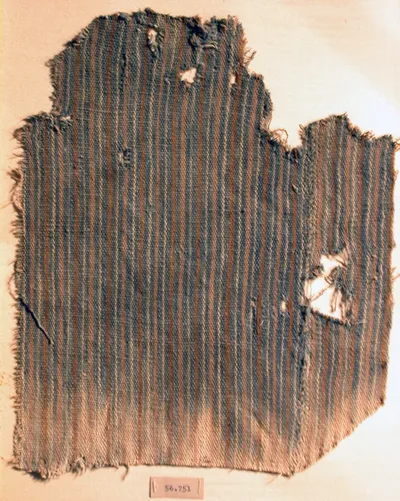
  • Fragment by Peru, north coast, Culebra Valley, La Capilla, 1000-1476

    Fragment

    Peru, north coast, Culebra Valley, La Capilla

    ΔE 5.6 · close

    38% of canvas
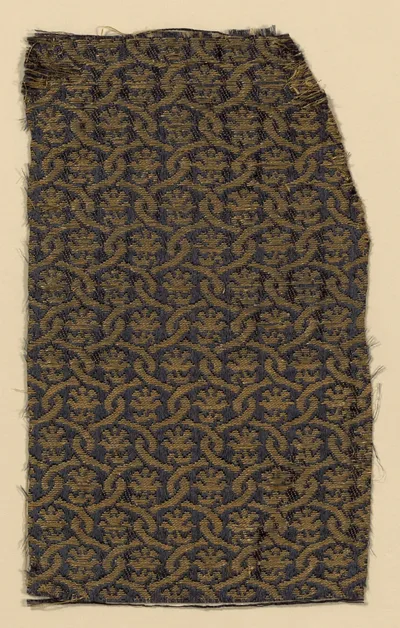
  • Fragment by Italy, 17th century

    Fragment

    Italy

    ΔE 4.6 · very close

    31% of canvas
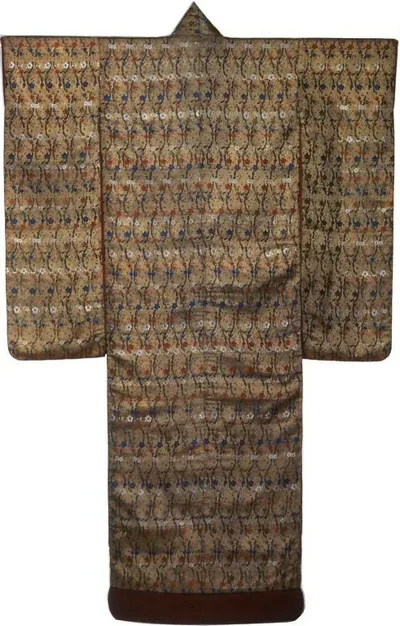
  • Furisode by Japan, 18th century, late Edo period (1789–1868)

    Furisode

    Japan

    ΔE 4.9 · very close

    32% of canvas
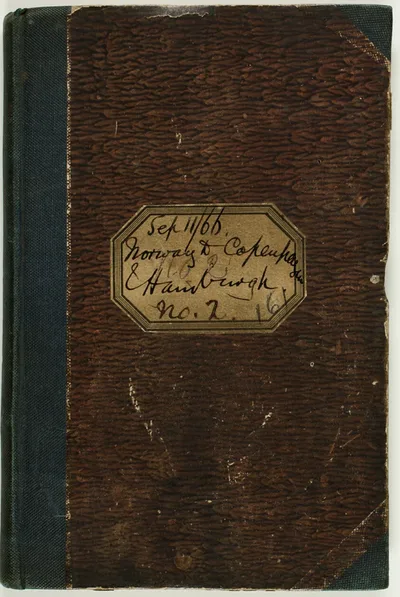
  • Norway and Denmark by Charles George Lewis, 1866

    Norway and Denmark

    Charles George Lewis

    ΔE 11.6 · close

    64% of canvas
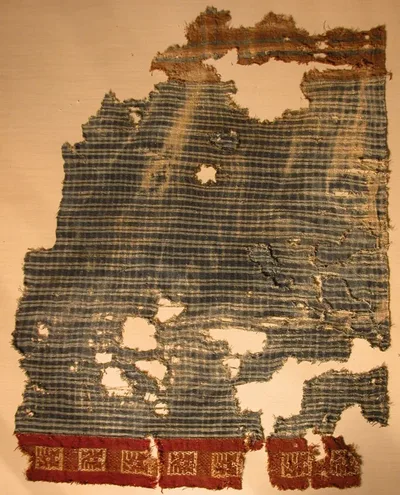
  • Fragment by Peru, north coast, Culebra Valley, La Capilla, 1000-1476

    Fragment

    Peru, north coast, Culebra Valley, La Capilla

    ΔE 4.5 · very close

    27% of canvas
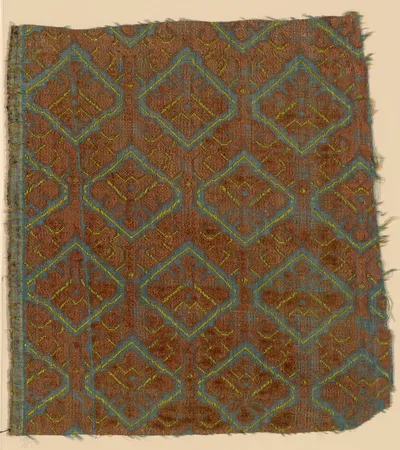
  • Fragment by Italy, 1575/1600

    Fragment

    Italy

    ΔE 8.6 · close

    48% of canvas
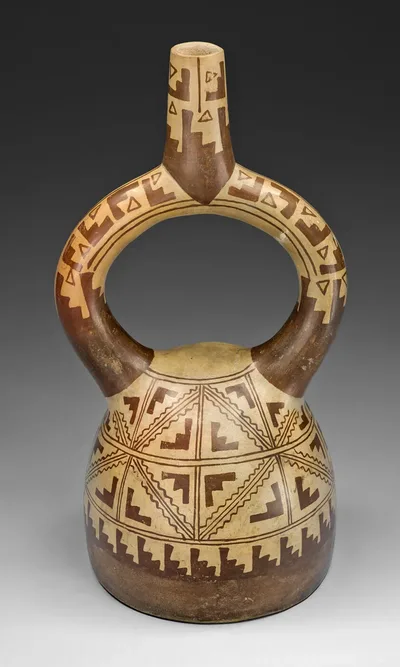
  • Stirrup Spout Vessel with Geometric Motifs by Moche, 100 BCE–500 CE

    Stirrup Spout Vessel with Geometric Motifs

    Moche

    ΔE 3.2 · very close

    21% of canvas
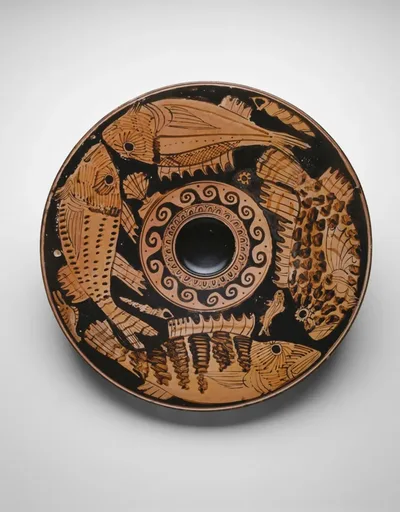
  • Fish Plate by Ancient Greek, 400-370 BCE

    Fish Plate

    Ancient Greek

    ΔE 2.2 · very close

    15% of canvas
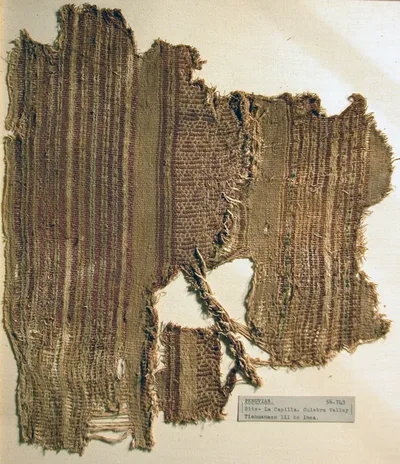
  • Fragment by Peru, north coast, Culebra Valley, La Capilla, 1000-1476

    Fragment

    Peru, north coast, Culebra Valley, La Capilla

    ΔE 3.1 · very close

    19% of canvas

  • Border by Egypt, probably Akhmin, Greco–Roman period (30 BCE– 641 CE), 4th/5th century

    Border

    Egypt, probably Akhmin

    ΔE 3.3 · very close

    20% of canvas
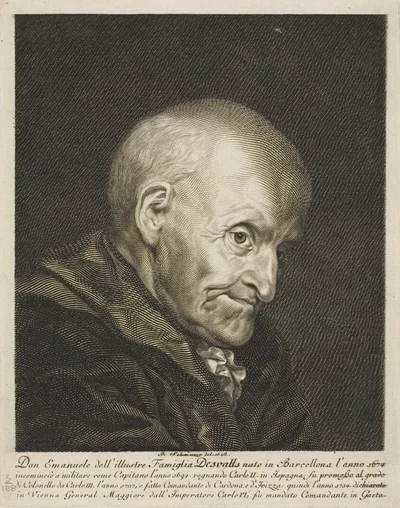
  • Portrait of Don Emanuel Desvalls by Jacob Matthias Schmutzer, n.d.

    Portrait of Don Emanuel Desvalls

    Jacob Matthias Schmutzer

    ΔE 10.8 · close

    56% of canvas

  • Border by Italy, 1601/25

    Border

    Italy

    ΔE 5.3 · close

    29% of canvas
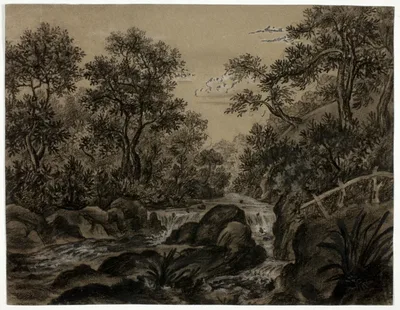
  • Valley of the Yealme by Unknown artist, 19th century

    Valley of the Yealme

    Unknown artist

    ΔE 6.9 · close

    36% of canvas
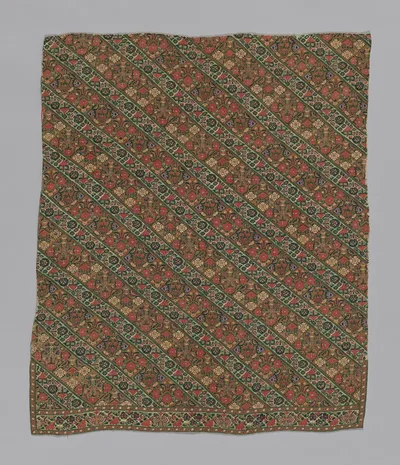
  • Panel (From Woman's Trousers) by Iran, 19th century

    Panel (From Woman's Trousers)

    Iran

    ΔE 4.4 · very close

    23% of canvas
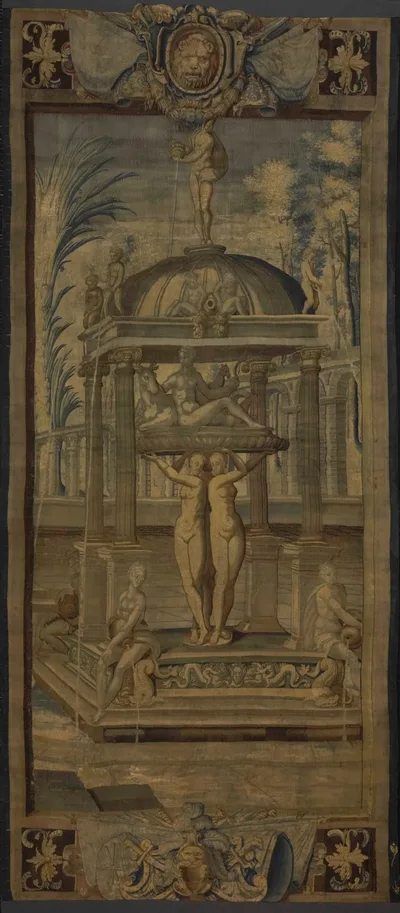
  • The Petitions [right part] from The Story of Artemisia by Antoine Caron, 1607/30

    The Petitions [right part] from The Story of Artemisia

    Antoine Caron

    ΔE 6.5 · close

    33% of canvas
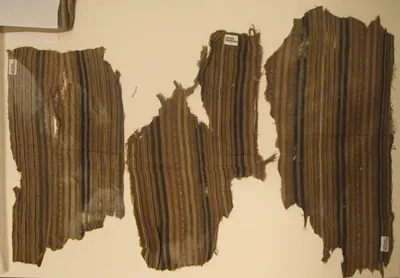
  • Fragments by Chancay, 1000-1476

    Fragments

    Chancay

    ΔE 6.4 · close

    31% of canvas
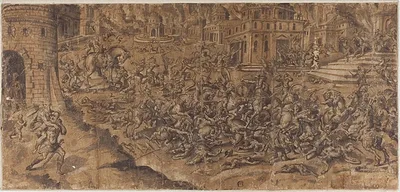
  • Aeneas Leaving the Burning City of Troy by Unknown artist, n.d.

    Aeneas Leaving the Burning City of Troy

    Unknown artist

    ΔE 3.0 · very close

    14% of canvas
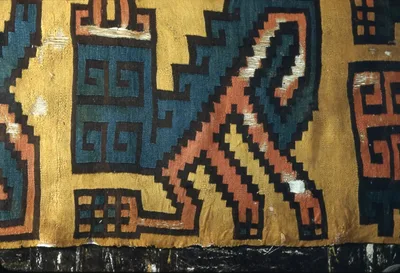
  • Fragment by Nasca, 700-900

    Fragment

    Nasca

    ΔE 2.9 · very close

    13% of canvas
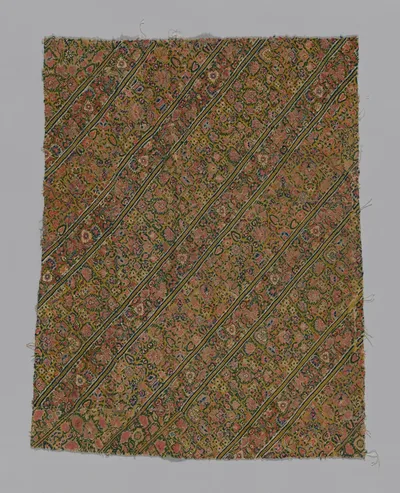
  • Panel by Iran, 18th century

    Panel

    Iran

    ΔE 3.4 · very close

    16% of canvas
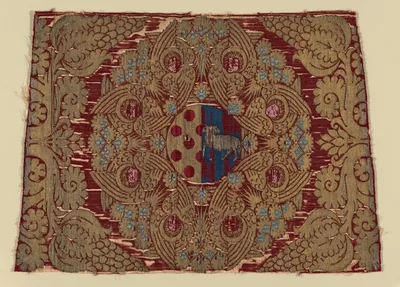
  • Fragment (From a Vestment) by Italy, Florence, 15th century

    Fragment (From a Vestment)

    Italy, Florence

    ΔE 7.4 · close

    35% of canvas
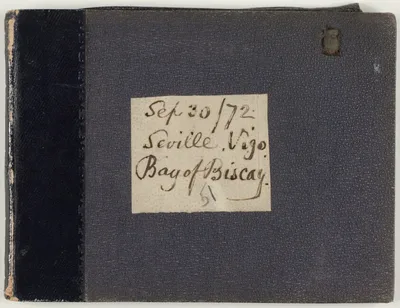
  • Seville, Vigo, Bay of Biscay by Charles George Lewis, 1872

    Seville, Vigo, Bay of Biscay

    Charles George Lewis

    ΔE 12.5 · loosely related

    61% of canvas
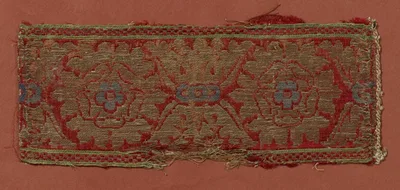
  • Border by Italy, 15th century

    Border

    Italy

    ΔE 5.8 · close

    27% of canvas
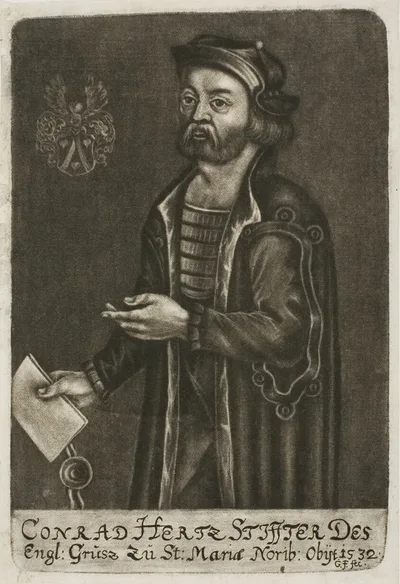
  • Conrad Hertz, Stiffter by Georg Fennitzer, n.d.

    Conrad Hertz, Stiffter

    Georg Fennitzer

    ΔE 7.9 · close

    37% of canvas
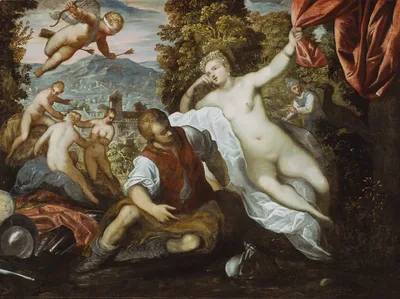
  • Venus and Mars with Cupid and the Three Graces in a Landscape by Domenico Tintoretto, 1585–95

    Venus and Mars with Cupid and the Three Graces in a Landscape

    Domenico Tintoretto

    ΔE 4.8 · very close

    21% of canvas
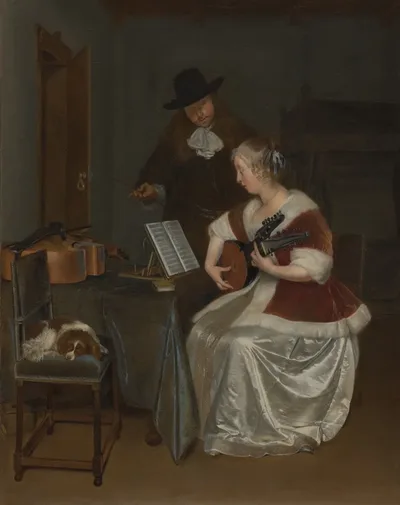
  • The Music Lesson by Gerard ter Borch the Younger, c. 1670

    The Music Lesson

    Gerard ter Borch the Younger

    ΔE 4.2 · very close

    18% of canvas
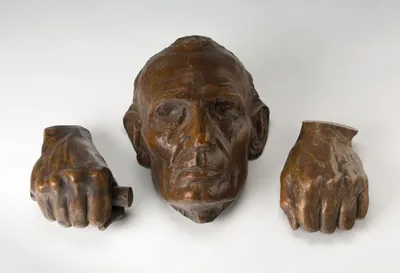
  • Life Cast of the Hands and Face of Abraham Lincoln by Leonard Wells Volk, Cast in plaster 1860; cast in bronze by 1888

    Life Cast of the Hands and Face of Abraham Lincoln

    Leonard Wells Volk

    ΔE 3.7 · very close

    15% of canvas
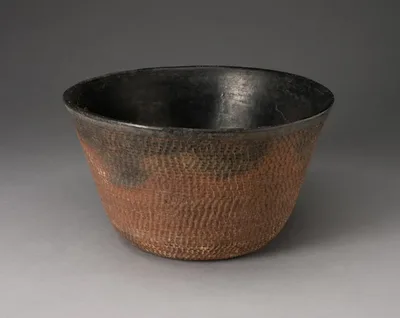
  • Bowl with Textured Surface Decoration by Ancestral Pueblo, 900–1000

    Bowl with Textured Surface Decoration

    Ancestral Pueblo

    ΔE 9.5 · close

    44% of canvas
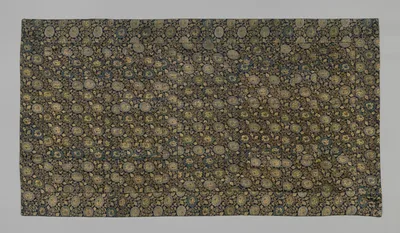
  • Kesa by Japan, late Edo period (1789–1868), late 18th/early 19th century

    Kesa

    Japan

    ΔE 7.6 · close

    34% of canvas
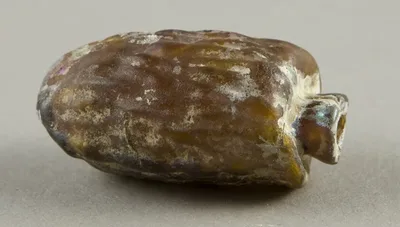
  • Flask in the Shape of a Date by Ancient Roman, 1st century

    Flask in the Shape of a Date

    Ancient Roman

    ΔE 5.2 · close

    22% of canvas
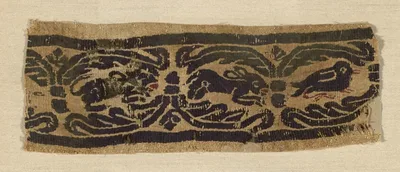
  • Fragment by Egypt, 4th-6th century

    Fragment

    Egypt

    ΔE 4.8 · very close

    20% of canvas
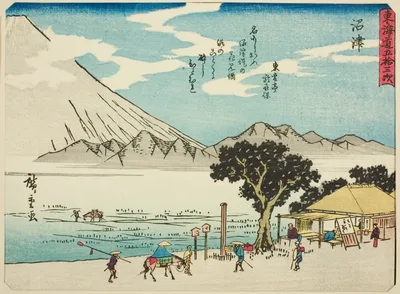
  • Numazu, from the series "Fifty-three Stations of the Tokaido (Tokaido gojusan tsugi)," also known as the Tokaido with Poem (Kyoka iri Tokaido) by Utagawa Hiroshige, c. 1837/42

    Numazu, from the series "Fifty-three Stations of the Tokaido (Tokaido gojusan tsugi)," also known as the Tokaido with Poem (Kyoka iri Tokaido)

    Utagawa Hiroshige

    ΔE 2.1 · very close

    6% of canvas
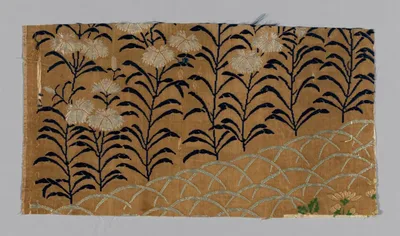
  • Fragment (From a Noh Costume) by Japan, 18th century, late Edo period (1789–1868)/ Meiji period (1868–1912)

    Fragment (From a Noh Costume)

    Japan

    ΔE 3.9 · very close

    15% of canvas
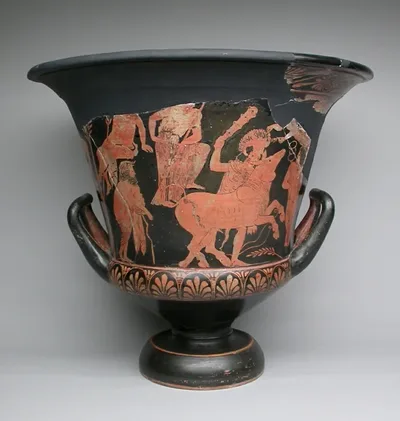
  • Calyx Krater (Mixing Bowl) by Perugia Painter, about 400-380 BCE

    Calyx Krater (Mixing Bowl)

    Perugia Painter

    ΔE 3.7 · very close

    14% of canvas
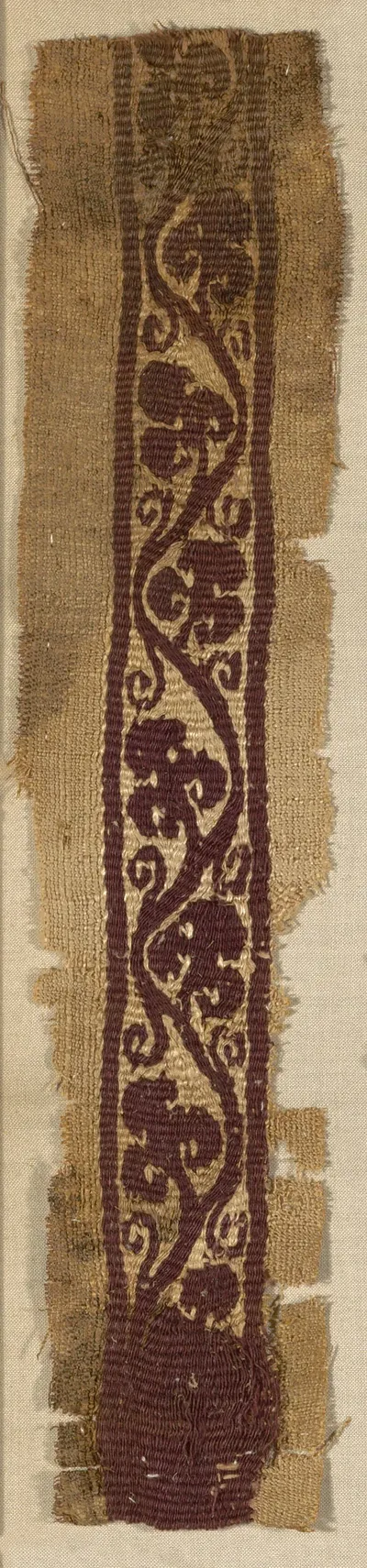
  • Fragment by Egypt, 4th-5th century

    Fragment

    Egypt

    ΔE 5.3 · close

    22% of canvas
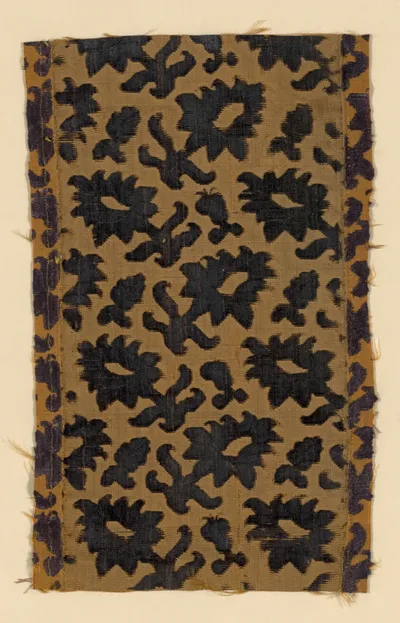
  • Fragment by Italy, 1600/50

    Fragment

    Italy

    ΔE 4.2 · very close

    16% of canvas
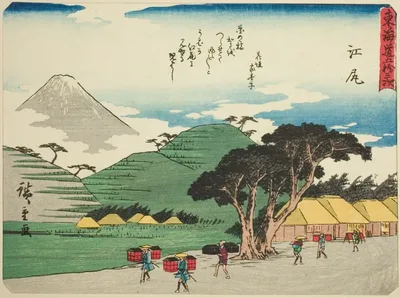
  • Ejiri, from the series "Fifty-three Stations of the Tokaido (Tokaido gojusan tsugi)," also known as the Tokaido with Poem (Kyoka iri Tokaido) by Utagawa Hiroshige, c. 1837/42

    Ejiri, from the series "Fifty-three Stations of the Tokaido (Tokaido gojusan tsugi)," also known as the Tokaido with Poem (Kyoka iri Tokaido)

    Utagawa Hiroshige

    ΔE 3.3 · very close

    11% of canvas
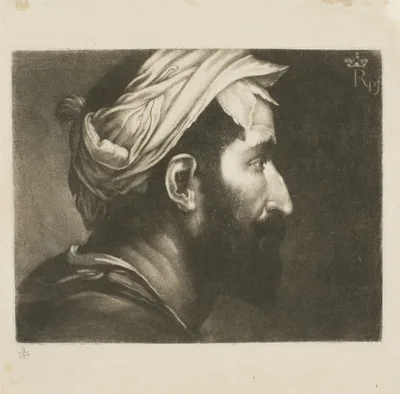
  • Head of Executioner, from John Evelyn's Sculptura by Richard Houston, 1755

    Head of Executioner, from John Evelyn's Sculptura

    Richard Houston

    ΔE 8.4 · close

    37% of canvas
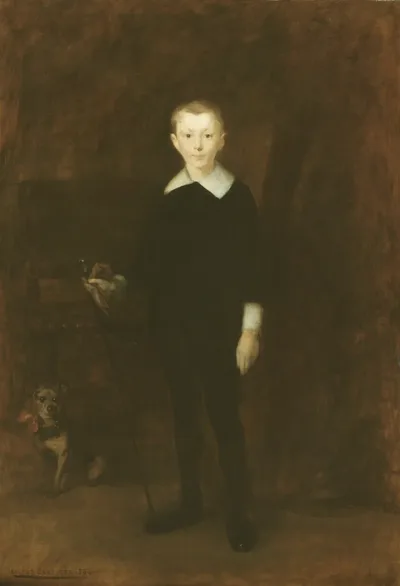
  • Portrait of a Boy by Eugène Carrière, 1886

    Portrait of a Boy

    Eugène Carrière

    ΔE 8.7 · close

    38% of canvas

  • Fragment by Egypt, possibly Akhmin, 4th-6th century

    Fragment

    Egypt, possibly Akhmin

    ΔE 3.4 · very close

    12% of canvas
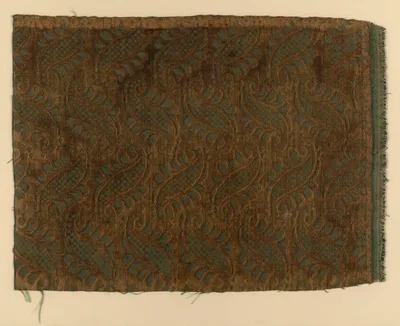
  • Fragment by Italy, 17th century

    Fragment

    Italy

    ΔE 8.3 · close

    36% of canvas
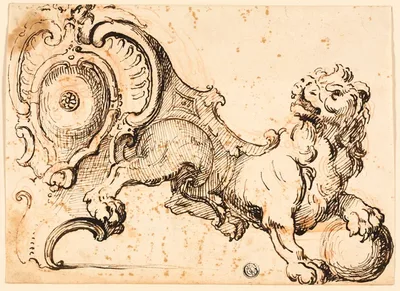
  • Design for an Andiron by Unknown, 18th century

    Design for an Andiron

    Unknown

    ΔE 2.0 · very close

    5% of canvas
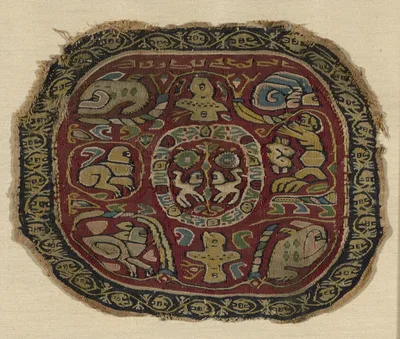
  • Roundel Fragment by Egypt, 7th century

    Roundel Fragment

    Egypt

    ΔE 6.4 · close

    26% of canvas
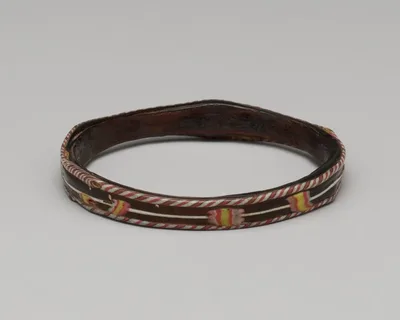
  • Bracelet by Islamic, 14th-15th century

    Bracelet

    Islamic

    ΔE 2.4 · very close

    6% of canvas
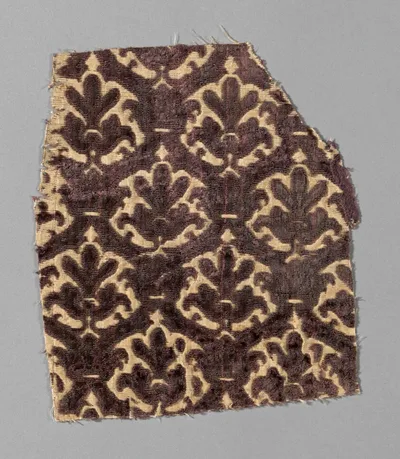
  • Velvet by Italy, 1600/50

    Velvet

    Italy

    ΔE 5.0 · close

    19% of canvas
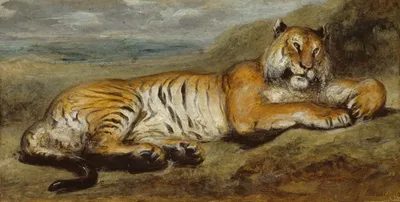
  • Tiger Resting by Pierre Andrieu, c. 1845

    Tiger Resting

    Pierre Andrieu

    ΔE 8.0 · close

    34% of canvas
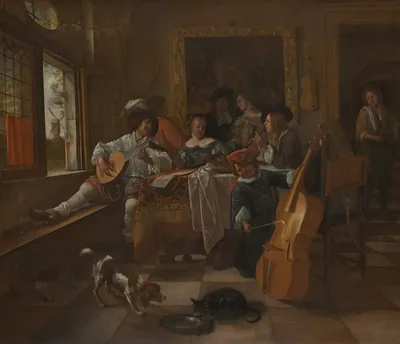
  • The Family Concert by Jan Steen, 1666

    The Family Concert

    Jan Steen

    ΔE 4.9 · very close

    18% of canvas
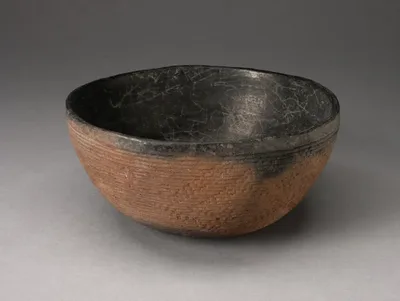
  • Bowl with Textured Surface Decoration in Basketry-Like Pattern by Ancestral Pueblo, 900–1000

    Bowl with Textured Surface Decoration in Basketry-Like Pattern

    Ancestral Pueblo

    ΔE 9.7 · close

    42% of canvas
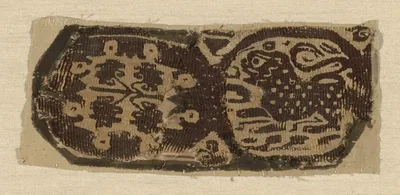
  • Fragment by Egypt, possibly Akhmin, 5th century

    Fragment

    Egypt, possibly Akhmin

    ΔE 4.9 · very close

    18% of canvas
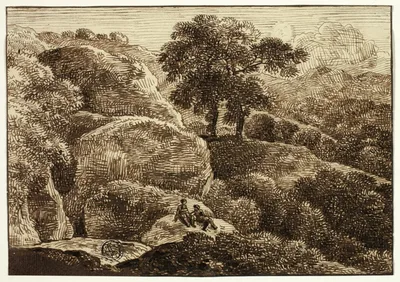
  • Two Figures Resting on Hillside near Two Trees by Franz Kobell, n.d.

    Two Figures Resting on Hillside near Two Trees

    Franz Kobell

    ΔE 6.9 · close

    27% of canvas
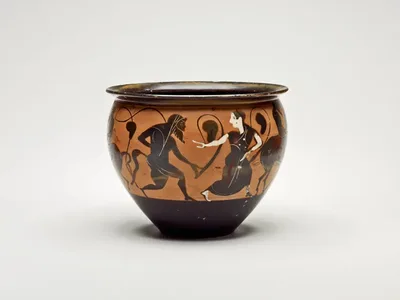
  • Mastoid (Drinking Cup) by Caylus Painter, about 500-480 BCE

    Mastoid (Drinking Cup)

    Caylus Painter

    ΔE 2.7 · very close

    7% of canvas

What ΔE means, and what this does not measure