Skip to content
Chroma
#624f4b

Ranked by perceptual distance

Works near #624f4b

Ranked by CIEDE2000 distance to each work’s nearest palette entry, weighted by how much of the canvas that colour covers. Each result shows the real perceptual distance and that coverage, not the blended score that produced the order.

Pick a different colour

Drag the ring or use the arrow keys. Every result is ranked by how close it is in CIELAB, weighted by how much of the canvas the colour covers.

Closest first

60 of 1,497 works
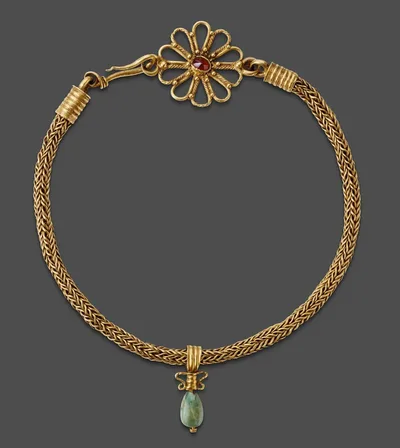
  • Necklace with Pendant by Ancient Roman, 2nd-3rd century

    Necklace with Pendant

    Ancient Roman

    ΔE 9.8 · close

    86% of canvas
  • Cornwall by Charles George Lewis, 1868–69

    Cornwall

    Charles George Lewis

    ΔE 7.3 · close

    57% of canvas
  • Loch Inver to Kirkwall by Charles George Lewis, 1870

    Loch Inver to Kirkwall

    Charles George Lewis

    ΔE 7.5 · close

    57% of canvas
  • Loch Lomond by Charles George Lewis, 1870

    Loch Lomond

    Charles George Lewis

    ΔE 7.6 · close

    57% of canvas
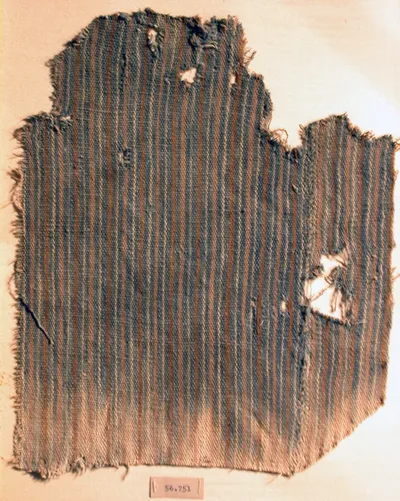
  • Fragment by Peru, north coast, Culebra Valley, La Capilla, 1000-1476

    Fragment

    Peru, north coast, Culebra Valley, La Capilla

    ΔE 5.1 · close

    38% of canvas
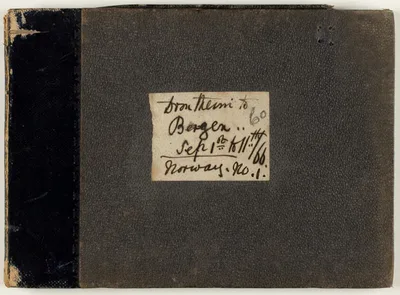
  • Norway by Charles George Lewis, 1866

    Norway

    Charles George Lewis

    ΔE 11.0 · close

    66% of canvas
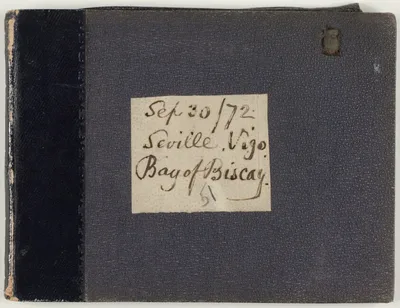
  • Seville, Vigo, Bay of Biscay by Charles George Lewis, 1872

    Seville, Vigo, Bay of Biscay

    Charles George Lewis

    ΔE 10.2 · close

    61% of canvas

  • Border by Italy, 1601/25

    Border

    Italy

    ΔE 5.2 · close

    29% of canvas
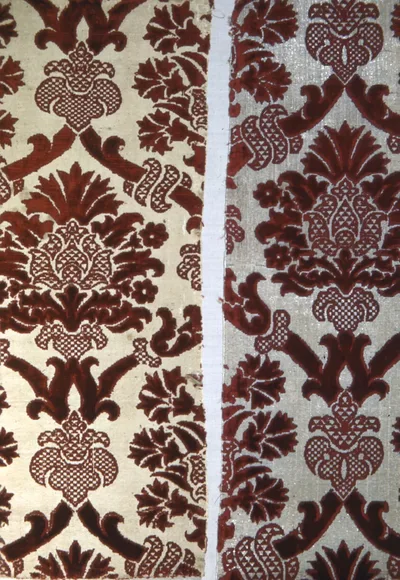
  • Fragment by Italy, 16th century

    Fragment

    Italy

    ΔE 6.0 · close

    33% of canvas
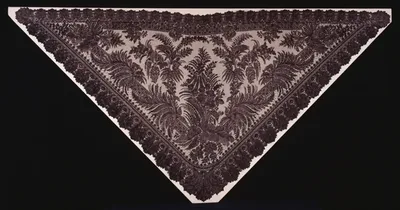
  • Half Shawl by France, Bayeux, Early 1860s

    Half Shawl

    France, Bayeux

    ΔE 3.5 · very close

    18% of canvas
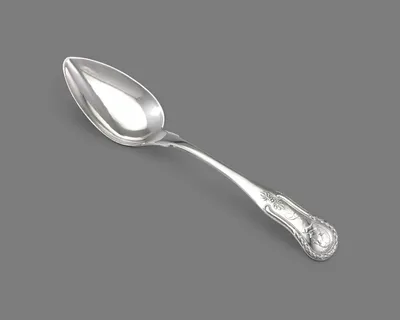
  • Spoon by Artist unknown, c. 1830

    Spoon

    Artist unknown

    ΔE 18.0 · loosely related

    91% of canvas
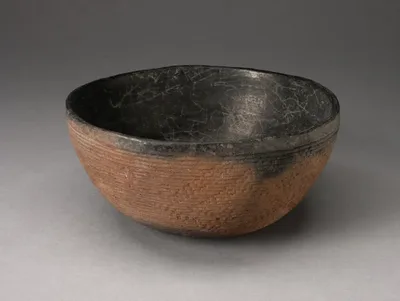
  • Bowl with Textured Surface Decoration in Basketry-Like Pattern by Ancestral Pueblo, 900–1000

    Bowl with Textured Surface Decoration in Basketry-Like Pattern

    Ancestral Pueblo

    ΔE 8.3 · close

    42% of canvas
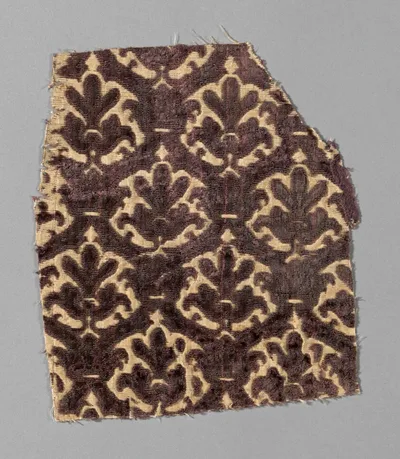
  • Velvet by Italy, 1600/50

    Velvet

    Italy

    ΔE 3.8 · very close

    19% of canvas
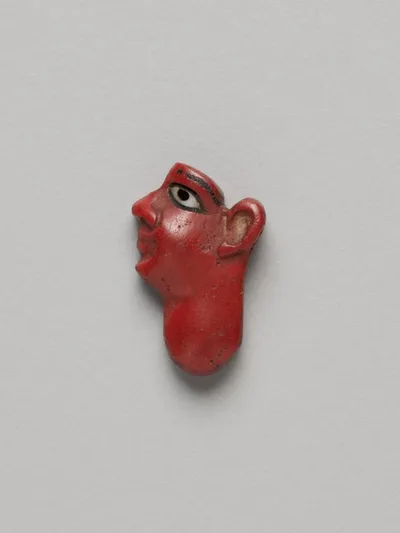
  • Inlay Depicting the Face of a King by Ancient Egyptian, Ptolemaic Period (332–30 BCE)

    Inlay Depicting the Face of a King

    Ancient Egyptian

    ΔE 0.3 · near-exact

    2% of canvas
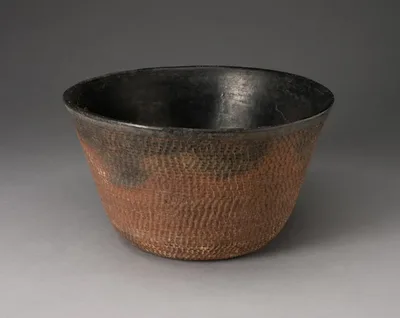
  • Bowl with Textured Surface Decoration by Ancestral Pueblo, 900–1000

    Bowl with Textured Surface Decoration

    Ancestral Pueblo

    ΔE 8.8 · close

    44% of canvas
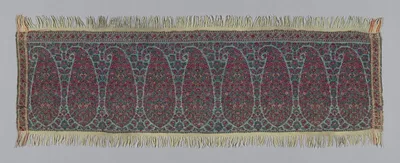
  • Shawl Border Fragment by India, 1815/20

    Shawl Border Fragment

    India

    ΔE 4.9 · very close

    24% of canvas
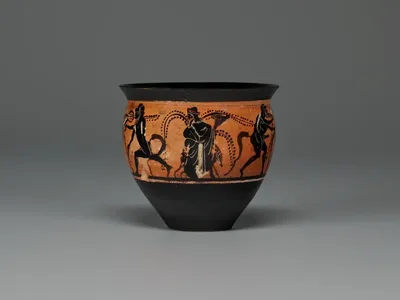
  • Mastoid (Drinking Cup) by Leafless Group, 500-480 BCE

    Mastoid (Drinking Cup)

    Leafless Group

    ΔE 11.7 · close

    58% of canvas
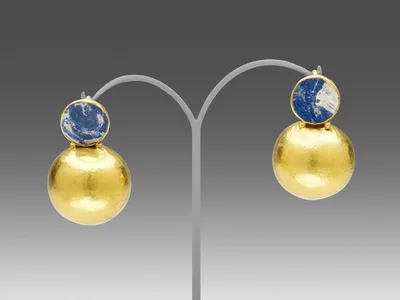
  • Pair of Earrings by Ancient Roman, 1st century

    Pair of Earrings

    Ancient Roman

    ΔE 9.5 · close

    46% of canvas
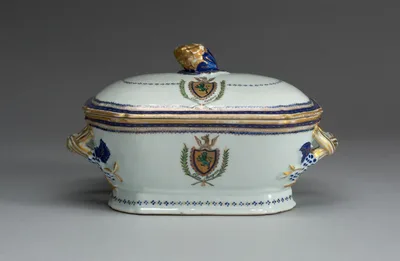
  • Tureen with Cover by Chinese export porcelain, c. 1787–90

    Tureen with Cover

    Chinese export porcelain

    ΔE 10.0 · close

    48% of canvas
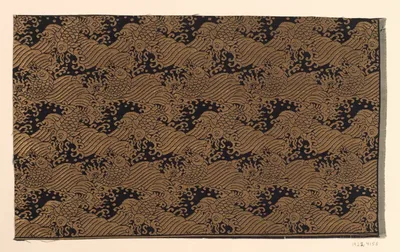
  • Fragment by Japan, Edo period (1615–1868), 1775/1825

    Fragment

    Japan

    ΔE 10.1 · close

    49% of canvas
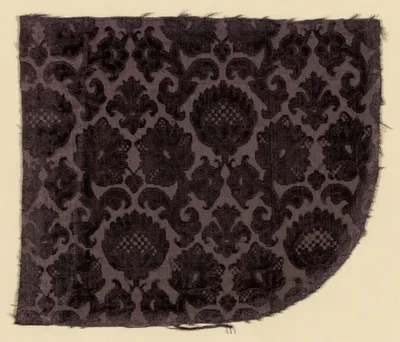
  • Fragment by Italy, 1600/50

    Fragment

    Italy

    ΔE 4.4 · very close

    19% of canvas
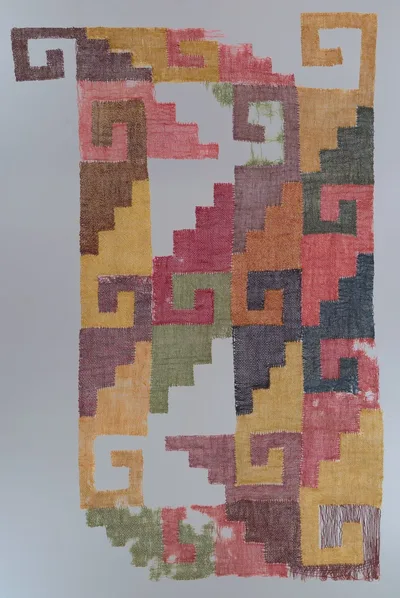
  • Fragment Displaying Stepped-Fret Motif by Nasca, About 200-500

    Fragment Displaying Stepped-Fret Motif

    Nasca

    ΔE 4.1 · very close

    17% of canvas

  • Pair of Lappets (Joined) by France, Bayeux, 1850s/60s

    Pair of Lappets (Joined)

    France, Bayeux

    ΔE 6.5 · close

    28% of canvas
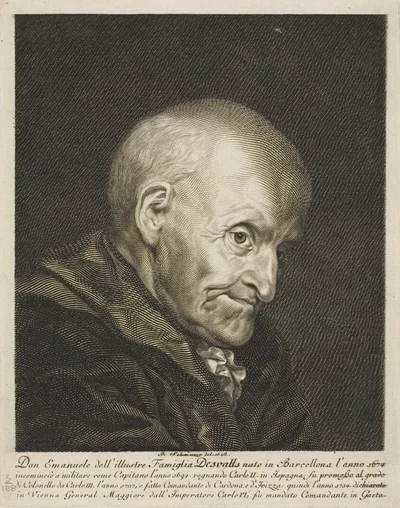
  • Portrait of Don Emanuel Desvalls by Jacob Matthias Schmutzer, n.d.

    Portrait of Don Emanuel Desvalls

    Jacob Matthias Schmutzer

    ΔE 12.3 · loosely related

    56% of canvas
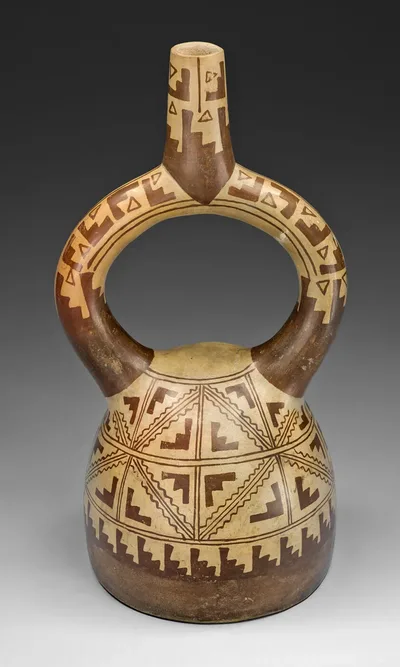
  • Stirrup Spout Vessel with Geometric Motifs by Moche, 100 BCE–500 CE

    Stirrup Spout Vessel with Geometric Motifs

    Moche

    ΔE 5.2 · close

    21% of canvas
  • Aeneas Leaving the Burning City of Troy by Unknown artist, n.d.

    Aeneas Leaving the Burning City of Troy

    Unknown artist

    ΔE 3.9 · very close

    14% of canvas
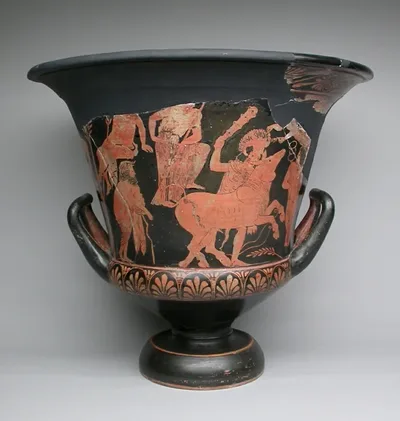
  • Calyx Krater (Mixing Bowl) by Perugia Painter, about 400-380 BCE

    Calyx Krater (Mixing Bowl)

    Perugia Painter

    ΔE 4.1 · very close

    14% of canvas
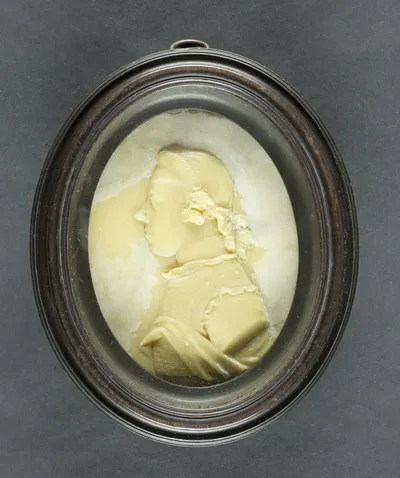
  • John Duke, Third Duke of Rutland (1696-1779) by Isaac Gosset, 1740/60

    John Duke, Third Duke of Rutland (1696-1779)

    Isaac Gosset

    ΔE 12.1 · loosely related

    53% of canvas
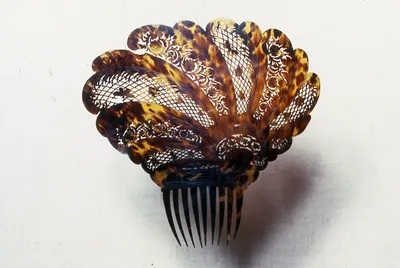
  • Comb by Spain, c. 1885

    Comb

    Spain

    ΔE 3.6 · very close

    11% of canvas
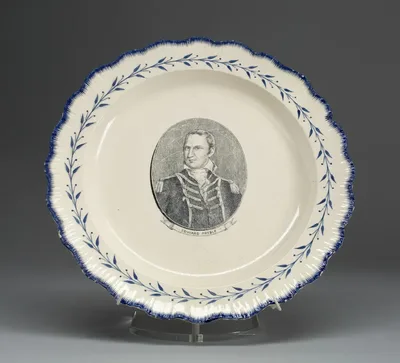
  • Plate by English for the American market, c. 1790

    Plate

    English for the American market

    ΔE 10.7 · close

    45% of canvas
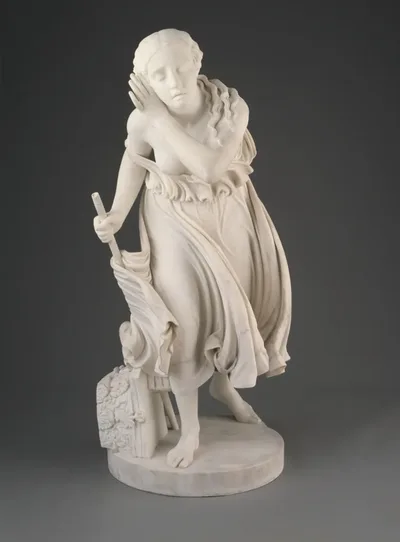
  • Nydia, The Blind Flower Girl of Pompeii by Randolph Rogers, modeled 1855–56, carved 1858

    Nydia, The Blind Flower Girl of Pompeii

    Randolph Rogers

    ΔE 12.8 · loosely related

    55% of canvas
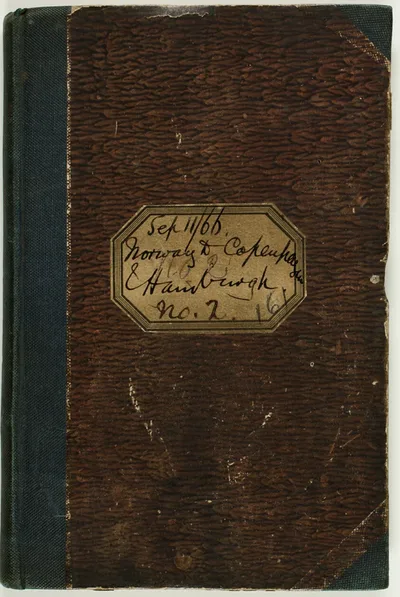
  • Norway and Denmark by Charles George Lewis, 1866

    Norway and Denmark

    Charles George Lewis

    ΔE 14.7 · loosely related

    64% of canvas
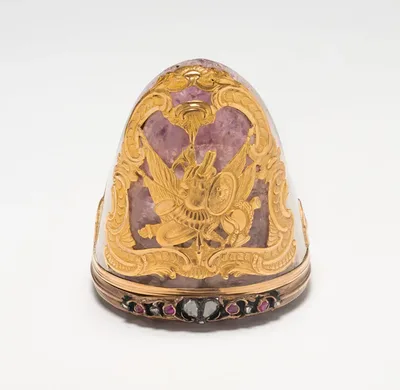
  • Snuff Box by Vienna, Austria, 19th century

    Snuff Box

    Vienna, Austria

    ΔE 2.6 · very close

    3% of canvas
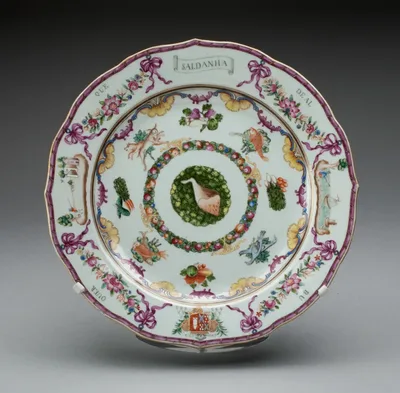
  • Plate by China, 1760/70

    Plate

    China

    ΔE 5.7 · close

    18% of canvas
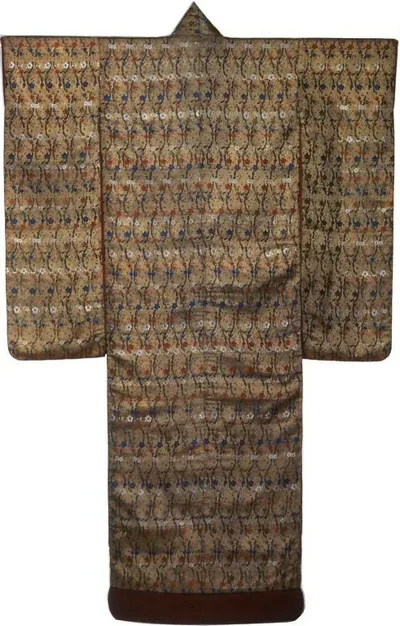
  • Furisode by Japan, 18th century, late Edo period (1789–1868)

    Furisode

    Japan

    ΔE 8.5 · close

    32% of canvas
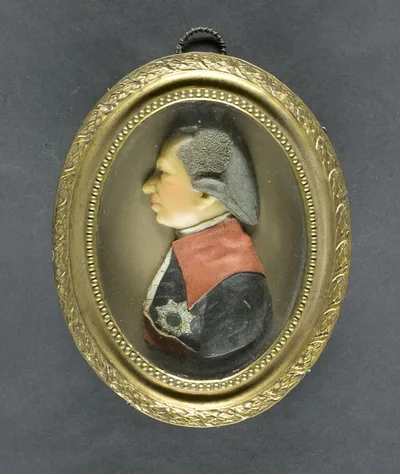
  • Marquis of Waterford by Samuel Percy, 1775/1800

    Marquis of Waterford

    Samuel Percy

    ΔE 13.0 · loosely related

    54% of canvas
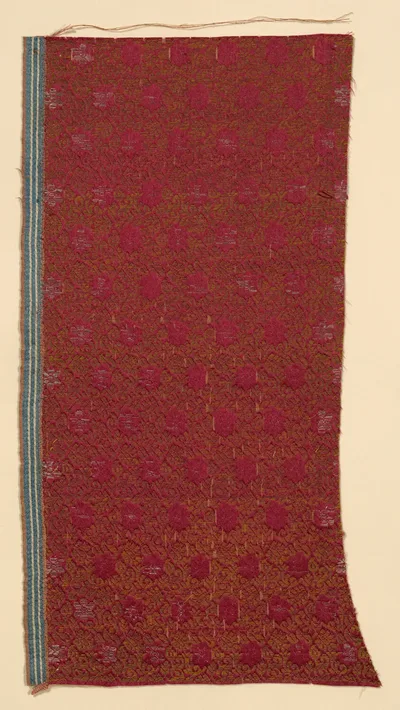
  • Fragment by Spain, 17th century

    Fragment

    Spain

    ΔE 15.9 · loosely related

    68% of canvas
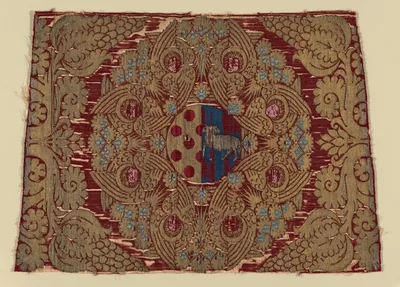
  • Fragment (From a Vestment) by Italy, Florence, 15th century

    Fragment (From a Vestment)

    Italy, Florence

    ΔE 9.4 · close

    35% of canvas
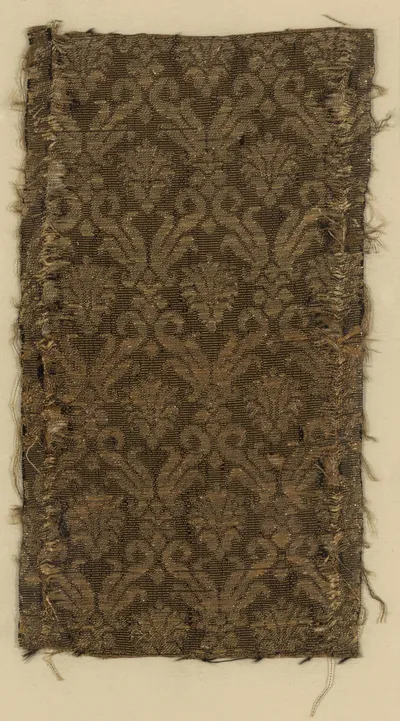
  • Fragment by Italy, 1625/75

    Fragment

    Italy

    ΔE 10.9 · close

    42% of canvas
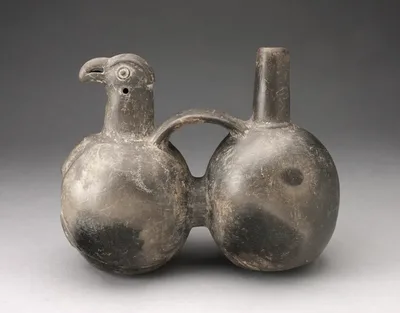
  • Double-Chambered Strap Vessel with Sculpted Bird Head by Chimú, 1200–1450

    Double-Chambered Strap Vessel with Sculpted Bird Head

    Chimú

    ΔE 8.4 · close

    30% of canvas
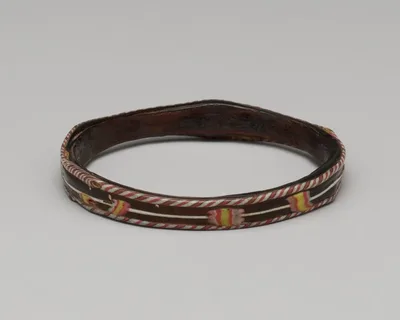
  • Bracelet by Islamic, 14th-15th century

    Bracelet

    Islamic

    ΔE 3.6 · very close

    6% of canvas
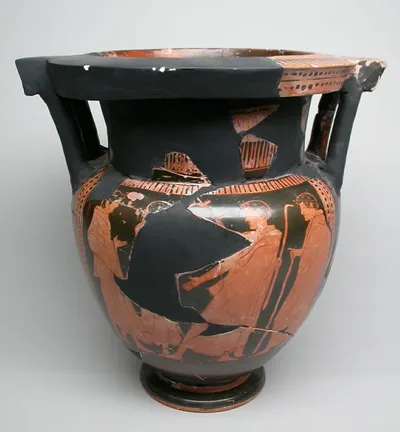
  • Column-Krater (Mixing Bowl) by Ancient Greek, about 450 BCE

    Column-Krater (Mixing Bowl)

    Ancient Greek

    ΔE 5.2 · close

    14% of canvas
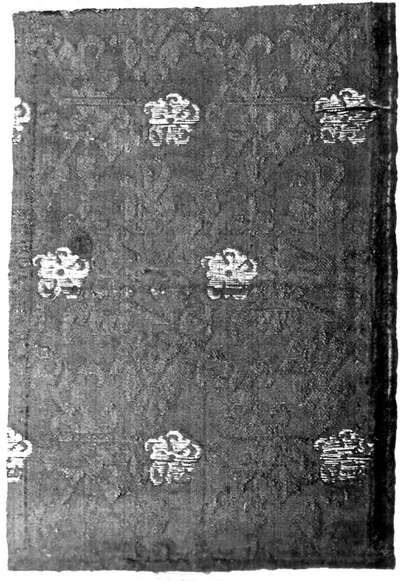
  • Fragment by Spain, Early 17th century

    Fragment

    Spain

    ΔE 9.5 · close

    35% of canvas
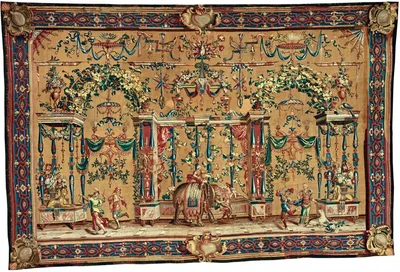
  • The Elephant, from The Berain Grotesques Series by Jean Baptiste Monnoyer, c. 1688/1732

    The Elephant, from The Berain Grotesques Series

    Jean Baptiste Monnoyer

    ΔE 6.0 · close

    17% of canvas
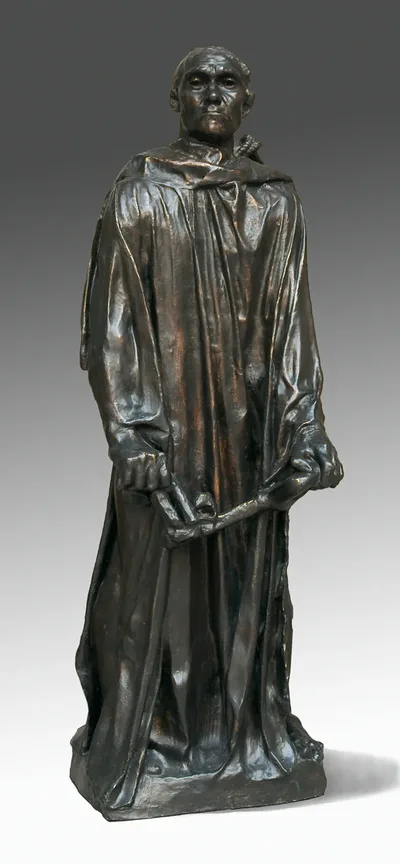
  • A Burgher of Calais (Jean d'Aire) by Auguste Rodin, Modeled 1889

    A Burgher of Calais (Jean d'Aire)

    Auguste Rodin

    ΔE 10.4 · close

    39% of canvas
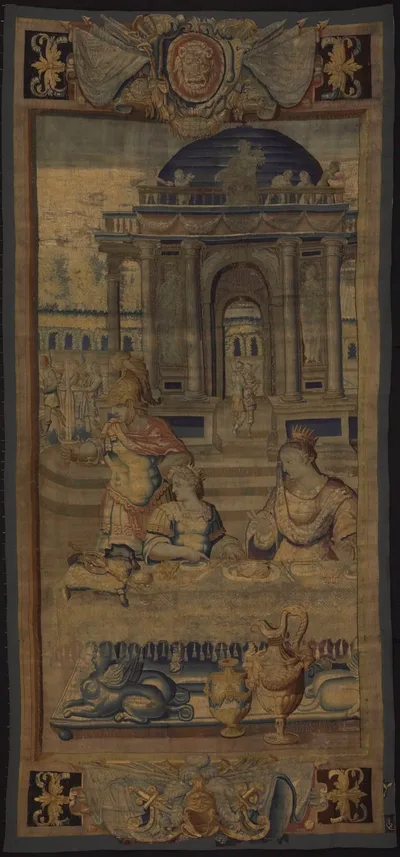
  • The Feast [central part] from The Story of Artemisia by Antoine Caron, 1607/30

    The Feast [central part] from The Story of Artemisia

    Antoine Caron

    ΔE 9.2 · close

    33% of canvas
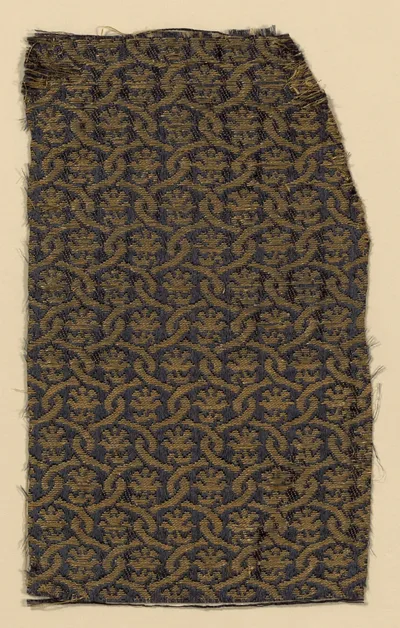
  • Fragment by Italy, 17th century

    Fragment

    Italy

    ΔE 8.8 · close

    31% of canvas
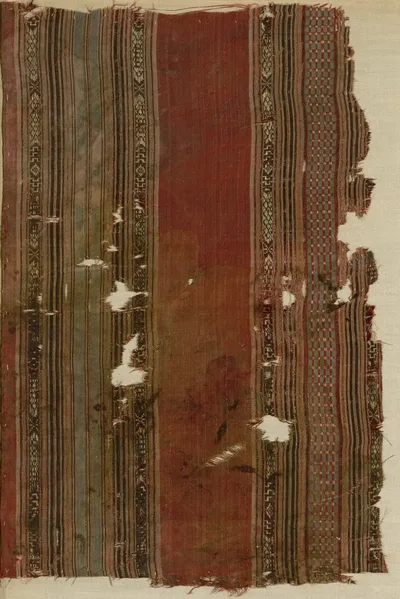
  • Fragment by Egypt, Arab period (641–969)/Fatimid period (969–1171)/Ayyubid period (1171–1250)/ Mamluk period (1250–1517), 9th/13th century

    Fragment

    Egypt

    ΔE 10.5 · close

    39% of canvas
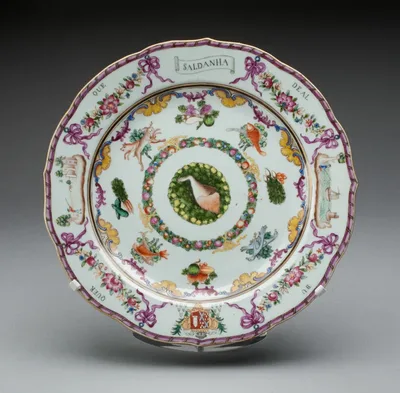
  • Plate by China, 1760/70

    Plate

    China

    ΔE 6.5 · close

    19% of canvas
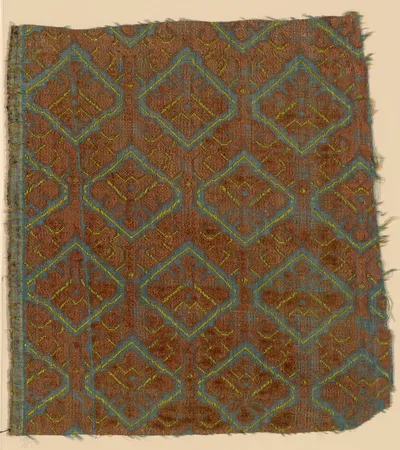
  • Fragment by Italy, 1575/1600

    Fragment

    Italy

    ΔE 12.4 · loosely related

    48% of canvas
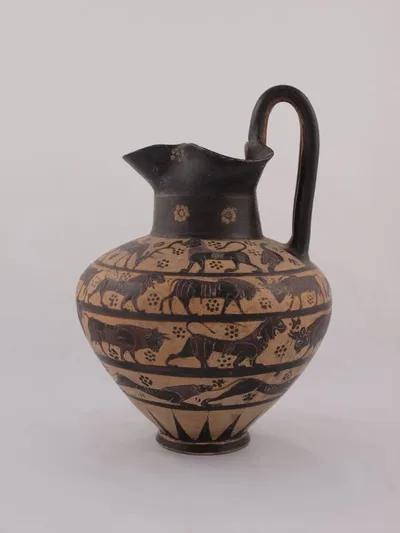
  • Oinochoe (Pitcher) by Ancient Greek, 640-625 BCE

    Oinochoe (Pitcher)

    Ancient Greek

    ΔE 4.5 · very close

    8% of canvas
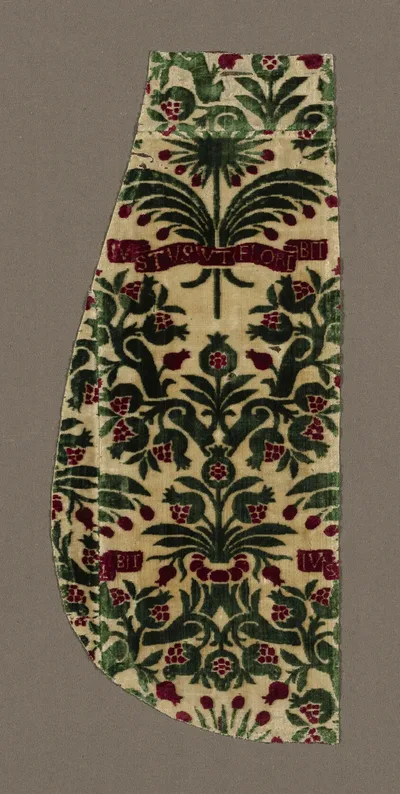
  • Portion of a Chasuble by Probably made for Piero Soderini (1452–1522), 1450-1500

    Portion of a Chasuble

    Probably made for Piero Soderini (1452–1522)

    ΔE 12.7 · loosely related

    49% of canvas

  • Border by Egypt, probably Akhmin, Greco–Roman period (30 BCE– 641 CE), 4th/5th century

    Border

    Egypt, probably Akhmin

    ΔE 6.9 · close

    20% of canvas
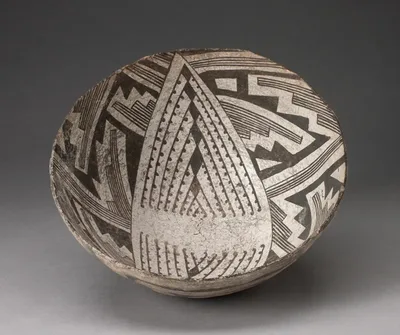
  • Bowl with Large Diamond-Shaped Area Interior with Dotted Lines and Diamonds, and Interlocking Stepped Motifs by Ancestral Pueblo, 950–1400

    Bowl with Large Diamond-Shaped Area Interior with Dotted Lines and Diamonds, and Interlocking Stepped Motifs

    Ancestral Pueblo

    ΔE 6.5 · close

    18% of canvas
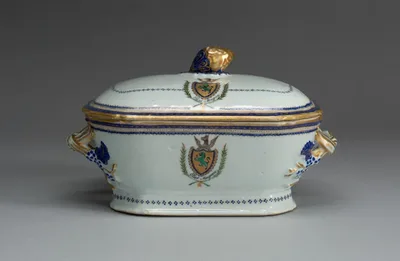
  • Tureen with Cover by Chinese export porcelain, c. 1787–90

    Tureen with Cover

    Chinese export porcelain

    ΔE 9.4 · close

    32% of canvas
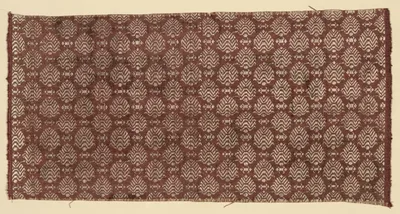
  • Fragment by Italy, 1650/1700

    Fragment

    Italy

    ΔE 8.2 · close

    26% of canvas
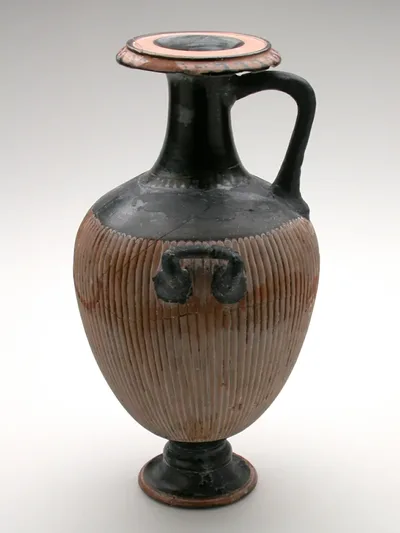
  • Hydria (Water Jar) by Ancient Greek, about 300 BCE

    Hydria (Water Jar)

    Ancient Greek

    ΔE 5.8 · close

    14% of canvas
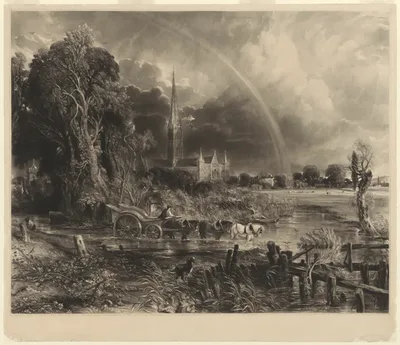
  • Salisbury Cathedral from the Meadows: the Rainbow by David Lucas, 1834

    Salisbury Cathedral from the Meadows: the Rainbow

    David Lucas

    ΔE 7.8 · close

    24% of canvas
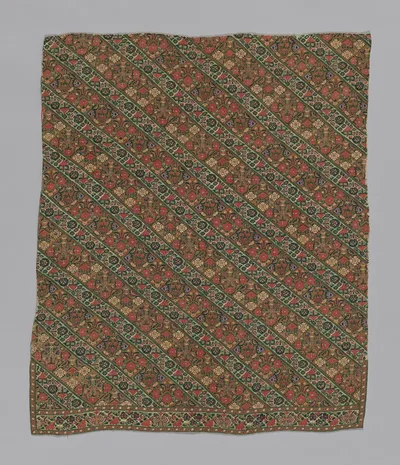
  • Panel (From Woman's Trousers) by Iran, 19th century

    Panel (From Woman's Trousers)

    Iran

    ΔE 7.8 · close

    23% of canvas
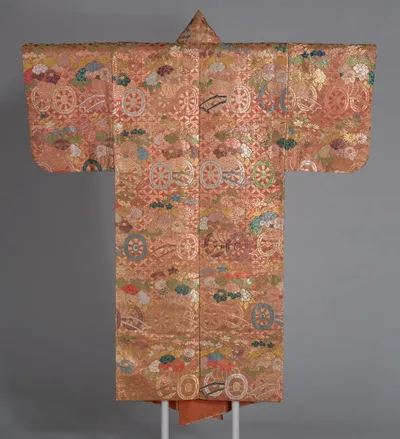
  • Atsuita karaori (Noh Costume) by Japan, late Edo period (1789–1868), 1801/25

    Atsuita karaori (Noh Costume)

    Japan

    ΔE 13.4 · loosely related

    52% of canvas

What ΔE means, and what this does not measure