Skip to content
Chroma
#736a5b

Ranked by perceptual distance

Works near #736a5b

Ranked by CIEDE2000 distance to each work’s nearest palette entry, weighted by how much of the canvas that colour covers. Each result shows the real perceptual distance and that coverage, not the blended score that produced the order.

Pick a different colour

Drag the ring or use the arrow keys. Every result is ranked by how close it is in CIELAB, weighted by how much of the canvas the colour covers.

Closest first

60 of 1,497 works
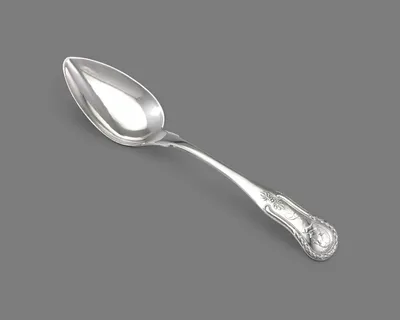
  • Spoon by Artist unknown, c. 1830

    Spoon

    Artist unknown

    ΔE 10.4 · close

    91% of canvas
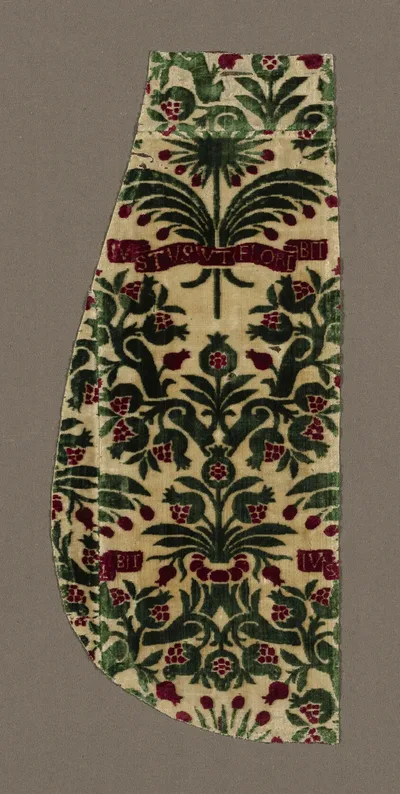
  • Portion of a Chasuble by Probably made for Piero Soderini (1452–1522), 1450-1500

    Portion of a Chasuble

    Probably made for Piero Soderini (1452–1522)

    ΔE 2.9 · very close

    49% of canvas
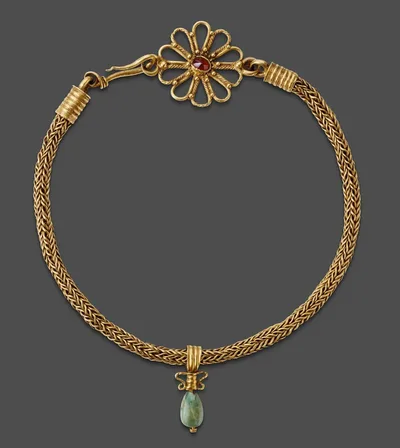
  • Necklace with Pendant by Ancient Roman, 2nd-3rd century

    Necklace with Pendant

    Ancient Roman

    ΔE 13.5 · loosely related

    86% of canvas
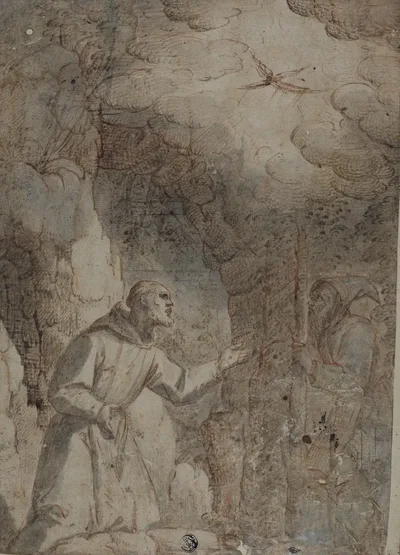
  • Stigmatization of Saint Francis of Assisi by probably Italian, n.d.

    Stigmatization of Saint Francis of Assisi

    probably Italian

    ΔE 1.7 · near-exact

    26% of canvas
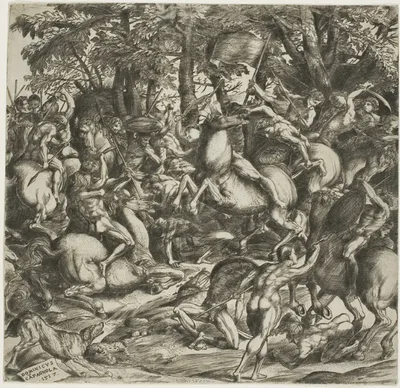
  • Battle of the Naked Men by Domenico Campagnola, 1517

    Battle of the Naked Men

    Domenico Campagnola

    ΔE 2.1 · very close

    27% of canvas
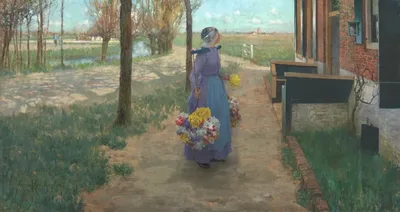
  • Flower Girl in Holland by George Hitchcock, 1887

    Flower Girl in Holland

    George Hitchcock

    ΔE 2.2 · very close

    26% of canvas
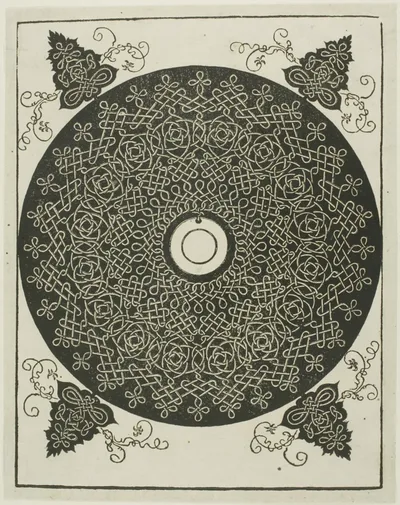
  • The Third Knot by Albrecht Dürer, c. 1507

    The Third Knot

    Albrecht Dürer

    ΔE 4.7 · very close

    38% of canvas
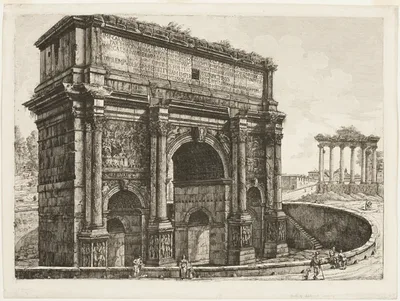
  • The Arch of Septimus Severus by Luigi Rossini, 1820

    The Arch of Septimus Severus

    Luigi Rossini

    ΔE 0.9 · near-exact

    19% of canvas
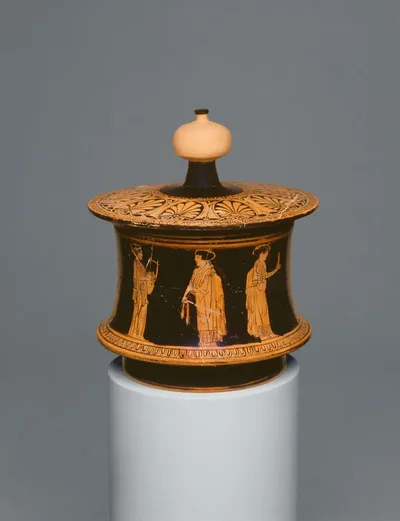
  • Pyxis (Container for Personal Objects) by Ancient Greek, 430-420 BCE

    Pyxis (Container for Personal Objects)

    Ancient Greek

    ΔE 11.2 · close

    70% of canvas
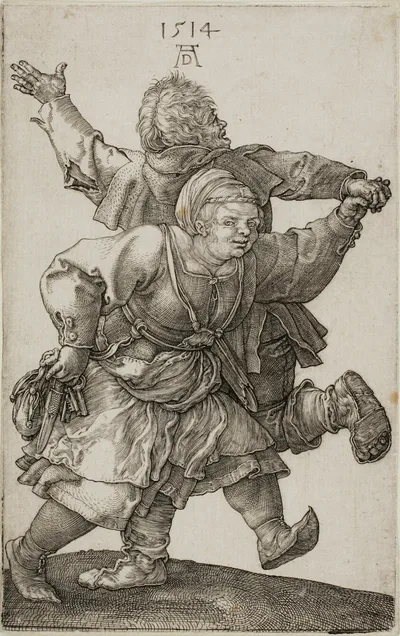
  • Peasant Couple Dancing by Albrecht Dürer, 1514

    Peasant Couple Dancing

    Albrecht Dürer

    ΔE 0.9 · near-exact

    18% of canvas
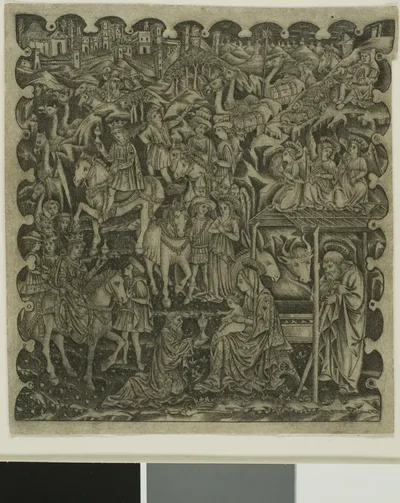
  • Adoration of the Magi by Unknown Artist, possibly Florentine, 1450–64, printed in the 18th century

    Adoration of the Magi

    Unknown Artist, possibly Florentine

    ΔE 4.7 · very close

    36% of canvas
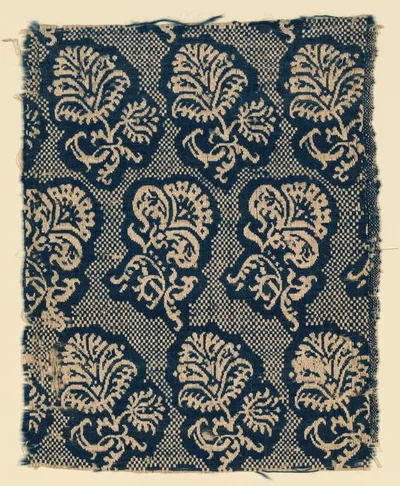
  • Fragment by Europe, 17th century

    Fragment

    Europe

    ΔE 3.9 · very close

    32% of canvas
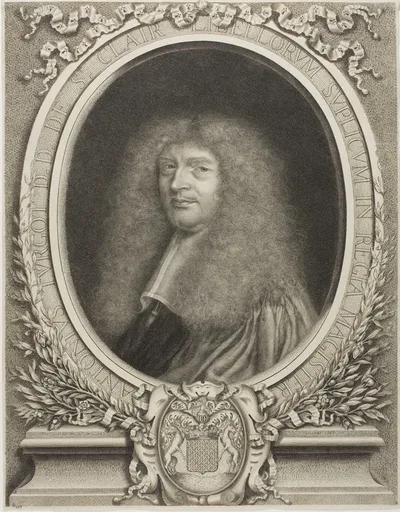
  • Antoine Turgot de Saint-Clair by Antoine Masson, 1668

    Antoine Turgot de Saint-Clair

    Antoine Masson

    ΔE 1.1 · near-exact

    18% of canvas
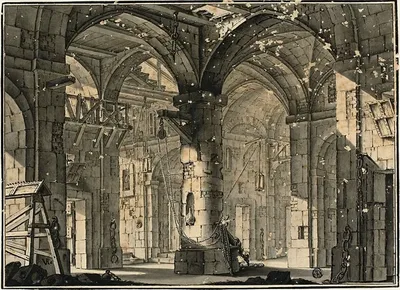
  • Prison Scene by Vincenzo dal Re, n.d.

    Prison Scene

    Vincenzo dal Re

    ΔE 3.0 · very close

    27% of canvas
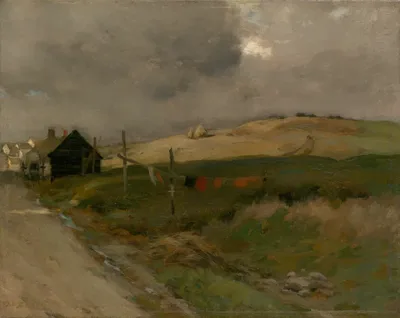
  • Landscape by Jean Charles Cazin, c. 1895

    Landscape

    Jean Charles Cazin

    ΔE 2.9 · very close

    26% of canvas
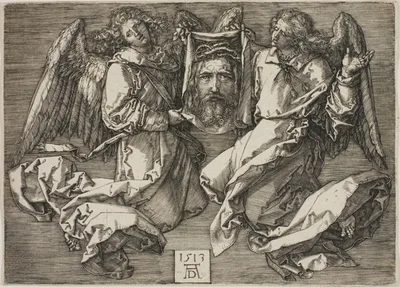
  • Sudarium Displayed by Two Angels by Albrecht Dürer, 1513

    Sudarium Displayed by Two Angels

    Albrecht Dürer

    ΔE 3.0 · very close

    26% of canvas
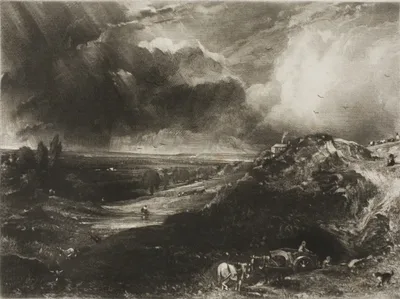
  • A Heath by David Lucas, 1831

    A Heath

    David Lucas

    ΔE 1.1 · near-exact

    17% of canvas
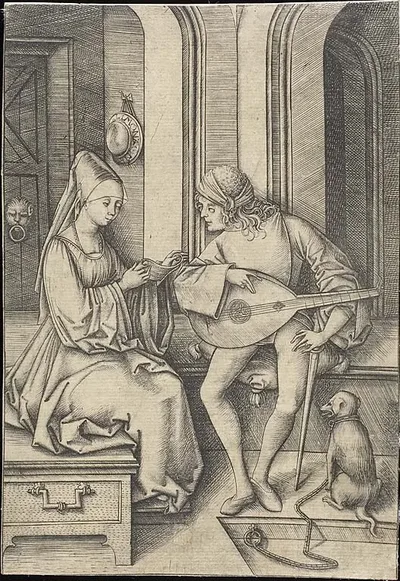
  • The Singer and the Lute Player by Israhel van Meckenem, the younger, c. 1495

    The Singer and the Lute Player

    Israhel van Meckenem, the younger

    ΔE 2.6 · very close

    24% of canvas
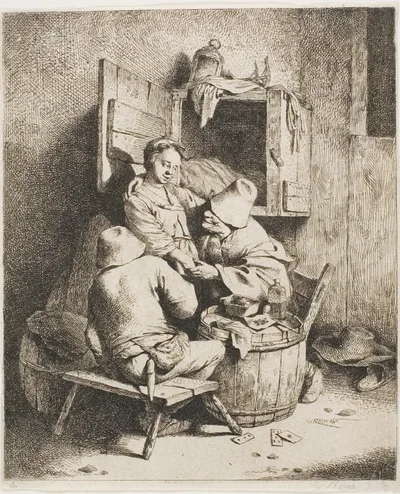
  • A Young Man Caressing the Young Hostess by Cornelis Pietersz. Bega, c. 1650

    A Young Man Caressing the Young Hostess

    Cornelis Pietersz. Bega

    ΔE 1.0 · near-exact

    16% of canvas
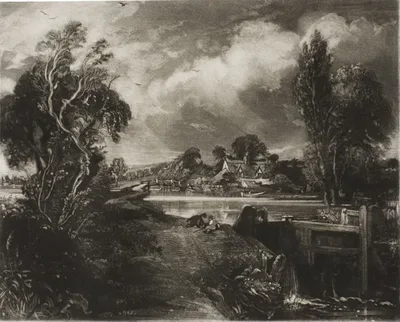
  • A Lock on the Stour, Suffolk by David Lucas, 1831

    A Lock on the Stour, Suffolk

    David Lucas

    ΔE 1.6 · near-exact

    18% of canvas
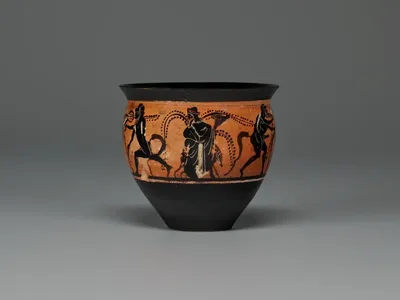
  • Mastoid (Drinking Cup) by Leafless Group, 500-480 BCE

    Mastoid (Drinking Cup)

    Leafless Group

    ΔE 9.6 · close

    58% of canvas
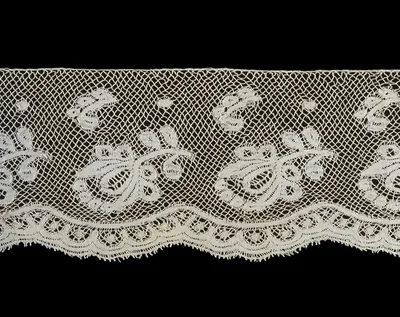
  • Seven Borders by Belgium, 1850/75

    Seven Borders

    Belgium

    ΔE 2.5 · very close

    22% of canvas
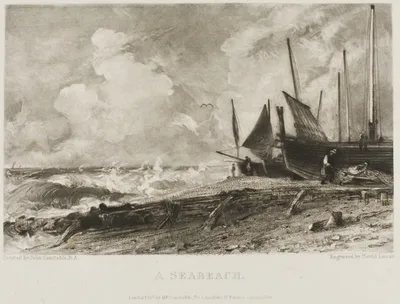
  • A Seabeach by David Lucas, 1830

    A Seabeach

    David Lucas

    ΔE 0.2 · near-exact

    10% of canvas
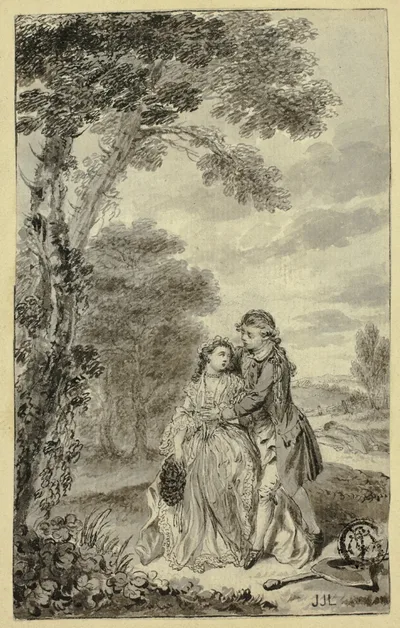
  • Illustration to Roderick Random, by Tobias Smollett by Francis Hayman, c. 1760

    Illustration to Roderick Random, by Tobias Smollett

    Francis Hayman

    ΔE 2.4 · very close

    21% of canvas
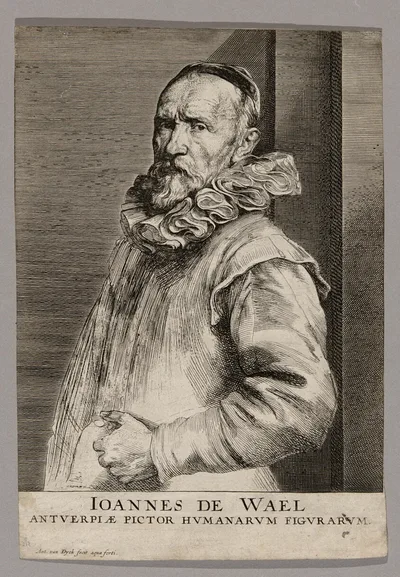
  • Jan de Wael by Anthony van Dyck, 1630/33

    Jan de Wael

    Anthony van Dyck

    ΔE 3.4 · very close

    26% of canvas
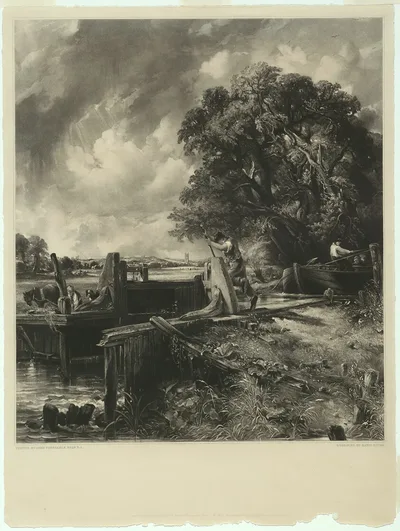
  • The Lock by David Lucas, 1832–34

    The Lock

    David Lucas

    ΔE 3.0 · very close

    24% of canvas
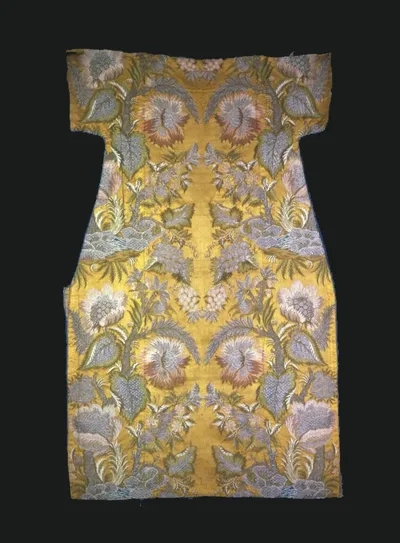
  • Panel by France, 1730s

    Panel

    France

    ΔE 0.3 · near-exact

    11% of canvas
  • River Stour, Suffolk by David Lucas, 1830, published 1831

    River Stour, Suffolk

    David Lucas

    ΔE 1.3 · near-exact

    15% of canvas
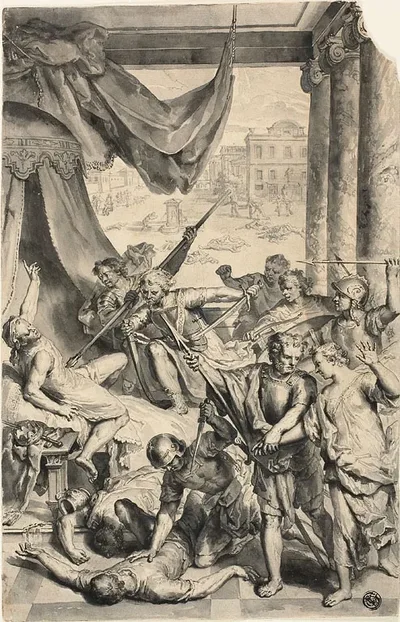
  • Study for Simeon and Levi Slay the Sichemites, from Figures de la Bible by Gerard Hoet, I, c. 1728

    Study for Simeon and Levi Slay the Sichemites, from Figures de la Bible

    Gerard Hoet, I

    ΔE 2.5 · very close

    20% of canvas
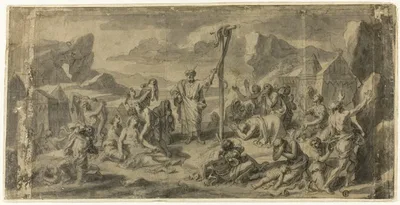
  • Moses and the Brazen Serpent by François Verdier, n.d.

    Moses and the Brazen Serpent

    François Verdier

    ΔE 4.1 · very close

    28% of canvas
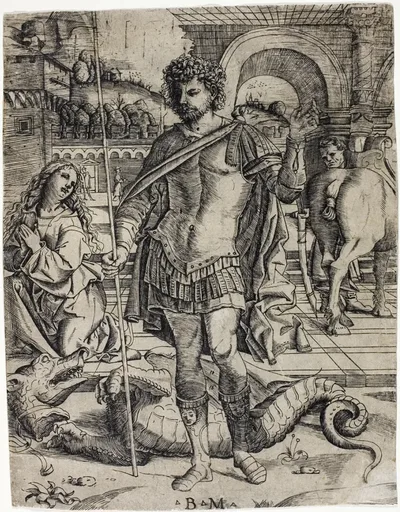
  • Saint George by Benedetto Montagna, 1506

    Saint George

    Benedetto Montagna

    ΔE 3.6 · very close

    26% of canvas
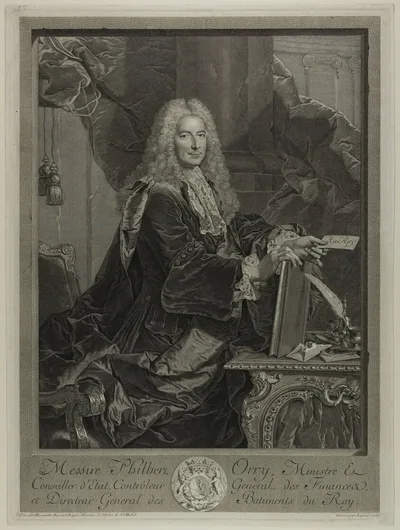
  • Portrait of Philibert Orrey by François Bernard Lépicié, 1737

    Portrait of Philibert Orrey

    François Bernard Lépicié

    ΔE 3.0 · very close

    23% of canvas
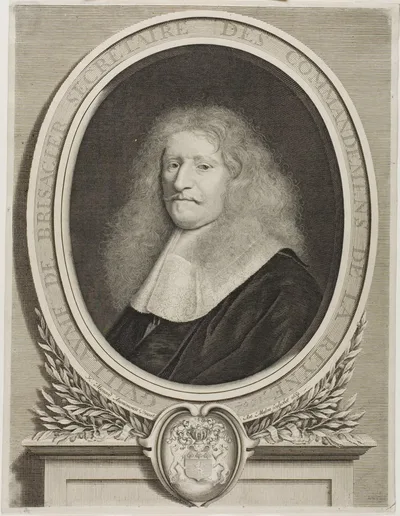
  • Guillaume de Brisacier by Antoine Masson, 1664

    Guillaume de Brisacier

    Antoine Masson

    ΔE 1.0 · near-exact

    12% of canvas
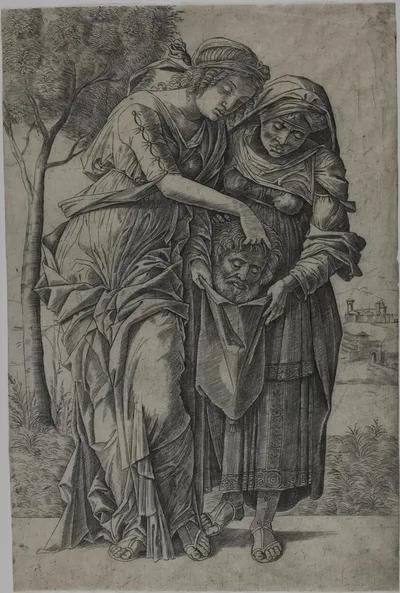
  • Judith with the Head of Holofernes by Girolamo Mocetto, n.d.

    Judith with the Head of Holofernes

    Girolamo Mocetto

    ΔE 3.6 · very close

    25% of canvas
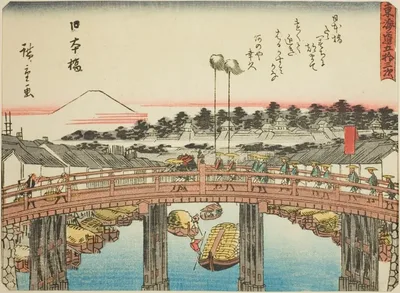
  • Nihonbashi, from the series "Fifty-three Stations of the Tokaido (Tokaido gojusan tsugi)," also known as the Tokaido with Poem (Kyoka iri Tokaido) by Utagawa Hiroshige, c. 1837/42

    Nihonbashi, from the series "Fifty-three Stations of the Tokaido (Tokaido gojusan tsugi)," also known as the Tokaido with Poem (Kyoka iri Tokaido)

    Utagawa Hiroshige

    ΔE 2.5 · very close

    18% of canvas
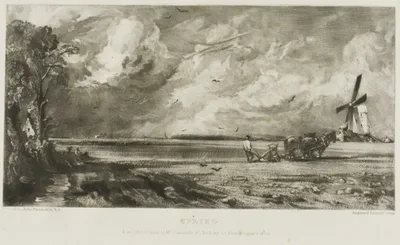
  • Spring by David Lucas, 1830

    Spring

    David Lucas

    ΔE 2.5 · very close

    19% of canvas
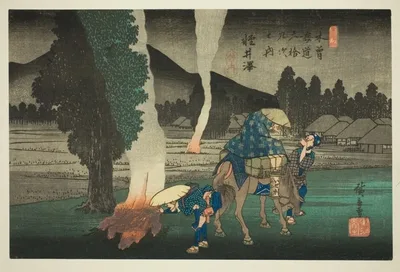
  • No. 19: Karuizawa, from the series "Sixty-nine Stations of the Kisokaido (Kisokaido rokujukyu tsugi no uchi)" by Utagawa Hiroshige, c. 1835/38

    No. 19: Karuizawa, from the series "Sixty-nine Stations of the Kisokaido (Kisokaido rokujukyu tsugi no uchi)"

    Utagawa Hiroshige

    ΔE 3.1 · very close

    21% of canvas
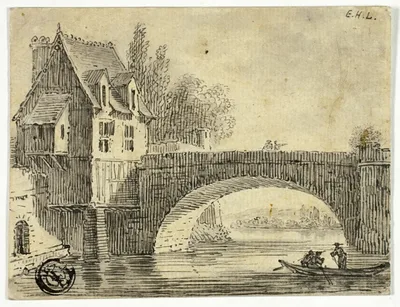
  • Bridge with House by Unknown artist, n.d.

    Bridge with House

    Unknown artist

    ΔE 3.3 · very close

    22% of canvas
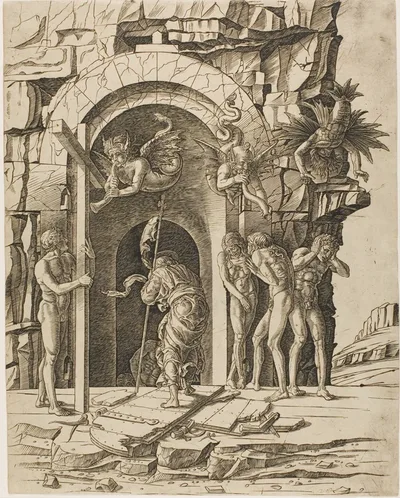
  • Descent into Limbo by Andrea Mantegna, 1475/80

    Descent into Limbo

    Andrea Mantegna

    ΔE 2.8 · very close

    19% of canvas
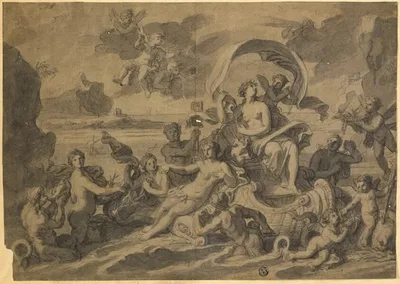
  • Triumph of Amphitrite by François Verdier, n.d.

    Triumph of Amphitrite

    François Verdier

    ΔE 4.3 · very close

    27% of canvas
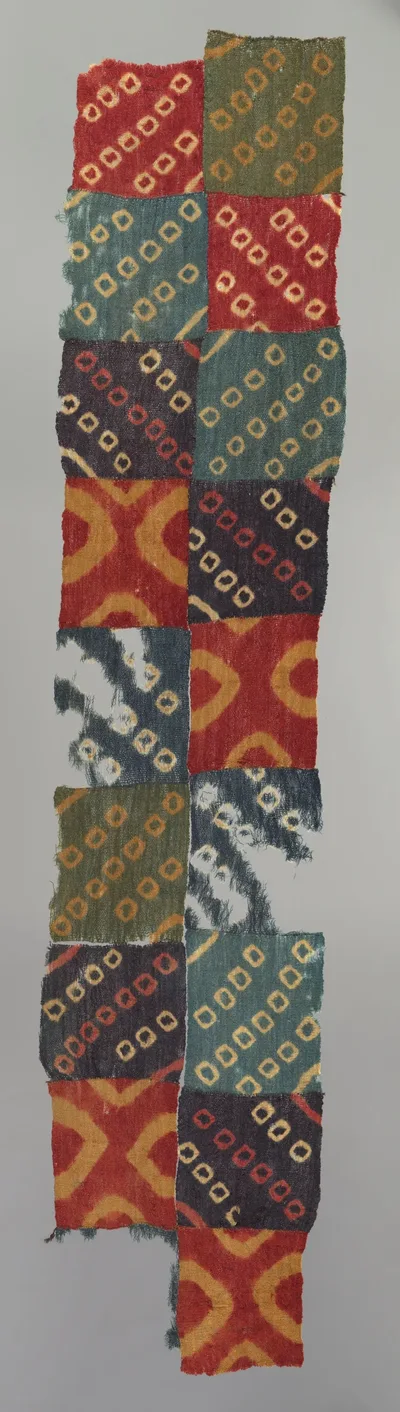
  • Fragment by Wari, About 600-800 CE

    Fragment

    Wari

    ΔE 3.8 · very close

    24% of canvas
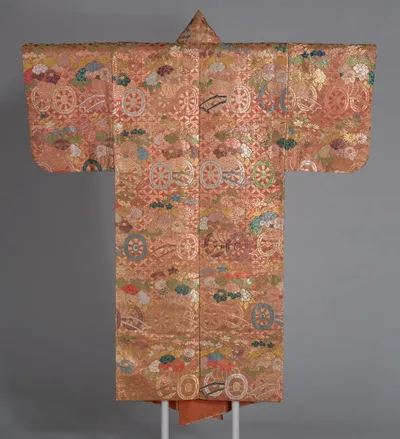
  • Atsuita karaori (Noh Costume) by Japan, late Edo period (1789–1868), 1801/25

    Atsuita karaori (Noh Costume)

    Japan

    ΔE 9.3 · close

    52% of canvas
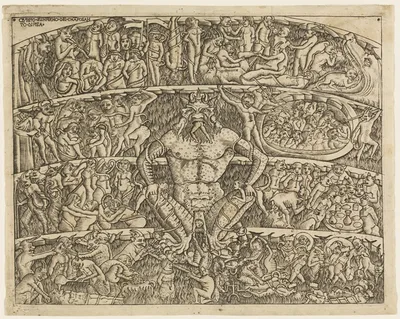
  • The Inferno According to Dante, from the Campo Santo Frescos in Pisa by Baccio Baldini, 1480/1500

    The Inferno According to Dante, from the Campo Santo Frescos in Pisa

    Baccio Baldini

    ΔE 3.7 · very close

    23% of canvas
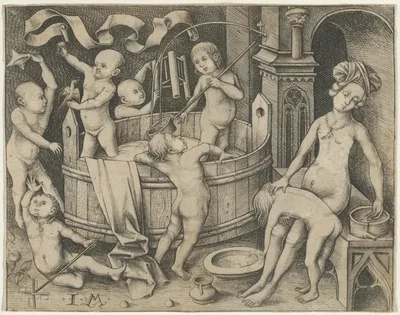
  • The Children's Bath by Israhel van Meckenem, the younger, 1480/90

    The Children's Bath

    Israhel van Meckenem, the younger

    ΔE 4.4 · very close

    27% of canvas
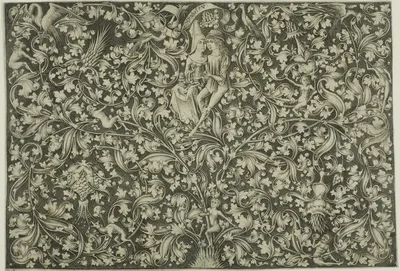
  • Ornamental Panel With Two Lovers by Israhel van Meckenem, the younger, 1480–90

    Ornamental Panel With Two Lovers

    Israhel van Meckenem, the younger

    ΔE 5.1 · close

    30% of canvas
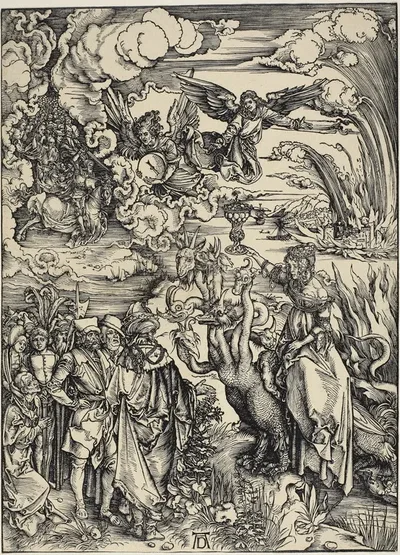
  • The Whore of Babylon, from The Apocalypse by Albrecht Dürer, 1496–98

    The Whore of Babylon, from The Apocalypse

    Albrecht Dürer

    ΔE 3.6 · very close

    23% of canvas
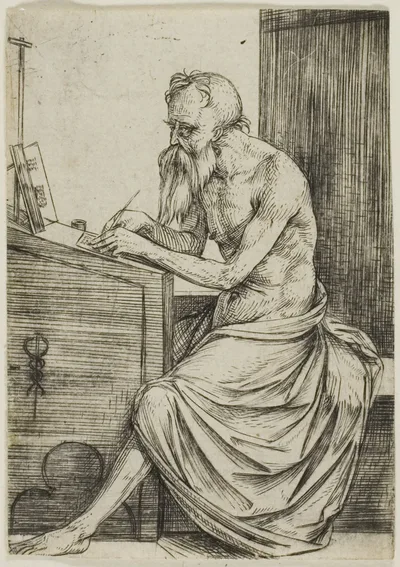
  • St. Jerome by Jacopo de' Barbari, 1501/04

    St. Jerome

    Jacopo de' Barbari

    ΔE 2.6 · very close

    18% of canvas
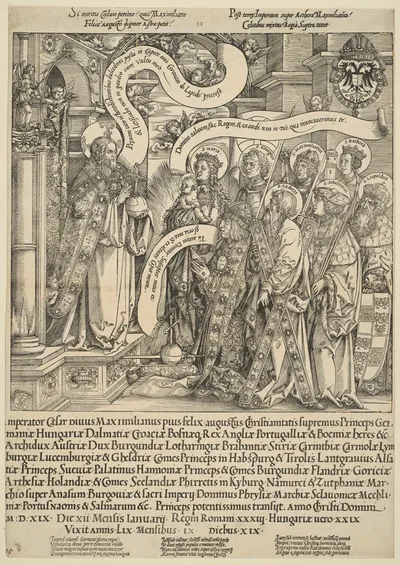
  • The Emperor Maximilian Presented to Christ by His Patron Saints by Hans Springinklee, 1519

    The Emperor Maximilian Presented to Christ by His Patron Saints

    Hans Springinklee

    ΔE 1.1 · near-exact

    10% of canvas
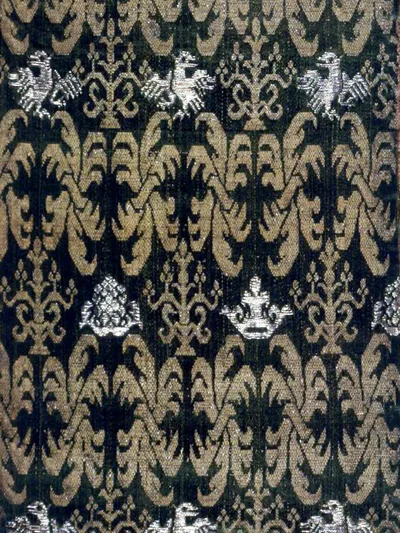
  • Panel by Spain, Late 16th century

    Panel

    Spain

    ΔE 4.3 · very close

    25% of canvas
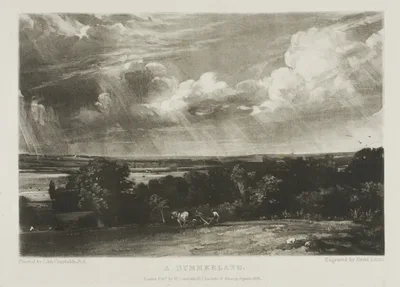
  • A Summerland by David Lucas, 1831

    A Summerland

    David Lucas

    ΔE 2.1 · very close

    15% of canvas
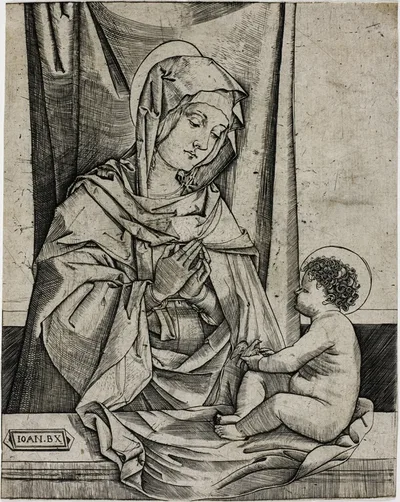
  • The Virgin and Child by Benedetto Montagna, c. 1502

    The Virgin and Child

    Benedetto Montagna

    ΔE 3.2 · very close

    20% of canvas
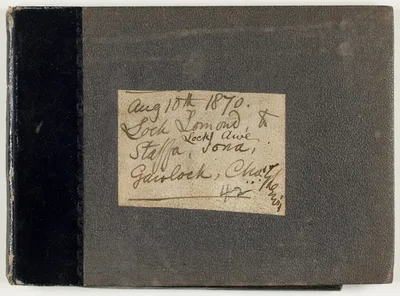
  • Loch Lomond by Charles George Lewis, 1870

    Loch Lomond

    Charles George Lewis

    ΔE 10.7 · close

    57% of canvas
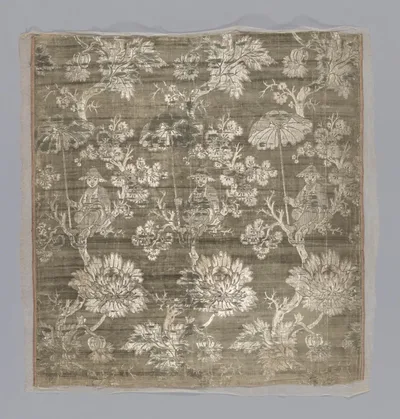
  • Panel (Dress Fabric) by China or France, Qing dynasty (1644–1911), Possibly mid–18th century

    Panel (Dress Fabric)

    China or France

    ΔE 2.7 · very close

    17% of canvas
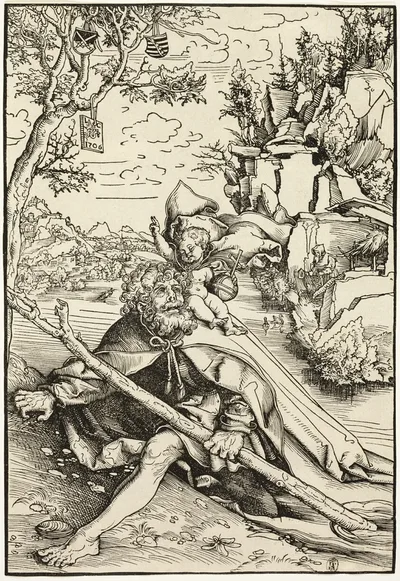
  • Saint Christopher by Lucas Cranach the Elder, 1506, published 1509

    Saint Christopher

    Lucas Cranach the Elder

    ΔE 2.2 · very close

    15% of canvas
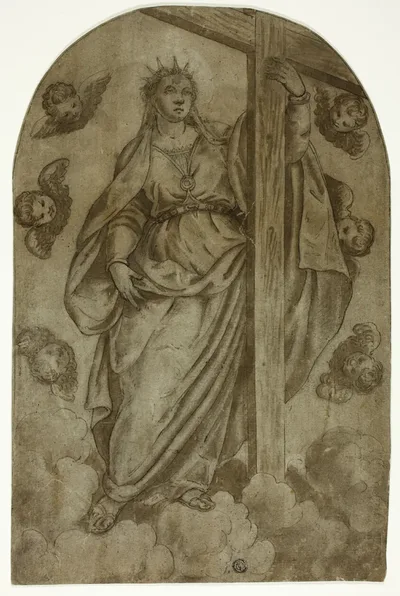
  • Saint Helena and the True Cross by Unknown Roman, 1580/90

    Saint Helena and the True Cross

    Unknown Roman

    ΔE 6.1 · close

    34% of canvas
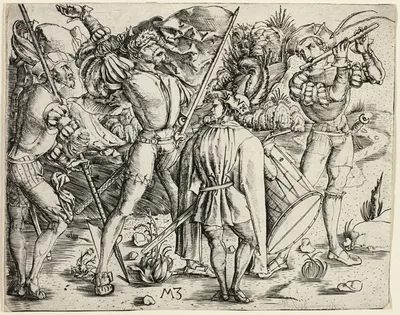
  • The Warriors by Master MZ, c. 1500

    The Warriors

    Master MZ

    ΔE 2.6 · very close

    17% of canvas
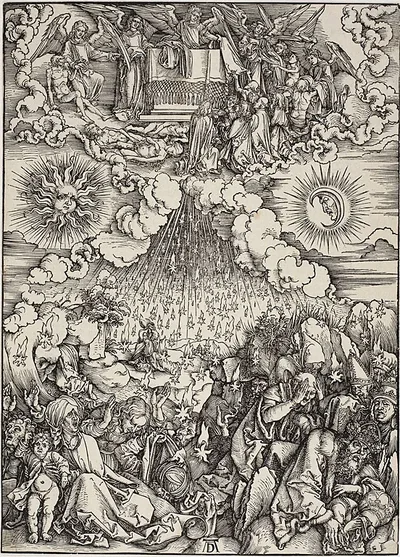
  • The Opening of the Fifth and Sixth Seals, from The Apocalypse by Albrecht Dürer, c. 1496–98

    The Opening of the Fifth and Sixth Seals, from The Apocalypse

    Albrecht Dürer

    ΔE 3.9 · very close

    23% of canvas
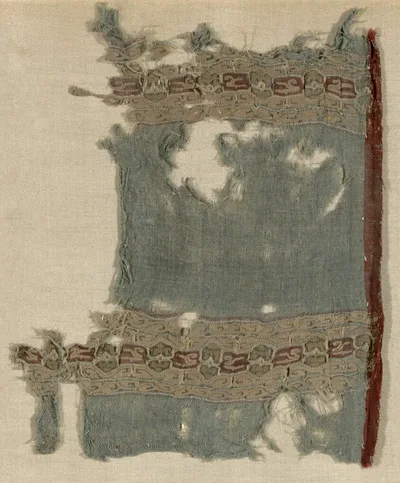
  • Fragment by Egypt, Fatimid period (969–1171)

    Fragment

    Egypt

    ΔE 5.4 · close

    30% of canvas
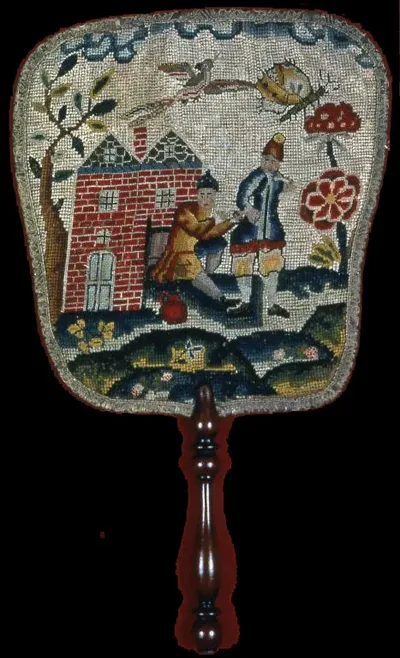
  • Fire Fans by France, 17th century

    Fire Fans

    France

    ΔE 2.9 · very close

    18% of canvas
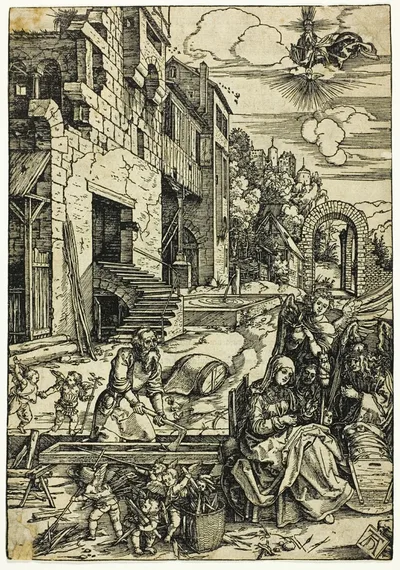
  • The Holy Family in Egypt, from The Life of the Virgin by Albrecht Dürer, c. 1502, published 1511

    The Holy Family in Egypt, from The Life of the Virgin

    Albrecht Dürer

    ΔE 4.6 · very close

    26% of canvas

What ΔE means, and what this does not measure