Skip to content
Chroma
#787264

Ranked by perceptual distance

Works near #787264

Ranked by CIEDE2000 distance to each work’s nearest palette entry, weighted by how much of the canvas that colour covers. Each result shows the real perceptual distance and that coverage, not the blended score that produced the order.

Pick a different colour

Drag the ring or use the arrow keys. Every result is ranked by how close it is in CIELAB, weighted by how much of the canvas the colour covers.

Closest first

60 of 1,497 works
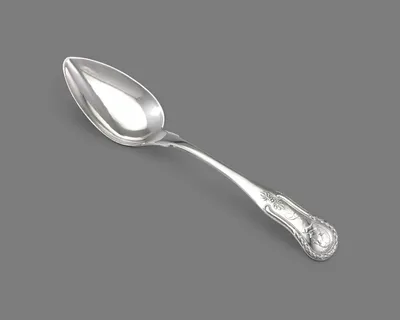
  • Spoon by Artist unknown, c. 1830

    Spoon

    Artist unknown

    ΔE 8.1 · close

    91% of canvas
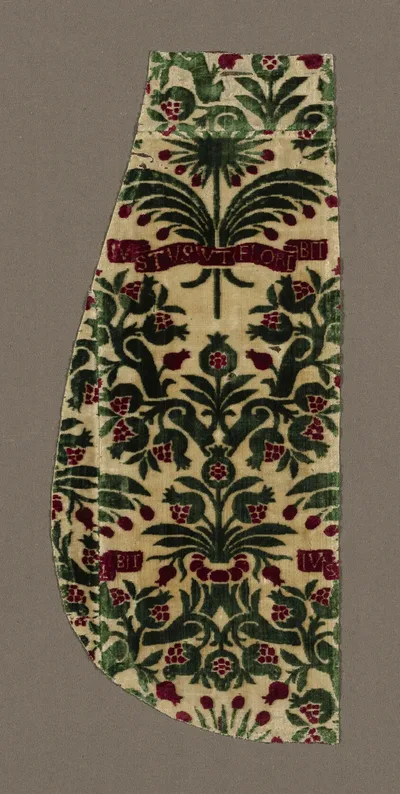
  • Portion of a Chasuble by Probably made for Piero Soderini (1452–1522), 1450-1500

    Portion of a Chasuble

    Probably made for Piero Soderini (1452–1522)

    ΔE 3.7 · very close

    49% of canvas
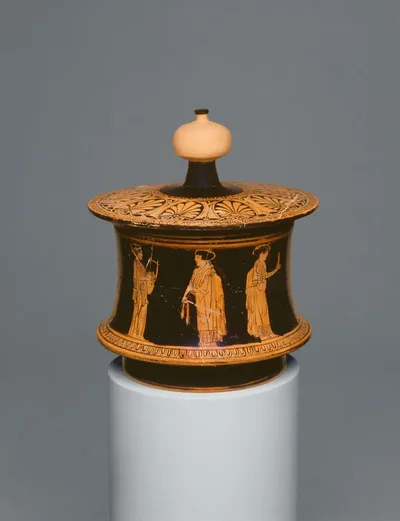
  • Pyxis (Container for Personal Objects) by Ancient Greek, 430-420 BCE

    Pyxis (Container for Personal Objects)

    Ancient Greek

    ΔE 9.8 · close

    70% of canvas
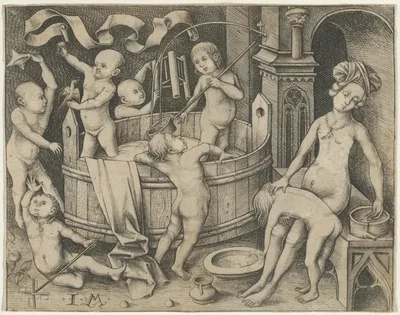
  • The Children's Bath by Israhel van Meckenem, the younger, 1480/90

    The Children's Bath

    Israhel van Meckenem, the younger

    ΔE 2.0 · near-exact

    27% of canvas
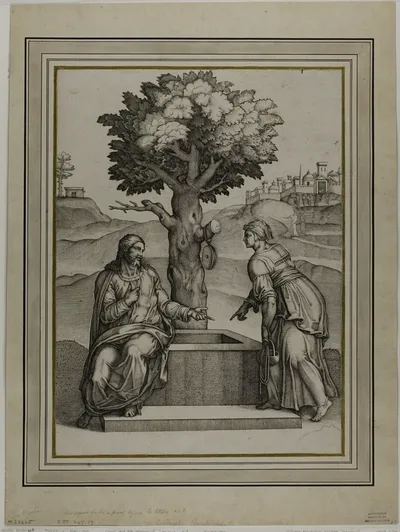
  • Christ and the Woman of Samaria by Nicolas Beatrizet, n.d.

    Christ and the Woman of Samaria

    Nicolas Beatrizet

    ΔE 1.6 · near-exact

    23% of canvas
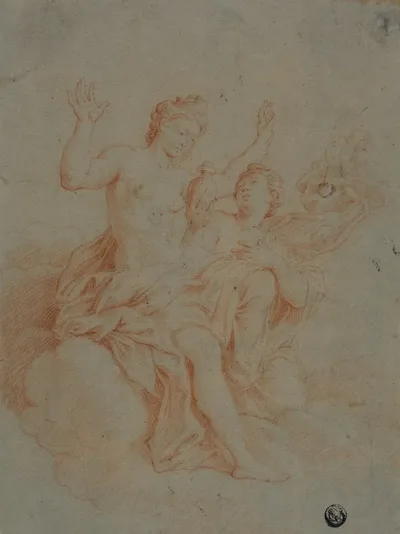
  • Psyche Presenting the Phial of Water to Venus by Raphael, 18th century

    Psyche Presenting the Phial of Water to Venus

    Raphael

    ΔE 5.0 · very close

    40% of canvas
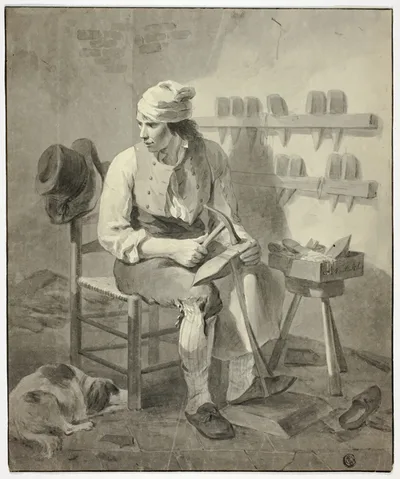
  • The Cobbler by A. Faslin[k], 19th century

    The Cobbler

    A. Faslin[k]

    ΔE 3.1 · very close

    30% of canvas
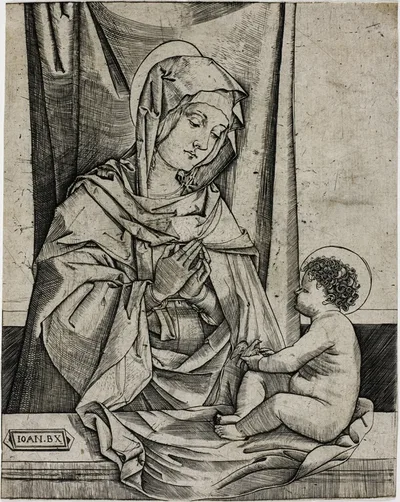
  • The Virgin and Child by Benedetto Montagna, c. 1502

    The Virgin and Child

    Benedetto Montagna

    ΔE 1.0 · near-exact

    20% of canvas
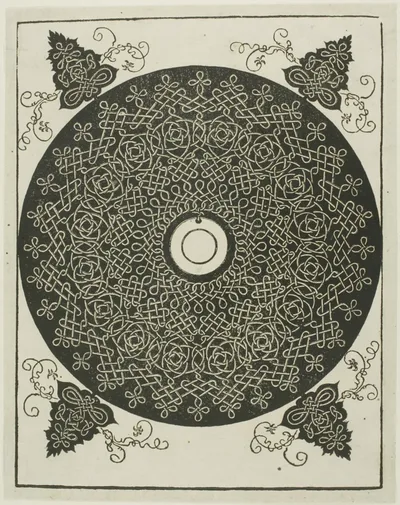
  • The Third Knot by Albrecht Dürer, c. 1507

    The Third Knot

    Albrecht Dürer

    ΔE 4.8 · very close

    38% of canvas
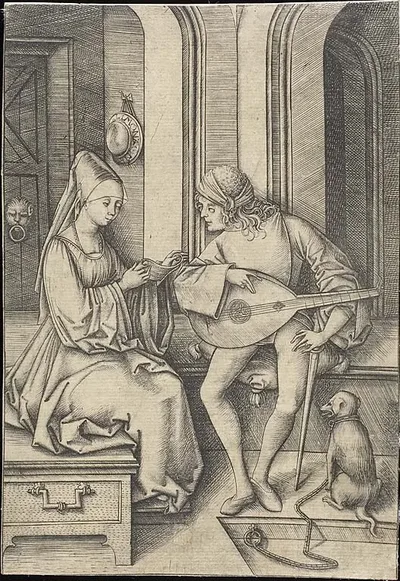
  • The Singer and the Lute Player by Israhel van Meckenem, the younger, c. 1495

    The Singer and the Lute Player

    Israhel van Meckenem, the younger

    ΔE 2.1 · very close

    24% of canvas
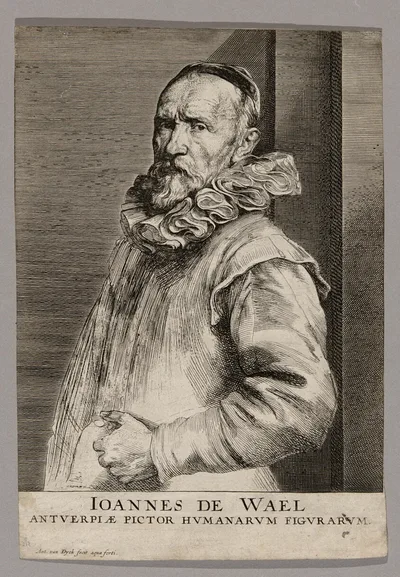
  • Jan de Wael by Anthony van Dyck, 1630/33

    Jan de Wael

    Anthony van Dyck

    ΔE 2.7 · very close

    26% of canvas
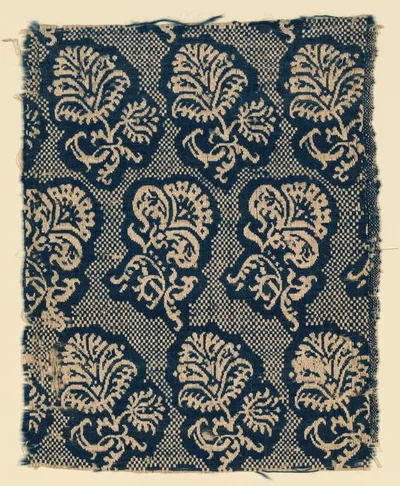
  • Fragment by Europe, 17th century

    Fragment

    Europe

    ΔE 3.8 · very close

    32% of canvas
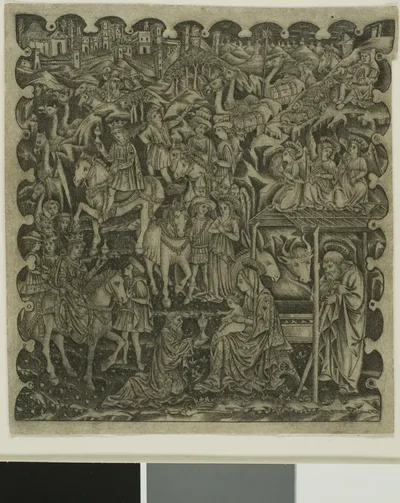
  • Adoration of the Magi by Unknown Artist, possibly Florentine, 1450–64, printed in the 18th century

    Adoration of the Magi

    Unknown Artist, possibly Florentine

    ΔE 4.9 · very close

    36% of canvas
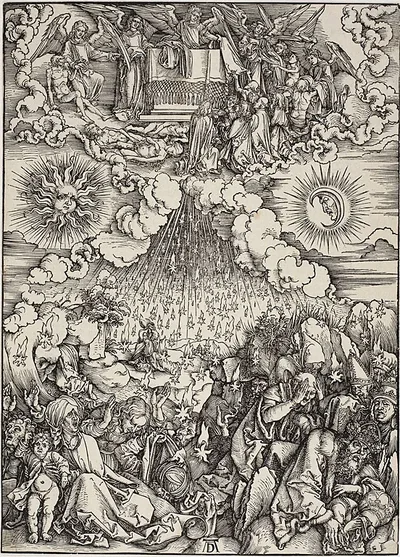
  • The Opening of the Fifth and Sixth Seals, from The Apocalypse by Albrecht Dürer, c. 1496–98

    The Opening of the Fifth and Sixth Seals, from The Apocalypse

    Albrecht Dürer

    ΔE 2.3 · very close

    23% of canvas
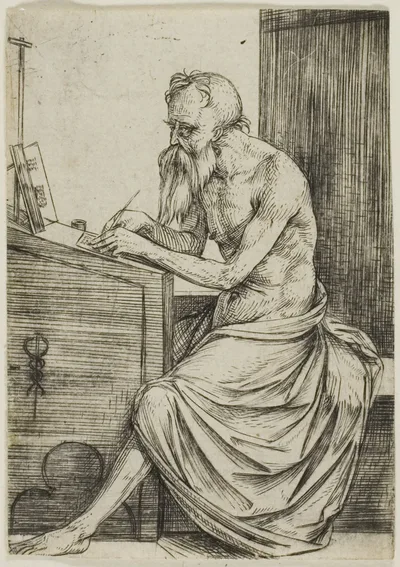
  • St. Jerome by Jacopo de' Barbari, 1501/04

    St. Jerome

    Jacopo de' Barbari

    ΔE 1.4 · near-exact

    18% of canvas
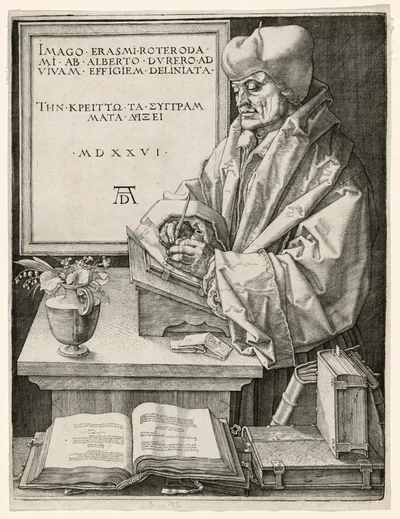
  • Erasmus of Rotterdam by Albrecht Dürer, 1526

    Erasmus of Rotterdam

    Albrecht Dürer

    ΔE 2.1 · very close

    20% of canvas
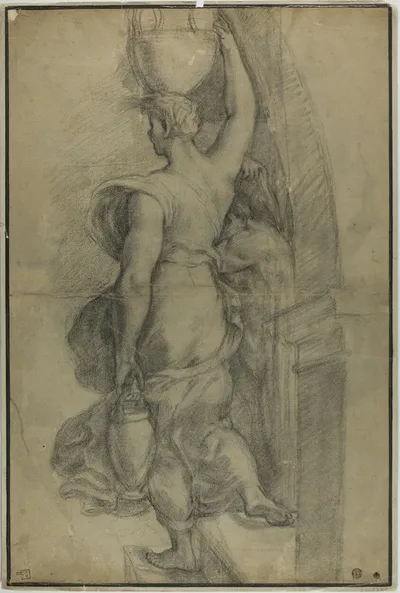
  • Woman Carrying Water Jar by Raphael, 17th century

    Woman Carrying Water Jar

    Raphael

    ΔE 5.2 · close

    35% of canvas
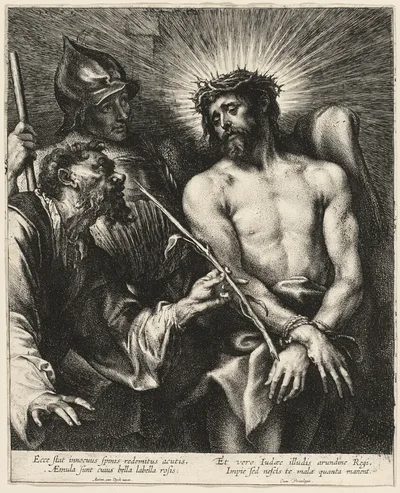
  • The Reed Offered to Christ by Anthony van Dyck, 1630/40

    The Reed Offered to Christ

    Anthony van Dyck

    ΔE 1.6 · near-exact

    17% of canvas
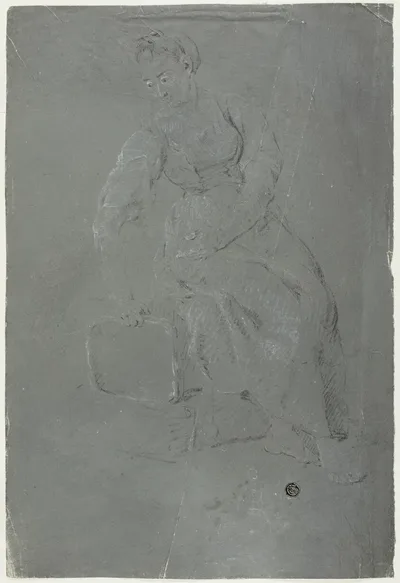
  • Seated Woman by Pierre-Jacques Volaire, n.d.

    Seated Woman

    Pierre-Jacques Volaire

    ΔE 7.3 · close

    46% of canvas
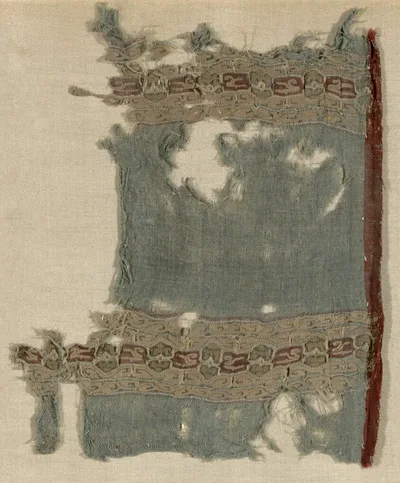
  • Fragment by Egypt, Fatimid period (969–1171)

    Fragment

    Egypt

    ΔE 4.3 · very close

    30% of canvas
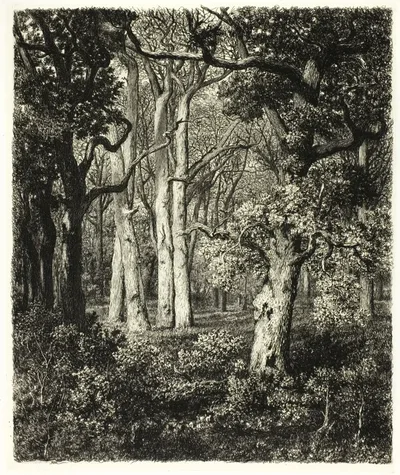
  • Old Oaks at Bas Bréau by Adolphe Martial Potémont, c. 1865

    Old Oaks at Bas Bréau

    Adolphe Martial Potémont

    ΔE 2.9 · very close

    23% of canvas
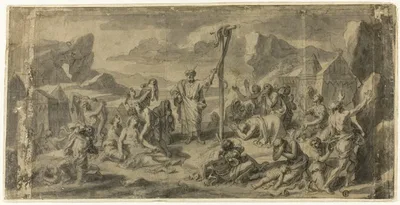
  • Moses and the Brazen Serpent by François Verdier, n.d.

    Moses and the Brazen Serpent

    François Verdier

    ΔE 3.9 · very close

    28% of canvas
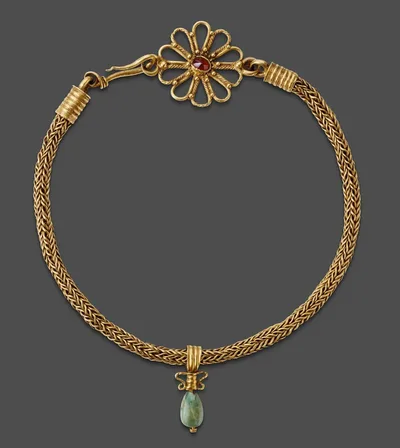
  • Necklace with Pendant by Ancient Roman, 2nd-3rd century

    Necklace with Pendant

    Ancient Roman

    ΔE 15.5 · loosely related

    86% of canvas
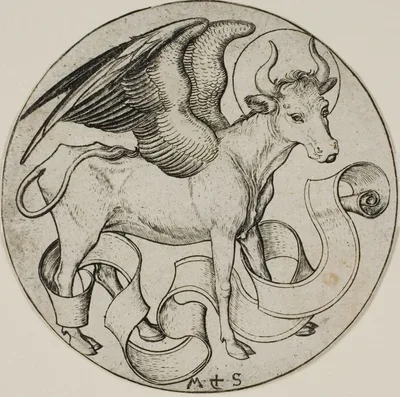
  • The Ox of St. Luke by Martin Schongauer, n.d.

    The Ox of St. Luke

    Martin Schongauer

    ΔE 0.6 · near-exact

    11% of canvas
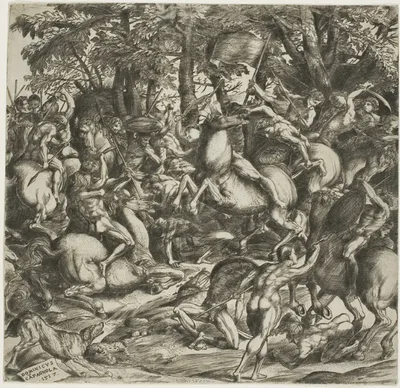
  • Battle of the Naked Men by Domenico Campagnola, 1517

    Battle of the Naked Men

    Domenico Campagnola

    ΔE 3.8 · very close

    27% of canvas
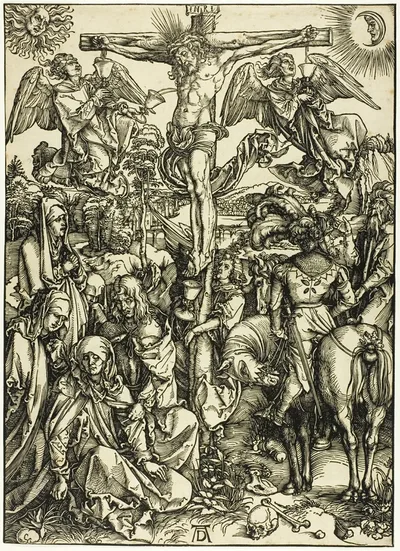
  • The Crucifixion, from The Large Passion by Albrecht Dürer, 1498, published 1511

    The Crucifixion, from The Large Passion

    Albrecht Dürer

    ΔE 4.3 · very close

    30% of canvas
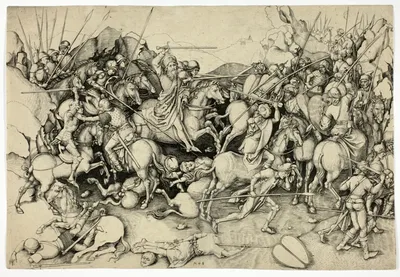
  • The Battle of St. James The Greater at Clavijo by School of Martin Schongauer, n.d.

    The Battle of St. James The Greater at Clavijo

    School of Martin Schongauer

    ΔE 2.6 · very close

    21% of canvas
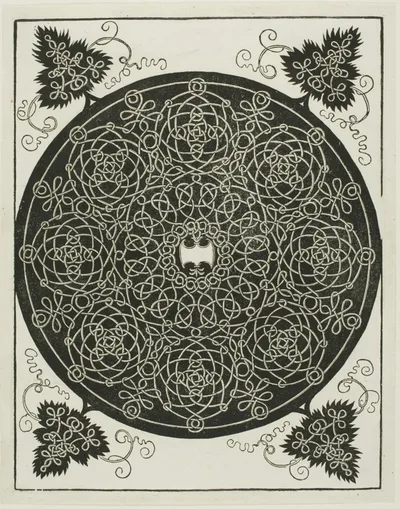
  • The Fifth Knot by Albrecht Dürer, c. 1507

    The Fifth Knot

    Albrecht Dürer

    ΔE 3.3 · very close

    24% of canvas
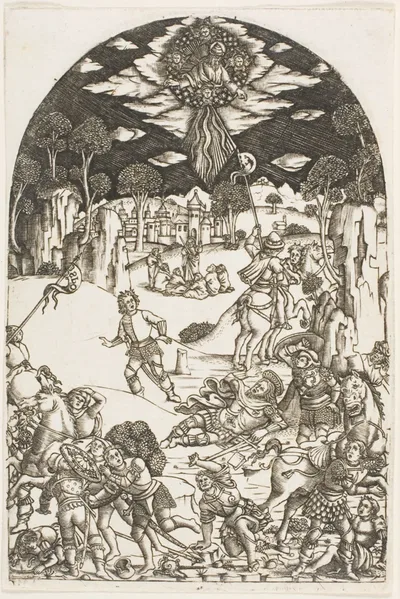
  • The Conversion of Saint Paul by Unknown artist, n.d.

    The Conversion of Saint Paul

    Unknown artist

    ΔE 2.1 · very close

    18% of canvas
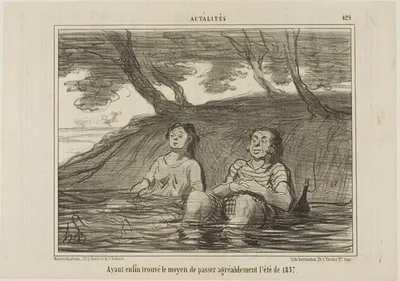
  • Having finally found the solution to spend the summer of 1857 in a pleasant way, plate 429 from Actualités by Honoré-Victorin Daumier, 1857

    Having finally found the solution to spend the summer of 1857 in a pleasant way, plate 429 from Actualités

    Honoré-Victorin Daumier

    ΔE 2.5 · very close

    20% of canvas
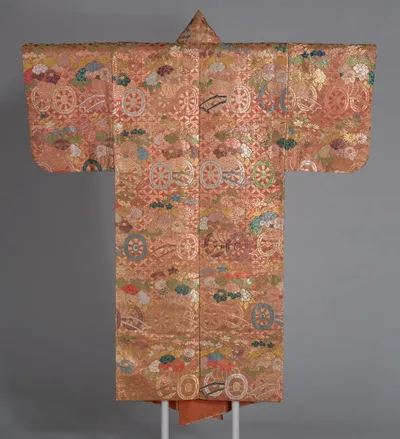
  • Atsuita karaori (Noh Costume) by Japan, late Edo period (1789–1868), 1801/25

    Atsuita karaori (Noh Costume)

    Japan

    ΔE 8.8 · close

    52% of canvas
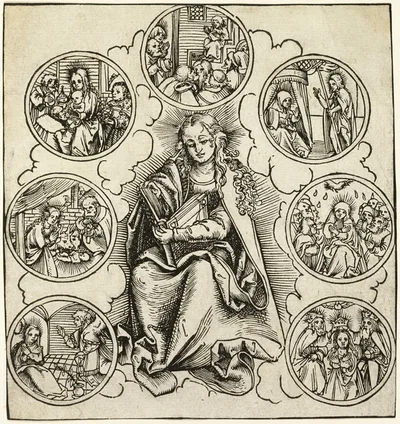
  • The Seven Joys of Mary by Lucas Cranach the Elder, 1510/1515

    The Seven Joys of Mary

    Lucas Cranach the Elder

    ΔE 1.4 · near-exact

    14% of canvas
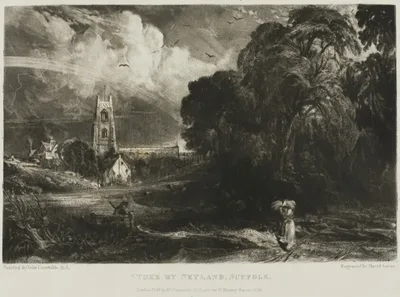
  • Stoke by Neyland, Suffolk by David Lucas, 1831

    Stoke by Neyland, Suffolk

    David Lucas

    ΔE 1.7 · near-exact

    16% of canvas
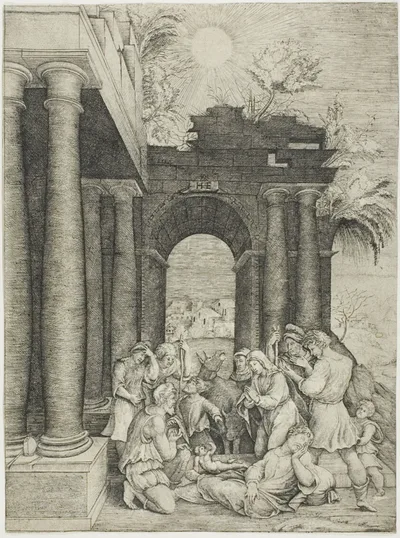
  • The Adoration of the Shepherds by Master H.E., c. 1520

    The Adoration of the Shepherds

    Master H.E.

    ΔE 1.5 · near-exact

    15% of canvas
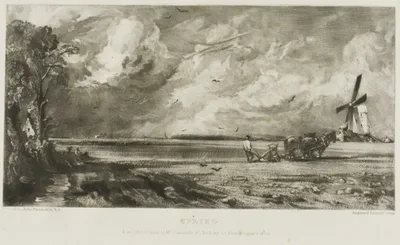
  • Spring by David Lucas, 1830

    Spring

    David Lucas

    ΔE 2.3 · very close

    19% of canvas
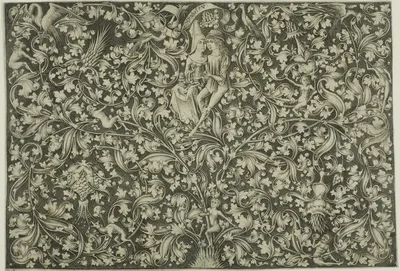
  • Ornamental Panel With Two Lovers by Israhel van Meckenem, the younger, 1480–90

    Ornamental Panel With Two Lovers

    Israhel van Meckenem, the younger

    ΔE 4.6 · very close

    30% of canvas
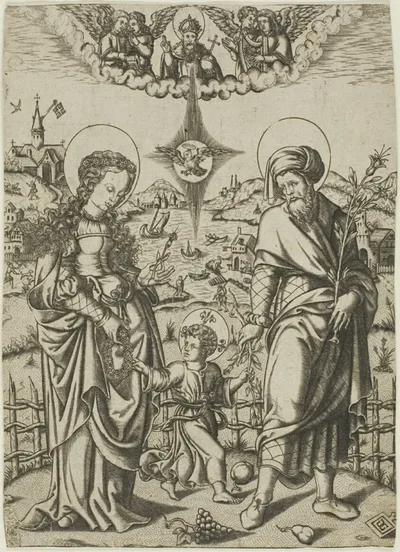
  • Holy Family by Unknown artist, c. 1510

    Holy Family

    Unknown artist

    ΔE 2.3 · very close

    18% of canvas
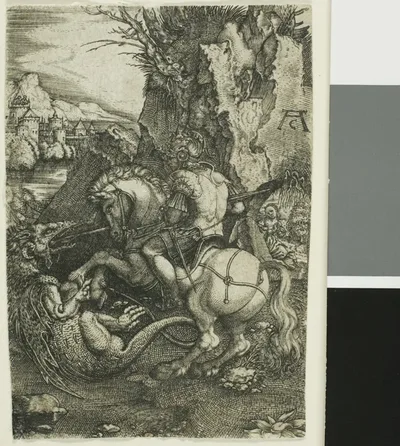
  • St. George on Horseback, Killing the Dragon by Master Allaert Claesz, n.d.

    St. George on Horseback, Killing the Dragon

    Master Allaert Claesz

    ΔE 4.8 · very close

    31% of canvas
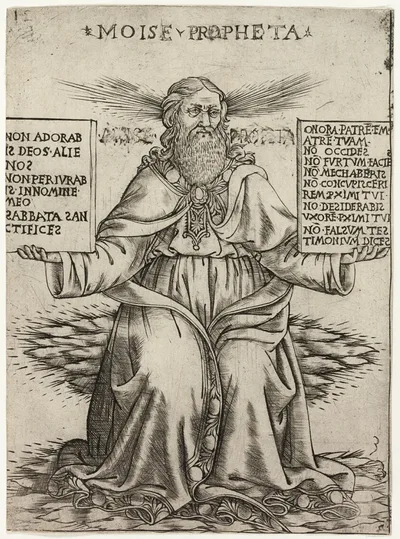
  • The Prophet Moses by Baccio Baldini, c. 1470

    The Prophet Moses

    Baccio Baldini

    ΔE 2.5 · very close

    19% of canvas
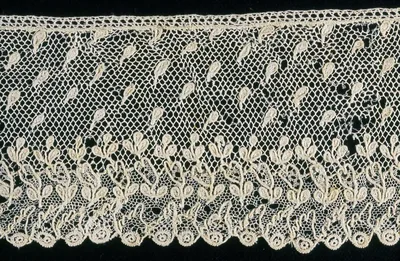
  • Border by France, 1775/1825

    Border

    France

    ΔE 4.9 · very close

    31% of canvas
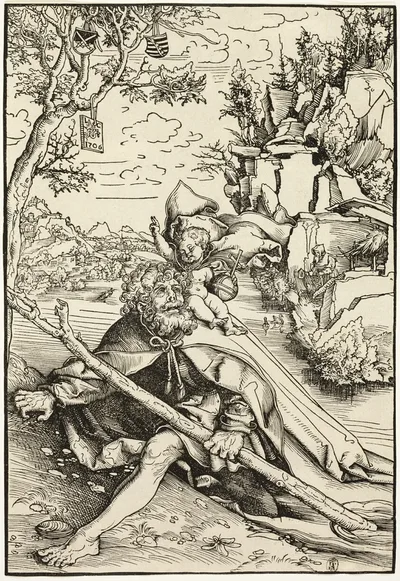
  • Saint Christopher by Lucas Cranach the Elder, 1506, published 1509

    Saint Christopher

    Lucas Cranach the Elder

    ΔE 1.7 · near-exact

    15% of canvas
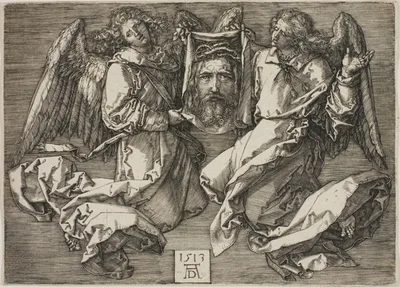
  • Sudarium Displayed by Two Angels by Albrecht Dürer, 1513

    Sudarium Displayed by Two Angels

    Albrecht Dürer

    ΔE 4.2 · very close

    27% of canvas
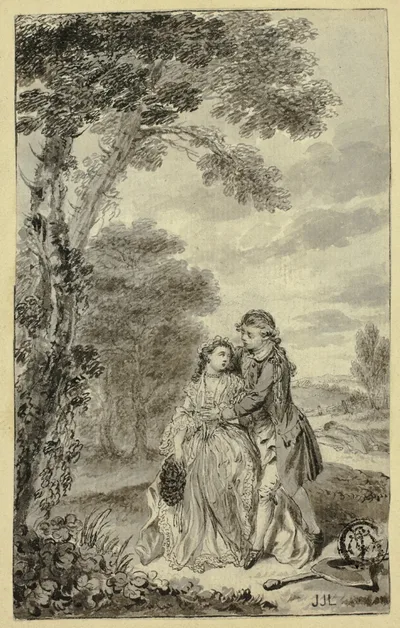
  • Illustration to Roderick Random, by Tobias Smollett by Francis Hayman, c. 1760

    Illustration to Roderick Random, by Tobias Smollett

    Francis Hayman

    ΔE 3.1 · very close

    21% of canvas
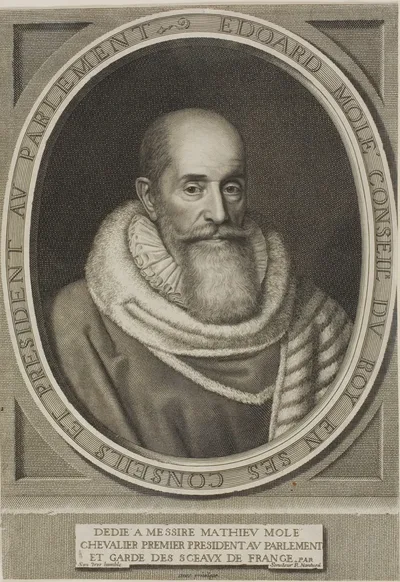
  • Portrait of Edouard Molé by Robert Nanteuil, 1653

    Portrait of Edouard Molé

    Robert Nanteuil

    ΔE 2.6 · very close

    19% of canvas
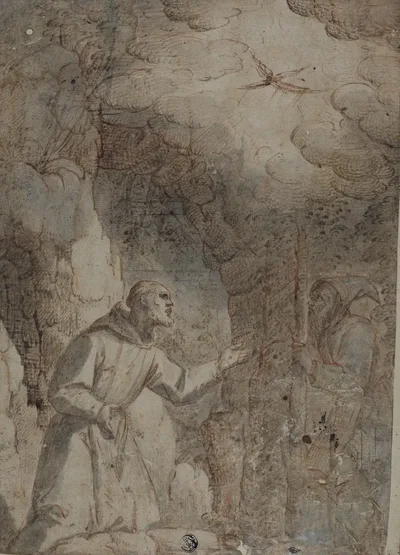
  • Stigmatization of Saint Francis of Assisi by probably Italian, n.d.

    Stigmatization of Saint Francis of Assisi

    probably Italian

    ΔE 4.2 · very close

    26% of canvas
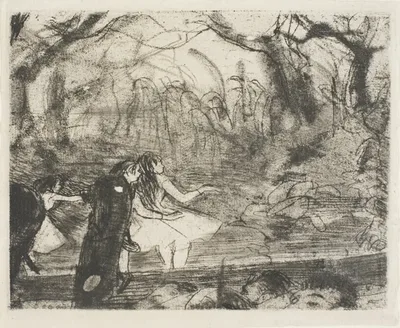
  • On Stage III by Hilaire Germain Edgar Degas, 1876–77

    On Stage III

    Hilaire Germain Edgar Degas

    ΔE 3.1 · very close

    21% of canvas
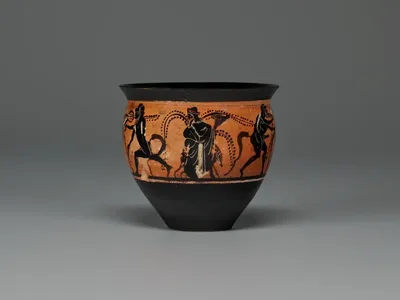
  • Mastoid (Drinking Cup) by Leafless Group, 500-480 BCE

    Mastoid (Drinking Cup)

    Leafless Group

    ΔE 10.5 · close

    58% of canvas
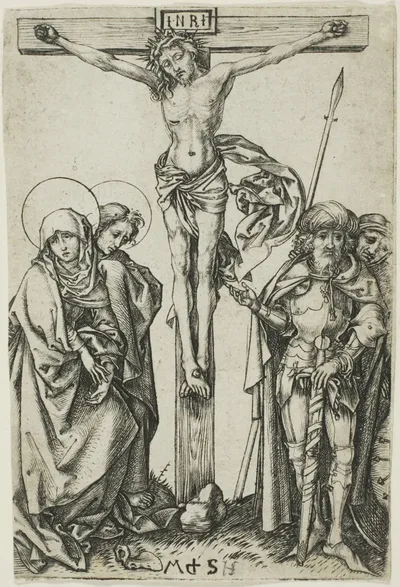
  • The Crucifixion by Martin Schongauer, n.d.

    The Crucifixion

    Martin Schongauer

    ΔE 2.4 · very close

    17% of canvas
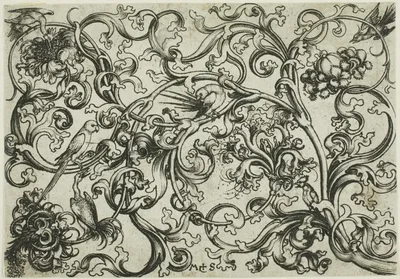
  • Vine Ornament with Parrots and Birds by Martin Schongauer, before 1474

    Vine Ornament with Parrots and Birds

    Martin Schongauer

    ΔE 2.5 · very close

    18% of canvas
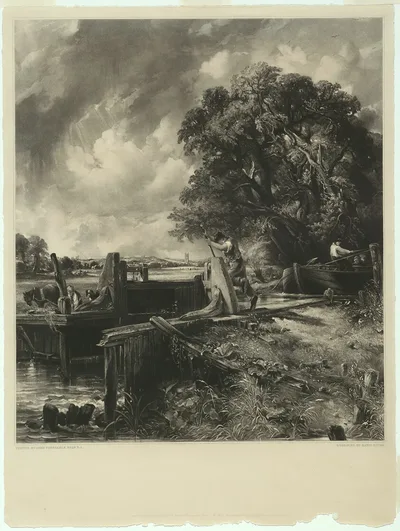
  • The Lock by David Lucas, 1832–34

    The Lock

    David Lucas

    ΔE 3.9 · very close

    24% of canvas
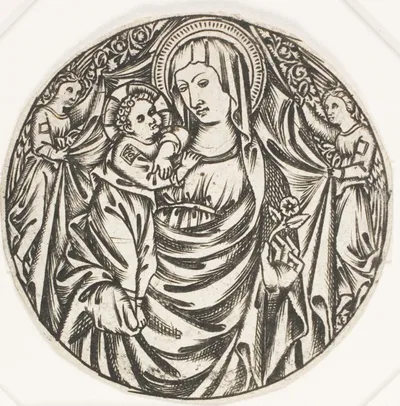
  • Virgin and Child by Unknown artist, c. 1480

    Virgin and Child

    Unknown artist

    ΔE 2.7 · very close

    18% of canvas
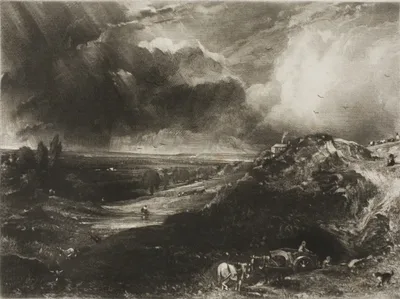
  • A Heath by David Lucas, 1831

    A Heath

    David Lucas

    ΔE 2.4 · very close

    17% of canvas
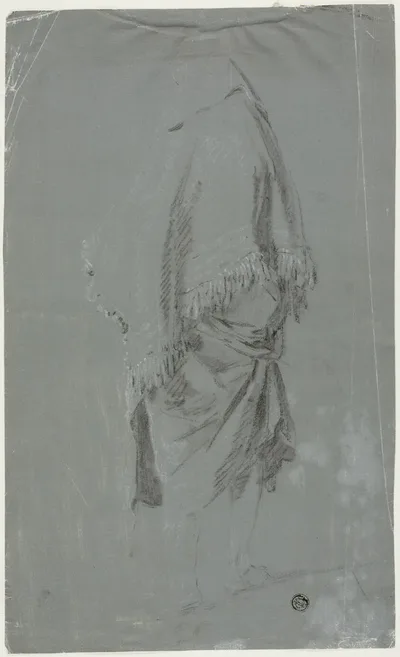
  • Shawled Woman Seen from the Back by Pierre-Jacques Volaire, n.d.

    Shawled Woman Seen from the Back

    Pierre-Jacques Volaire

    ΔE 11.7 · close

    63% of canvas
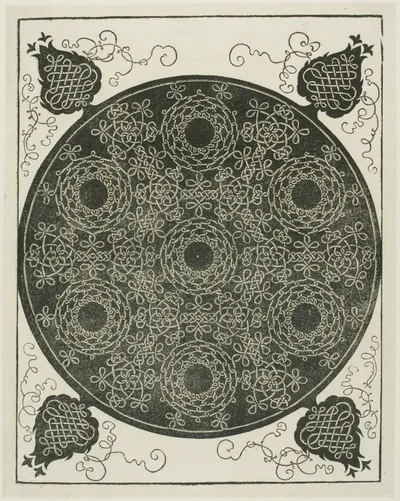
  • The Fourth Knot by Albrecht Dürer, c. 1507

    The Fourth Knot

    Albrecht Dürer

    ΔE 4.0 · very close

    24% of canvas
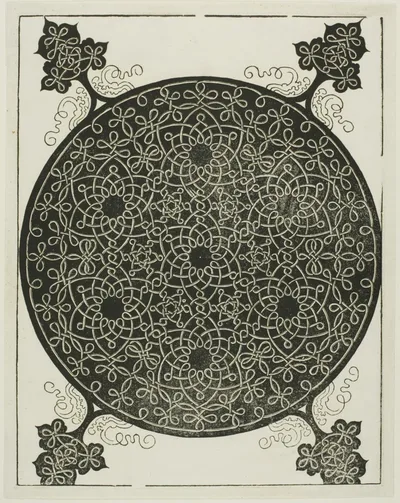
  • The Sixth Knot by Albrecht Dürer, c. 1507

    The Sixth Knot

    Albrecht Dürer

    ΔE 3.4 · very close

    22% of canvas
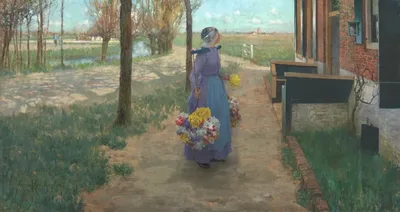
  • Flower Girl in Holland by George Hitchcock, 1887

    Flower Girl in Holland

    George Hitchcock

    ΔE 4.4 · very close

    26% of canvas
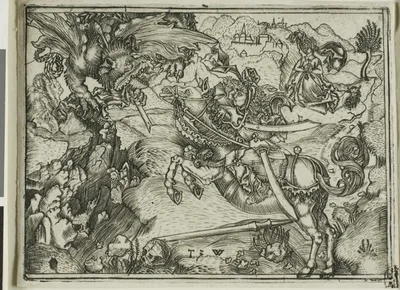
  • St. George Killing The Dragon by Telman of Wesel, 1499–1510

    St. George Killing The Dragon

    Telman of Wesel

    ΔE 3.4 · very close

    21% of canvas
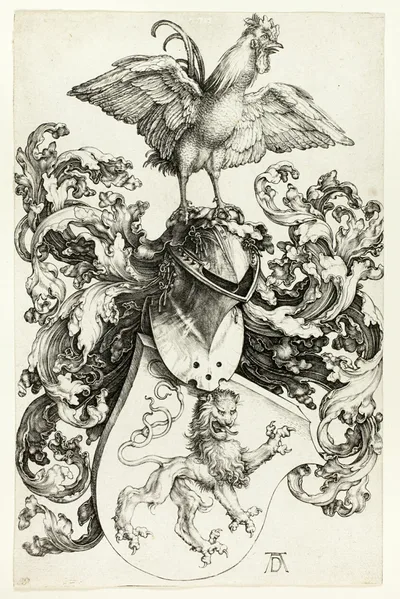
  • Coat of Arms with Lion and Rooster by Albrecht Dürer, c. 1503

    Coat of Arms with Lion and Rooster

    Albrecht Dürer

    ΔE 1.8 · near-exact

    13% of canvas
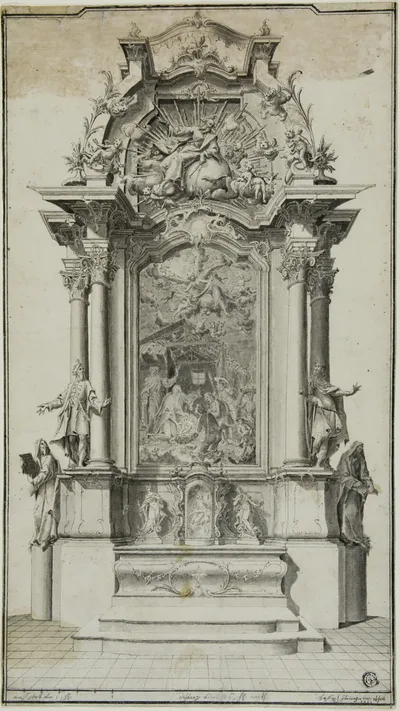
  • Study for an Altar Containing a Painting of the Adoration of the Shepherds by Carl Joseph Haringer, 1767

    Study for an Altar Containing a Painting of the Adoration of the Shepherds

    Carl Joseph Haringer

    ΔE 2.2 · very close

    15% of canvas
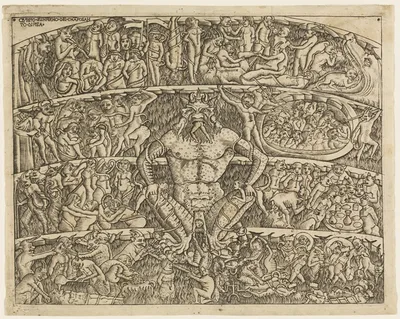
  • The Inferno According to Dante, from the Campo Santo Frescos in Pisa by Baccio Baldini, 1480/1500

    The Inferno According to Dante, from the Campo Santo Frescos in Pisa

    Baccio Baldini

    ΔE 3.9 · very close

    23% of canvas

What ΔE means, and what this does not measure