Skip to content
Chroma
#794133

Ranked by perceptual distance

Works near #794133

Ranked by CIEDE2000 distance to each work’s nearest palette entry, weighted by how much of the canvas that colour covers. Each result shows the real perceptual distance and that coverage, not the blended score that produced the order.

Pick a different colour

Drag the ring or use the arrow keys. Every result is ranked by how close it is in CIELAB, weighted by how much of the canvas the colour covers.

Closest first

60 of 1,497 works
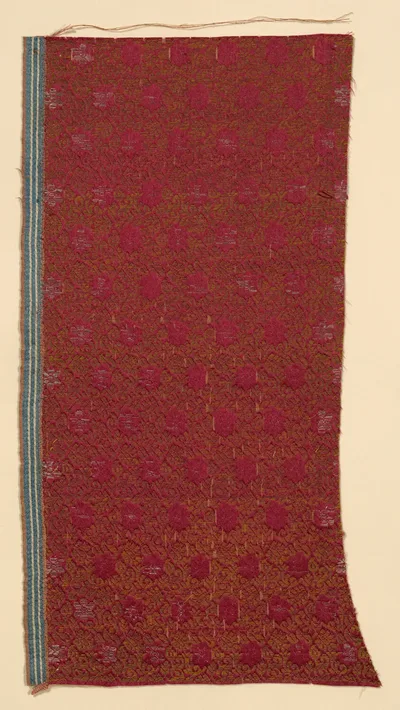
  • Fragment by Spain, 17th century

    Fragment

    Spain

    ΔE 6.0 · close

    68% of canvas
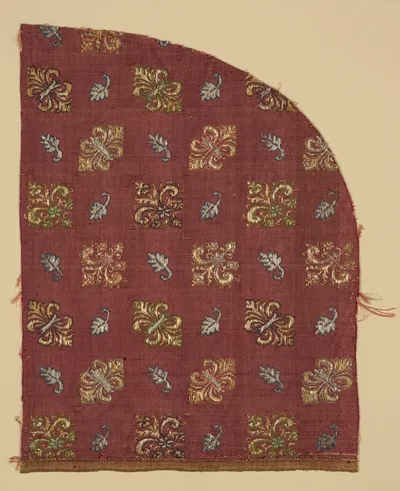
  • Fragment by Italy, Mid–17th century

    Fragment

    Italy

    ΔE 3.8 · very close

    45% of canvas
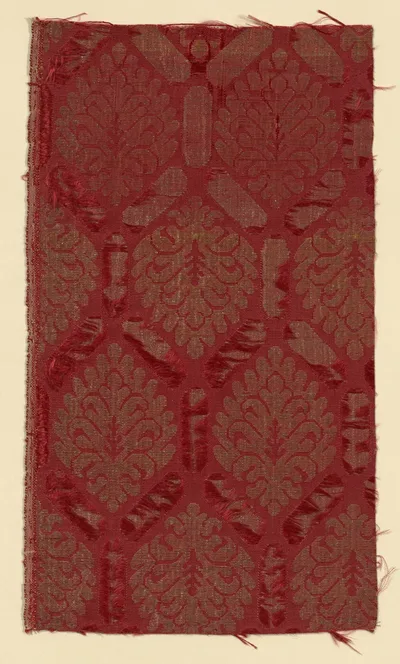
  • Fragment by Italy, 1625/75

    Fragment

    Italy

    ΔE 0.5 · near-exact

    24% of canvas
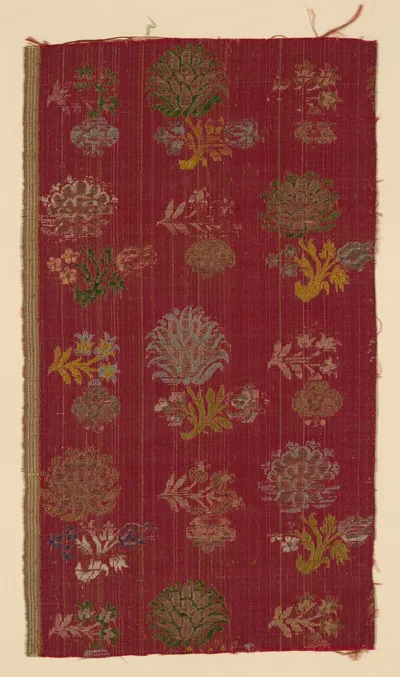
  • Fragment by Italy, 1625/75

    Fragment

    Italy

    ΔE 0.9 · near-exact

    19% of canvas
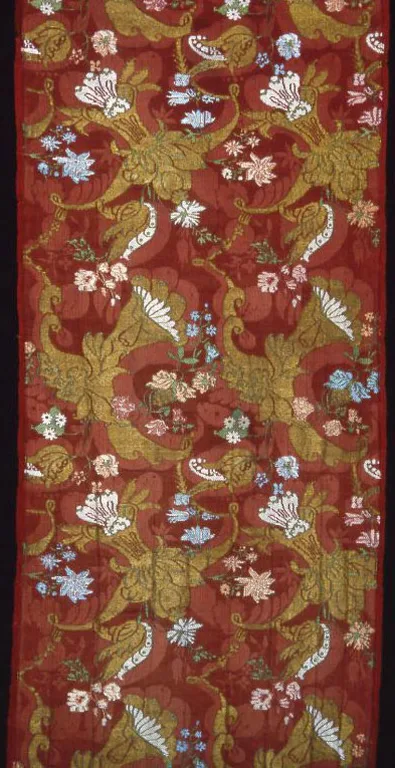
  • Four Panels by France, c. 1711/12

    Four Panels

    France

    ΔE 4.8 · very close

    37% of canvas
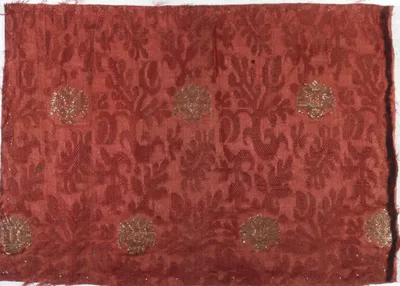
  • Fragment by Spain, Early 17th century

    Fragment

    Spain

    ΔE 5.3 · close

    39% of canvas
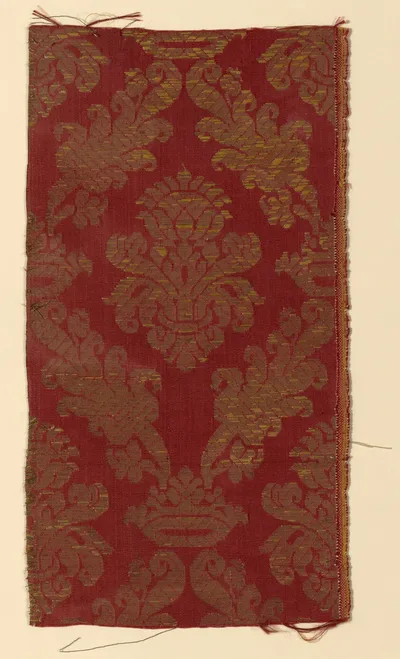
  • Fragment by Spain, 1601/25

    Fragment

    Spain

    ΔE 3.0 · very close

    26% of canvas
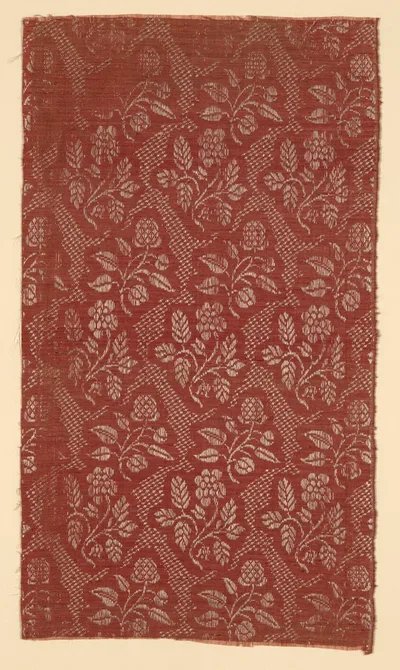
  • Fragment by Europe, 19th century

    Fragment

    Europe

    ΔE 4.3 · very close

    33% of canvas
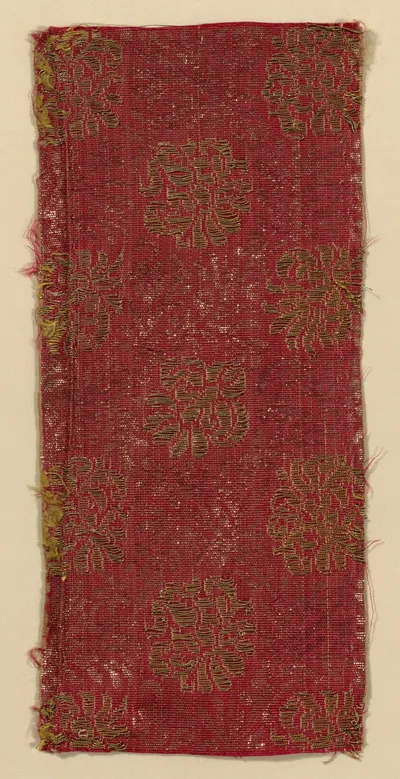
  • Fragment by Italy, 17th century

    Fragment

    Italy

    ΔE 2.9 · very close

    24% of canvas
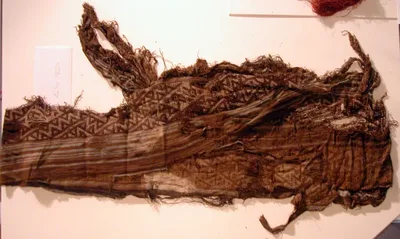
  • Fragment by Nasca, 1000-1476

    Fragment

    Nasca

    ΔE 4.2 · very close

    31% of canvas
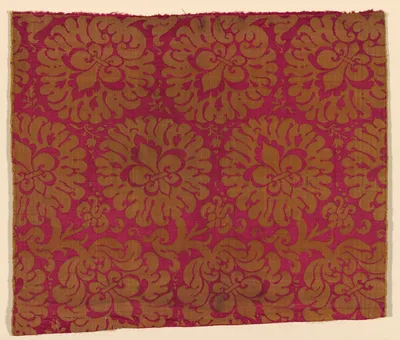
  • Fragment by France, 1601/25

    Fragment

    France

    ΔE 4.6 · very close

    30% of canvas
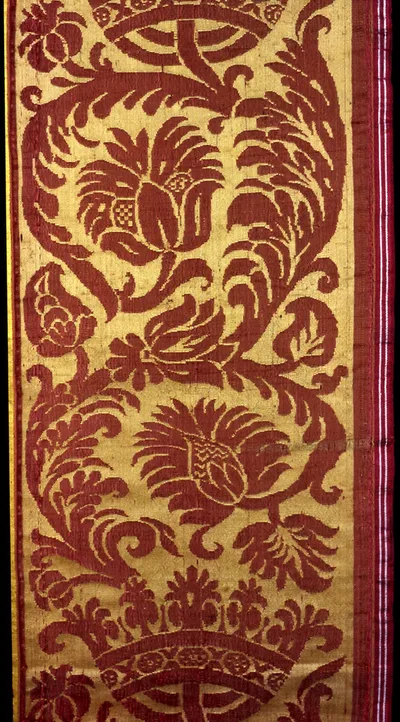
  • Border by Italy, 1601/25

    Border

    Italy

    ΔE 6.1 · close

    38% of canvas
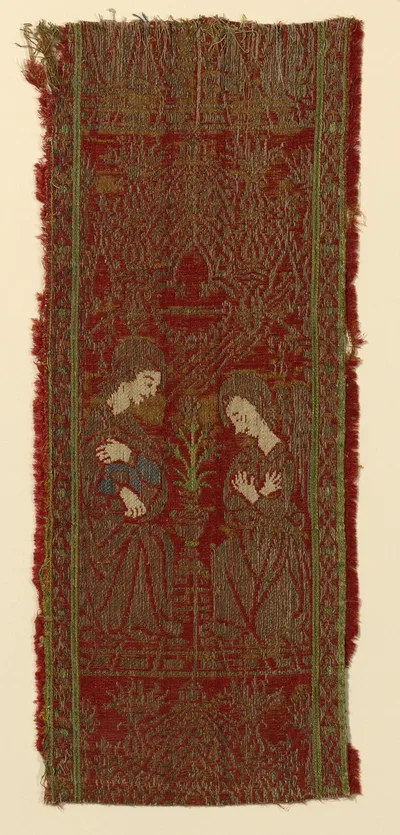
  • Fragment (From an Orphrey Band) by Italy, Florence, Mid–15th century

    Fragment (From an Orphrey Band)

    Italy, Florence

    ΔE 6.1 · close

    37% of canvas
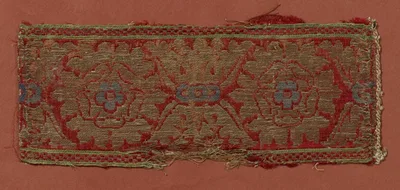
  • Border by Italy, 15th century

    Border

    Italy

    ΔE 4.3 · very close

    28% of canvas
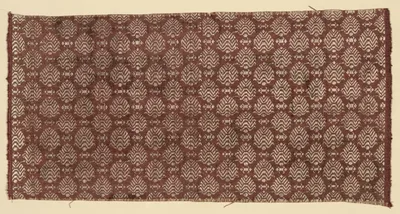
  • Fragment by Italy, 1650/1700

    Fragment

    Italy

    ΔE 4.2 · very close

    26% of canvas
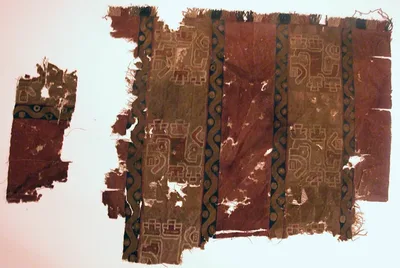
  • Fragments (From a Tunic) by Wari, 600-800

    Fragments (From a Tunic)

    Wari

    ΔE 4.7 · very close

    28% of canvas
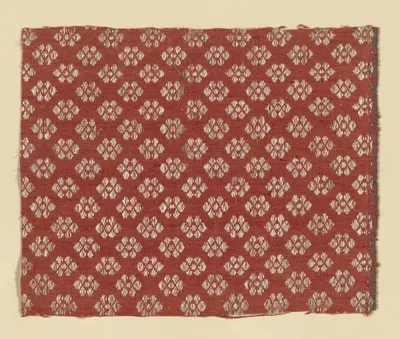
  • Fragment by Italy, 1650/1700

    Fragment

    Italy

    ΔE 5.1 · close

    30% of canvas
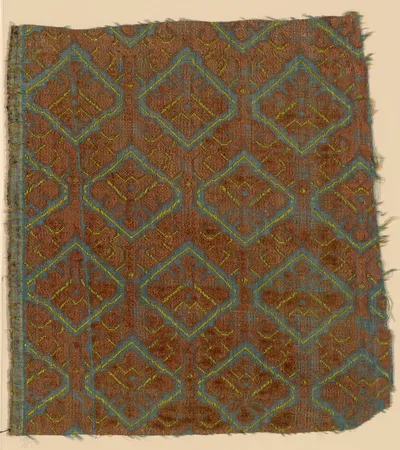
  • Fragment by Italy, 1575/1600

    Fragment

    Italy

    ΔE 8.7 · close

    48% of canvas
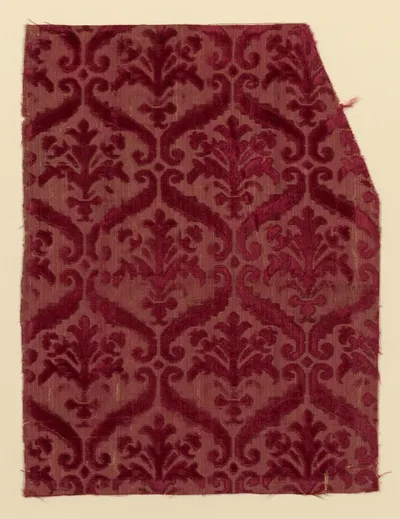
  • Fragment by Italy, 1625/50

    Fragment

    Italy

    ΔE 4.7 · very close

    26% of canvas
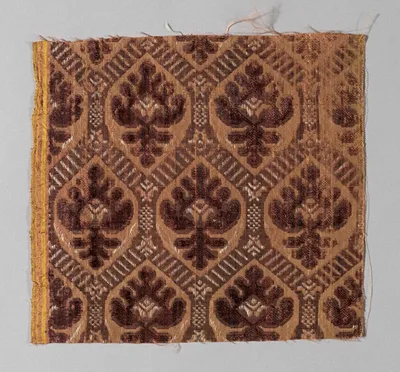
  • Fragment by Italy, 1625/75

    Fragment

    Italy

    ΔE 4.4 · very close

    24% of canvas
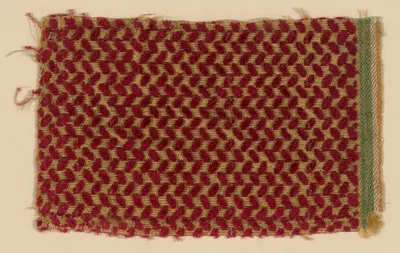
  • Fragment by Italy, 1775/1800

    Fragment

    Italy

    ΔE 3.8 · very close

    20% of canvas
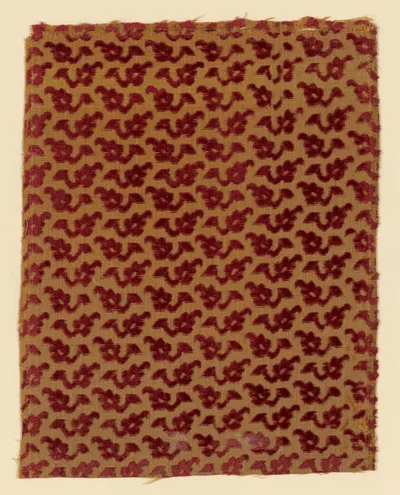
  • Fragment by Italy, 1600/50

    Fragment

    Italy

    ΔE 4.2 · very close

    21% of canvas
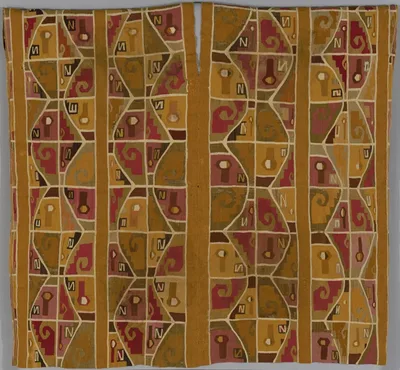
  • Tunic by Wari, 600-800

    Tunic

    Wari

    ΔE 3.0 · very close

    15% of canvas
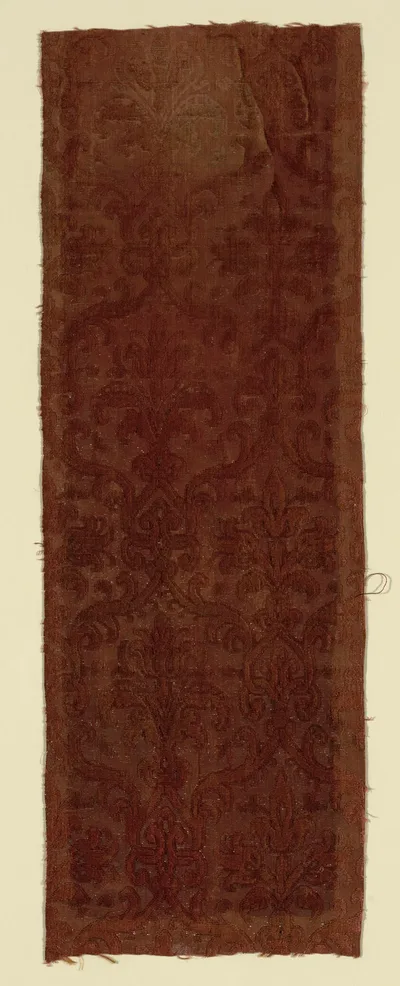
  • Fragment by Italy, c. 1600

    Fragment

    Italy

    ΔE 10.4 · close

    52% of canvas
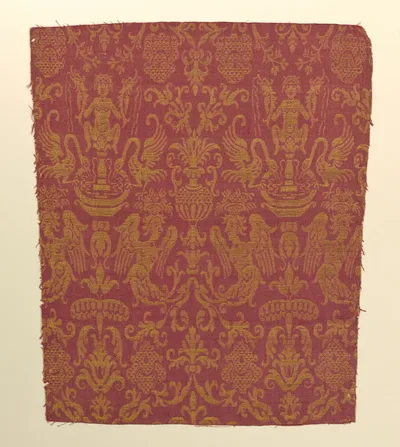
  • Fragment by Italy, 17th century

    Fragment

    Italy

    ΔE 7.4 · close

    36% of canvas
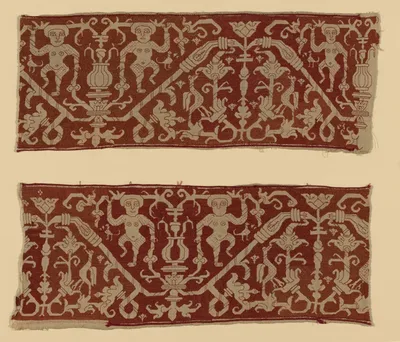
  • Two Border Fragments by Spain, Late 16th/early 17th century

    Two Border Fragments

    Spain

    ΔE 3.4 · very close

    16% of canvas
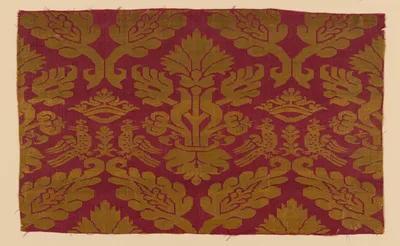
  • Fragment by Italy, 16th century

    Fragment

    Italy

    ΔE 5.5 · close

    25% of canvas
  • Fragment by Peru, north coast, Culebra Vallery, La Capilla, 1000-1476

    Fragment

    Peru, north coast, Culebra Vallery, La Capilla

    ΔE 5.8 · close

    27% of canvas

  • Fragments (Border) by Nasca, 100 BCE-200 CE

    Fragments (Border)

    Nasca

    ΔE 5.2 · close

    24% of canvas
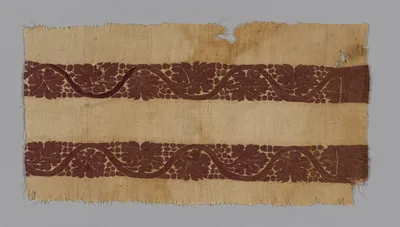
  • Fragment by Egypt, possibly Akhmin, 4th century

    Fragment

    Egypt, possibly Akhmin

    ΔE 5.8 · close

    26% of canvas
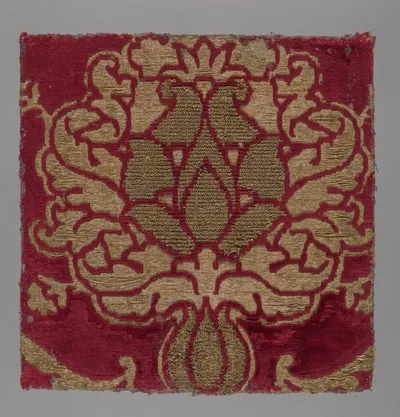
  • Fragment of Velvet by Italy, Mid-15th-early 16th century

    Fragment of Velvet

    Italy

    ΔE 3.9 · very close

    16% of canvas

  • Border by Italy, 1601/25

    Border

    Italy

    ΔE 6.3 · close

    27% of canvas
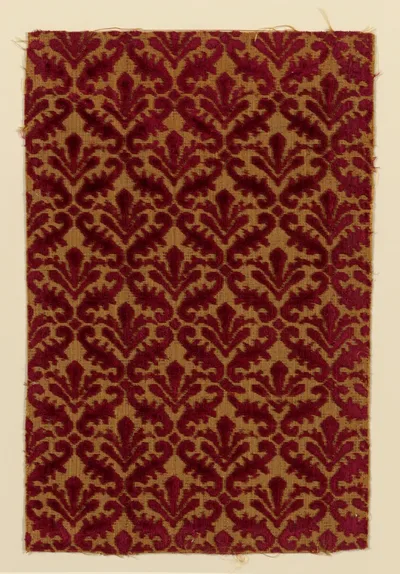
  • Fragment by Italy, c. 1600

    Fragment

    Italy

    ΔE 5.5 · close

    23% of canvas
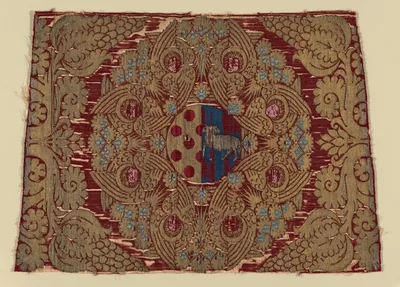
  • Fragment (From a Vestment) by Italy, Florence, 15th century

    Fragment (From a Vestment)

    Italy, Florence

    ΔE 8.0 · close

    35% of canvas
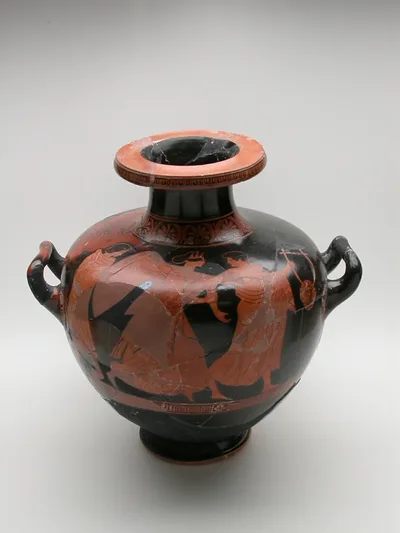
  • Hydria (Water Jar) by The Orchard Painter, 480-470 BCE

    Hydria (Water Jar)

    The Orchard Painter

    ΔE 3.1 · very close

    11% of canvas
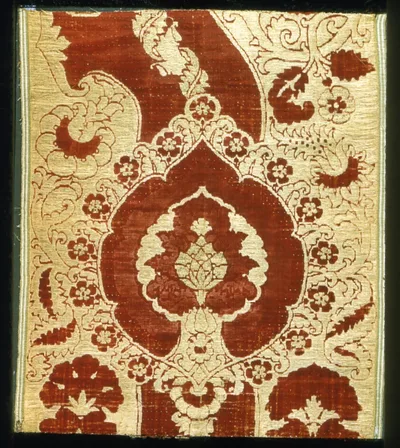
  • Panel by Italy, 1450-1500

    Panel

    Italy

    ΔE 6.6 · close

    28% of canvas
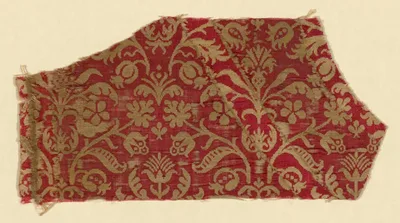
  • Fragment by Europe, 1601/25

    Fragment

    Europe

    ΔE 5.3 · close

    21% of canvas
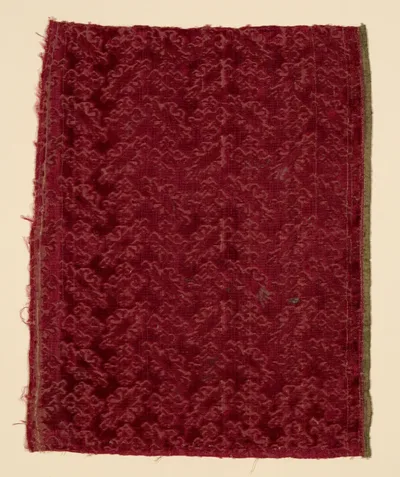
  • Fragment by Spain, early 17th century

    Fragment

    Spain

    ΔE 10.8 · close

    48% of canvas
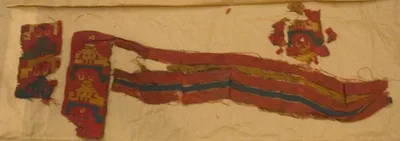
  • Fragments by Nasca, 700 CE-900 CE

    Fragments

    Nasca

    ΔE 5.2 · close

    20% of canvas
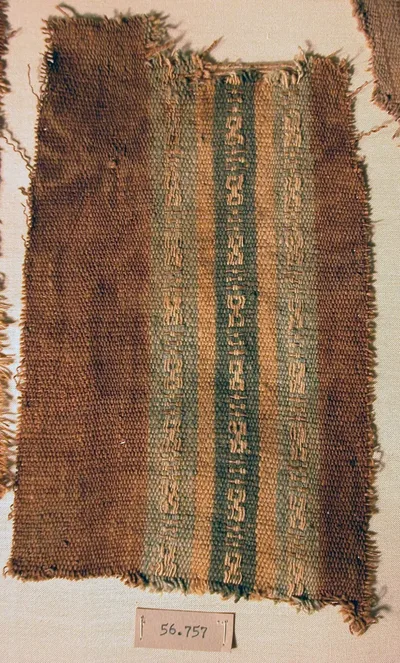
  • Fragment by Peru, north coast, Culebra Valley, La Capilla, 1000-1476

    Fragment

    Peru, north coast, Culebra Valley, La Capilla

    ΔE 6.4 · close

    26% of canvas
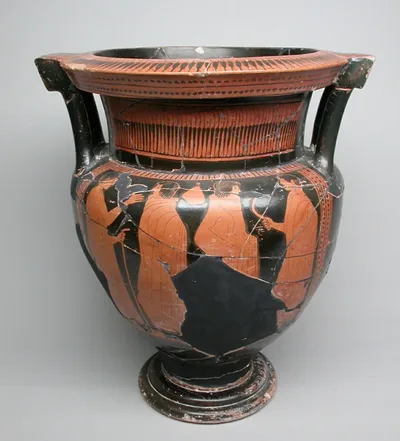
  • Column Krater (Mixing Bowl) by Ancient Greek, 460-450 BCE

    Column Krater (Mixing Bowl)

    Ancient Greek

    ΔE 3.8 · very close

    12% of canvas
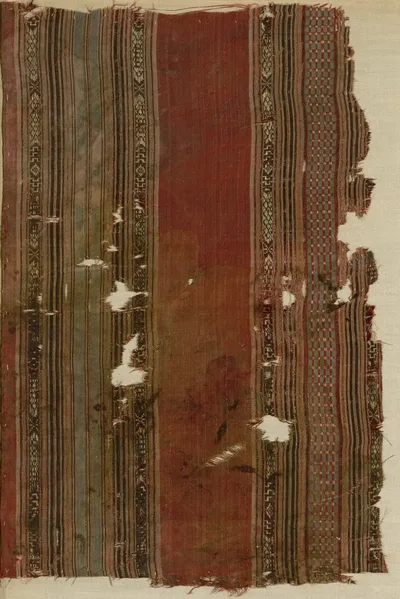
  • Fragment by Egypt, Arab period (641–969)/Fatimid period (969–1171)/Ayyubid period (1171–1250)/ Mamluk period (1250–1517), 9th/13th century

    Fragment

    Egypt

    ΔE 6.1 · close

    24% of canvas
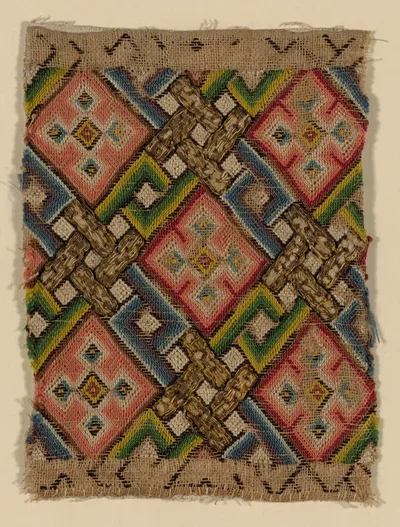
  • Fragment by Italy, 17th century

    Fragment

    Italy

    ΔE 3.8 · very close

    12% of canvas
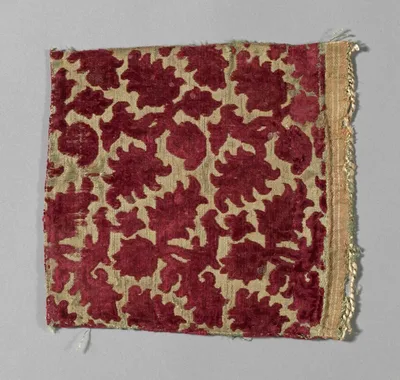
  • Fragment by Italy, 1601/25

    Fragment

    Italy

    ΔE 3.2 · very close

    8% of canvas
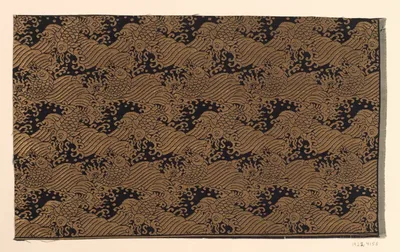
  • Fragment by Japan, Edo period (1615–1868), 1775/1825

    Fragment

    Japan

    ΔE 11.4 · close

    49% of canvas
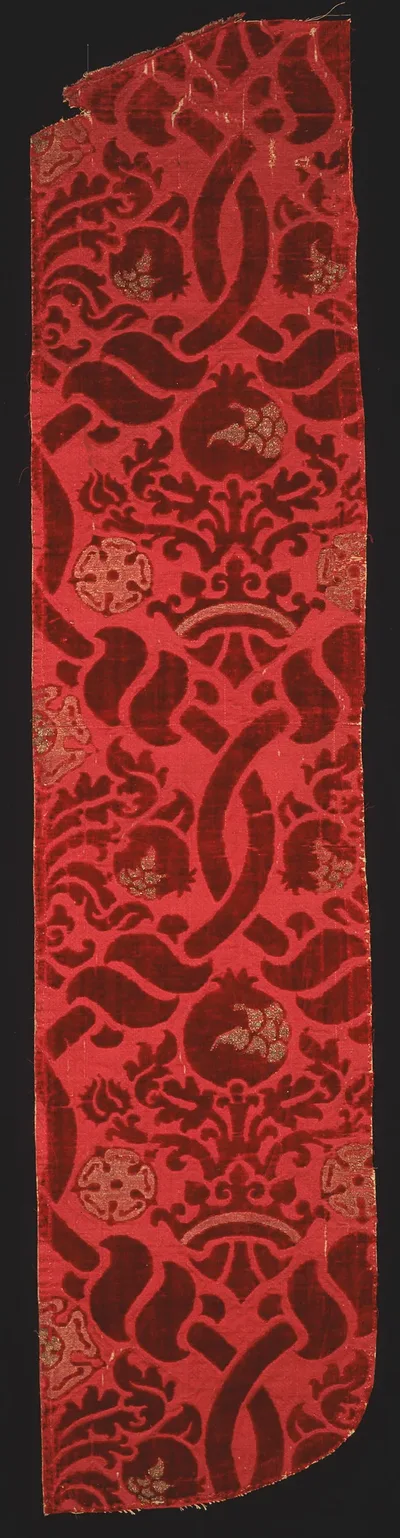
  • Fragment by Italy, 1501-1550

    Fragment

    Italy

    ΔE 6.9 · close

    26% of canvas
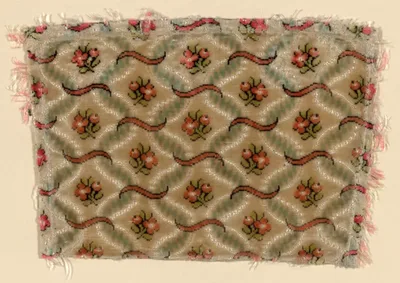
  • Fragment by France, 1725/50

    Fragment

    France

    ΔE 3.7 · very close

    9% of canvas
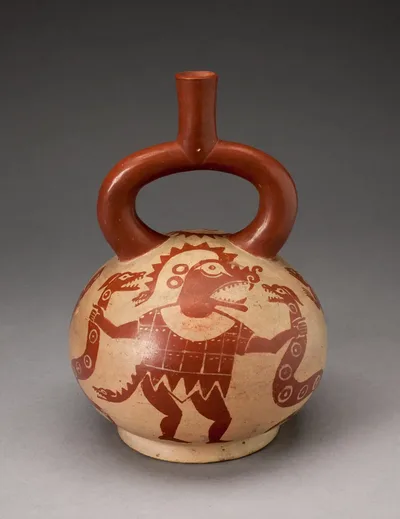
  • Ritual Vessel Depicting a Masked Deity with Serpents by Moche, 100 BCE–500 CE

    Ritual Vessel Depicting a Masked Deity with Serpents

    Moche

    ΔE 4.6 · very close

    14% of canvas
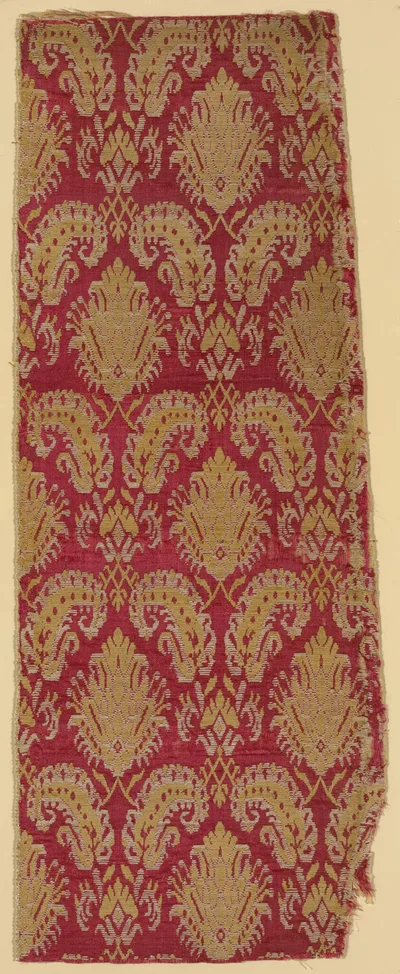
  • Fragment by Europe, 17th century

    Fragment

    Europe

    ΔE 6.4 · close

    23% of canvas
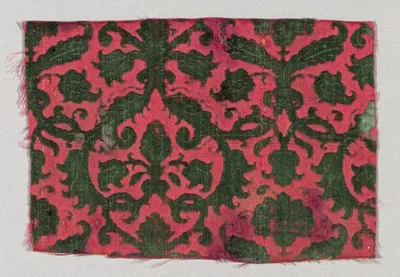
  • Fragment by Italy, early 17th century

    Fragment

    Italy

    ΔE 5.2 · close

    16% of canvas
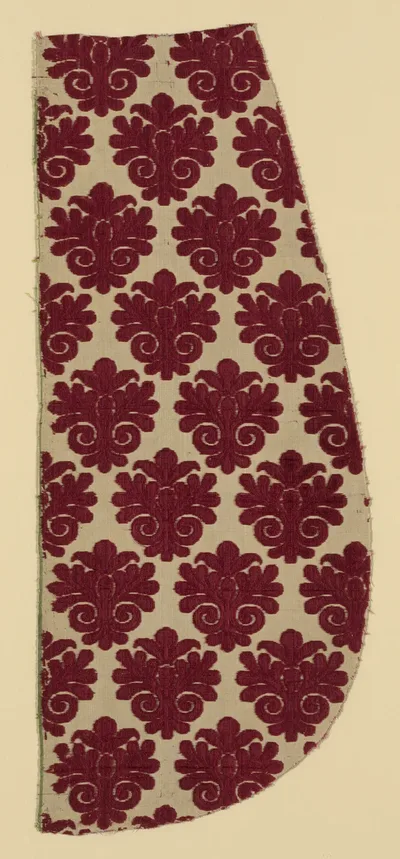
  • Fragment (From a Chasuble) by Italy, 1601/50

    Fragment (From a Chasuble)

    Italy

    ΔE 4.4 · very close

    12% of canvas
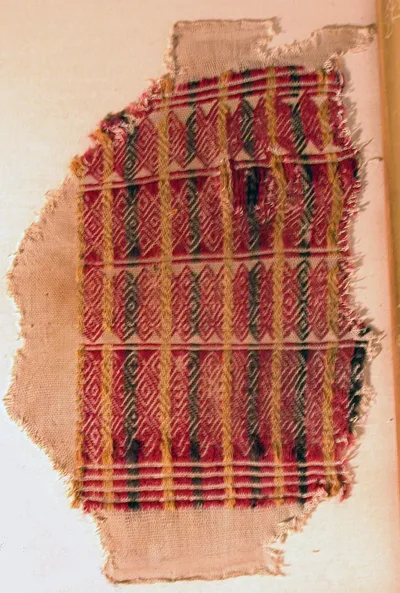
  • Fragment by Peru, south coast, Possibly Nazca Valley

    Fragment

    Peru, south coast, Possibly Nazca Valley

    ΔE 7.6 · close

    27% of canvas
  • Fragments (Border) by Nasca, 100 BCE-200 CE

    Fragments (Border)

    Nasca

    ΔE 6.6 · close

    22% of canvas
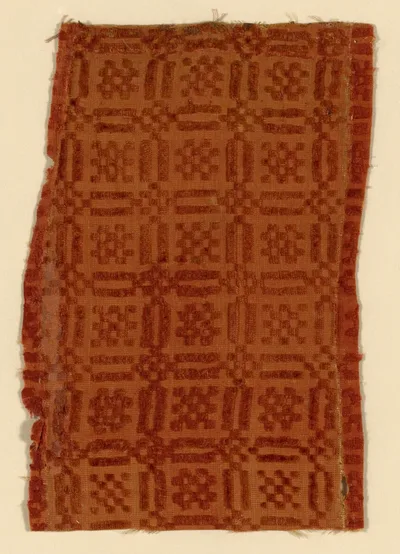
  • Fragment by Italy, 1575/1600

    Fragment

    Italy

    ΔE 8.0 · close

    29% of canvas
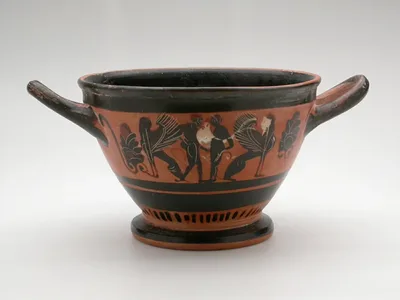
  • Skyphos (Drinking Cup) by Ancient Greek, About 500-480 BCE

    Skyphos (Drinking Cup)

    Ancient Greek

    ΔE 4.1 · very close

    9% of canvas
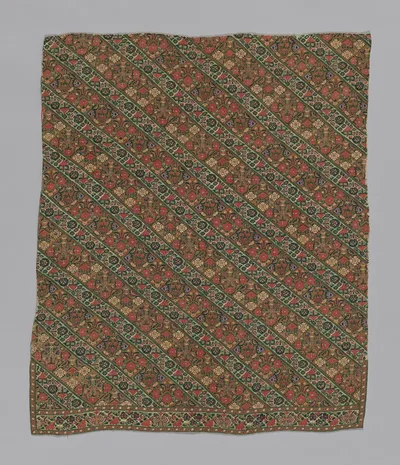
  • Panel (From Woman's Trousers) by Iran, 19th century

    Panel (From Woman's Trousers)

    Iran

    ΔE 4.0 · very close

    8% of canvas
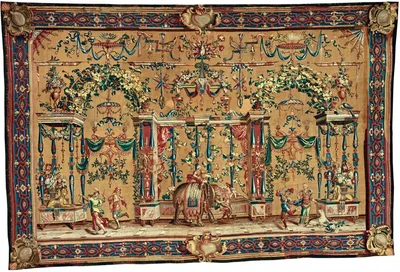
  • The Elephant, from The Berain Grotesques Series by Jean Baptiste Monnoyer, c. 1688/1732

    The Elephant, from The Berain Grotesques Series

    Jean Baptiste Monnoyer

    ΔE 6.3 · close

    18% of canvas
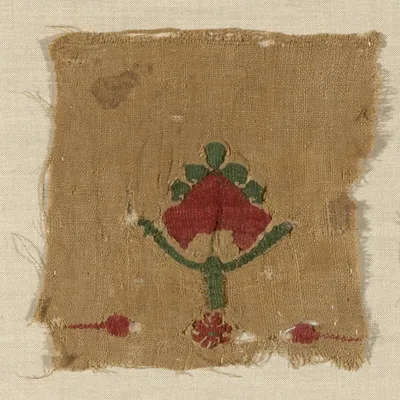
  • Fragment by Egypt, 5th-6th century

    Fragment

    Egypt

    ΔE 3.6 · very close

    4% of canvas
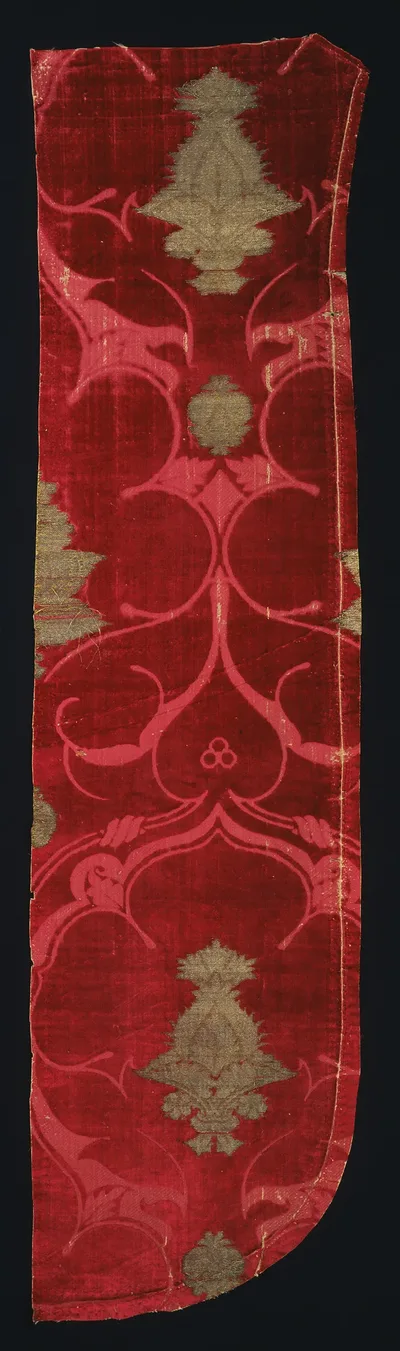
  • Fragment (From a Chasuble) by Italy, 1475-1500

    Fragment (From a Chasuble)

    Italy

    ΔE 8.7 · close

    30% of canvas
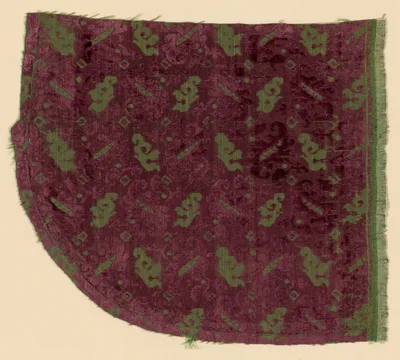
  • Fragment by Italy, 17th century

    Fragment

    Italy

    ΔE 13.0 · loosely related

    51% of canvas

What ΔE means, and what this does not measure