Skip to content
Chroma
#8f7948

Ranked by perceptual distance

Works near #8f7948

Ranked by CIEDE2000 distance to each work’s nearest palette entry, weighted by how much of the canvas that colour covers. Each result shows the real perceptual distance and that coverage, not the blended score that produced the order.

Pick a different colour

Drag the ring or use the arrow keys. Every result is ranked by how close it is in CIELAB, weighted by how much of the canvas the colour covers.

Closest first

60 of 1,497 works
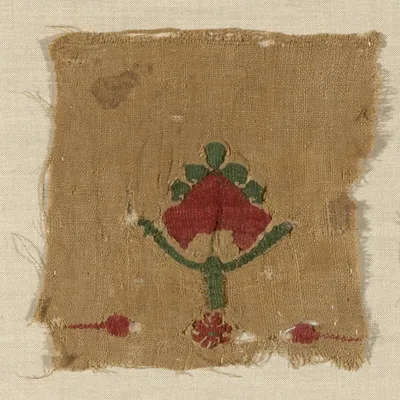
  • Fragment by Egypt, 5th-6th century

    Fragment

    Egypt

    ΔE 4.5 · very close

    57% of canvas
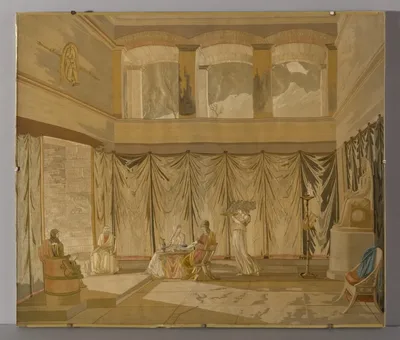
  • L'Hiver (Winter) by Pierre Antoine Mongin, Early 19th century

    L'Hiver (Winter)

    Pierre Antoine Mongin

    ΔE 3.4 · very close

    41% of canvas
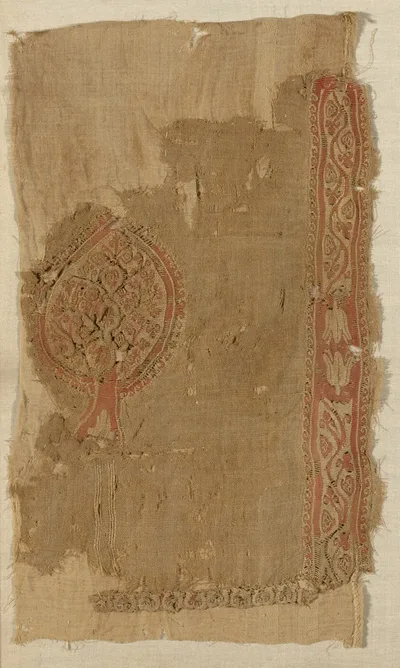
  • Fragment by Egypt, possibly Akhmin, 4th-6th century

    Fragment

    Egypt, possibly Akhmin

    ΔE 4.9 · very close

    45% of canvas
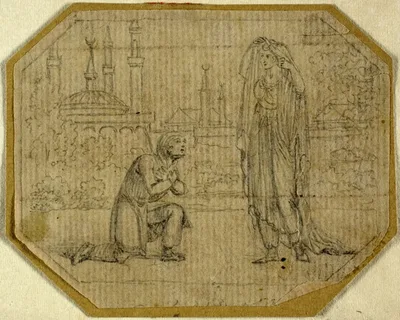
  • Man Kneeling Before Veiled Woman with Mosque in Background by Johann August Rossmassler, n.d.

    Man Kneeling Before Veiled Woman with Mosque in Background

    Johann August Rossmassler

    ΔE 2.9 · very close

    33% of canvas
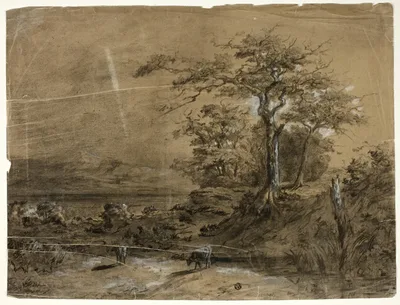
  • Wooded Landscape with Cows in Foreground by Unknown, n.d.

    Wooded Landscape with Cows in Foreground

    Unknown

    ΔE 5.0 · very close

    43% of canvas
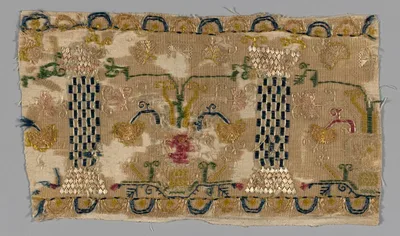
  • Fragment by Italy, 17th century

    Fragment

    Italy

    ΔE 4.7 · very close

    41% of canvas
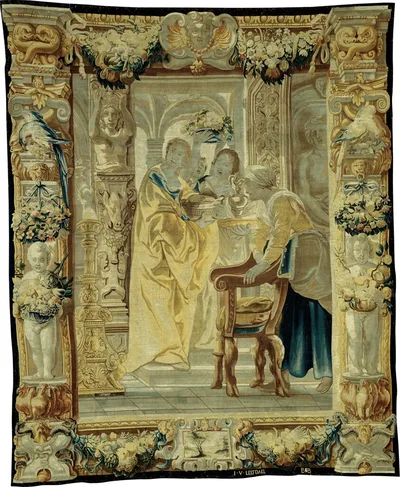
  • Four Servants, part of Telemachus Leading Theoclymenus to Penelope from The Story of Odysseus by Jan van Leefdael, c. 1650

    Four Servants, part of Telemachus Leading Theoclymenus to Penelope from The Story of Odysseus

    Jan van Leefdael

    ΔE 4.8 · very close

    41% of canvas
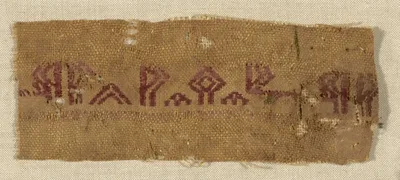
  • Fragment by Egypt, Fatimid period (969–1171)

    Fragment

    Egypt

    ΔE 5.3 · close

    43% of canvas
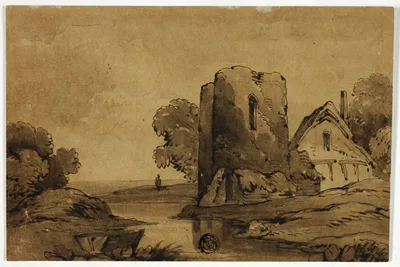
  • Cottage and Ruined Tower near Stream by James "Drunken" Robertson, n.d.

    Cottage and Ruined Tower near Stream

    James "Drunken" Robertson

    ΔE 6.1 · close

    47% of canvas
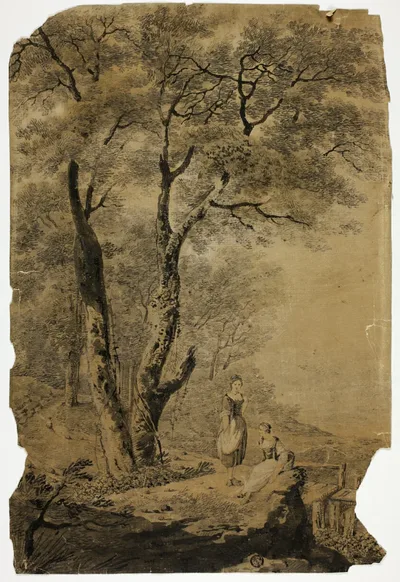
  • Wooded Landscape with Two Women in Foreground by Jean Baptiste Pillement, n.d.

    Wooded Landscape with Two Women in Foreground

    Jean Baptiste Pillement

    ΔE 3.7 · very close

    34% of canvas
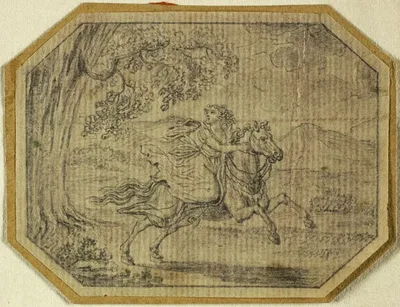
  • Young Woman on Galloping Horse by Johann August Rossmassler, n.d.

    Young Woman on Galloping Horse

    Johann August Rossmassler

    ΔE 4.9 · very close

    39% of canvas
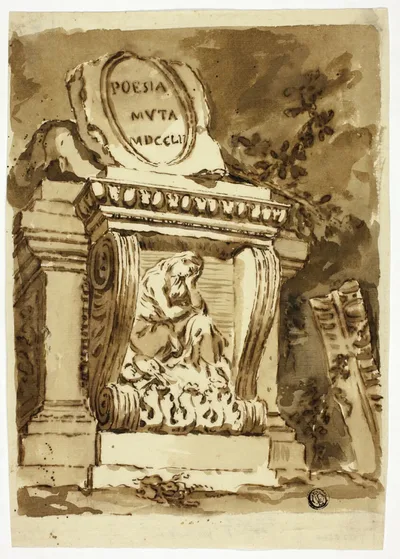
  • Funerary Monument Inscribed "Poesia Muta" by Unknown, n.d.

    Funerary Monument Inscribed "Poesia Muta"

    Unknown

    ΔE 2.4 · very close

    26% of canvas
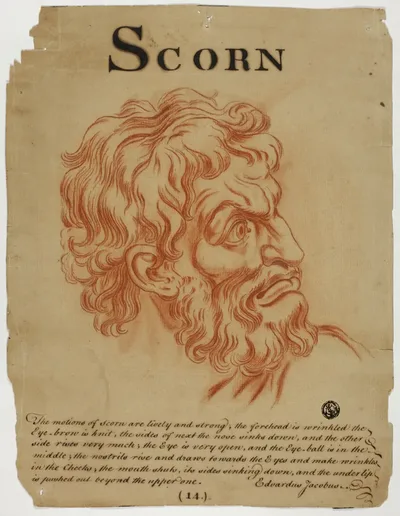
  • Scorn by Eduardus Jacobus, after 1698

    Scorn

    Eduardus Jacobus

    ΔE 11.5 · close

    71% of canvas
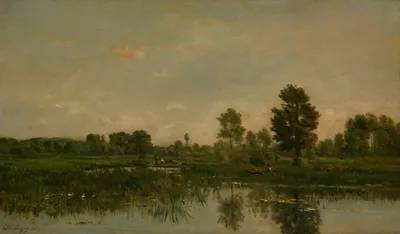
  • The Marsh by Charles François Daubigny, 1871

    The Marsh

    Charles François Daubigny

    ΔE 4.5 · very close

    35% of canvas
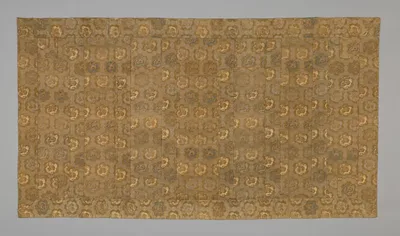
  • Kesa by Japan, late Edo period (1615–1868), late 18th century

    Kesa

    Japan

    ΔE 4.1 · very close

    33% of canvas
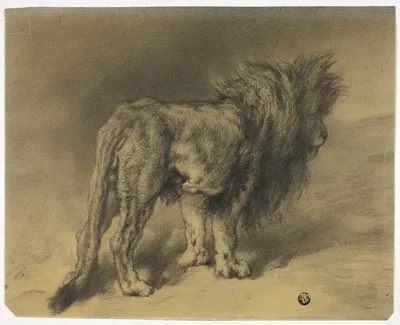
  • Standing Lion with Shaggy Mane by Frederik William Zurcher, n.d.

    Standing Lion with Shaggy Mane

    Frederik William Zurcher

    ΔE 5.2 · close

    38% of canvas
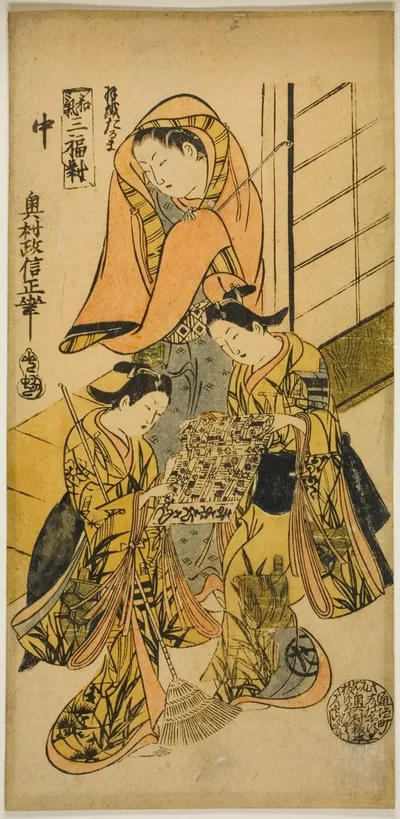
  • The Daruma Overcoat (Haori Daruma), from "Three Pictures of Harmony (Waki sanpukutsui)" by Okumura Masanobu, c. 1725/30

    The Daruma Overcoat (Haori Daruma), from "Three Pictures of Harmony (Waki sanpukutsui)"

    Okumura Masanobu

    ΔE 2.9 · very close

    26% of canvas
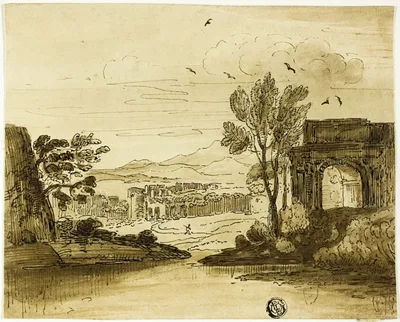
  • Landscape with Ruined Arch near Water, and Mountains in Distance by Style of Giovanni Francesco Grimaldi, n.d.

    Landscape with Ruined Arch near Water, and Mountains in Distance

    Style of Giovanni Francesco Grimaldi

    ΔE 1.8 · near-exact

    18% of canvas
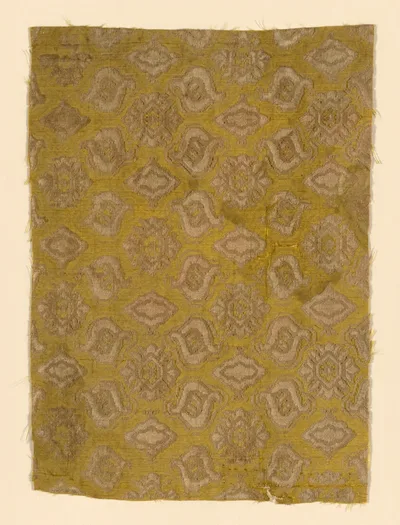
  • Fragment by Spain, 1575/1625

    Fragment

    Spain

    ΔE 3.6 · very close

    26% of canvas
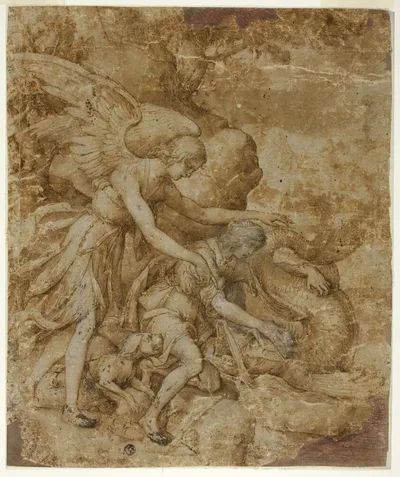
  • Tobias and the Angel Raphael by Jacopo Ligozzi, c. 1605

    Tobias and the Angel Raphael

    Jacopo Ligozzi

    ΔE 5.1 · close

    33% of canvas
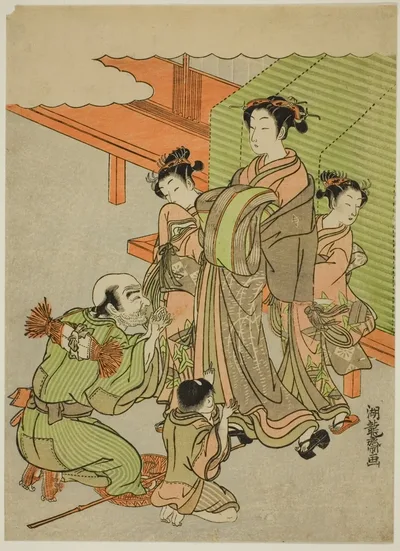
  • Begging for Alms by Isoda Koryusai, c. 1771

    Begging for Alms

    Isoda Koryusai

    ΔE 3.5 · very close

    24% of canvas
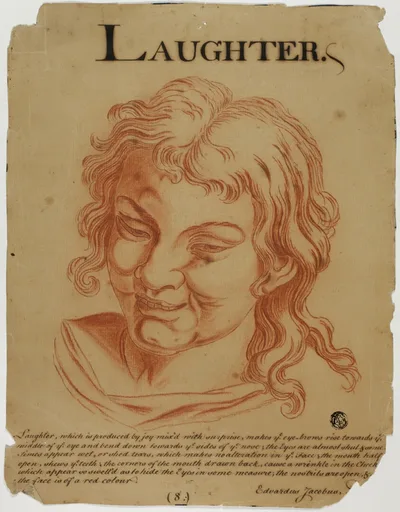
  • Laughter by Eduardus Jacobus, after 1698

    Laughter

    Eduardus Jacobus

    ΔE 10.0 · close

    56% of canvas
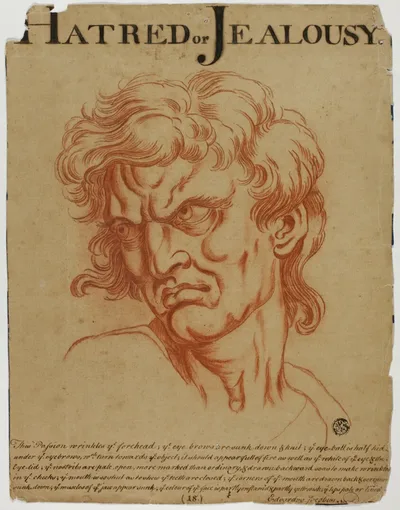
  • Hatred or Jealousy by Eduardus Jacobus, after 1698

    Hatred or Jealousy

    Eduardus Jacobus

    ΔE 10.4 · close

    58% of canvas
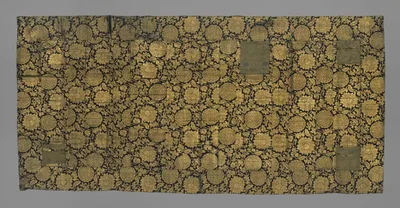
  • Kesa by Japan, Edo period (1615–1868), late 18th century

    Kesa

    Japan

    ΔE 1.6 · near-exact

    13% of canvas
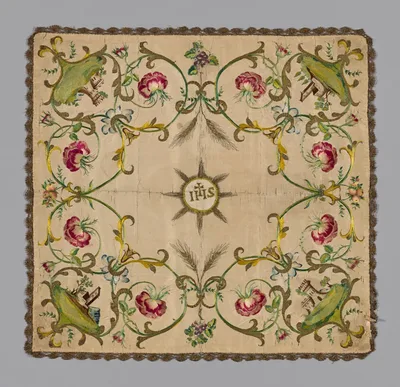
  • Chalice Cover by Italy, 18th century

    Chalice Cover

    Italy

    ΔE 3.3 · very close

    21% of canvas
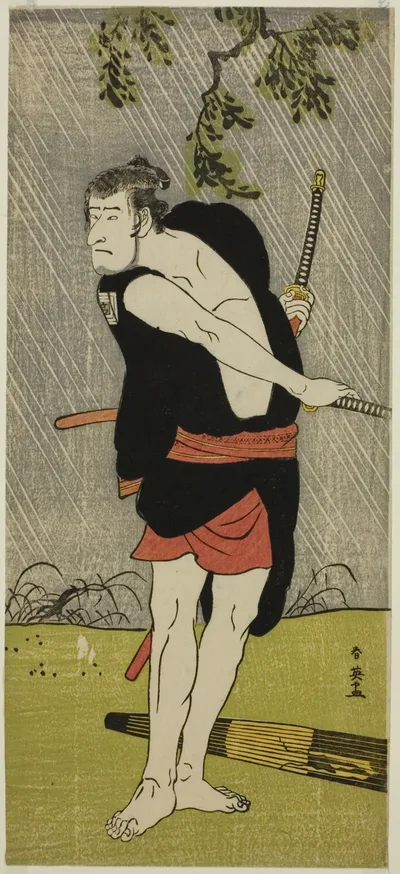
  • The Actor Ichikawa Komazo II as Ono Sadakuro in the Play Chuko Ryogoku Ori, Performed at the Nakamura Theater in the Seventh Month, 1790 by Katsukawa Shun'ei, c. 1790

    The Actor Ichikawa Komazo II as Ono Sadakuro in the Play Chuko Ryogoku Ori, Performed at the Nakamura Theater in the Seventh Month, 1790

    Katsukawa Shun'ei

    ΔE 8.9 · close

    48% of canvas
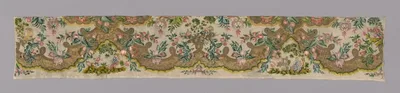
  • Border of a Valance by Spain, 18th century

    Border of a Valance

    Spain

    ΔE 3.2 · very close

    19% of canvas
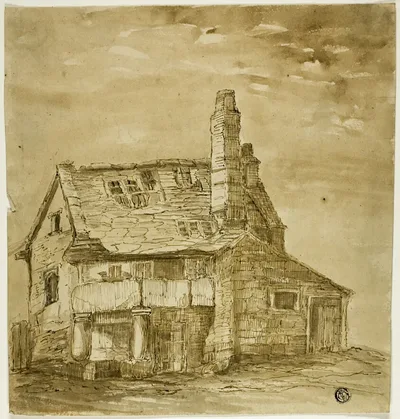
  • Old Farmhouse by Unknown artist, n.d.

    Old Farmhouse

    Unknown artist

    ΔE 3.4 · very close

    20% of canvas
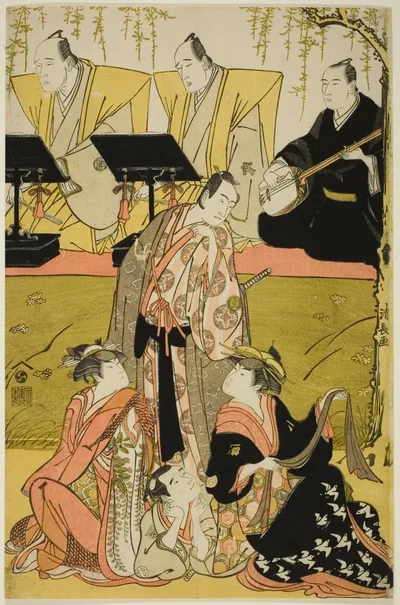
  • The Actors Sawamura Sojuro III as Soga no Juro, Osagawa Tsuneyo II as Oiso no Tora, Azuma Tozo III as Miura Katagai, and Otani Tokuji I as Danzaburo, in the joruri "Chidorigake Koi no Tamaboko," performed at the Ichimura Theater in the first month, 1784 by Torii Kiyonaga, 1784

    The Actors Sawamura Sojuro III as Soga no Juro, Osagawa Tsuneyo II as Oiso no Tora, Azuma Tozo III as Miura Katagai, and Otani Tokuji I as Danzaburo, in the joruri "Chidorigake Koi no Tamaboko," performed at the Ichimura Theater in the first month, 1784

    Torii Kiyonaga

    ΔE 3.1 · very close

    19% of canvas
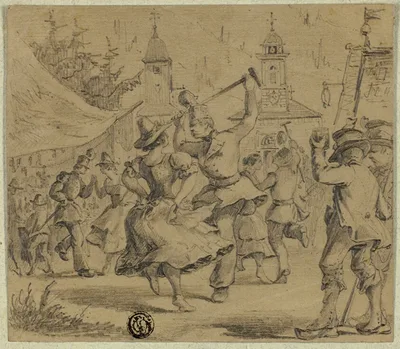
  • Women and Soldiers Dancing in Village Square by Unknown artist, n.d.

    Women and Soldiers Dancing in Village Square

    Unknown artist

    ΔE 5.0 · very close

    28% of canvas
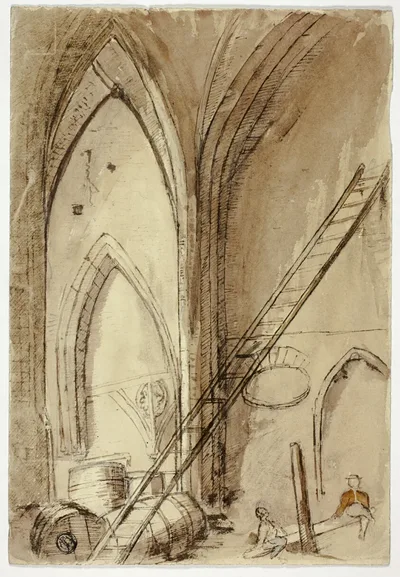
  • Teetertotter in Church Building by Unknown artist, n.d.

    Teetertotter in Church Building

    Unknown artist

    ΔE 4.4 · very close

    25% of canvas
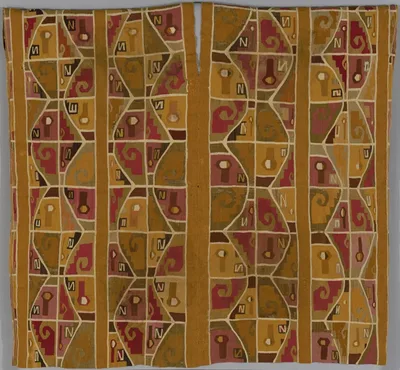
  • Tunic by Wari, 600-800

    Tunic

    Wari

    ΔE 5.1 · close

    28% of canvas
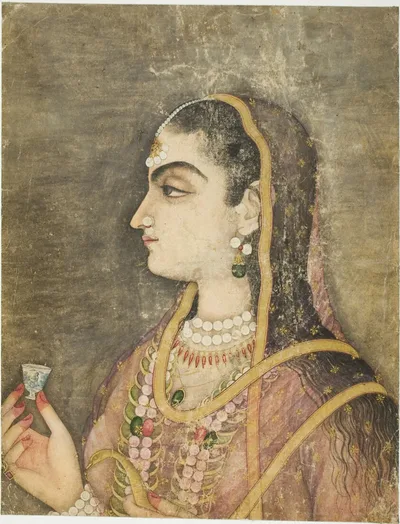
  • Portrait of a Princess by Mughal, 17th/18th century

    Portrait of a Princess

    Mughal

    ΔE 6.4 · close

    34% of canvas
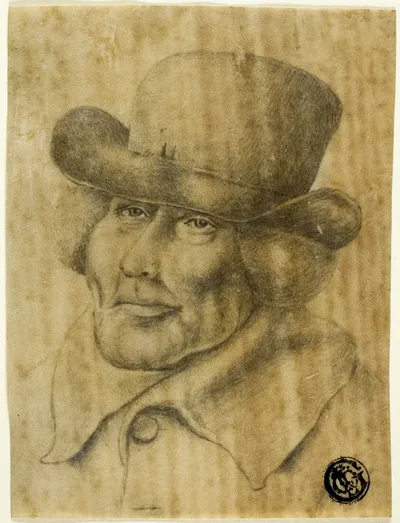
  • Portrait Bust of an Old Man Wearing Hat and Overcoat by Jean Jacques de Boissieu, n.d.

    Portrait Bust of an Old Man Wearing Hat and Overcoat

    Jean Jacques de Boissieu

    ΔE 3.1 · very close

    17% of canvas
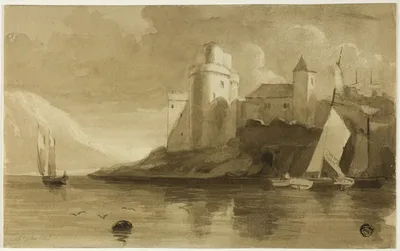
  • Castle on Lake by Unknown artist, n.d.

    Castle on Lake

    Unknown artist

    ΔE 3.4 · very close

    19% of canvas
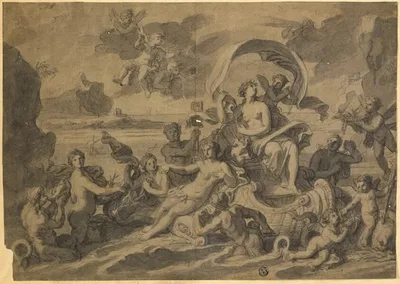
  • Triumph of Amphitrite by François Verdier, n.d.

    Triumph of Amphitrite

    François Verdier

    ΔE 4.8 · very close

    26% of canvas
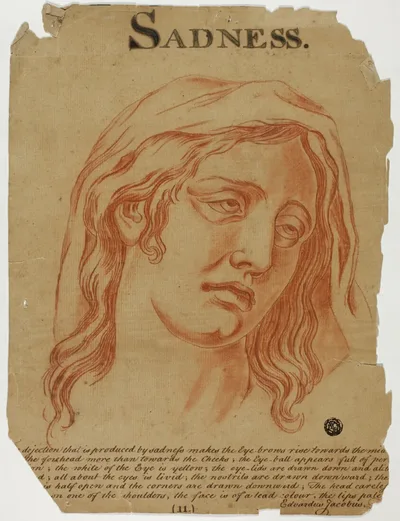
  • Sadness by Eduardus Jacobus, after 1698

    Sadness

    Eduardus Jacobus

    ΔE 10.3 · close

    53% of canvas
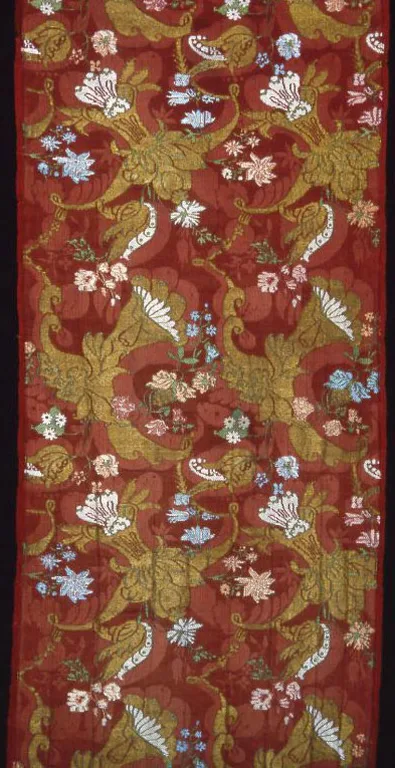
  • Four Panels by France, c. 1711/12

    Four Panels

    France

    ΔE 4.3 · very close

    23% of canvas
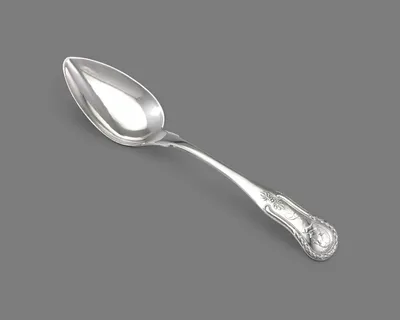
  • Spoon by Artist unknown, c. 1830

    Spoon

    Artist unknown

    ΔE 17.9 · loosely related

    91% of canvas
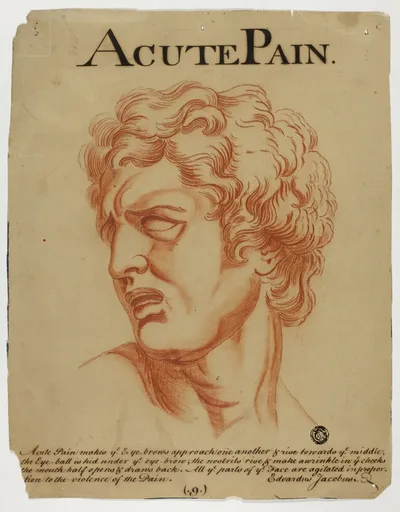
  • Acute Pain by Eduardus Jacobus, after 1698

    Acute Pain

    Eduardus Jacobus

    ΔE 13.6 · loosely related

    69% of canvas
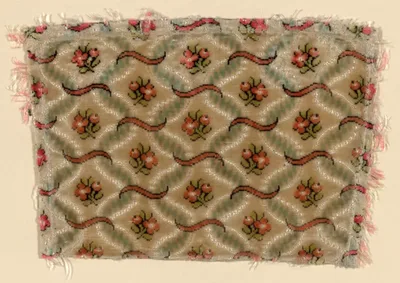
  • Fragment by France, 1725/50

    Fragment

    France

    ΔE 4.8 · very close

    25% of canvas
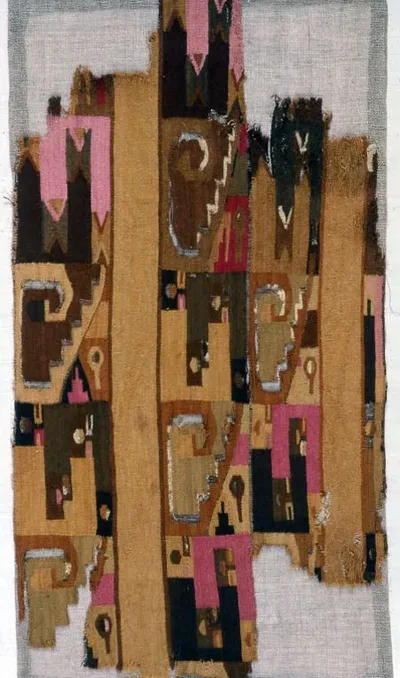
  • Fragment (From a Tunic) by Wari, 600 CE-800 CE

    Fragment (From a Tunic)

    Wari

    ΔE 8.4 · close

    43% of canvas
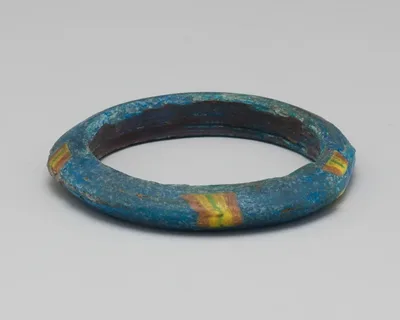
  • Bracelet by Islamic, 14th-15th century

    Bracelet

    Islamic

    ΔE 0.2 · near-exact

    2% of canvas
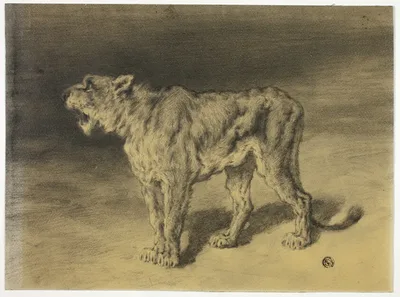
  • Lioness Roaring by Frederik William Zurcher, n.d.

    Lioness Roaring

    Frederik William Zurcher

    ΔE 6.1 · close

    31% of canvas
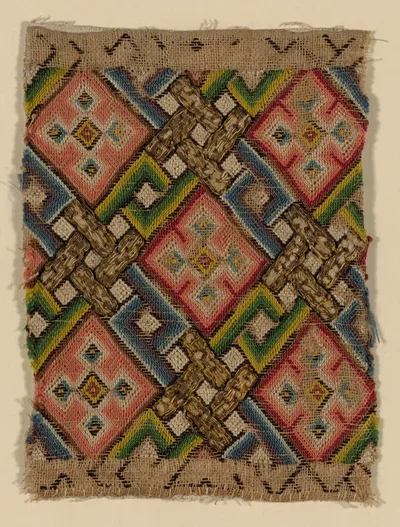
  • Fragment by Italy, 17th century

    Fragment

    Italy

    ΔE 6.0 · close

    30% of canvas
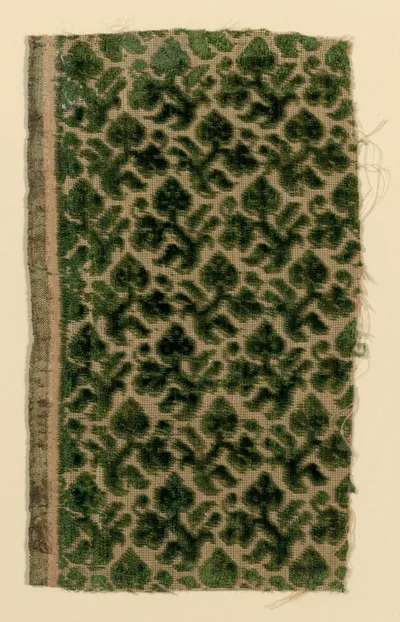
  • Fragment by Italy, 1600/25

    Fragment

    Italy

    ΔE 3.5 · very close

    18% of canvas
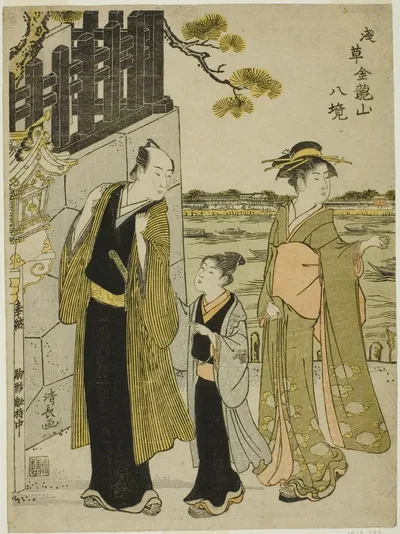
  • The View from Komagata Hall, from the series "Eight Precincts of Kinryuzan Temple in Asakusa (Asakusa Kinruzan hakkei)" by Torii Kiyonaga, c. 1782

    The View from Komagata Hall, from the series "Eight Precincts of Kinryuzan Temple in Asakusa (Asakusa Kinruzan hakkei)"

    Torii Kiyonaga

    ΔE 4.4 · very close

    22% of canvas
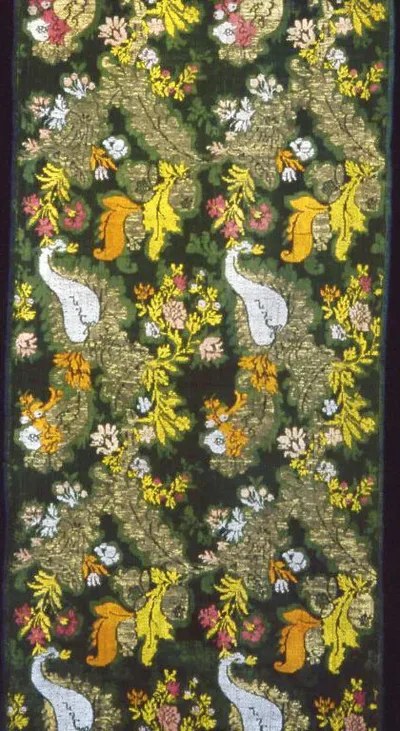
  • Panel by France, Early 18th century

    Panel

    France

    ΔE 6.2 · close

    31% of canvas
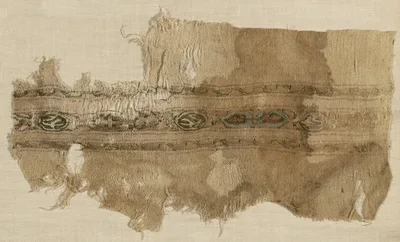
  • Fragment by Egypt, Fatimid period (969–1171)

    Fragment

    Egypt

    ΔE 4.4 · very close

    22% of canvas
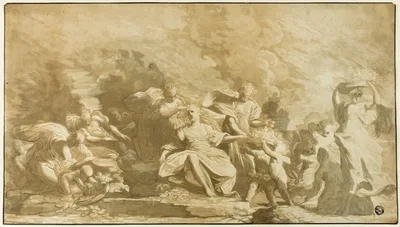
  • The Kingdom of Flora by Johann Gottlieb Prestel, n.d.

    The Kingdom of Flora

    Johann Gottlieb Prestel

    ΔE 2.7 · very close

    13% of canvas
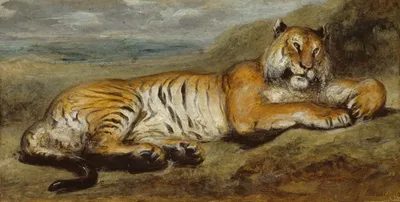
  • Tiger Resting by Pierre Andrieu, c. 1845

    Tiger Resting

    Pierre Andrieu

    ΔE 3.7 · very close

    18% of canvas
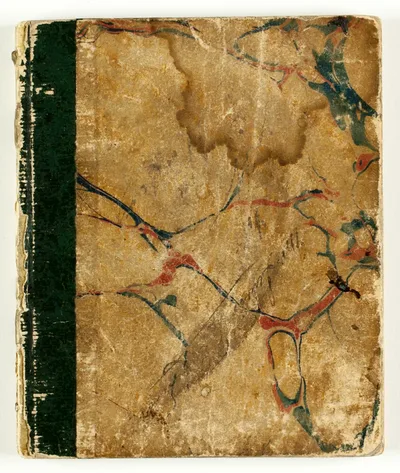
  • Figures by Charles George Lewis, n.d.

    Figures

    Charles George Lewis

    ΔE 7.7 · close

    38% of canvas
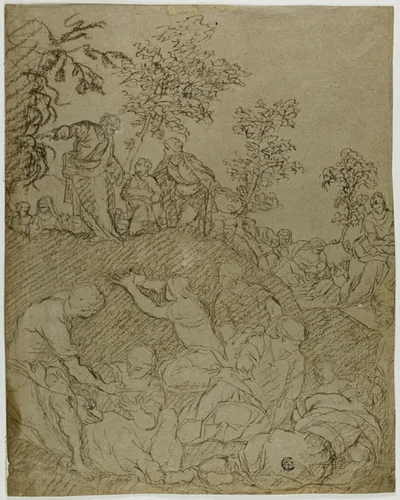
  • Miracle of the Loaves and Fishes by Tintoretto, n.d.

    Miracle of the Loaves and Fishes

    Tintoretto

    ΔE 6.1 · close

    29% of canvas
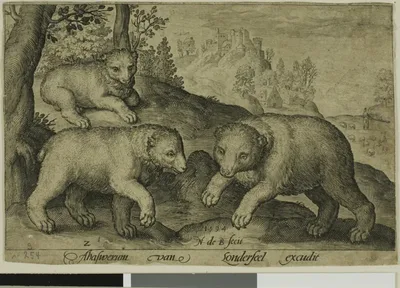
  • Three Bears, plate ten from Four-Legged Animals by Nicolaes de Bruyn, 1594

    Three Bears, plate ten from Four-Legged Animals

    Nicolaes de Bruyn

    ΔE 8.7 · close

    42% of canvas
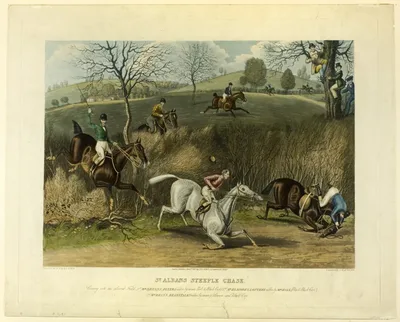
  • Saint Albans Steeplechase by Charles Hunt, 1837

    Saint Albans Steeplechase

    Charles Hunt

    ΔE 4.1 · very close

    19% of canvas
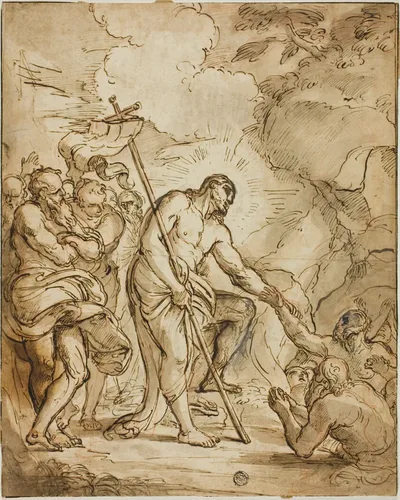
  • Descent Into Limbo by Style of  Domenico Maria Canuti, n.d.

    Descent Into Limbo

    Style of Domenico Maria Canuti

    ΔE 4.0 · very close

    18% of canvas
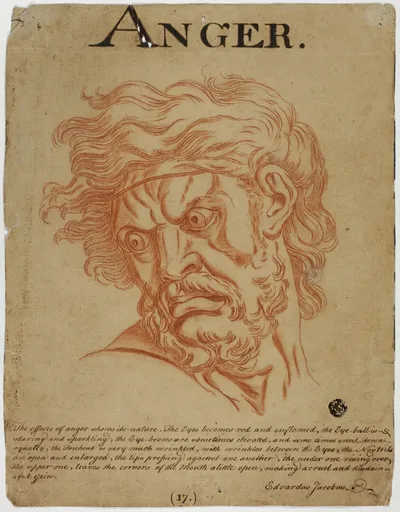
  • Anger by Eduardus Jacobus, after 1698

    Anger

    Eduardus Jacobus

    ΔE 11.6 · close

    56% of canvas
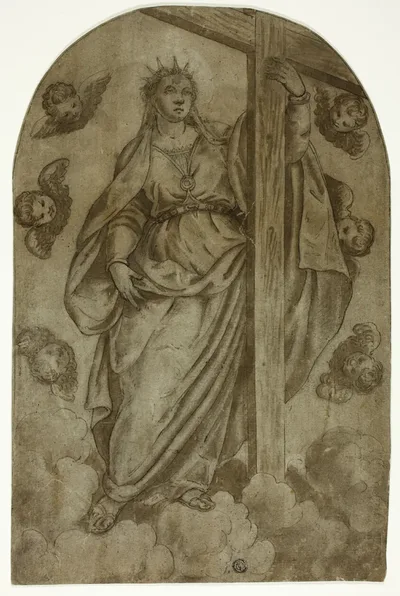
  • Saint Helena and the True Cross by Unknown Roman, 1580/90

    Saint Helena and the True Cross

    Unknown Roman

    ΔE 6.8 · close

    32% of canvas
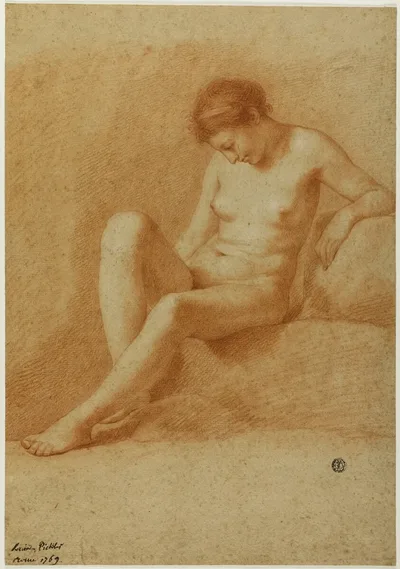
  • Seated Female Nude by Antonio Pichler, 1769

    Seated Female Nude

    Antonio Pichler

    ΔE 7.9 · close

    37% of canvas
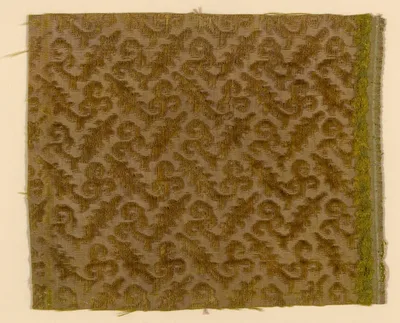
  • Fragment by Italy, 1600/50

    Fragment

    Italy

    ΔE 7.3 · close

    34% of canvas

What ΔE means, and what this does not measure