Skip to content
Chroma
#ab7459

Ranked by perceptual distance

Works near #ab7459

Ranked by CIEDE2000 distance to each work’s nearest palette entry, weighted by how much of the canvas that colour covers. Each result shows the real perceptual distance and that coverage, not the blended score that produced the order.

Pick a different colour

Drag the ring or use the arrow keys. Every result is ranked by how close it is in CIELAB, weighted by how much of the canvas the colour covers.

Closest first

60 of 1,497 works
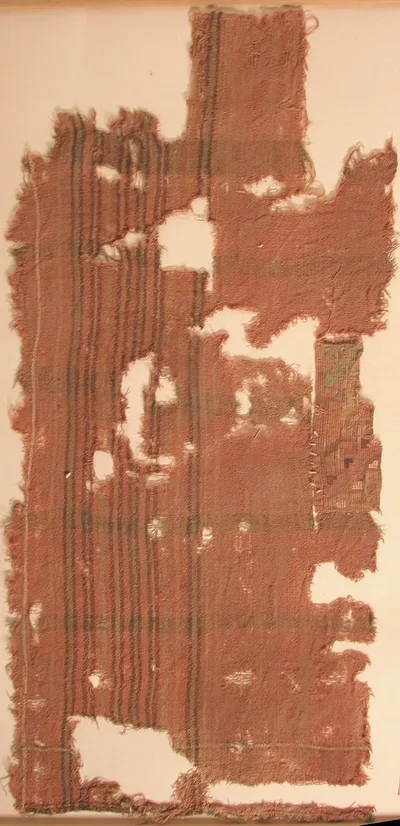
  • Fragment by Peru, north coast, Culebra Valley, La Capilla, 1000-1476

    Fragment

    Peru, north coast, Culebra Valley, La Capilla

    ΔE 4.4 · very close

    43% of canvas
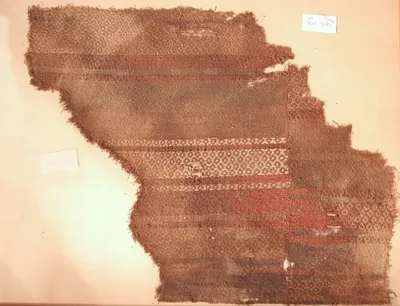
  • Fragment by Peru, north coast, Culebra Valley, La Capilla,, 1000-1476

    Fragment

    Peru, north coast, Culebra Valley, La Capilla,

    ΔE 2.6 · very close

    32% of canvas
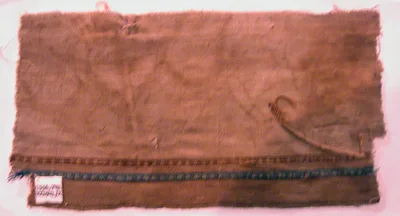
  • Fragment by Peru, north coast, Culebra Vallery, La Capilla, 1000-1476

    Fragment

    Peru, north coast, Culebra Vallery, La Capilla

    ΔE 5.1 · close

    44% of canvas
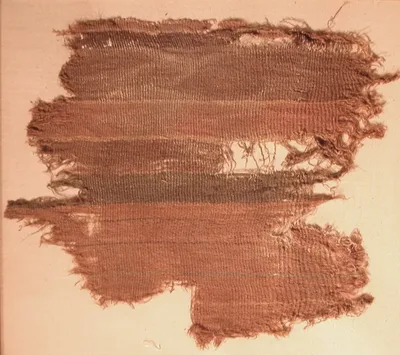
  • Fragment by Peru, north coast, Culebra Valley, La Capilla, 1000-1476

    Fragment

    Peru, north coast, Culebra Valley, La Capilla

    ΔE 4.0 · very close

    32% of canvas
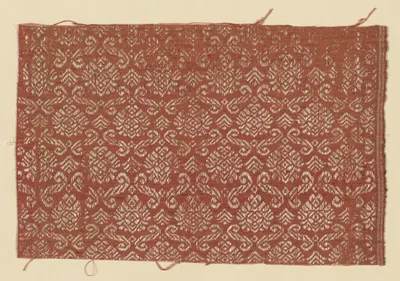
  • Fragment by Italy, 1650 / 1700

    Fragment

    Italy

    ΔE 3.1 · very close

    27% of canvas
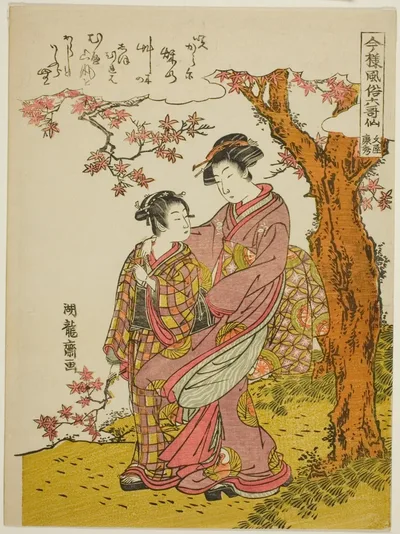
  • Poem by Bun'ya no Yasuhide, from the series "Modern Versions of the Six Immortal Poets (Imayo fuzoku rokkasen)" by Isoda Koryusai, c. 1776/81

    Poem by Bun'ya no Yasuhide, from the series "Modern Versions of the Six Immortal Poets (Imayo fuzoku rokkasen)"

    Isoda Koryusai

    ΔE 0.2 · near-exact

    13% of canvas
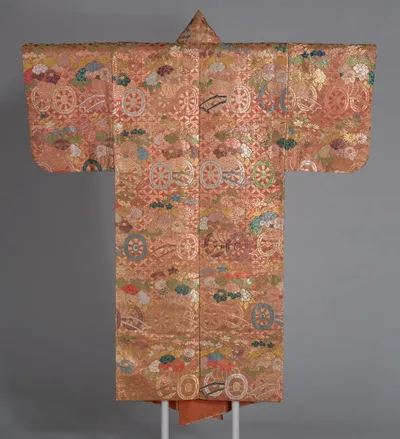
  • Atsuita karaori (Noh Costume) by Japan, late Edo period (1789–1868), 1801/25

    Atsuita karaori (Noh Costume)

    Japan

    ΔE 2.1 · very close

    21% of canvas
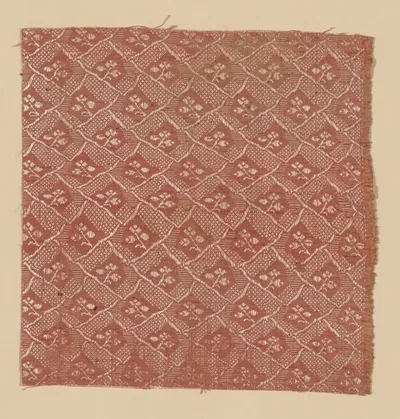
  • Fragment by Europe, 19th century

    Fragment

    Europe

    ΔE 3.9 · very close

    29% of canvas
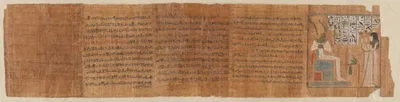
  • Funerary Papyrus of Tayuhenutmut by Ancient Egyptian, Third Intermediate Period, probably Dynasty 21 (about 1069-945 BCE)

    Funerary Papyrus of Tayuhenutmut

    Ancient Egyptian

    ΔE 5.2 · close

    35% of canvas
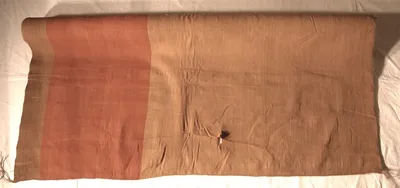
  • Shawl by Inca

    Shawl

    Inca

    ΔE 5.2 · close

    34% of canvas
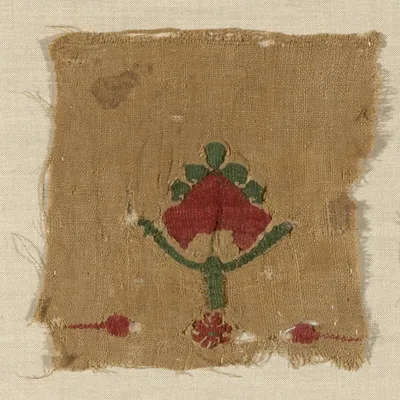
  • Fragment by Egypt, 5th-6th century

    Fragment

    Egypt

    ΔE 10.4 · close

    57% of canvas
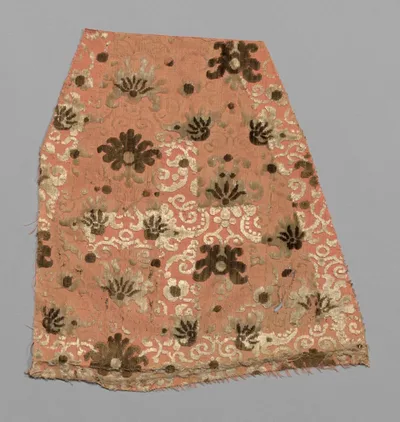
  • Fragment (Dress Fabric) by Italy, 16th/17th century

    Fragment (Dress Fabric)

    Italy

    ΔE 4.5 · very close

    27% of canvas
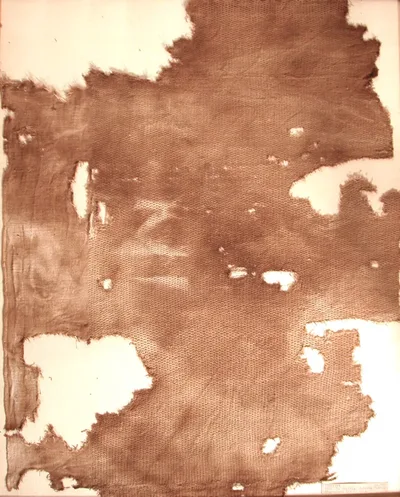
  • Fragments by Peru, north coast, Culebra Valley, La Capilla, 1000-1476

    Fragments

    Peru, north coast, Culebra Valley, La Capilla

    ΔE 6.2 · close

    34% of canvas
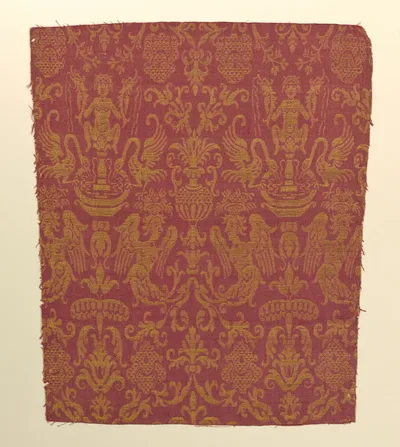
  • Fragment by Italy, 17th century

    Fragment

    Italy

    ΔE 7.2 · close

    37% of canvas
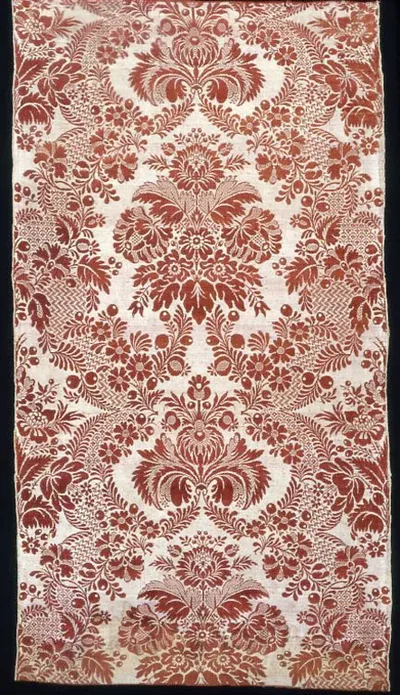
  • Panel by France, 1725/50

    Panel

    France

    ΔE 6.8 · close

    34% of canvas
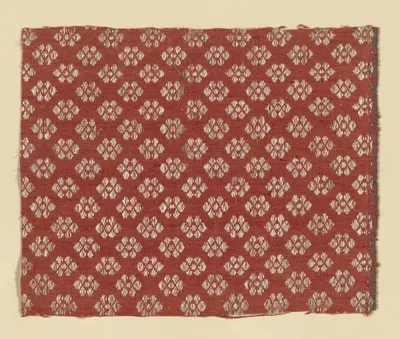
  • Fragment by Italy, 1650/1700

    Fragment

    Italy

    ΔE 4.2 · very close

    21% of canvas
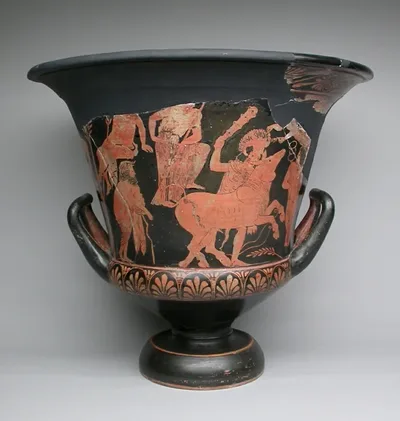
  • Calyx Krater (Mixing Bowl) by Perugia Painter, about 400-380 BCE

    Calyx Krater (Mixing Bowl)

    Perugia Painter

    ΔE 2.2 · very close

    10% of canvas
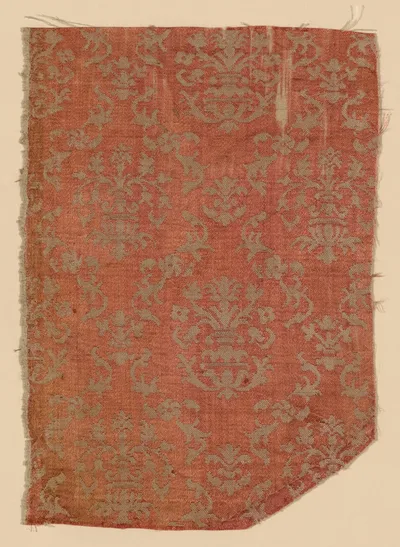
  • Fragment by Italy, 1625/50

    Fragment

    Italy

    ΔE 4.3 · very close

    20% of canvas
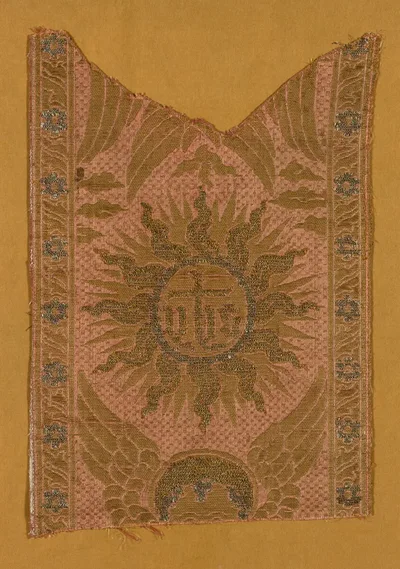
  • Fragment (From an Orphrey Band) by Italy, 15th century

    Fragment (From an Orphrey Band)

    Italy

    ΔE 4.3 · very close

    19% of canvas
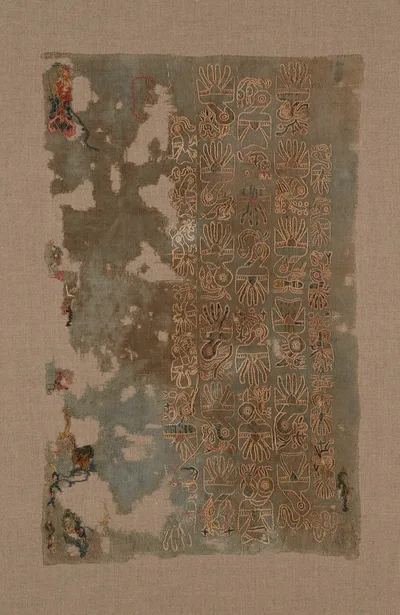
  • Sampler by Nasca, 1 CE-200 CE

    Sampler

    Nasca

    ΔE 9.6 · close

    43% of canvas
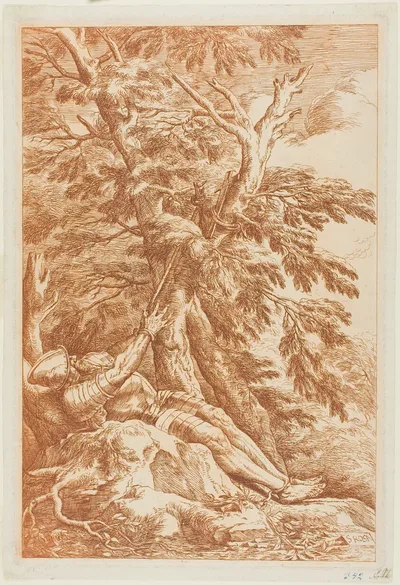
  • Saint William of Maleval by Salvator Rosa, c. 1780

    Saint William of Maleval

    Salvator Rosa

    ΔE 4.1 · very close

    15% of canvas
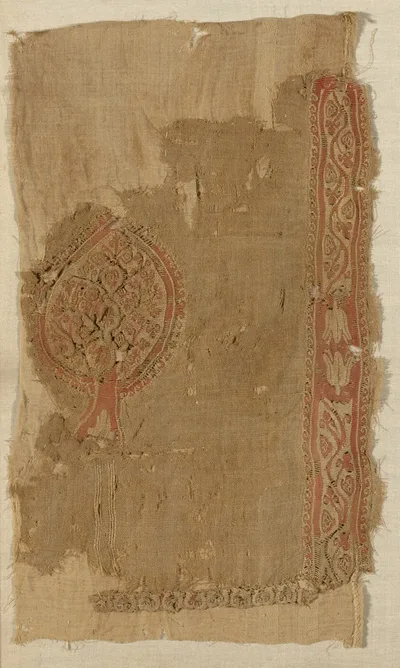
  • Fragment by Egypt, possibly Akhmin, 4th-6th century

    Fragment

    Egypt, possibly Akhmin

    ΔE 10.1 · close

    45% of canvas
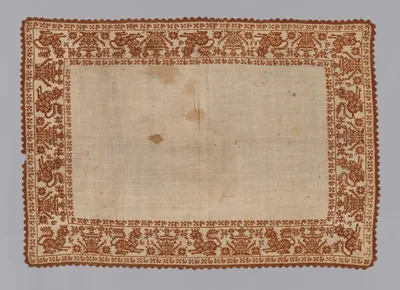
  • Cover by Italy, 1601/50

    Cover

    Italy

    ΔE 5.5 · close

    22% of canvas
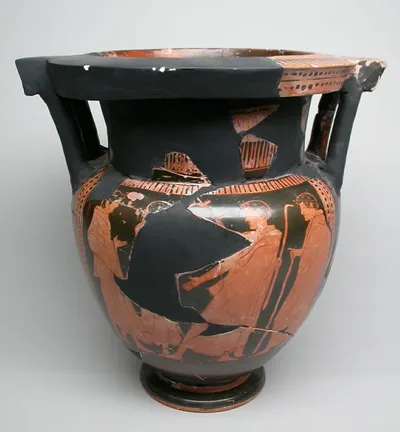
  • Column-Krater (Mixing Bowl) by Ancient Greek, about 450 BCE

    Column-Krater (Mixing Bowl)

    Ancient Greek

    ΔE 3.6 · very close

    12% of canvas
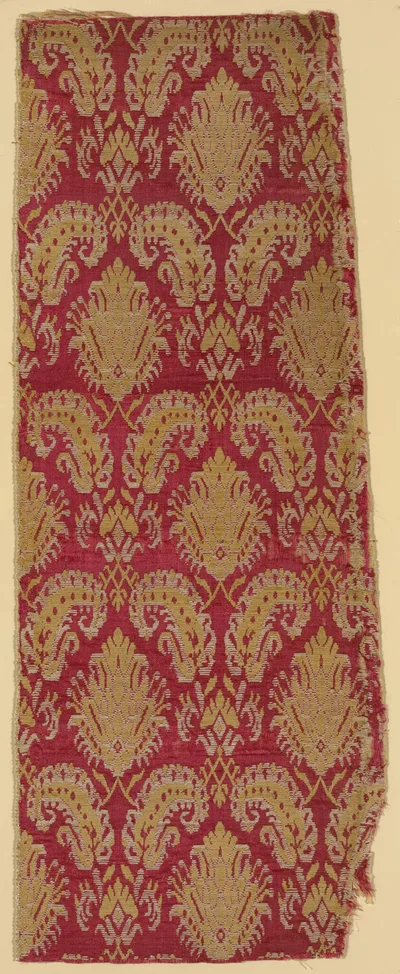
  • Fragment by Europe, 17th century

    Fragment

    Europe

    ΔE 5.9 · close

    22% of canvas
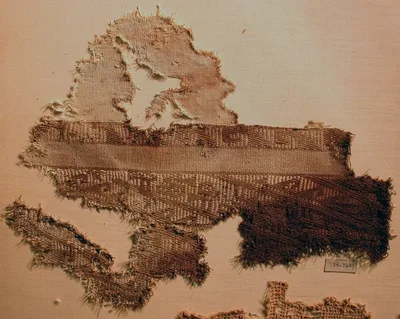
  • Fragment by Peru, north coast, Culebra Valley, La Capilla, 1000-1476

    Fragment

    Peru, north coast, Culebra Valley, La Capilla

    ΔE 7.7 · close

    31% of canvas
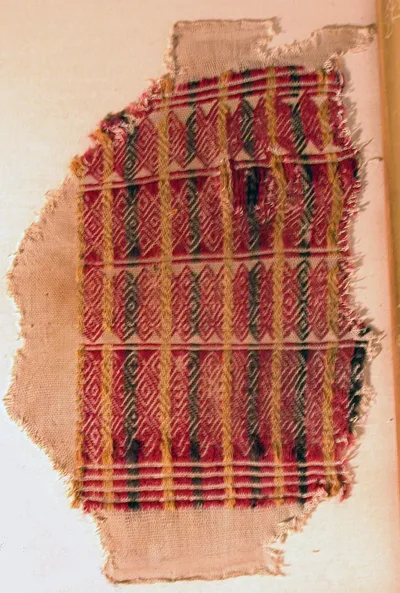
  • Fragment by Peru, south coast, Possibly Nazca Valley

    Fragment

    Peru, south coast, Possibly Nazca Valley

    ΔE 4.9 · very close

    17% of canvas
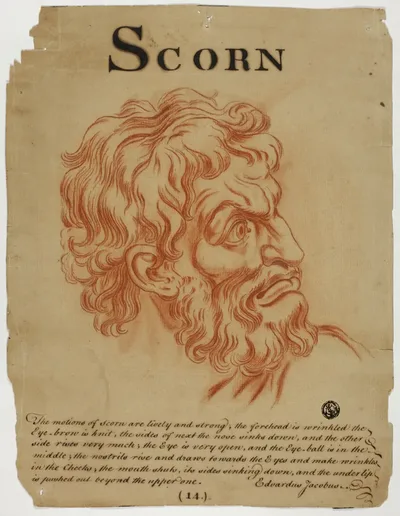
  • Scorn by Eduardus Jacobus, after 1698

    Scorn

    Eduardus Jacobus

    ΔE 15.7 · loosely related

    71% of canvas
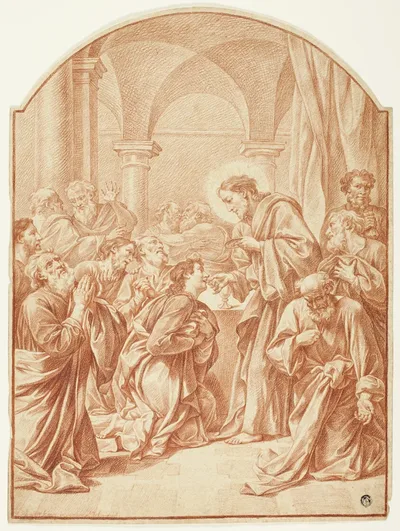
  • Communion of the Apostles by Johann Martin Schuster, n.d.

    Communion of the Apostles

    Johann Martin Schuster

    ΔE 4.1 · very close

    13% of canvas
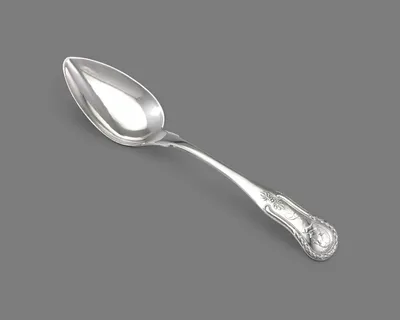
  • Spoon by Artist unknown, c. 1830

    Spoon

    Artist unknown

    ΔE 19.7 · loosely related

    91% of canvas
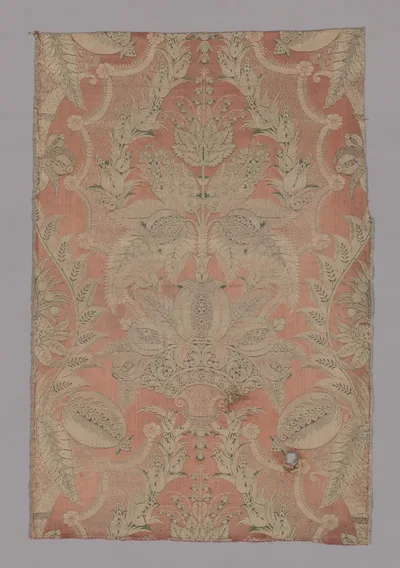
  • Panel by France, c. 1724/27

    Panel

    France

    ΔE 3.8 · very close

    11% of canvas
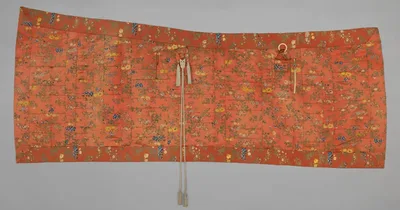
  • Kesa by Japan, Early 19th century, Late Edo period (1789–1868)

    Kesa

    Japan

    ΔE 6.2 · close

    23% of canvas
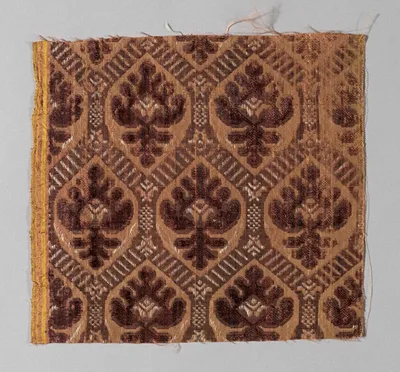
  • Fragment by Italy, 1625/75

    Fragment

    Italy

    ΔE 6.6 · close

    24% of canvas
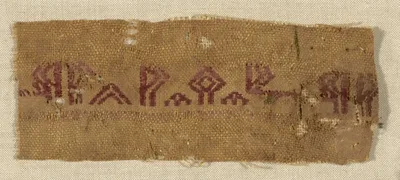
  • Fragment by Egypt, Fatimid period (969–1171)

    Fragment

    Egypt

    ΔE 10.4 · close

    43% of canvas
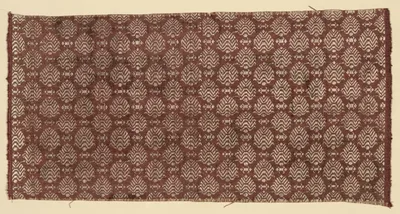
  • Fragment by Italy, 1650/1700

    Fragment

    Italy

    ΔE 7.2 · close

    27% of canvas
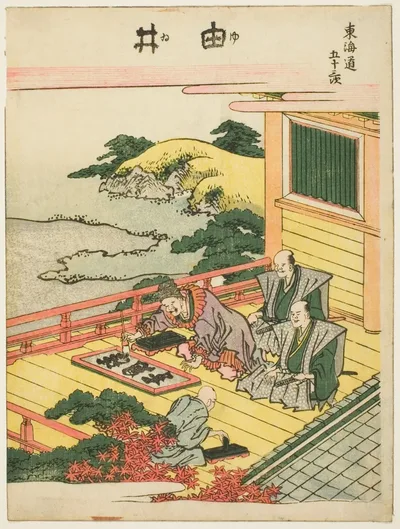
  • Yui, from the series ""Fifty-three Stations of the Tokaido (Tokaido gojusan tsugi)"" by Katsushika Hokusai, c. 1806

    Yui, from the series ""Fifty-three Stations of the Tokaido (Tokaido gojusan tsugi)""

    Katsushika Hokusai

    ΔE 3.6 · very close

    8% of canvas
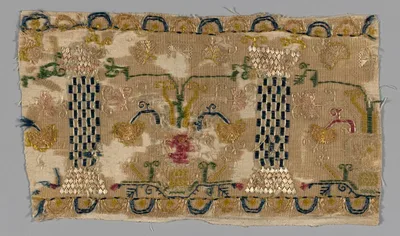
  • Fragment by Italy, 17th century

    Fragment

    Italy

    ΔE 10.2 · close

    41% of canvas
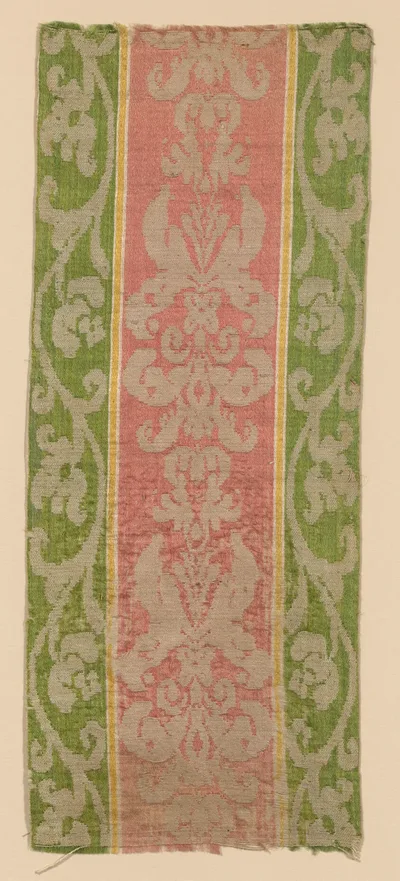
  • Fragment by Netherlands, 17th century

    Fragment

    Netherlands

    ΔE 4.8 · very close

    14% of canvas
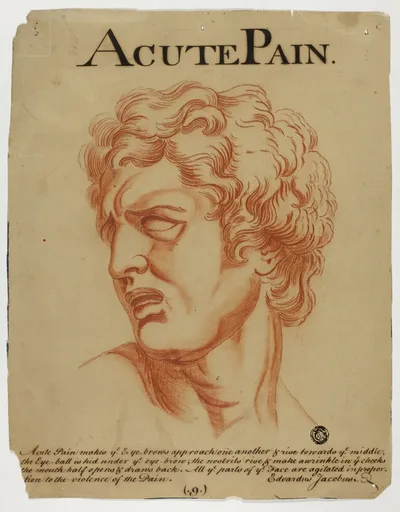
  • Acute Pain by Eduardus Jacobus, after 1698

    Acute Pain

    Eduardus Jacobus

    ΔE 5.1 · close

    16% of canvas
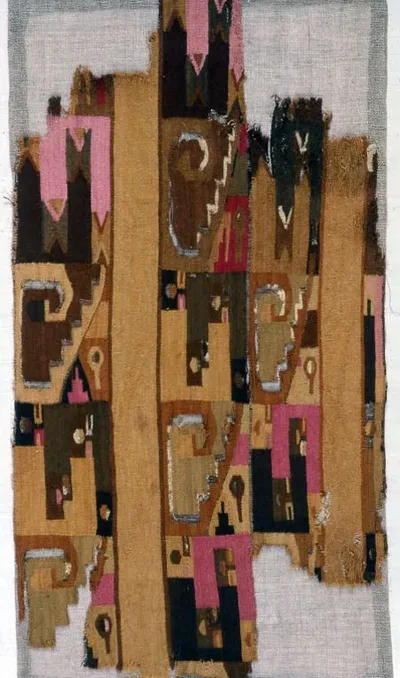
  • Fragment (From a Tunic) by Wari, 600 CE-800 CE

    Fragment (From a Tunic)

    Wari

    ΔE 10.5 · close

    43% of canvas
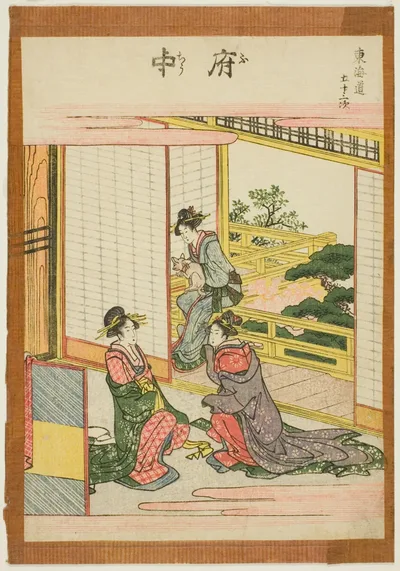
  • Fuchu, from the series "Fifty-three Stations of the Tokaido (Tokaido gojusan tsugi)" by Katsushika Hokusai, c. 1806

    Fuchu, from the series "Fifty-three Stations of the Tokaido (Tokaido gojusan tsugi)"

    Katsushika Hokusai

    ΔE 5.8 · close

    18% of canvas
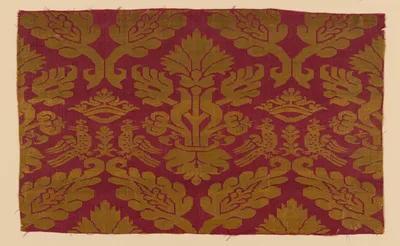
  • Fragment by Italy, 16th century

    Fragment

    Italy

    ΔE 2.6 · very close

    2% of canvas
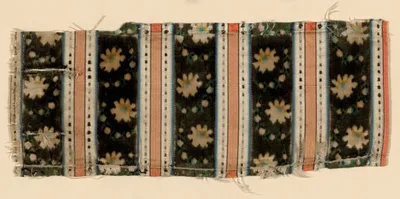
  • Fragment by Italy or France, 1750/1800

    Fragment

    Italy or France

    ΔE 4.9 · very close

    13% of canvas
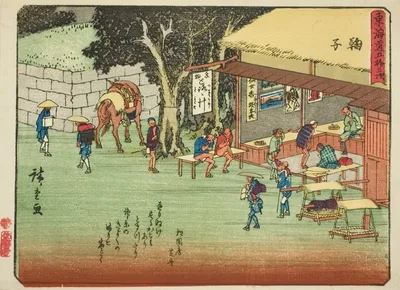
  • Mariko, from the series "Fifty-three Stations of the Tokaido (Tokaido gojusan tsugi)," also known as the Tokaido with Poem (Kyoka iri Tokaido) by Utagawa Hiroshige, c. 1837/42

    Mariko, from the series "Fifty-three Stations of the Tokaido (Tokaido gojusan tsugi)," also known as the Tokaido with Poem (Kyoka iri Tokaido)

    Utagawa Hiroshige

    ΔE 5.7 · close

    17% of canvas
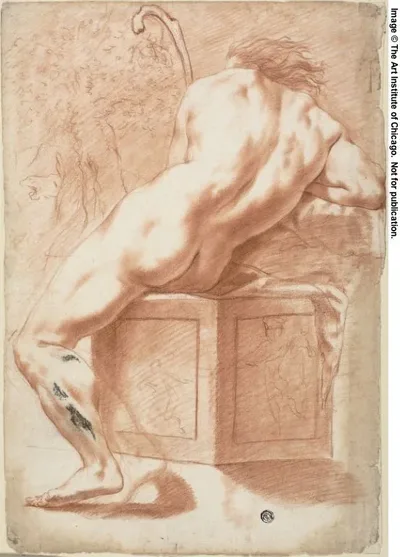
  • Back View of a Seated Male Nude Holding Shepherd's Crook by Filippo Ottani, 1775/79

    Back View of a Seated Male Nude Holding Shepherd's Crook

    Filippo Ottani

    ΔE 5.1 · close

    14% of canvas
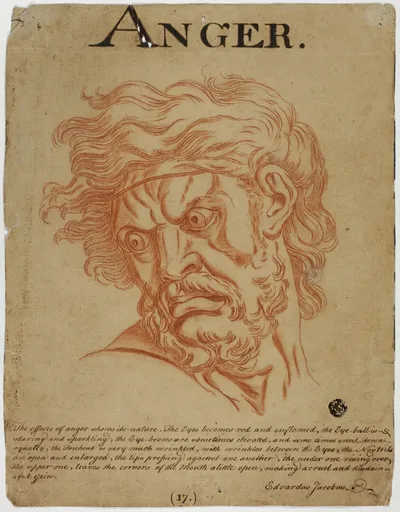
  • Anger by Eduardus Jacobus, after 1698

    Anger

    Eduardus Jacobus

    ΔE 5.3 · close

    15% of canvas
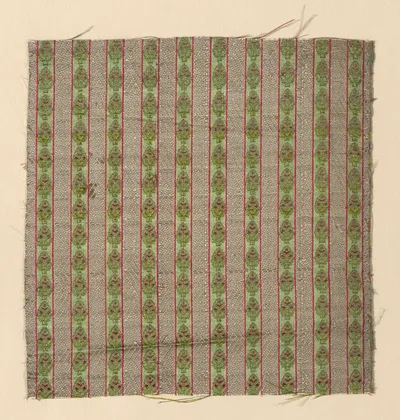
  • Fragment by India, 19th century

    Fragment

    India

    ΔE 5.8 · close

    17% of canvas
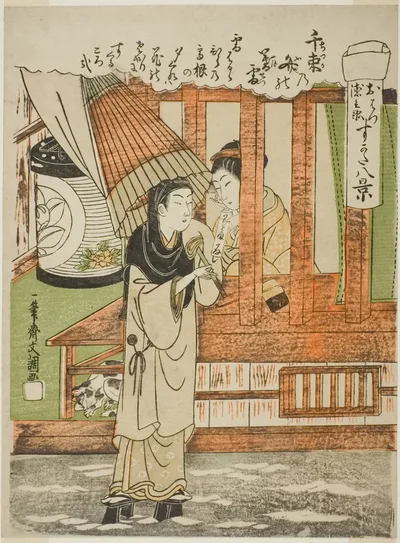
  • Chizuka no Fumi no Bosetsu (The Evening Snow of a Thousand Bundles of Love-Letters), the Lovers Ohatsu and Tokubei, from the series "Sugata Hakkei (Eight Views of Lovers)" by Ippitsusai Buncho, c. 1772

    Chizuka no Fumi no Bosetsu (The Evening Snow of a Thousand Bundles of Love-Letters), the Lovers Ohatsu and Tokubei, from the series "Sugata Hakkei (Eight Views of Lovers)"

    Ippitsusai Buncho

    ΔE 6.7 · close

    22% of canvas
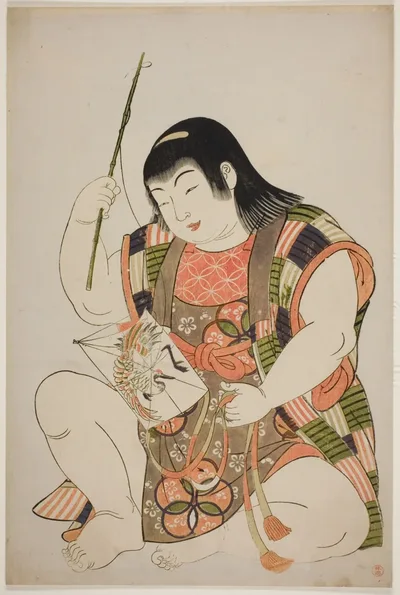
  • Boy as Hotei, from an untitled series of children as the Seven Gods of Good Fortune by Kitao Shigemasa, 1780s

    Boy as Hotei, from an untitled series of children as the Seven Gods of Good Fortune

    Kitao Shigemasa

    ΔE 5.7 · close

    17% of canvas
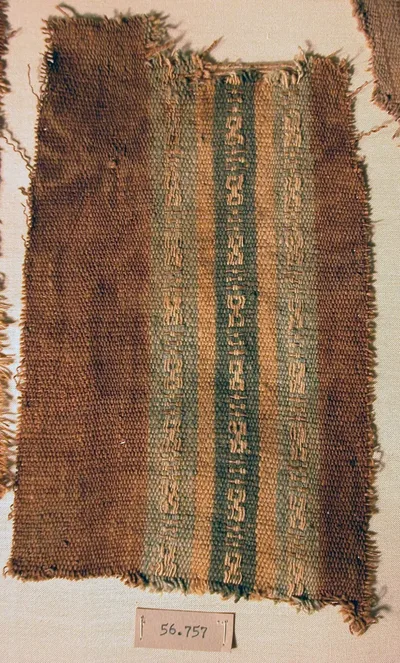
  • Fragment by Peru, north coast, Culebra Valley, La Capilla, 1000-1476

    Fragment

    Peru, north coast, Culebra Valley, La Capilla

    ΔE 7.6 · close

    26% of canvas
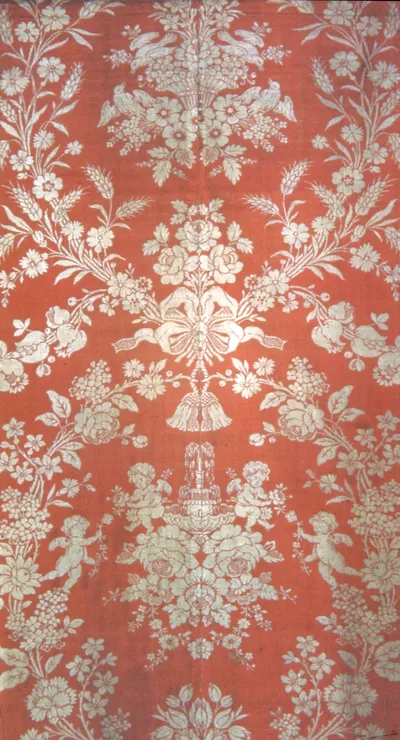
  • Panel by France, 1775/1800

    Panel

    France

    ΔE 6.1 · close

    18% of canvas
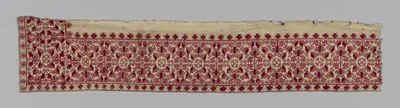
  • Border by Italy, Early 17th century

    Border

    Italy

    ΔE 6.0 · close

    18% of canvas
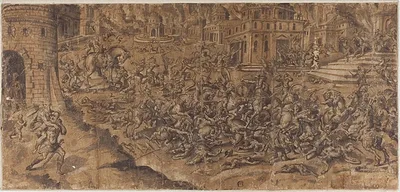
  • Aeneas Leaving the Burning City of Troy by Unknown artist, n.d.

    Aeneas Leaving the Burning City of Troy

    Unknown artist

    ΔE 9.1 · close

    33% of canvas
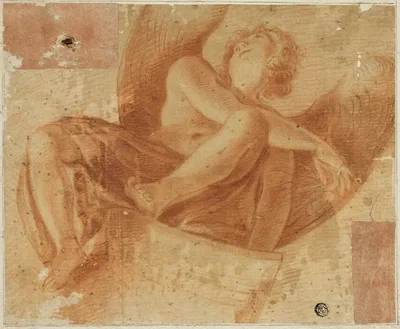
  • Foreshortened Angel by Antonio da Correggio, 1522/30

    Foreshortened Angel

    Antonio da Correggio

    ΔE 7.4 · close

    24% of canvas
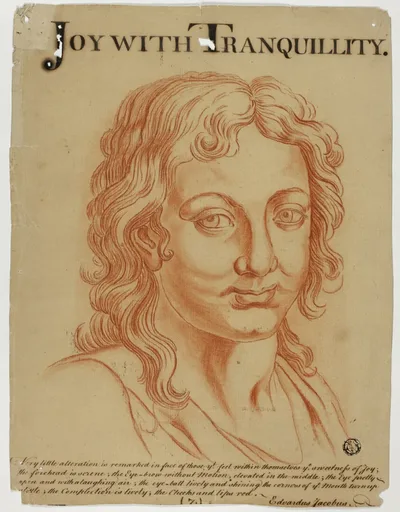
  • Joy with Tranquility by Eduardus Jacobus, after 1698

    Joy with Tranquility

    Eduardus Jacobus

    ΔE 5.4 · close

    13% of canvas
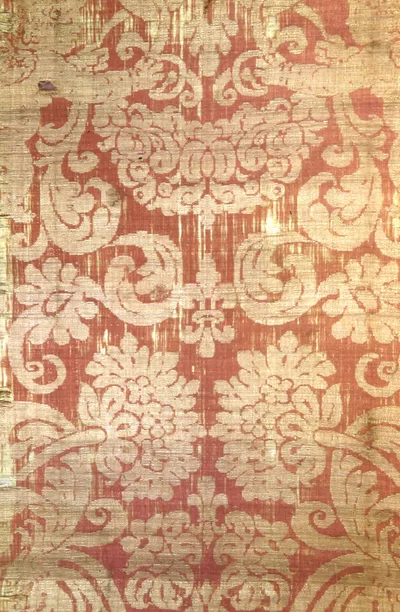
  • Panel by Italy, 16th/17th century

    Panel

    Italy

    ΔE 5.2 · close

    12% of canvas
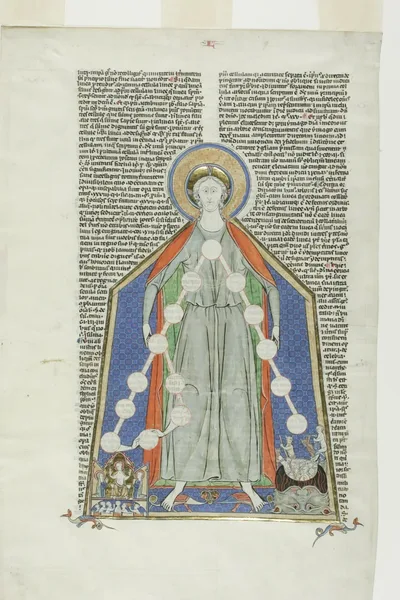
  • Table of Bigamy, from the Summa Super Titulis Decretalium Completa by Henry of Segusio, 1275/99

    Table of Bigamy, from the Summa Super Titulis Decretalium Completa

    Henry of Segusio

    ΔE 3.1 · very close

    2% of canvas
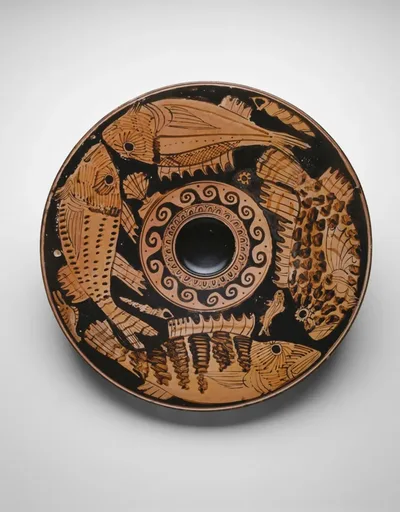
  • Fish Plate by Ancient Greek, 400-370 BCE

    Fish Plate

    Ancient Greek

    ΔE 6.7 · close

    20% of canvas
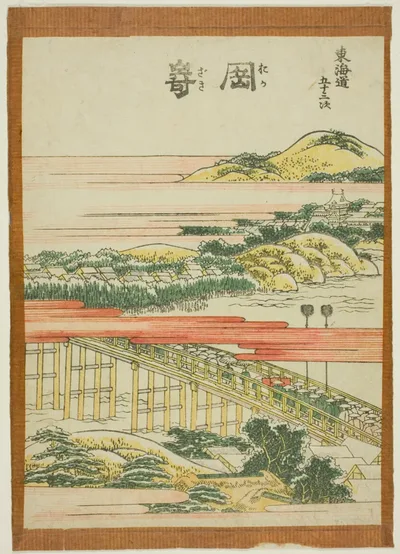
  • Okazaki, from the series "Fifty-three Stations of the Tokaido (Tokaido gojusan tsugi)" by Katsushika Hokusai, c. 1806

    Okazaki, from the series "Fifty-three Stations of the Tokaido (Tokaido gojusan tsugi)"

    Katsushika Hokusai

    ΔE 6.2 · close

    17% of canvas
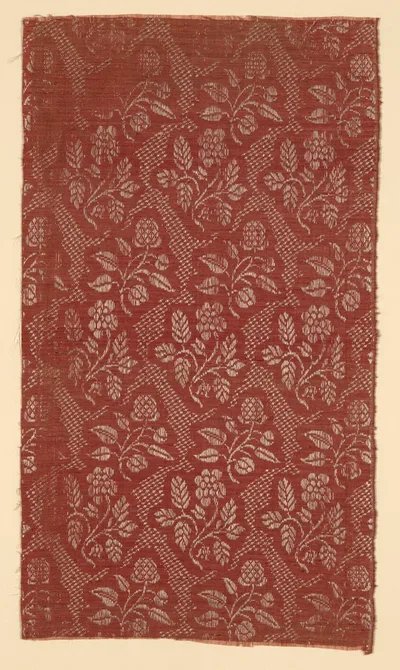
  • Fragment by Europe, 19th century

    Fragment

    Europe

    ΔE 5.9 · close

    15% of canvas

What ΔE means, and what this does not measure