Skip to content
Chroma
#dad3c2

Ranked by perceptual distance

Works near #dad3c2

Ranked by CIEDE2000 distance to each work’s nearest palette entry, weighted by how much of the canvas that colour covers. Each result shows the real perceptual distance and that coverage, not the blended score that produced the order.

Pick a different colour

Drag the ring or use the arrow keys. Every result is ranked by how close it is in CIELAB, weighted by how much of the canvas the colour covers.

Closest first

60 of 1,497 works
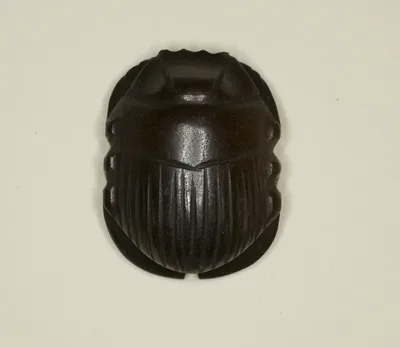
  • Scarab Amulet by Ancient Egyptian, Ptolemaic Period (332–30 BCE)

    Scarab Amulet

    Ancient Egyptian

    ΔE 1.9 · near-exact

    72% of canvas
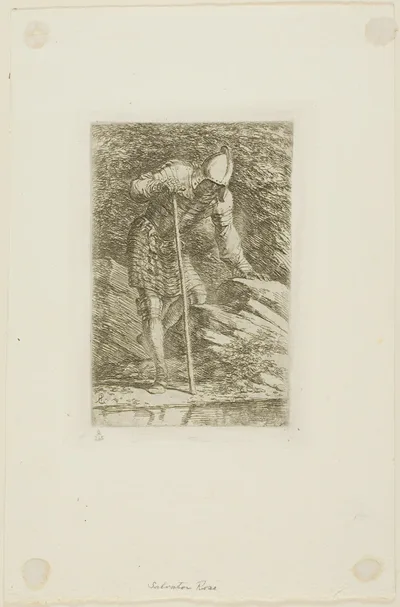
  • A Warrior in Full Armor in a Grotto by Salvator Rosa, n.d.

    A Warrior in Full Armor in a Grotto

    Salvator Rosa

    ΔE 2.8 · very close

    73% of canvas
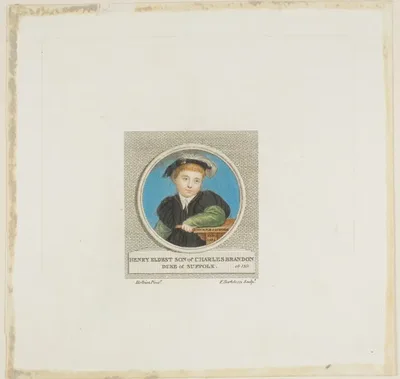
  • Henry Brandon by Francesco Bartolozzi, published March 26, 1798

    Henry Brandon

    Francesco Bartolozzi

    ΔE 4.3 · very close

    77% of canvas
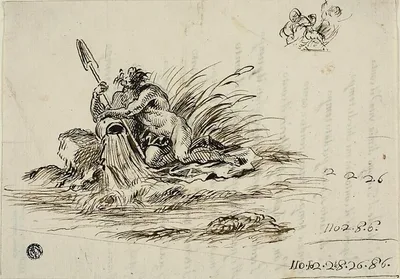
  • Recto: A River God; verso: a sonnet by Santi Rinaldi by Unknown Florentine, late 1600s

    Recto: A River God; verso: a sonnet by Santi Rinaldi

    Unknown Florentine

    ΔE 2.1 · very close

    66% of canvas
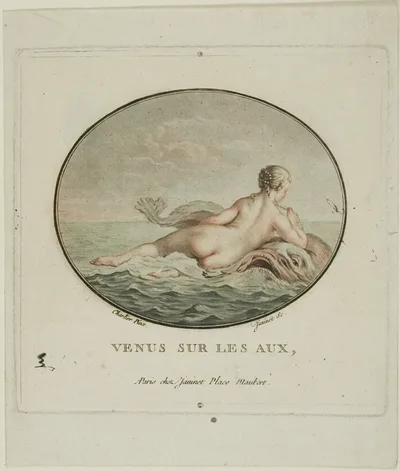
  • Venus Sur Les Aux by Jean François Janinet, n.d.

    Venus Sur Les Aux

    Jean François Janinet

    ΔE 2.8 · very close

    68% of canvas
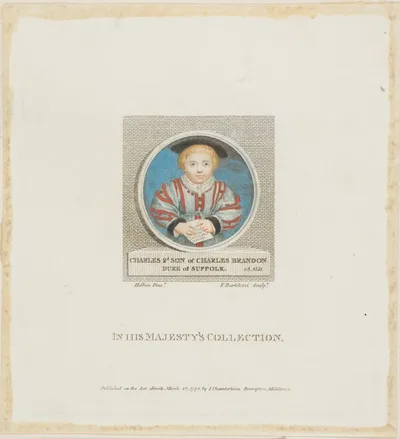
  • Charles Brandon by Francesco Bartolozzi, 1798

    Charles Brandon

    Francesco Bartolozzi

    ΔE 4.2 · very close

    75% of canvas
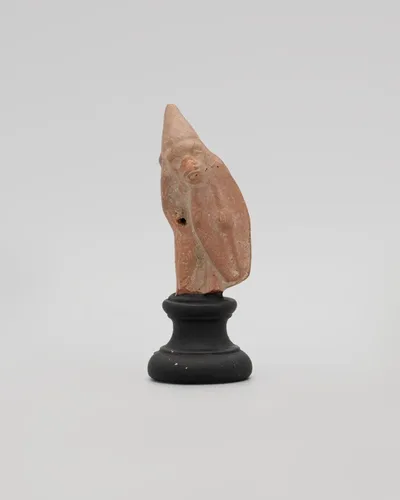
  • Fragmentary Figurine of a Monkey by Ancient Greek, 3rd-1st century BCE

    Fragmentary Figurine of a Monkey

    Ancient Greek

    ΔE 7.4 · close

    90% of canvas
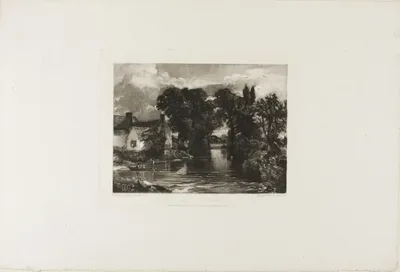
  • Mill Stream by David Lucas, 1831

    Mill Stream

    David Lucas

    ΔE 5.2 · close

    79% of canvas
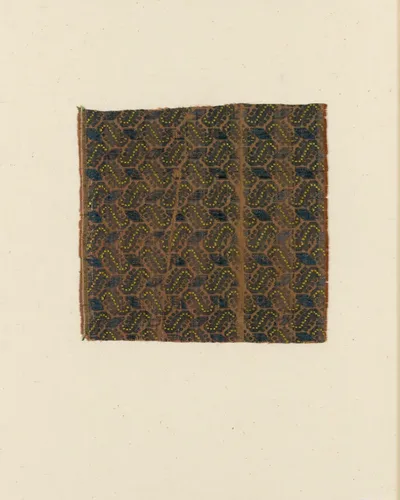
  • Fragment by Italy, 1625/75

    Fragment

    Italy

    ΔE 3.9 · very close

    70% of canvas
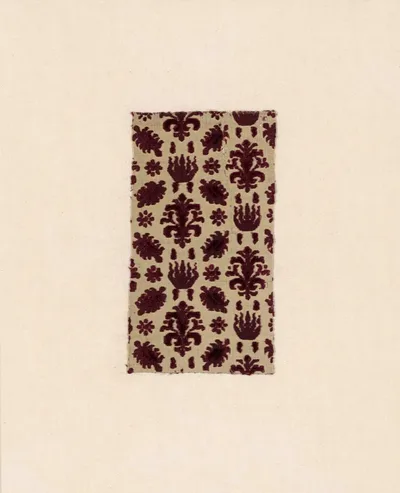
  • Fragment by Italy or Spain, 1625/50

    Fragment

    Italy or Spain

    ΔE 5.9 · close

    80% of canvas
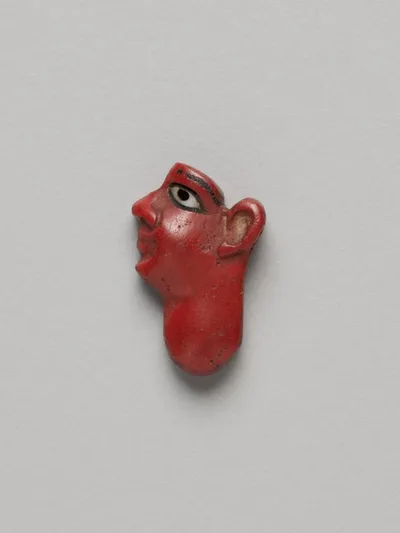
  • Inlay Depicting the Face of a King by Ancient Egyptian, Ptolemaic Period (332–30 BCE)

    Inlay Depicting the Face of a King

    Ancient Egyptian

    ΔE 7.9 · close

    89% of canvas
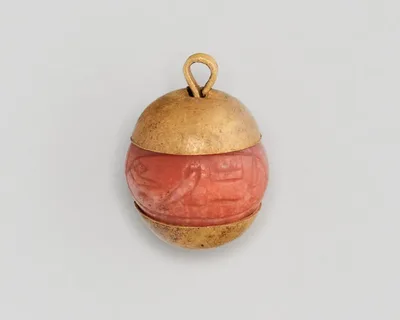
  • Bead with Name of King Amenemhat by Ancient Egyptian, Middle Kingdom, Dynasty 12, about 1985–1777 BCE

    Bead with Name of King Amenemhat

    Ancient Egyptian

    ΔE 6.9 · close

    84% of canvas
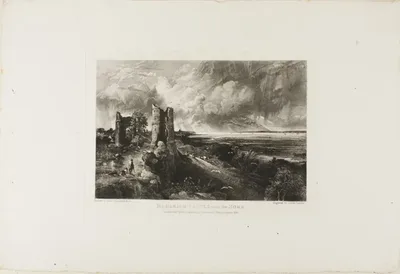
  • Hadley Castle, Near the Nore by David Lucas, n.d.

    Hadley Castle, Near the Nore

    David Lucas

    ΔE 4.9 · very close

    73% of canvas
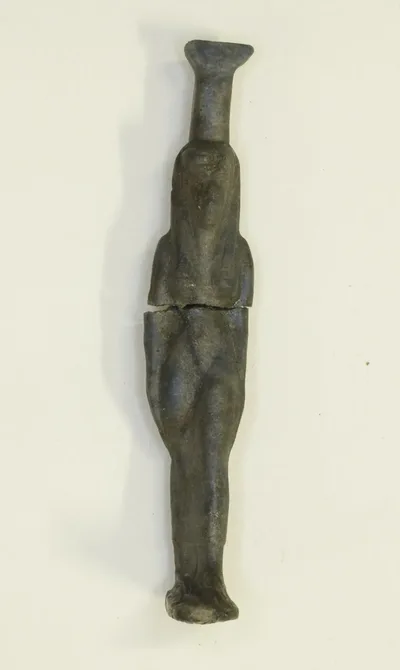
  • Amulet of the Goddess Nephthys by Ancient Egyptian, Third Intermediate Period, Dynasty 21–25 (1070–656 BCE)

    Amulet of the Goddess Nephthys

    Ancient Egyptian

    ΔE 5.0 · close

    74% of canvas
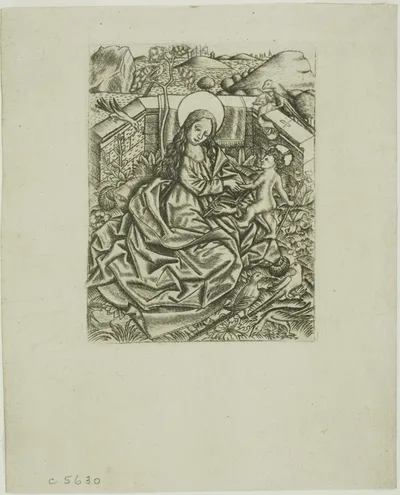
  • The Virgin and Child in the Garden by Israhel van Meckenem, the younger, n.d.

    The Virgin and Child in the Garden

    Israhel van Meckenem, the younger

    ΔE 4.1 · very close

    68% of canvas
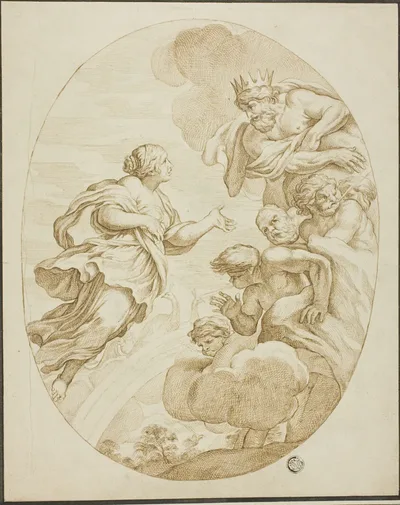
  • Juno, Zeus and Aeolus by Pietro da Cortona, n.d.

    Juno, Zeus and Aeolus

    Pietro da Cortona

    ΔE 2.5 · very close

    59% of canvas
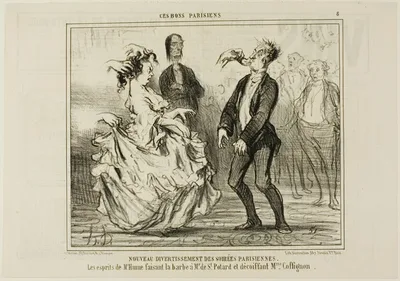
  • New Entertainment at the Parisian Evening Parties. The spirit of Mr. Hume shaving the beard of Monsieur de St. Potard and undoing the hair of Madame Coffignon, plate 8 from Ces Bons Parisiens by Honoré-Victorin Daumier, 1857

    New Entertainment at the Parisian Evening Parties. The spirit of Mr. Hume shaving the beard of Monsieur de St. Potard and undoing the hair of Madame Coffignon, plate 8 from Ces Bons Parisiens

    Honoré-Victorin Daumier

    ΔE 1.5 · near-exact

    53% of canvas
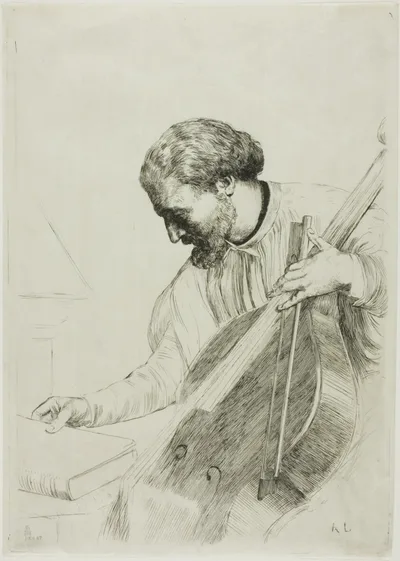
  • The Double Bass Player by Alphonse Legros, c. 1873

    The Double Bass Player

    Alphonse Legros

    ΔE 2.5 · very close

    59% of canvas
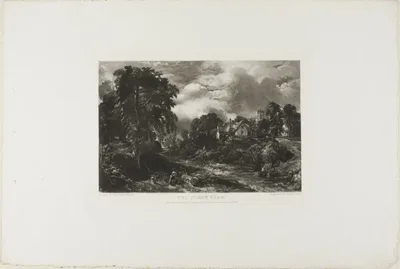
  • Glebe Farm by David Lucas, published June 1832

    Glebe Farm

    David Lucas

    ΔE 5.8 · close

    75% of canvas
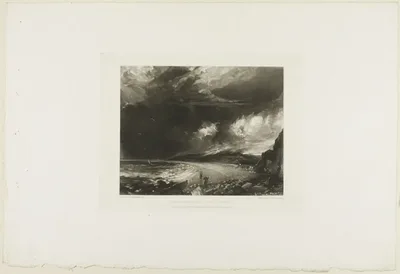
  • Weymouth Bay, Dorsetshire by David Lucas, 1830

    Weymouth Bay, Dorsetshire

    David Lucas

    ΔE 5.5 · close

    73% of canvas
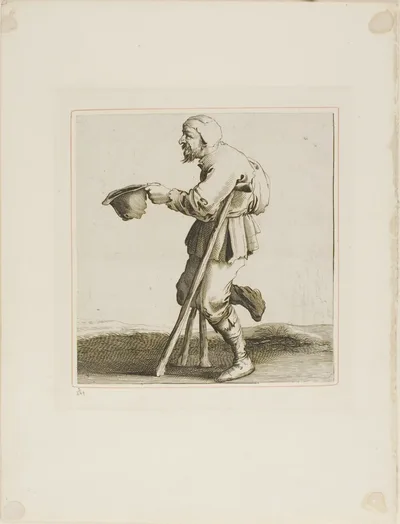
  • Lame Beggar Asking for Alms, from T is al verwart-gaern (It's already confusing) by Pieter Jansz. Quast, n.d.

    Lame Beggar Asking for Alms, from T is al verwart-gaern (It's already confusing)

    Pieter Jansz. Quast

    ΔE 2.8 · very close

    59% of canvas
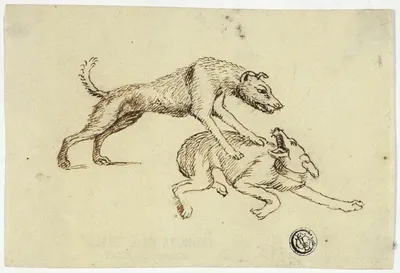
  • Two Dogs Fighting by Unknown artist, n.d.

    Two Dogs Fighting

    Unknown artist

    ΔE 6.0 · close

    75% of canvas
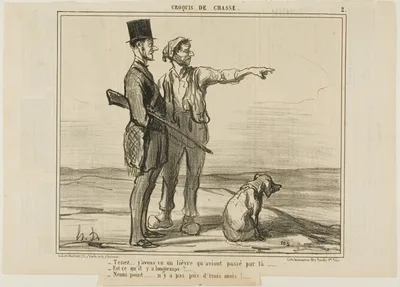
  • “- Listen... I saw a hare over there... - Was that a long time ago? - Not at all... it was less than three months ago...,” plate 2 from Croquis De Chasse by Honoré-Victorin Daumier, 1857

    “- Listen... I saw a hare over there... - Was that a long time ago? - Not at all... it was less than three months ago...,” plate 2 from Croquis De Chasse

    Honoré-Victorin Daumier

    ΔE 2.5 · very close

    57% of canvas
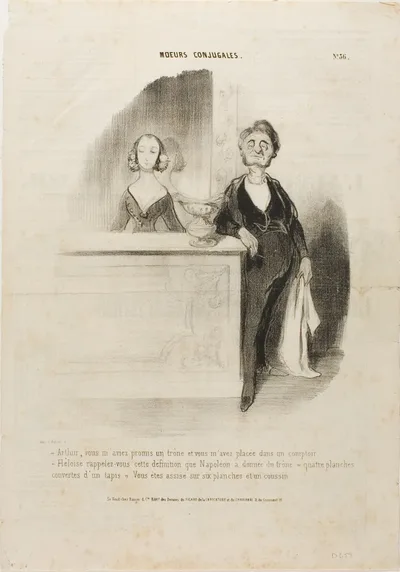
  • “- Arthur, you had promised me a throne and all you did is put me behind a counter. - Eloise, remember Napoleon's definition of a throne: 'four boards covered with a carpet.' You are sitting on six boards and a cushion,” plate 36 from Moeurs Conjugales by Honoré-Victorin Daumier, published April 11, 1841

    “- Arthur, you had promised me a throne and all you did is put me behind a counter. - Eloise, remember Napoleon's definition of a throne: 'four boards covered with a carpet.' You are sitting on six boards and a cushion,” plate 36 from Moeurs Conjugales

    Honoré-Victorin Daumier

    ΔE 1.8 · near-exact

    54% of canvas
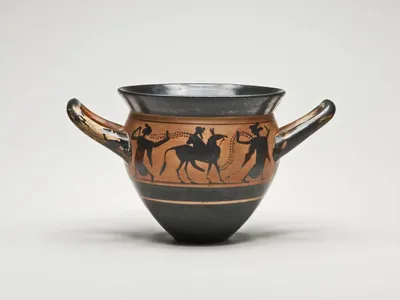
  • Mastoid (Drinking Cup) with Handles by Ancient Greek, 500-480 BCE

    Mastoid (Drinking Cup) with Handles

    Ancient Greek

    ΔE 6.8 · close

    78% of canvas
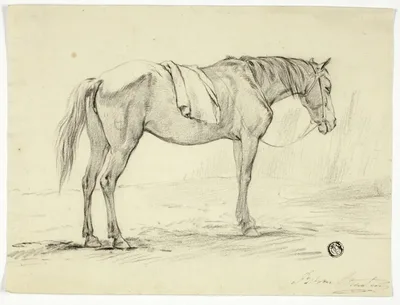
  • Standing Horse by Unknown artist, n.d.

    Standing Horse

    Unknown artist

    ΔE 5.5 · close

    71% of canvas
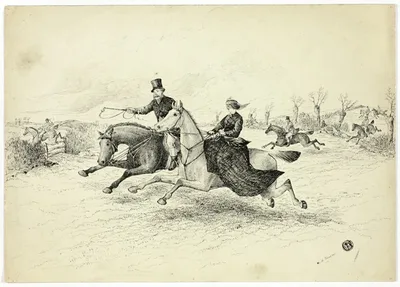
  • Fox Hunt, Lady and Gentleman Riders by W. H. Temple, c. 1865

    Fox Hunt, Lady and Gentleman Riders

    W. H. Temple

    ΔE 5.9 · close

    73% of canvas
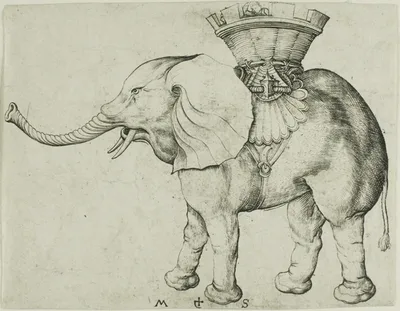
  • The Elephant by Martin Schongauer, c. 1485

    The Elephant

    Martin Schongauer

    ΔE 3.9 · very close

    63% of canvas
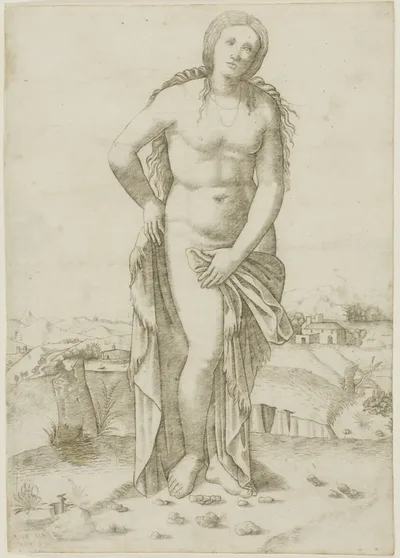
  • Venus by Giovanni Antonio da Brescia, c. 1513

    Venus

    Giovanni Antonio da Brescia

    ΔE 1.2 · near-exact

    50% of canvas
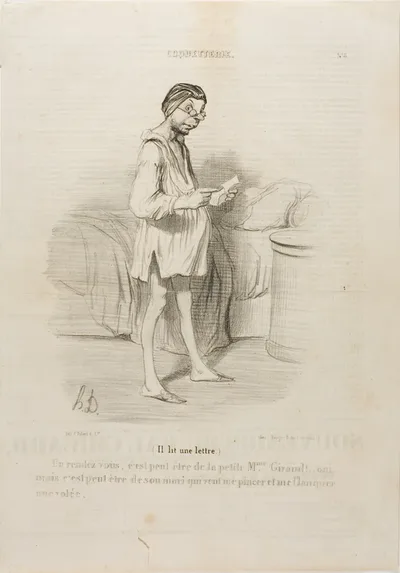
  • (He is reading a letter) “A date, could it be from the cute Mme Giraud?? Yes, but it could also come from her husband who wants to pinch me…,” plate 8 from Coquetterie by Honoré-Victorin Daumier, published May 14, 1840

    (He is reading a letter) “A date, could it be from the cute Mme Giraud?? Yes, but it could also come from her husband who wants to pinch me…,” plate 8 from Coquetterie

    Honoré-Victorin Daumier

    ΔE 1.3 · near-exact

    50% of canvas
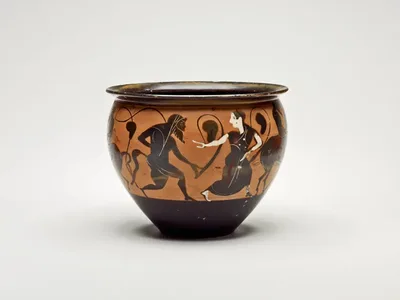
  • Mastoid (Drinking Cup) by Caylus Painter, about 500-480 BCE

    Mastoid (Drinking Cup)

    Caylus Painter

    ΔE 7.2 · close

    79% of canvas
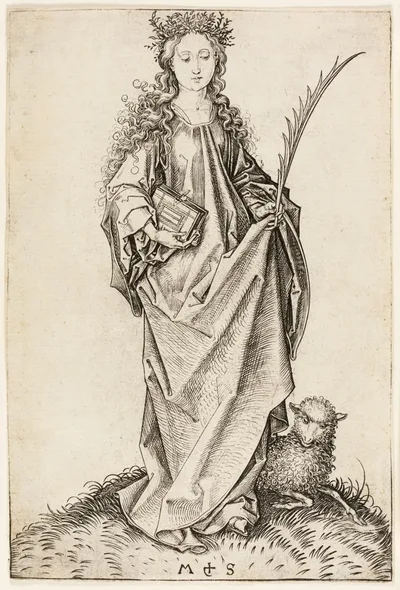
  • St. Agnes by Martin Schongauer, c. 1470-1490

    St. Agnes

    Martin Schongauer

    ΔE 2.6 · very close

    56% of canvas
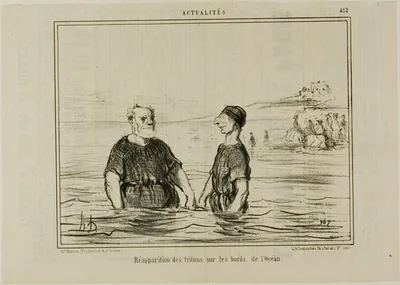
  • The Reappearance of the Tritons of the Sea, plate 412 from Actualités by Honoré-Victorin Daumier, 1857

    The Reappearance of the Tritons of the Sea, plate 412 from Actualités

    Honoré-Victorin Daumier

    ΔE 5.1 · close

    68% of canvas
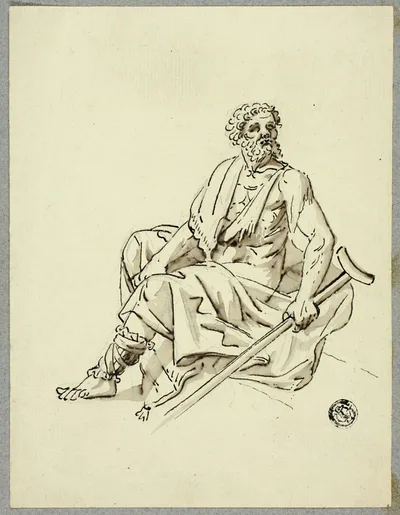
  • Seated Old Man with Crutch by Hans Heinrich Meyer, n.d.

    Seated Old Man with Crutch

    Hans Heinrich Meyer

    ΔE 6.1 · close

    73% of canvas
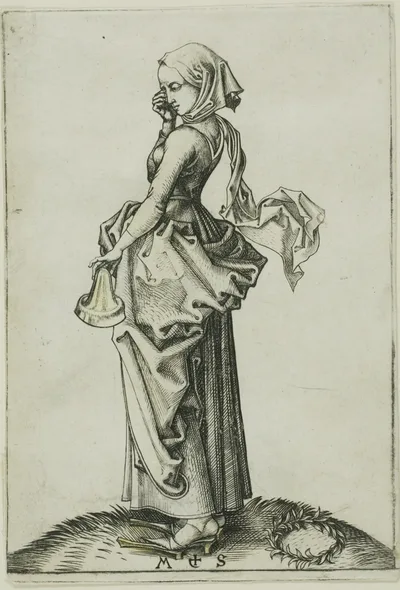
  • The Fifth Foolish Virgin by Martin Schongauer, 1480-91

    The Fifth Foolish Virgin

    Martin Schongauer

    ΔE 4.0 · very close

    63% of canvas
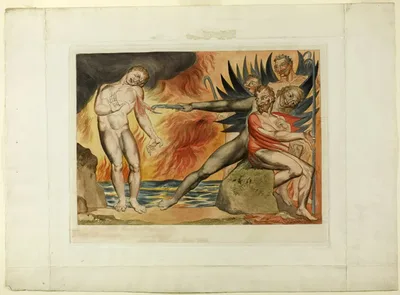
  • The Circle of the Corrupt Officials; the Devils Tormenting Ciampolo. Inferno, canto XXII by William Blake, 1827, printed c. 1892

    The Circle of the Corrupt Officials; the Devils Tormenting Ciampolo. Inferno, canto XXII

    William Blake

    ΔE 4.2 · very close

    64% of canvas
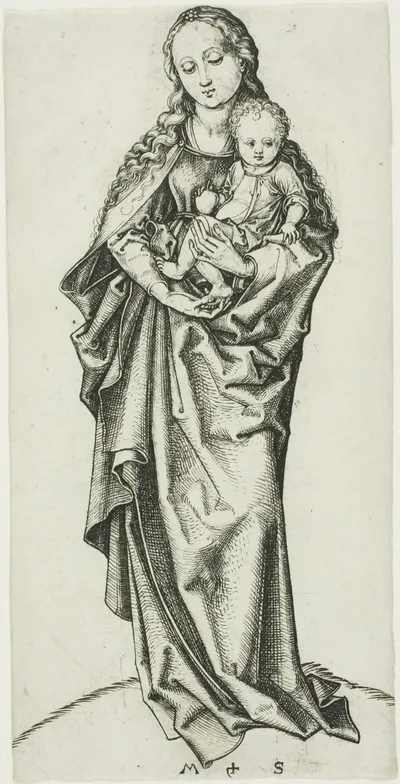
  • The Madonna and Child with an Apple by Martin Schongauer, c. 1475

    The Madonna and Child with an Apple

    Martin Schongauer

    ΔE 3.5 · very close

    59% of canvas
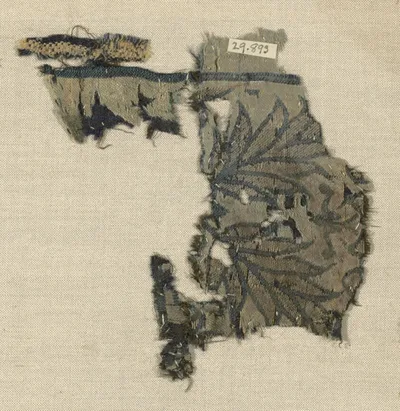
  • Fragment by Egypt, Mamluk period (1250–1517), 14th century

    Fragment

    Egypt

    ΔE 4.3 · very close

    63% of canvas
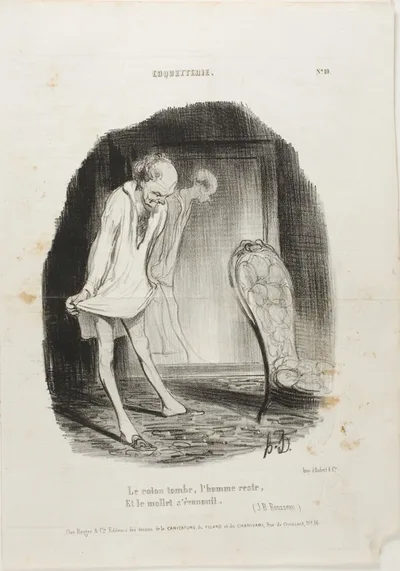
  • The Gown Falls, Man Remains, and the Legs are Shaking. (J.B. Rousseau), plate 10 from Coquetterie by Honoré-Victorin Daumier, published October 18, 1840

    The Gown Falls, Man Remains, and the Legs are Shaking. (J.B. Rousseau), plate 10 from Coquetterie

    Honoré-Victorin Daumier

    ΔE 4.1 · very close

    62% of canvas
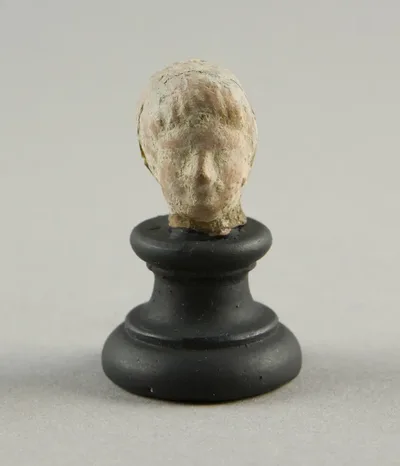
  • Head of a Man by Ancient Greek, 4th-3rd century BCE

    Head of a Man

    Ancient Greek

    ΔE 6.1 · close

    72% of canvas
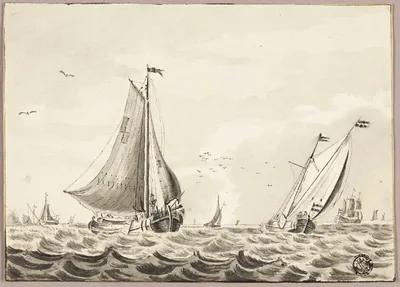
  • Sailboats on Sea by Unknown artist, n.d.

    Sailboats on Sea

    Unknown artist

    ΔE 4.2 · very close

    62% of canvas
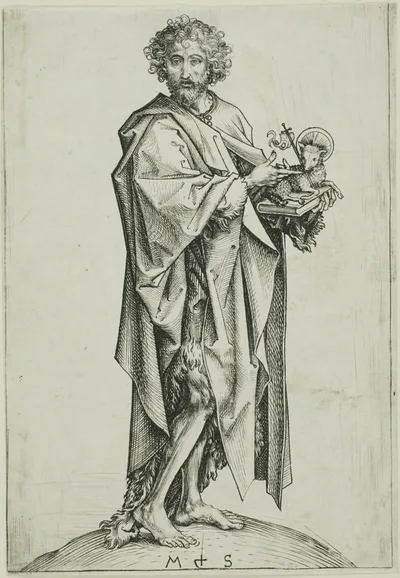
  • St. John the Baptist by Martin Schongauer, n.d.

    St. John the Baptist

    Martin Schongauer

    ΔE 4.0 · very close

    61% of canvas
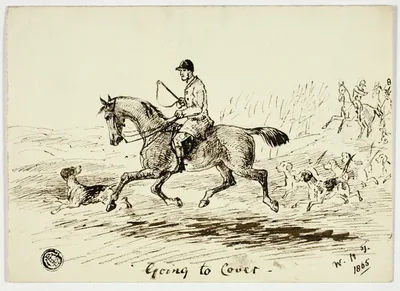
  • Going to Cover by W. H. Temple, 1865

    Going to Cover

    W. H. Temple

    ΔE 4.9 · very close

    65% of canvas
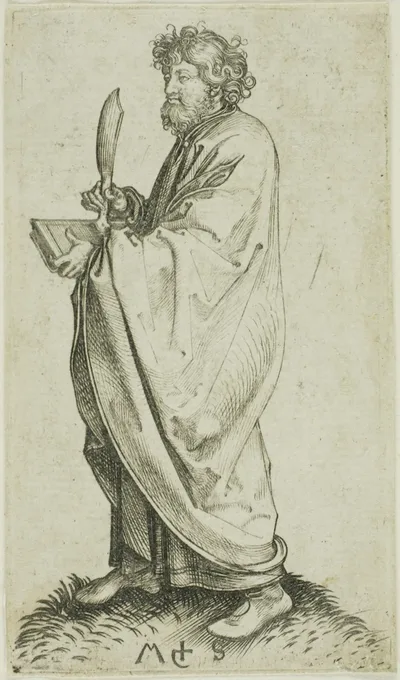
  • St. Bartholomew, from Apostles by Martin Schongauer, n.d.

    St. Bartholomew, from Apostles

    Martin Schongauer

    ΔE 4.4 · very close

    63% of canvas
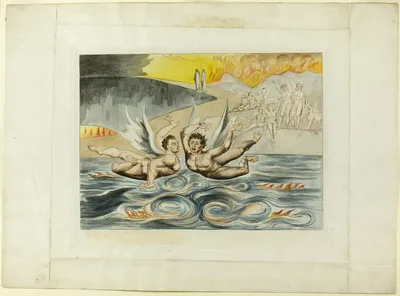
  • The Circle of the Corrupt Officials; the Devils Mauling Each Other. Inferno, canto XXII. by William Blake, 1827, printed c. 1892

    The Circle of the Corrupt Officials; the Devils Mauling Each Other. Inferno, canto XXII.

    William Blake

    ΔE 4.4 · very close

    63% of canvas
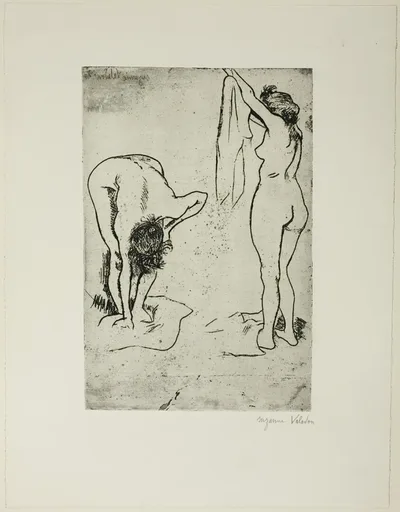
  • Two Women Drying Themselves by Suzanne Valadon, 1895

    Two Women Drying Themselves

    Suzanne Valadon

    ΔE 2.7 · very close

    54% of canvas
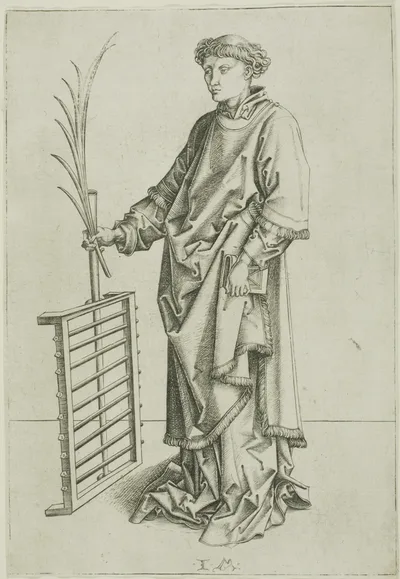
  • St. Laurence by Israhel van Meckenem, the younger, n.d.

    St. Laurence

    Israhel van Meckenem, the younger

    ΔE 3.8 · very close

    59% of canvas
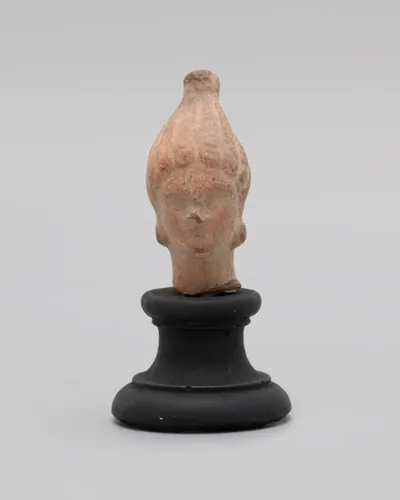
  • Head of a Woman by Ancient Greek, 4th-3rd century BCE

    Head of a Woman

    Ancient Greek

    ΔE 8.4 · close

    82% of canvas
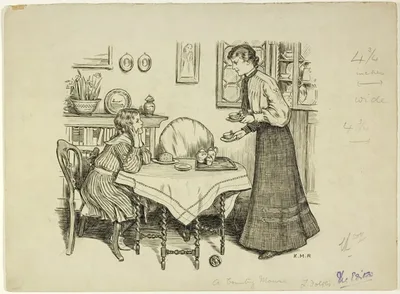
  • A Country Mouse by Katherine May Roberts, n.d.

    A Country Mouse

    Katherine May Roberts

    ΔE 4.9 · very close

    65% of canvas
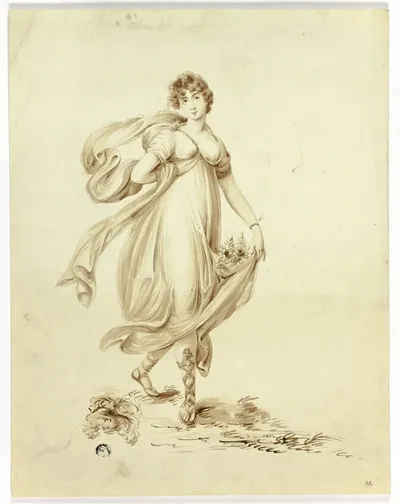
  • Young Woman Bearing Flowers by Samuel Lane, 1812

    Young Woman Bearing Flowers

    Samuel Lane

    ΔE 6.8 · close

    74% of canvas
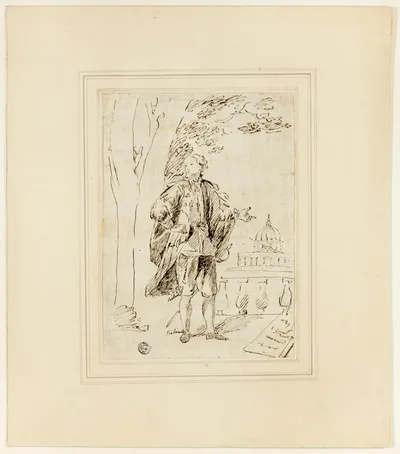
  • Full Length Portrait of a Man Standing near Balustrade by John Vanderbank, c. 1737

    Full Length Portrait of a Man Standing near Balustrade

    John Vanderbank

    ΔE 4.7 · very close

    64% of canvas
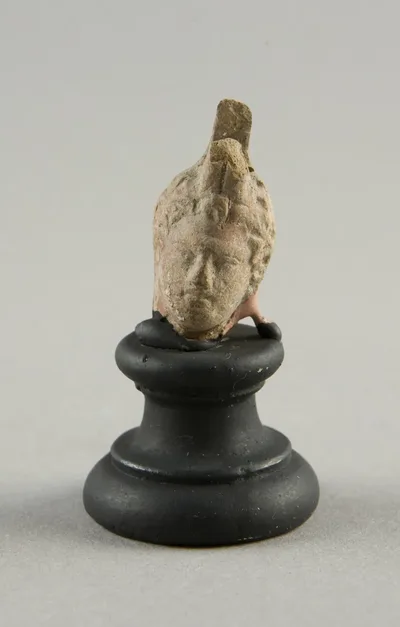
  • Head of a Man by Ancient Greek, 3rd-1st century BCE

    Head of a Man

    Ancient Greek

    ΔE 6.5 · close

    73% of canvas
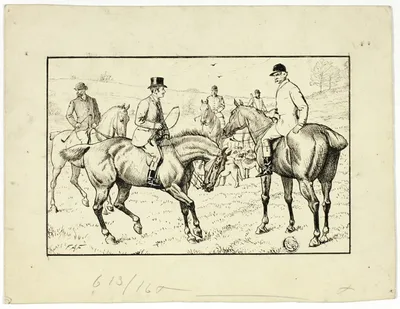
  • Riders and Dogs at Hunt by Francis Arthur Fraser, 1867/83

    Riders and Dogs at Hunt

    Francis Arthur Fraser

    ΔE 5.9 · close

    69% of canvas
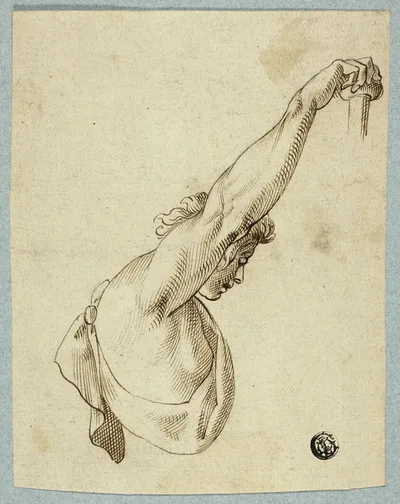
  • Upper Torso with Upstretched Arms by Unknown artist, n.d.

    Upper Torso with Upstretched Arms

    Unknown artist

    ΔE 5.3 · close

    66% of canvas
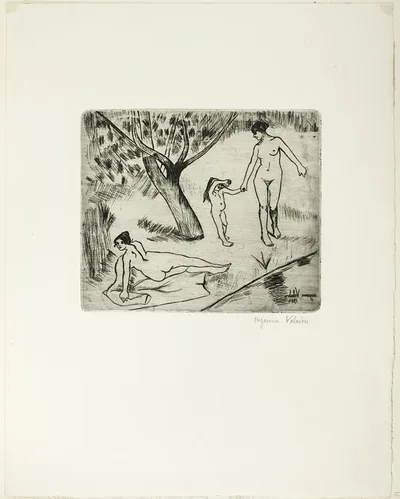
  • Women and Child at the Edge of the Water by Suzanne Valadon, 1904

    Women and Child at the Edge of the Water

    Suzanne Valadon

    ΔE 6.6 · close

    72% of canvas
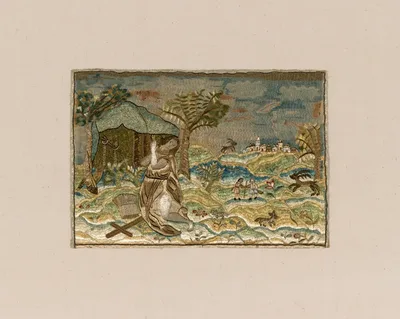
  • Picture by England, 17th century

    Picture

    England

    ΔE 5.1 · close

    65% of canvas
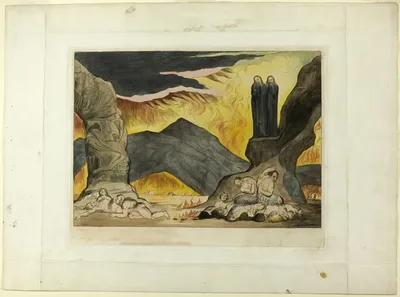
  • The Circle of the Falsifiers: Dante and Virgil Covering their Noses Because of the Stench. Inferno, canto XXIX by William Blake, 1827, printed c. 1892

    The Circle of the Falsifiers: Dante and Virgil Covering their Noses Because of the Stench. Inferno, canto XXIX

    William Blake

    ΔE 4.6 · very close

    62% of canvas
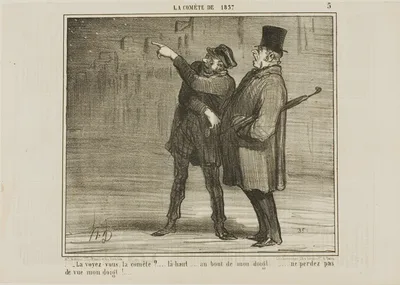
  • "- Can you see the comet?... just there, at the tip of my finger ... don't lose sight of my finger tip!," plate 5 from La Comète De 1857 by Honoré-Victorin Daumier, 1857

    "- Can you see the comet?... just there, at the tip of my finger ... don't lose sight of my finger tip!," plate 5 from La Comète De 1857

    Honoré-Victorin Daumier

    ΔE 0.5 · near-exact

    41% of canvas
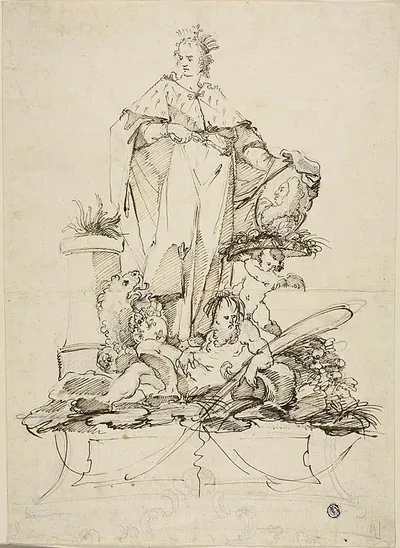
  • Allegory in Honor of Grand Duke Gian-Gastone de' Medici by Pietro Antonio Novelli, c. 1700-1740

    Allegory in Honor of Grand Duke Gian-Gastone de' Medici

    Pietro Antonio Novelli

    ΔE 2.2 · very close

    50% of canvas
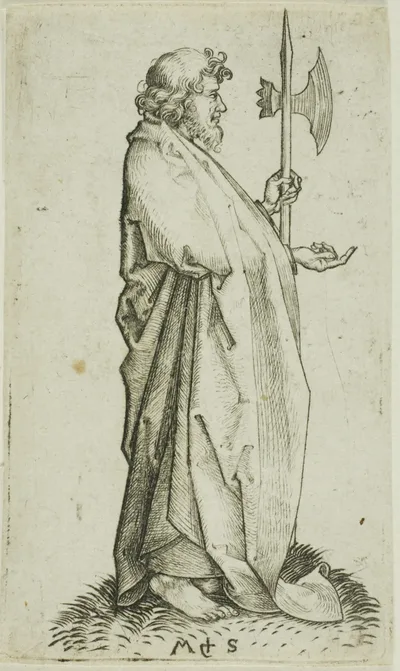
  • St. Matthias, from Apostles by Martin Schongauer, n.d.

    St. Matthias, from Apostles

    Martin Schongauer

    ΔE 3.8 · very close

    57% of canvas

What ΔE means, and what this does not measure