Skip to content
Chroma
#e9e7df

Ranked by perceptual distance

Works near #e9e7df

Ranked by CIEDE2000 distance to each work’s nearest palette entry, weighted by how much of the canvas that colour covers. Each result shows the real perceptual distance and that coverage, not the blended score that produced the order.

Pick a different colour

Drag the ring or use the arrow keys. Every result is ranked by how close it is in CIELAB, weighted by how much of the canvas the colour covers.

Closest first

60 of 1,497 works
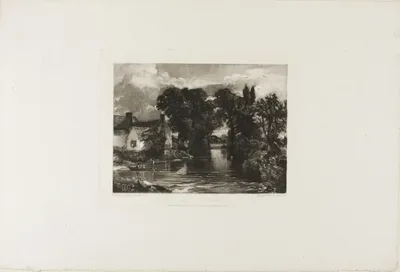
  • Mill Stream by David Lucas, 1831

    Mill Stream

    David Lucas

    ΔE 1.0 · near-exact

    79% of canvas
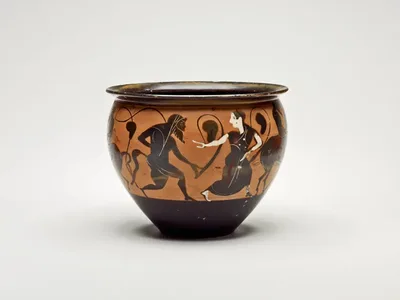
  • Mastoid (Drinking Cup) by Caylus Painter, about 500-480 BCE

    Mastoid (Drinking Cup)

    Caylus Painter

    ΔE 1.8 · near-exact

    79% of canvas
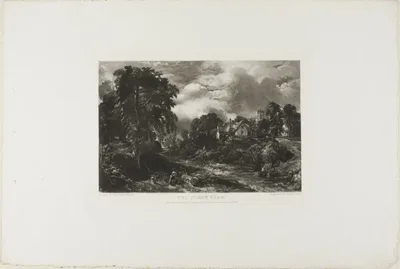
  • Glebe Farm by David Lucas, published June 1832

    Glebe Farm

    David Lucas

    ΔE 1.1 · near-exact

    75% of canvas
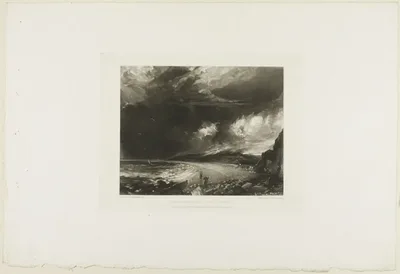
  • Weymouth Bay, Dorsetshire by David Lucas, 1830

    Weymouth Bay, Dorsetshire

    David Lucas

    ΔE 0.7 · near-exact

    73% of canvas
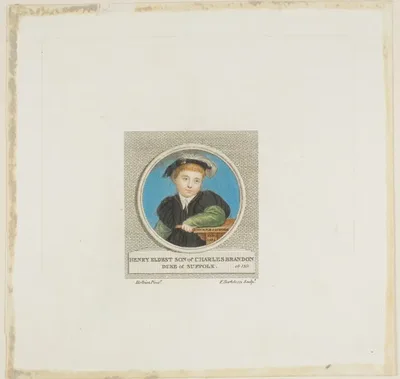
  • Henry Brandon by Francesco Bartolozzi, published March 26, 1798

    Henry Brandon

    Francesco Bartolozzi

    ΔE 1.7 · near-exact

    77% of canvas
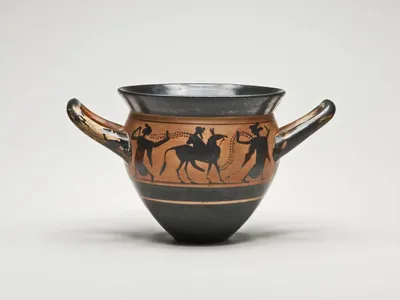
  • Mastoid (Drinking Cup) with Handles by Ancient Greek, 500-480 BCE

    Mastoid (Drinking Cup) with Handles

    Ancient Greek

    ΔE 2.2 · very close

    78% of canvas
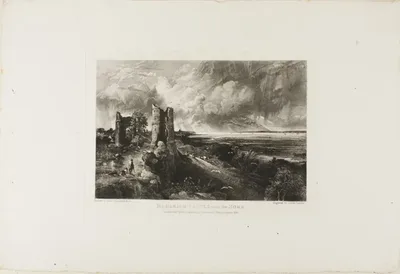
  • Hadley Castle, Near the Nore by David Lucas, n.d.

    Hadley Castle, Near the Nore

    David Lucas

    ΔE 1.4 · near-exact

    73% of canvas
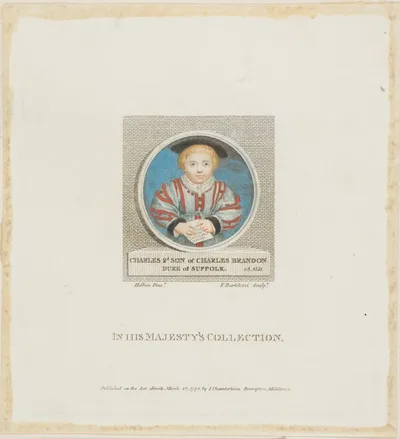
  • Charles Brandon by Francesco Bartolozzi, 1798

    Charles Brandon

    Francesco Bartolozzi

    ΔE 1.8 · near-exact

    75% of canvas
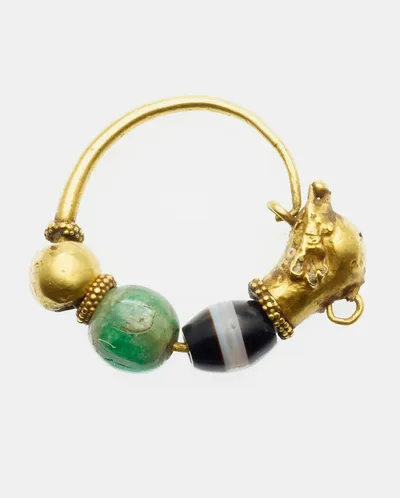
  • Earring with Dolphin Head Finial by Ancient Greek, 3rd-2nd century BCE

    Earring with Dolphin Head Finial

    Ancient Greek

    ΔE 4.0 · very close

    85% of canvas
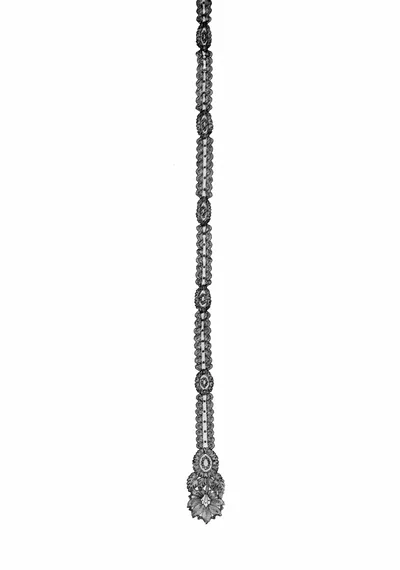
  • Pair of Lappets (Joined) by France, probably Bayeux, 1850s

    Pair of Lappets (Joined)

    France, probably Bayeux

    ΔE 6.2 · close

    95% of canvas
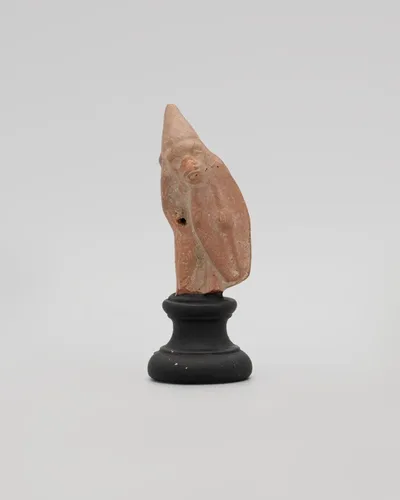
  • Fragmentary Figurine of a Monkey by Ancient Greek, 3rd-1st century BCE

    Fragmentary Figurine of a Monkey

    Ancient Greek

    ΔE 5.7 · close

    90% of canvas
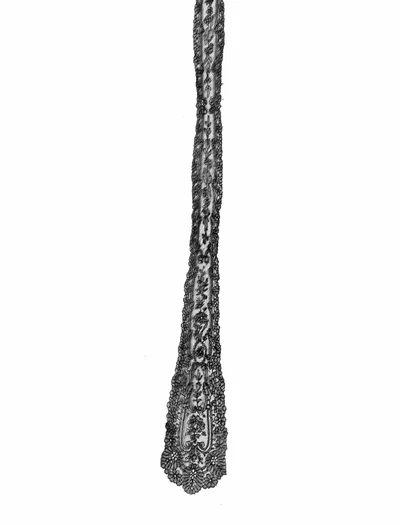
  • Pair of Lappets (Joined) by France, probably Bayeux, 1850s/60s

    Pair of Lappets (Joined)

    France, probably Bayeux

    ΔE 6.2 · close

    90% of canvas
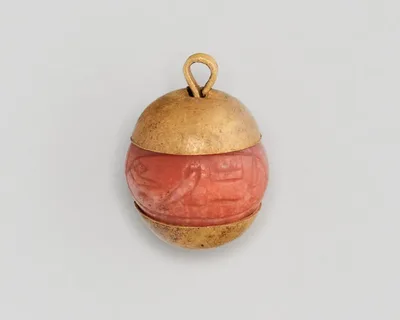
  • Bead with Name of King Amenemhat by Ancient Egyptian, Middle Kingdom, Dynasty 12, about 1985–1777 BCE

    Bead with Name of King Amenemhat

    Ancient Egyptian

    ΔE 4.9 · very close

    84% of canvas
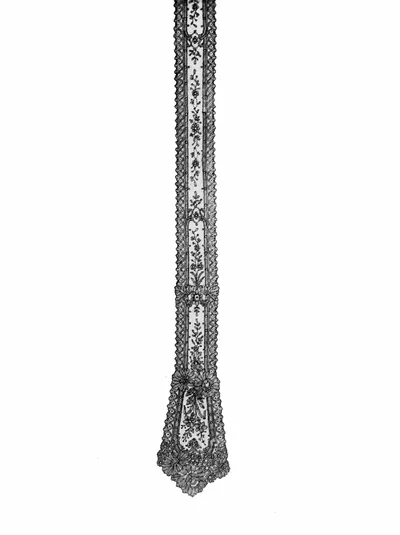
  • Pair of Lappets (Joined) by France, probably Bayeux, 1860s/70s

    Pair of Lappets (Joined)

    France, probably Bayeux

    ΔE 6.1 · close

    89% of canvas
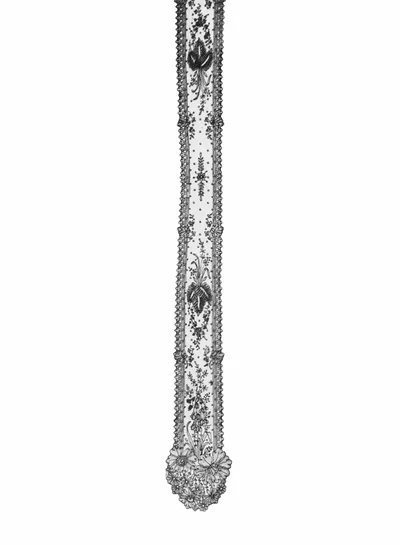
  • Pair of Lappets (Joined) by France, Bayeux, 1801/1900

    Pair of Lappets (Joined)

    France, Bayeux

    ΔE 6.1 · close

    89% of canvas
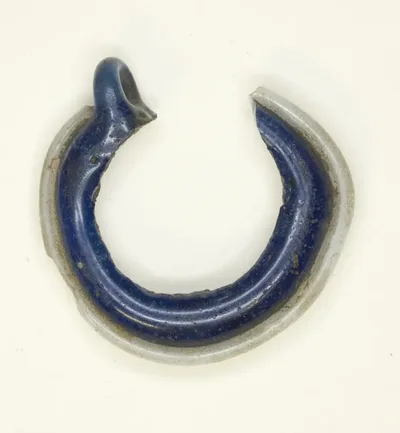
  • Earring by Ancient Egyptian, New Kingdom, mid- to late Dynasty 18, about 1400–1295 BCE

    Earring

    Ancient Egyptian

    ΔE 3.3 · very close

    74% of canvas
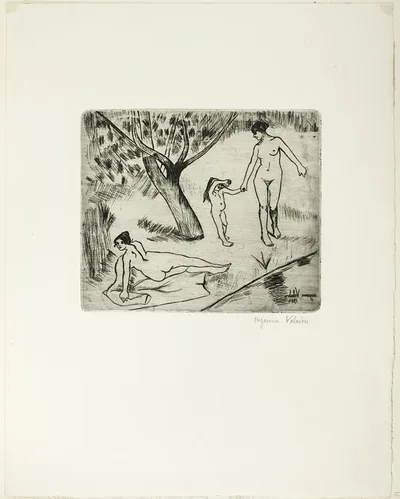
  • Women and Child at the Edge of the Water by Suzanne Valadon, 1904

    Women and Child at the Edge of the Water

    Suzanne Valadon

    ΔE 2.9 · very close

    72% of canvas
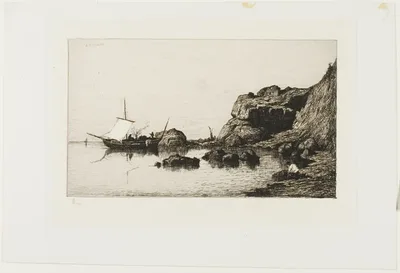
  • Fishing Craft near the Cliffs at Collioure by Adolphe Appian, 1878

    Fishing Craft near the Cliffs at Collioure

    Adolphe Appian

    ΔE 0.3 · near-exact

    58% of canvas
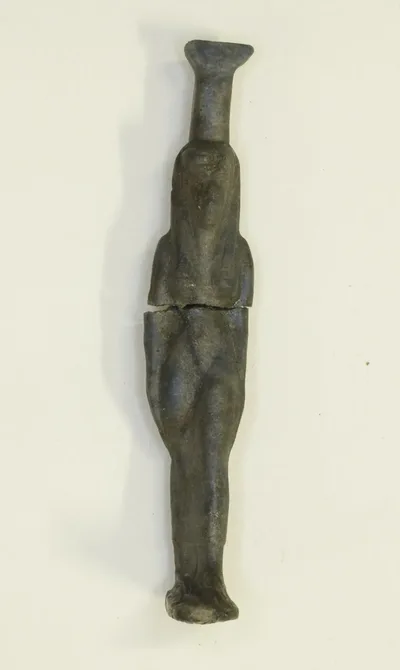
  • Amulet of the Goddess Nephthys by Ancient Egyptian, Third Intermediate Period, Dynasty 21–25 (1070–656 BCE)

    Amulet of the Goddess Nephthys

    Ancient Egyptian

    ΔE 3.4 · very close

    74% of canvas
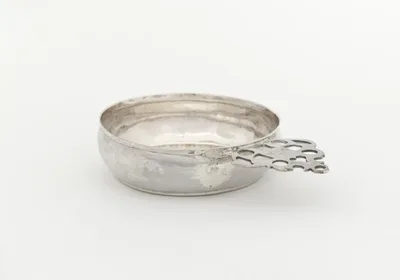
  • Porringer by Moody Russell, c. 1725

    Porringer

    Moody Russell

    ΔE 3.7 · very close

    75% of canvas
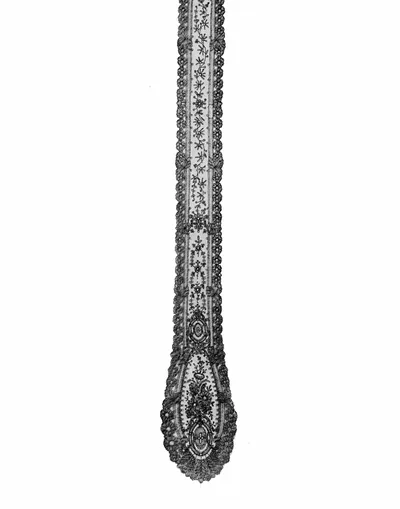
  • Pair of Lappets (Joined) by France, Bayeux, 1850s/60s

    Pair of Lappets (Joined)

    France, Bayeux

    ΔE 6.2 · close

    87% of canvas
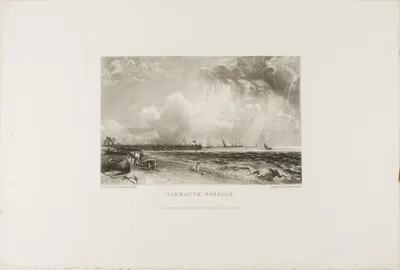
  • Yarmouth, Norfolk by David Lucas, 1832

    Yarmouth, Norfolk

    David Lucas

    ΔE 1.0 · near-exact

    61% of canvas
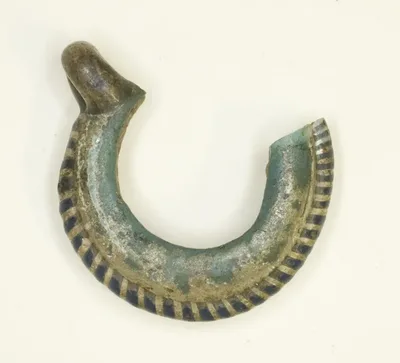
  • Earring by Ancient Egyptian, New Kingdom, mid- to late Dynasty 18, about 1400–1295 BCE

    Earring

    Ancient Egyptian

    ΔE 3.3 · very close

    71% of canvas
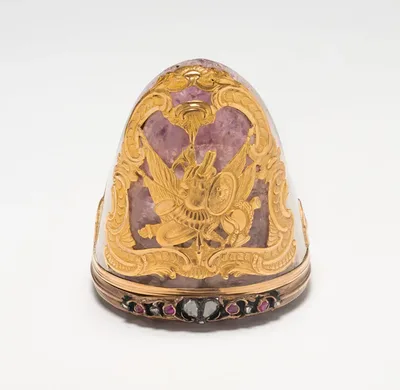
  • Snuff Box by Vienna, Austria, 19th century

    Snuff Box

    Vienna, Austria

    ΔE 3.6 · very close

    72% of canvas
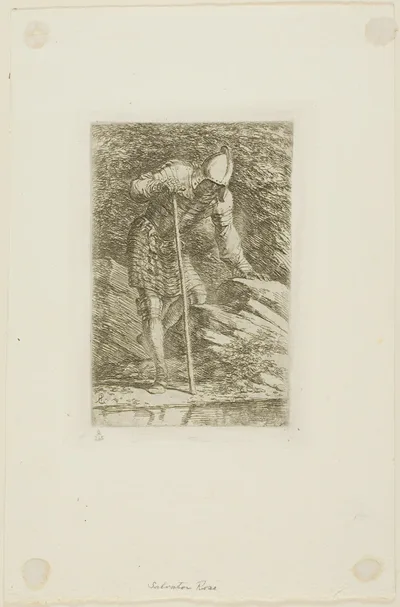
  • A Warrior in Full Armor in a Grotto by Salvator Rosa, n.d.

    A Warrior in Full Armor in a Grotto

    Salvator Rosa

    ΔE 4.0 · very close

    73% of canvas
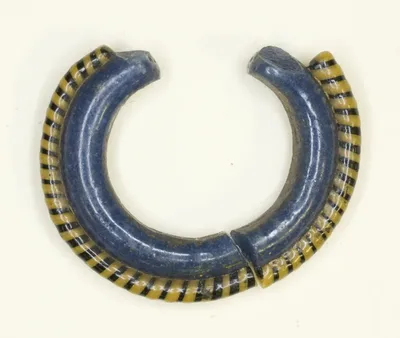
  • Earring by Ancient Egyptian, New Kingdom, mid- to late Dynasty 18, about 1400–1295 BCE

    Earring

    Ancient Egyptian

    ΔE 3.3 · very close

    70% of canvas
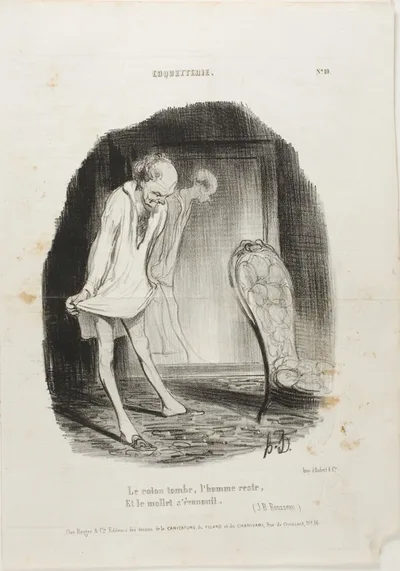
  • The Gown Falls, Man Remains, and the Legs are Shaking. (J.B. Rousseau), plate 10 from Coquetterie by Honoré-Victorin Daumier, published October 18, 1840

    The Gown Falls, Man Remains, and the Legs are Shaking. (J.B. Rousseau), plate 10 from Coquetterie

    Honoré-Victorin Daumier

    ΔE 2.0 · very close

    62% of canvas
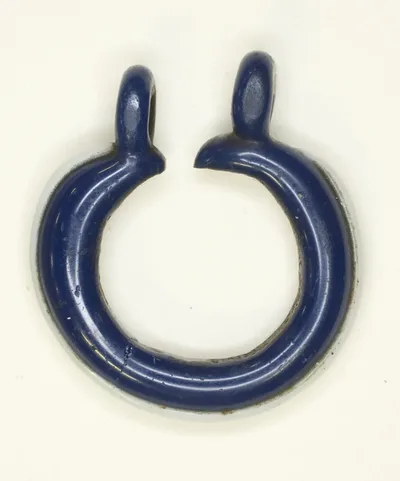
  • Earring by Ancient Egyptian, New Kingdom, mid- to late Dynasty 18, about 1400–1295 BCE

    Earring

    Ancient Egyptian

    ΔE 3.3 · very close

    68% of canvas
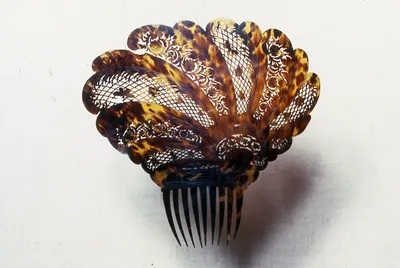
  • Comb by Spain, c. 1885

    Comb

    Spain

    ΔE 1.6 · near-exact

    57% of canvas
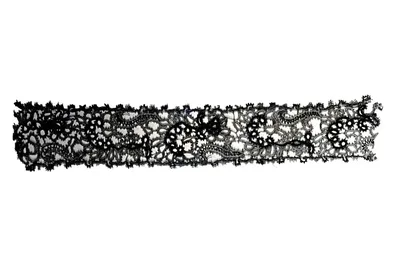
  • Braid by England or France, 1650/75

    Braid

    England or France

    ΔE 6.2 · close

    79% of canvas
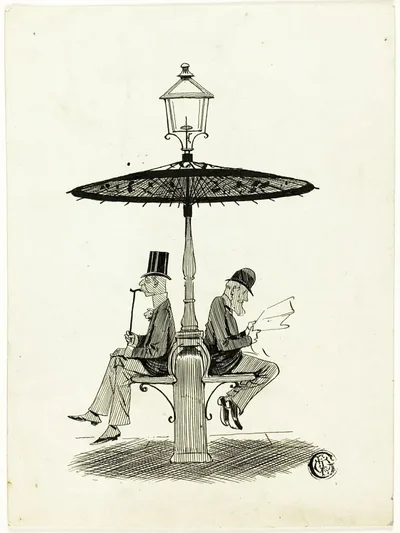
  • Two Gentlemen Seated Under Lamp Post with Japanese Umbrella by S. F. Paynter, 1850/1911

    Two Gentlemen Seated Under Lamp Post with Japanese Umbrella

    S. F. Paynter

    ΔE 4.0 · very close

    67% of canvas
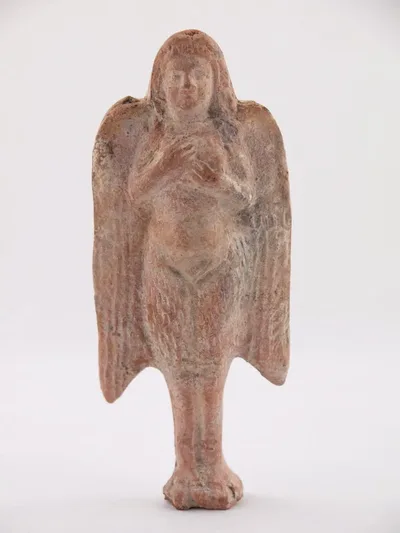
  • Statuette of a Siren by Ancient Greek, 3rd-1st century BCE

    Statuette of a Siren

    Ancient Greek

    ΔE 4.2 · very close

    68% of canvas
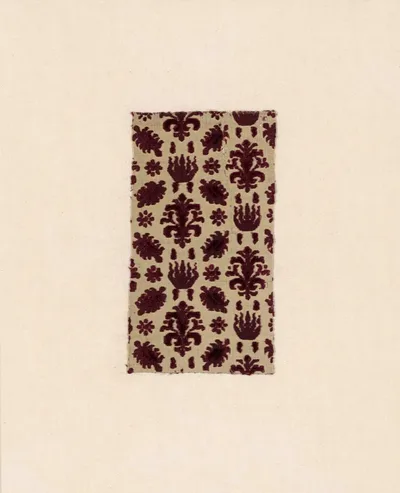
  • Fragment by Italy or Spain, 1625/50

    Fragment

    Italy or Spain

    ΔE 6.7 · close

    80% of canvas
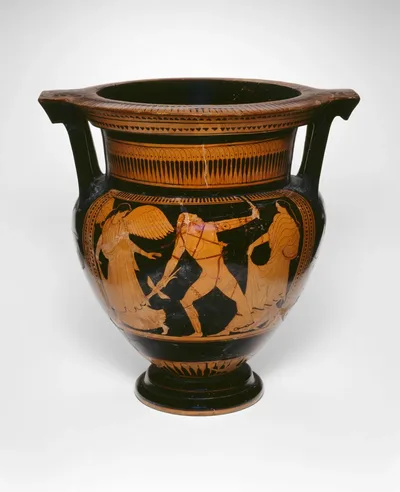
  • Column-Krater (Mixing Bowl) by Ancient Greek, about 460 BCE

    Column-Krater (Mixing Bowl)

    Ancient Greek

    ΔE 3.9 · very close

    64% of canvas
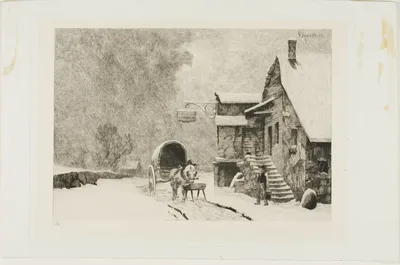
  • L'Auberge du soleil levant by Charles Joseph Beauverie, n.d.

    L'Auberge du soleil levant

    Charles Joseph Beauverie

    ΔE 1.5 · near-exact

    52% of canvas
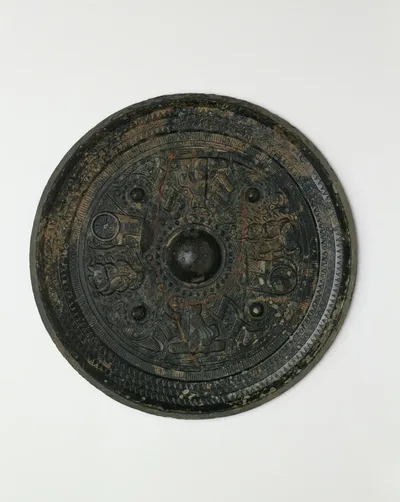
  • Mirror with Images of Daoist Deities by China, Eastern Han dynasty (25–220 CE),
2nd or 3rd century CE

    Mirror with Images of Daoist Deities

    China

    ΔE 2.5 · very close

    57% of canvas
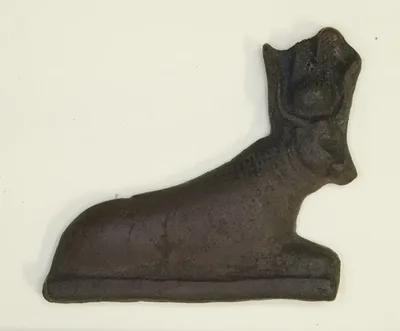
  • Amulet of a Reclining Cow by Ancient Egyptian, Third Intermediate Period, Dynasty 21–25 (1070–656 BCE)

    Amulet of a Reclining Cow

    Ancient Egyptian

    ΔE 3.5 · very close

    62% of canvas
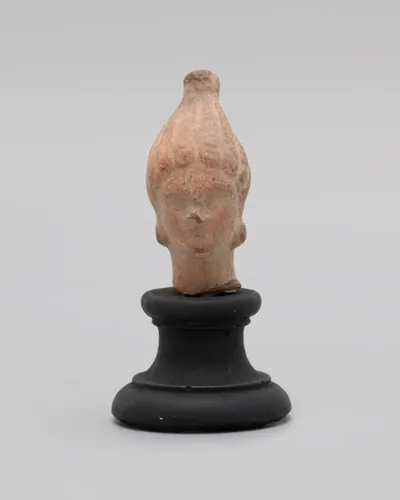
  • Head of a Woman by Ancient Greek, 4th-3rd century BCE

    Head of a Woman

    Ancient Greek

    ΔE 7.8 · close

    82% of canvas
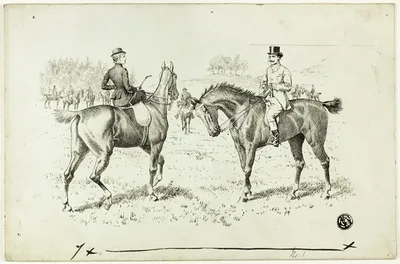
  • Man and Woman Riding Horses at Hunt by Francis Arthur Fraser, n.d.

    Man and Woman Riding Horses at Hunt

    Francis Arthur Fraser

    ΔE 4.6 · very close

    66% of canvas
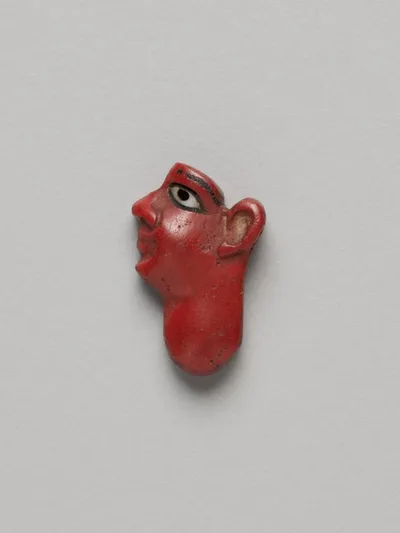
  • Inlay Depicting the Face of a King by Ancient Egyptian, Ptolemaic Period (332–30 BCE)

    Inlay Depicting the Face of a King

    Ancient Egyptian

    ΔE 9.2 · close

    89% of canvas
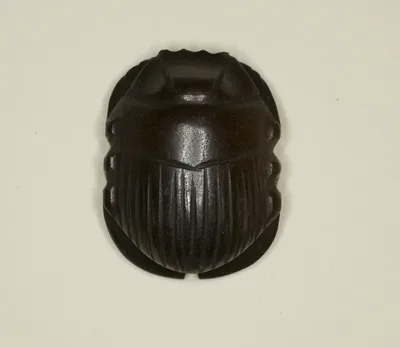
  • Scarab Amulet by Ancient Egyptian, Ptolemaic Period (332–30 BCE)

    Scarab Amulet

    Ancient Egyptian

    ΔE 5.9 · close

    72% of canvas
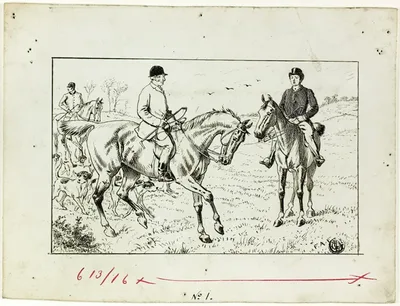
  • Three Riders at a Hunt by Francis Arthur Fraser, 1867/83

    Three Riders at a Hunt

    Francis Arthur Fraser

    ΔE 3.6 · very close

    60% of canvas
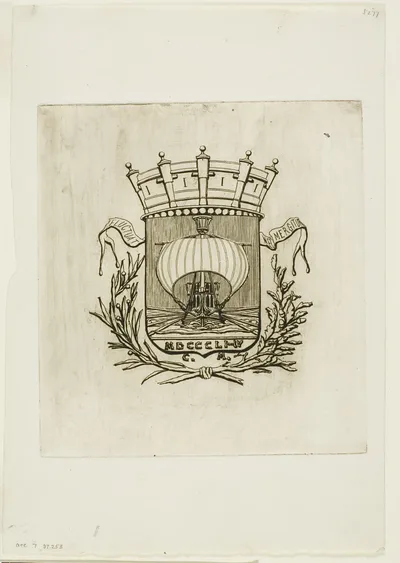
  • It Rocks but is Not Sunk by Charles Meryon, 1854

    It Rocks but is Not Sunk

    Charles Meryon

    ΔE 3.0 · very close

    57% of canvas
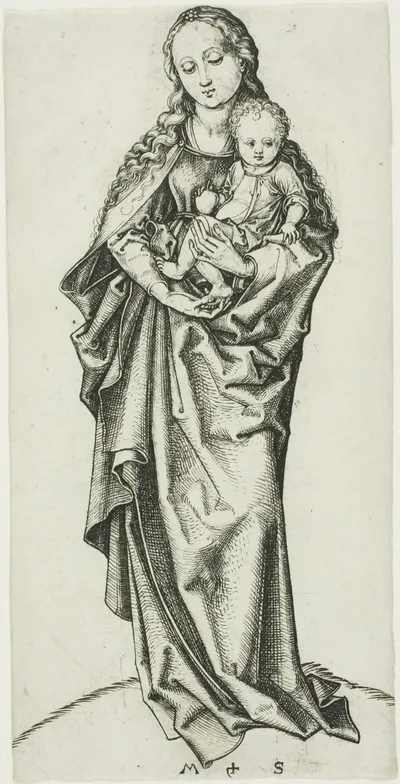
  • The Madonna and Child with an Apple by Martin Schongauer, c. 1475

    The Madonna and Child with an Apple

    Martin Schongauer

    ΔE 3.6 · very close

    59% of canvas
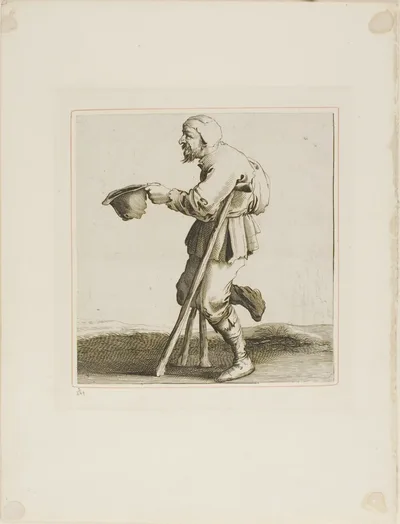
  • Lame Beggar Asking for Alms, from T is al verwart-gaern (It's already confusing) by Pieter Jansz. Quast, n.d.

    Lame Beggar Asking for Alms, from T is al verwart-gaern (It's already confusing)

    Pieter Jansz. Quast

    ΔE 3.6 · very close

    59% of canvas
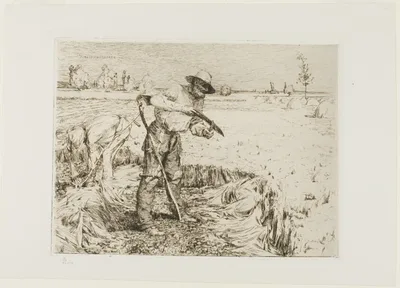
  • Mower Honing a Scythe by Jules Bastien-Lepage, 1878

    Mower Honing a Scythe

    Jules Bastien-Lepage

    ΔE 1.2 · near-exact

    47% of canvas
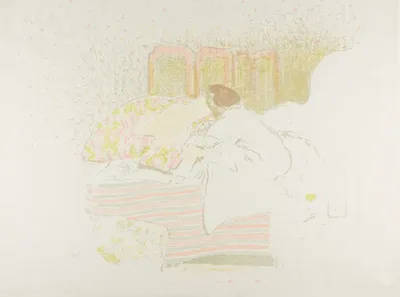
  • The Birth of Annette by Édouard Jean Vuillard, c. 1899

    The Birth of Annette

    Édouard Jean Vuillard

    ΔE 0.8 · near-exact

    45% of canvas
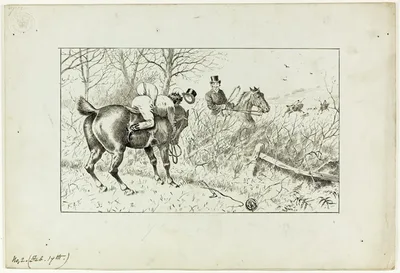
  • Hunting Scene: Horse and Thrown Rider by Francis Arthur Fraser, 1867/83

    Hunting Scene: Horse and Thrown Rider

    Francis Arthur Fraser

    ΔE 3.7 · very close

    59% of canvas
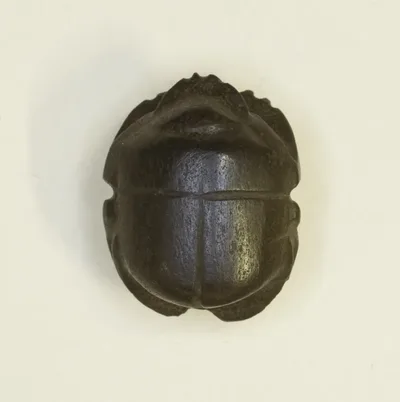
  • Scarab Amulet by Ancient Egyptian, Late Period, Dynasty 26 (664-525 BCE)

    Scarab Amulet

    Ancient Egyptian

    ΔE 3.6 · very close

    59% of canvas
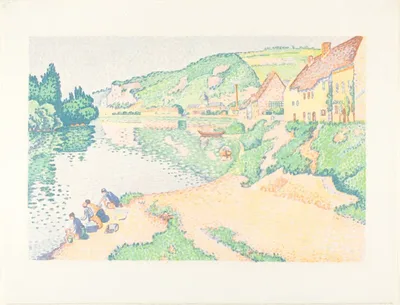
  • The Andelys by Paul Signac, 1895

    The Andelys

    Paul Signac

    ΔE 2.8 · very close

    54% of canvas
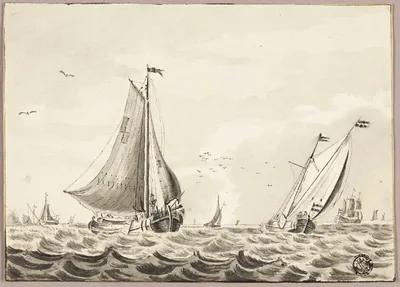
  • Sailboats on Sea by Unknown artist, n.d.

    Sailboats on Sea

    Unknown artist

    ΔE 4.4 · very close

    62% of canvas
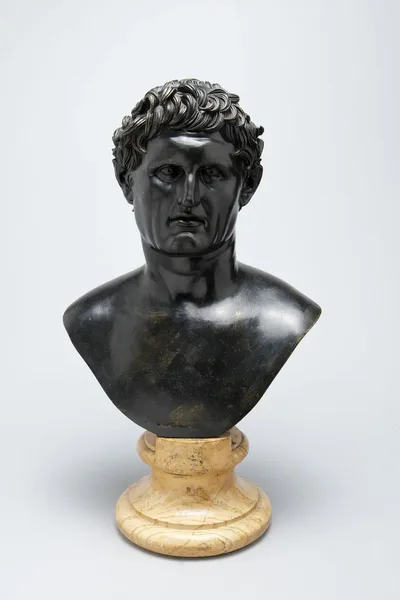
  • Bust of Seleucus Nicator of Syria by Sabatino de Angelis, Late 19th century reproduction

    Bust of Seleucus Nicator of Syria

    Sabatino de Angelis

    ΔE 5.9 · close

    69% of canvas
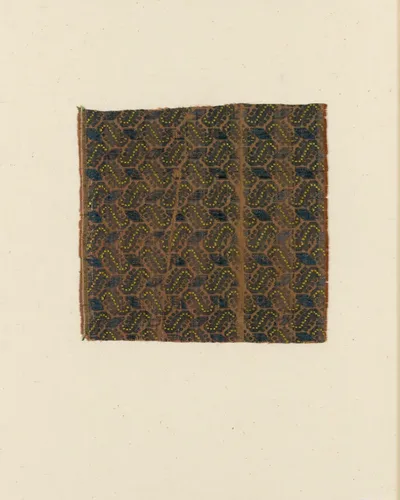
  • Fragment by Italy, 1625/75

    Fragment

    Italy

    ΔE 6.1 · close

    70% of canvas
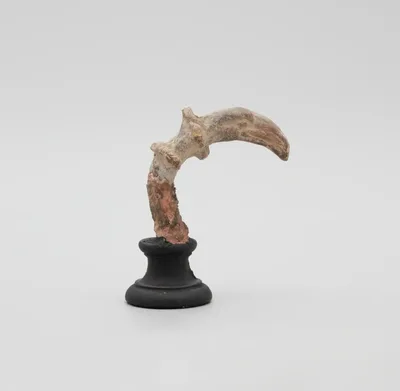
  • Fragment of a Bird Head by Ancient Greek, 2nd/1st century BCE ?

    Fragment of a Bird Head

    Ancient Greek

    ΔE 4.3 · very close

    61% of canvas
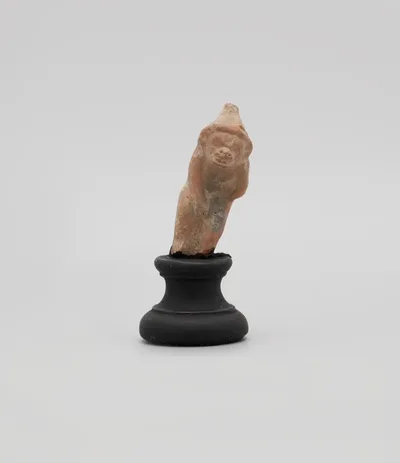
  • Statuette of a Monkey by Ancient Greek, about 2nd-1st century BCE

    Statuette of a Monkey

    Ancient Greek

    ΔE 5.3 · close

    66% of canvas
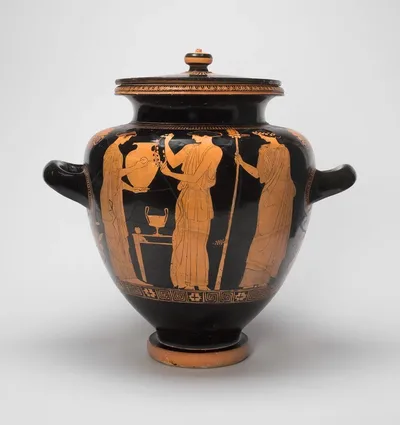
  • Stamnos (Mixing Jar) by Chicago Painter, about 450 BCE

    Stamnos (Mixing Jar)

    Chicago Painter

    ΔE 4.4 · very close

    61% of canvas
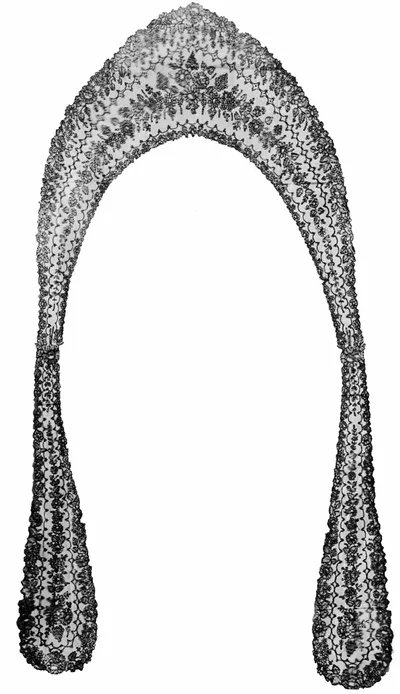
  • Collar with Long Lappets by Probably France, Bayeux, 1875/1900

    Collar with Long Lappets

    Probably France, Bayeux

    ΔE 6.1 · close

    69% of canvas
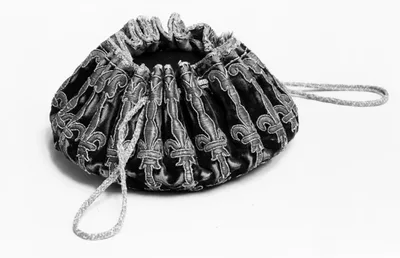
  • Gaming Bag by France, 1675/1700

    Gaming Bag

    France

    ΔE 5.3 · close

    64% of canvas
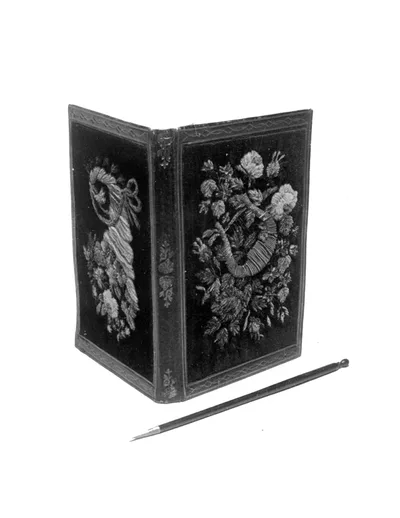
  • Notebook by Germany, 19th century

    Notebook

    Germany

    ΔE 6.2 · close

    69% of canvas
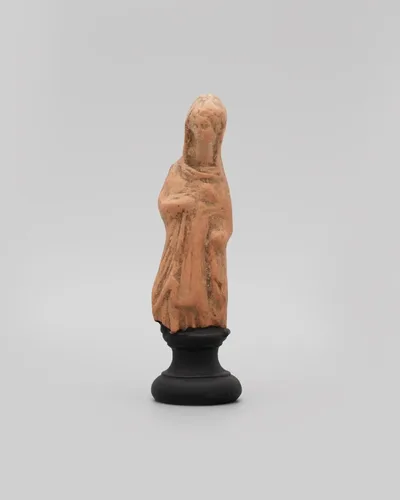
  • Statuette of a Woman by Ancient Greek, 5th-4th century BCE

    Statuette of a Woman

    Ancient Greek

    ΔE 7.1 · close

    73% of canvas

What ΔE means, and what this does not measure