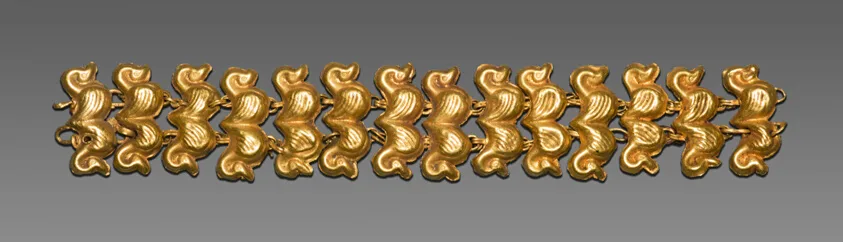
Fragment of a Necklace
Ancient Roman
- Artist
- Ancient Roman
- Date
- 3rd century
- Medium
- Gold
- Classification
- necklace
- Dimensions
- 3000 × 861 px
Palette
k-means, k=5, in CIELAB
- #64636336%Find works near #646363, which covers 36% of this work
- #84848430%Find works near #848484, which covers 30% of this work
- #94682913%Find works near #946829, which covers 13% of this work
- #cda15b12%Find works near #cda15b, which covers 12% of this work
- #6d58399%Find works near #6d5839, which covers 9% of this work
Each swatch is a cluster centre from the image itself, with the share of the canvas it covers. Select one to find other works near that colour.
Similar in palette
These works are close in colour only. The comparison comes from palette distance, so it knows nothing about subject, composition, or period — a portrait and a landscape can match exactly.
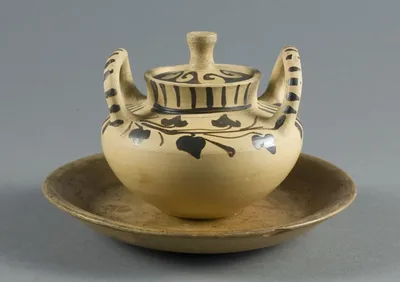
Miniature Pyxis (Container for Personal Objects)
Ancient Greek
ΔE 5.0 · very close
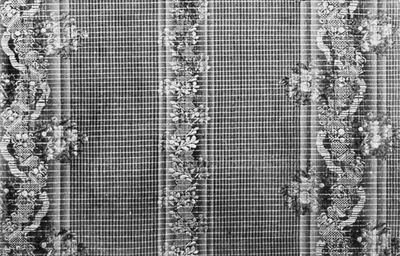
Fragment
France
ΔE 6.5 · close
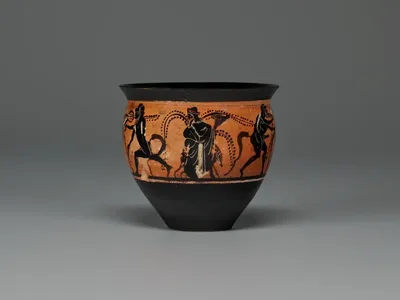
Mastoid (Drinking Cup)
Leafless Group
ΔE 6.6 · close
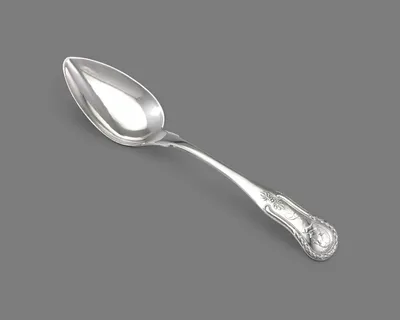
Spoon
Artist unknown
ΔE 6.6 · close
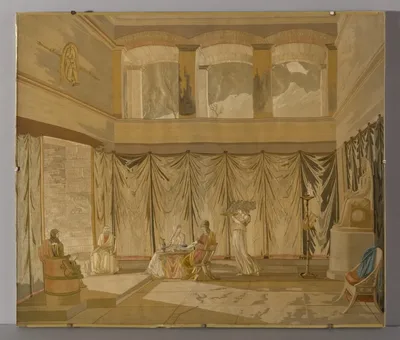
L'Hiver (Winter)
Pierre Antoine Mongin
ΔE 6.7 · close
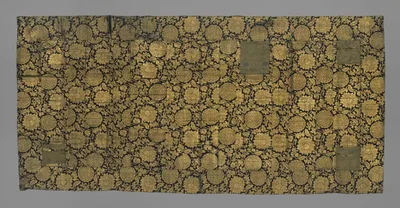
Kesa
Japan
ΔE 7.0 · close
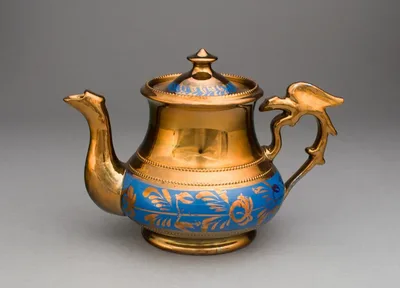
Teapot
England, Staffordshire
ΔE 7.1 · close
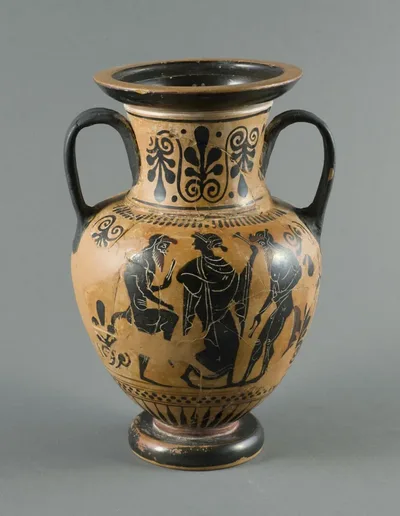
Amphora (Storage Jar)
Michigan Painter
ΔE 7.1 · close
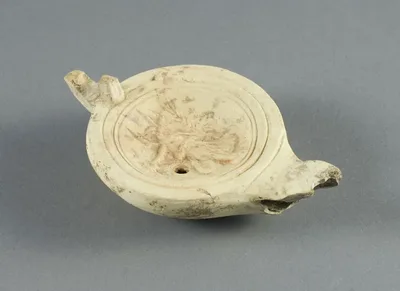
Lamp
Ancient Roman
ΔE 7.1 · close
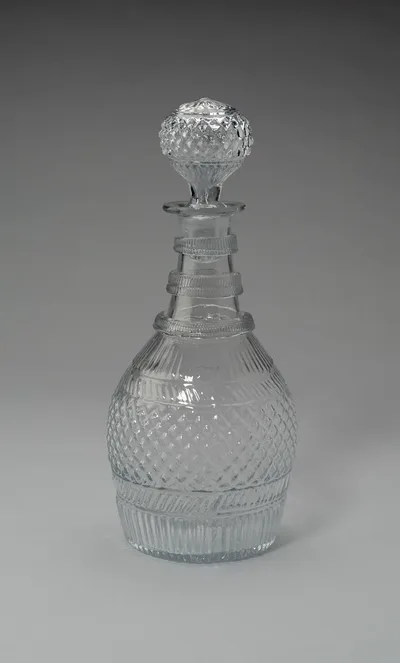
Decanter
Artist unknown
ΔE 7.5 · close
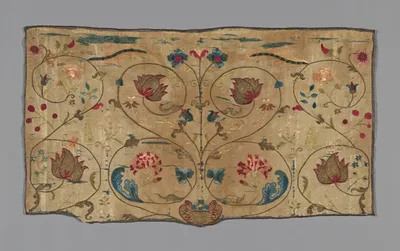
Fragment
France
ΔE 7.6 · close
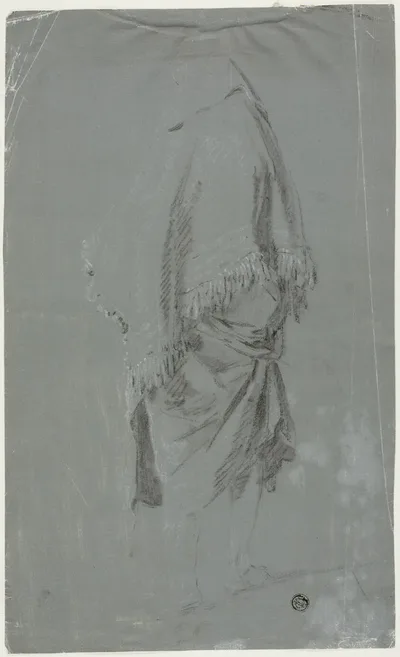
Shawled Woman Seen from the Back
Pierre-Jacques Volaire
ΔE 7.7 · close