Skip to content
Chroma
#6a6a6a

Ranked by perceptual distance

Works near #6a6a6a

Ranked by CIEDE2000 distance to each work’s nearest palette entry, weighted by how much of the canvas that colour covers. Each result shows the real perceptual distance and that coverage, not the blended score that produced the order.

Pick a different colour

Drag the ring or use the arrow keys. Every result is ranked by how close it is in CIELAB, weighted by how much of the canvas the colour covers.

Closest first

60 of 1,497 works
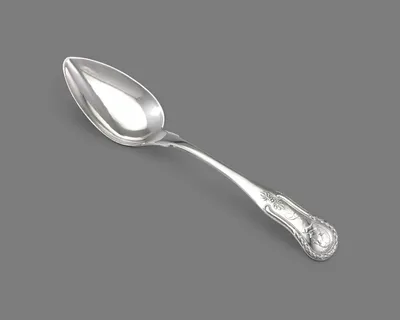
  • Spoon by Artist unknown, c. 1830

    Spoon

    Artist unknown

    ΔE 7.0 · close

    91% of canvas
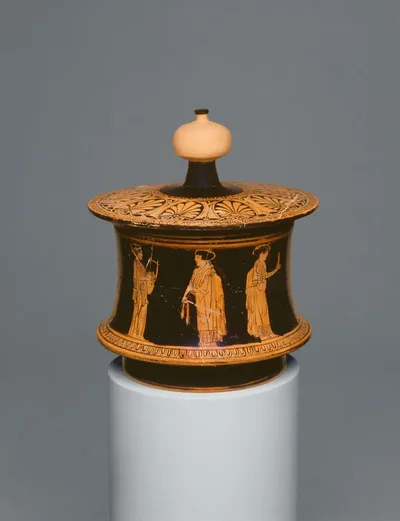
  • Pyxis (Container for Personal Objects) by Ancient Greek, 430-420 BCE

    Pyxis (Container for Personal Objects)

    Ancient Greek

    ΔE 4.6 · very close

    70% of canvas
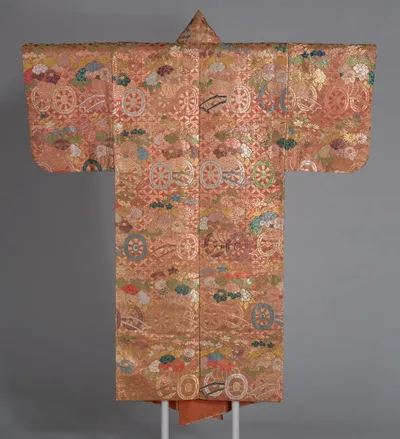
  • Atsuita karaori (Noh Costume) by Japan, late Edo period (1789–1868), 1801/25

    Atsuita karaori (Noh Costume)

    Japan

    ΔE 2.5 · very close

    52% of canvas
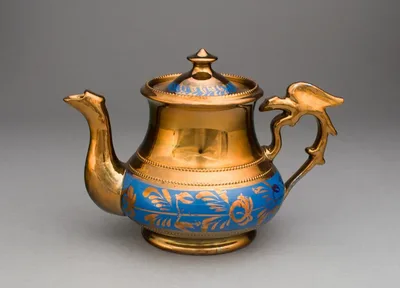
  • Teapot by England, Staffordshire, c. 1820

    Teapot

    England, Staffordshire

    ΔE 2.0 · very close

    46% of canvas
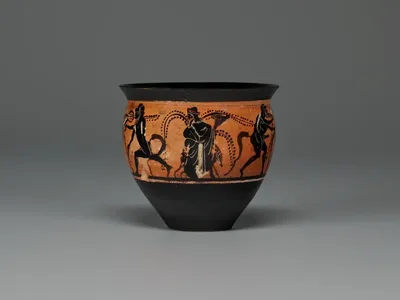
  • Mastoid (Drinking Cup) by Leafless Group, 500-480 BCE

    Mastoid (Drinking Cup)

    Leafless Group

    ΔE 4.6 · very close

    58% of canvas
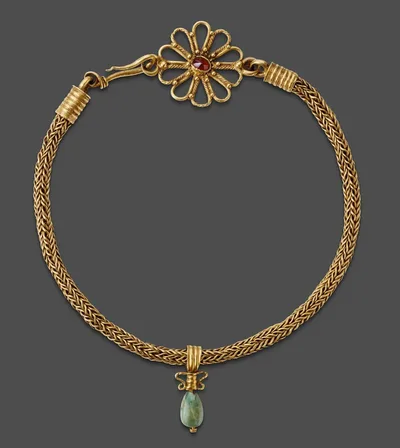
  • Necklace with Pendant by Ancient Roman, 2nd-3rd century

    Necklace with Pendant

    Ancient Roman

    ΔE 10.5 · close

    86% of canvas
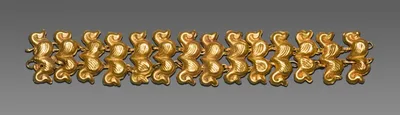
  • Fragment of a Necklace by Ancient Roman, 3rd century

    Fragment of a Necklace

    Ancient Roman

    ΔE 2.5 · very close

    36% of canvas
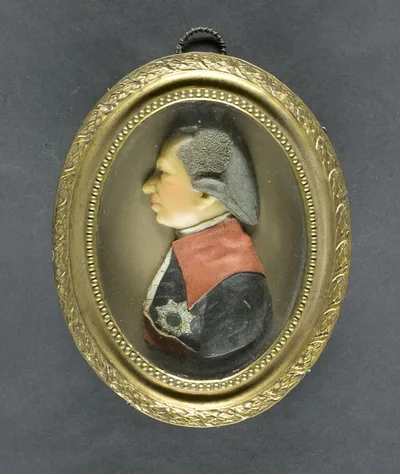
  • Marquis of Waterford by Samuel Percy, 1775/1800

    Marquis of Waterford

    Samuel Percy

    ΔE 6.2 · close

    54% of canvas
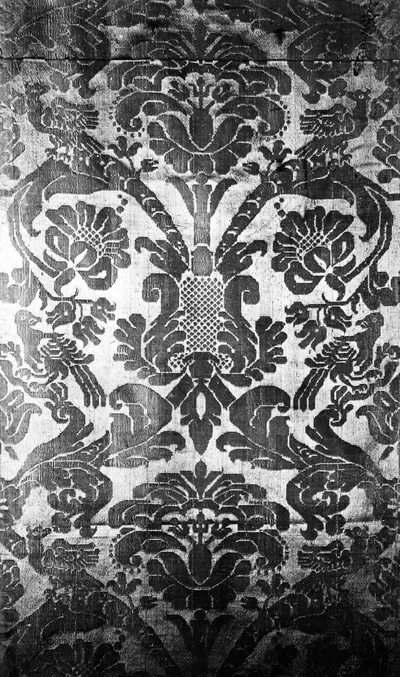
  • Panel by Italy, 16th/17th century

    Panel

    Italy

    ΔE 0.2 · near-exact

    23% of canvas
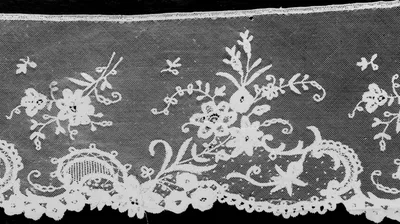
  • Flounce by Belgium, 1875/1900

    Flounce

    Belgium

    ΔE 2.0 · very close

    31% of canvas
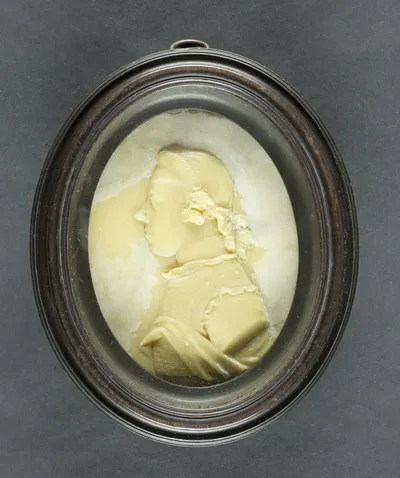
  • John Duke, Third Duke of Rutland (1696-1779) by Isaac Gosset, 1740/60

    John Duke, Third Duke of Rutland (1696-1779)

    Isaac Gosset

    ΔE 6.8 · close

    53% of canvas
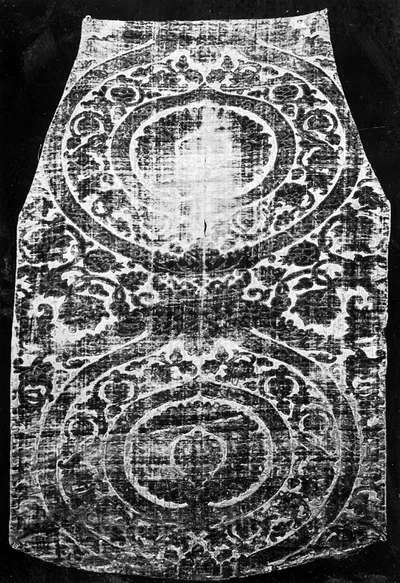
  • Fragment by Italy, Mid–16th century

    Fragment

    Italy

    ΔE 0.6 · near-exact

    22% of canvas
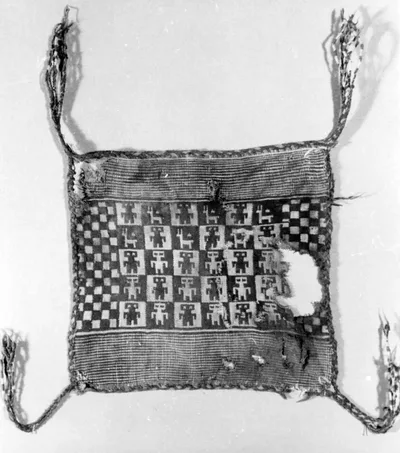
  • Carrying Cloth by Inca, 1476-1532

    Carrying Cloth

    Inca

    ΔE 0.0 · near-exact

    19% of canvas
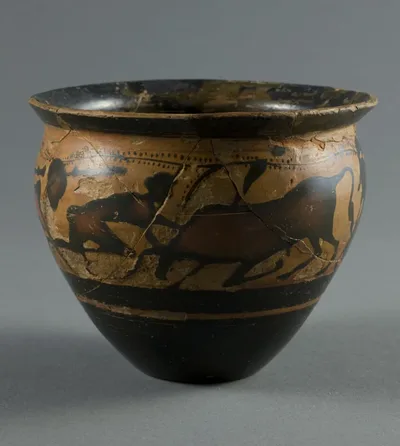
  • Mastoid (Drinking Cup) by Ancient Greek, 500-480 BCE

    Mastoid (Drinking Cup)

    Ancient Greek

    ΔE 2.6 · very close

    32% of canvas
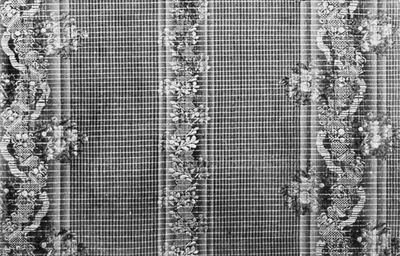
  • Fragment by France, Louis XVI period, 1774–1792, late 18th century

    Fragment

    France

    ΔE 1.9 · near-exact

    28% of canvas
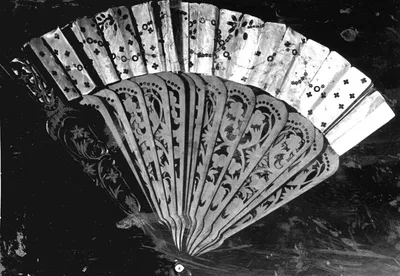
  • Fan by France, 19th century

    Fan

    France

    ΔE 0.1 · near-exact

    17% of canvas
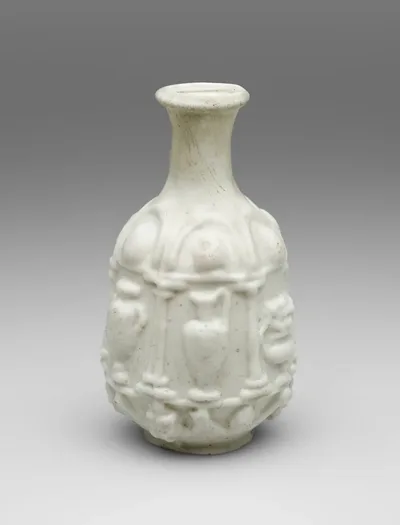
  • Bottle by Ancient Roman, 1st century

    Bottle

    Ancient Roman

    ΔE 3.6 · very close

    34% of canvas
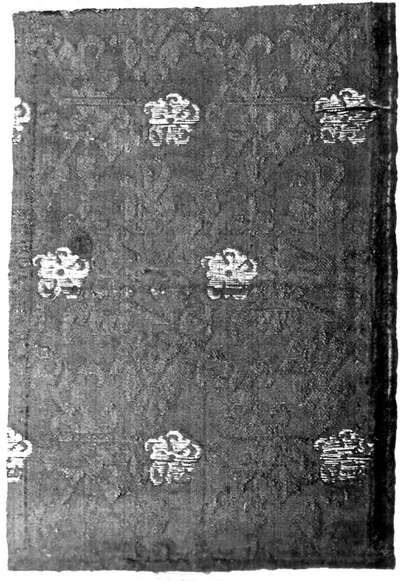
  • Fragment by Spain, Early 17th century

    Fragment

    Spain

    ΔE 4.2 · very close

    36% of canvas
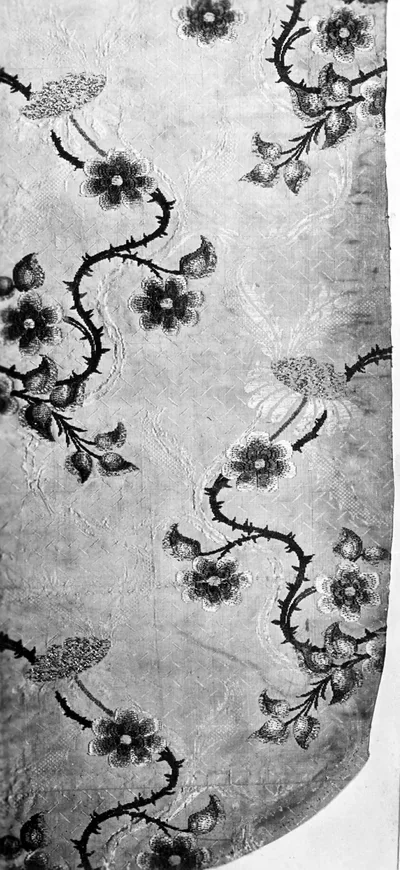
  • Fragment by France, Mid–18th century

    Fragment

    France

    ΔE 0.2 · near-exact

    16% of canvas
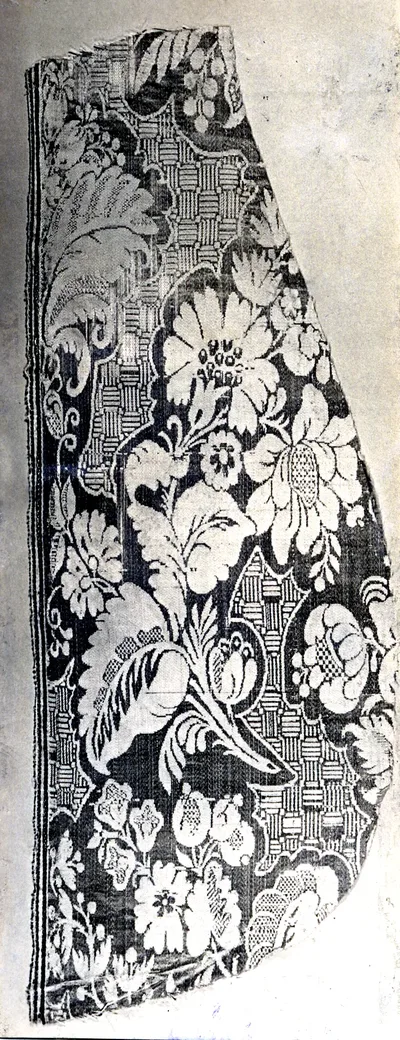
  • Fragment by France, Late 17th century

    Fragment

    France

    ΔE 2.1 · very close

    23% of canvas
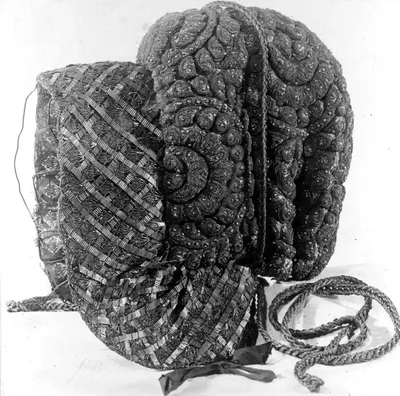
  • Headdress by Austria, Vienna, 19th century

    Headdress

    Austria, Vienna

    ΔE 1.4 · near-exact

    19% of canvas
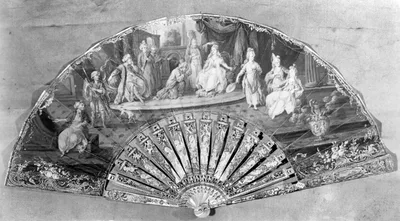
  • Fan by France, 18th century, Louis XV period, 1774–1793)

    Fan

    France

    ΔE 1.1 · near-exact

    17% of canvas
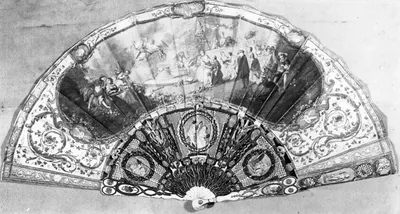
  • Fan by France, 18th century, Louis XVI period (1774–1793)

    Fan

    France

    ΔE 0.3 · near-exact

    13% of canvas
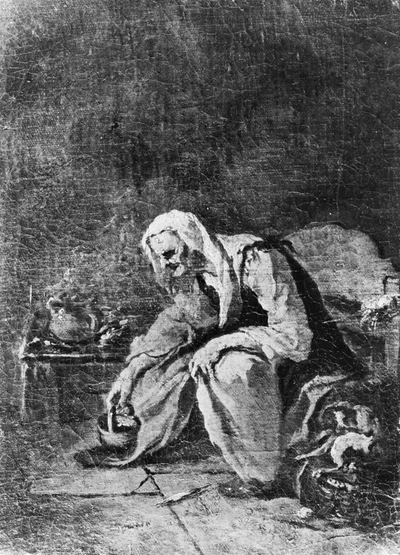
  • The Witch by Circle of Alessandro Magnasco, 1700–1725

    The Witch

    Circle of Alessandro Magnasco

    ΔE 2.0 · very close

    21% of canvas
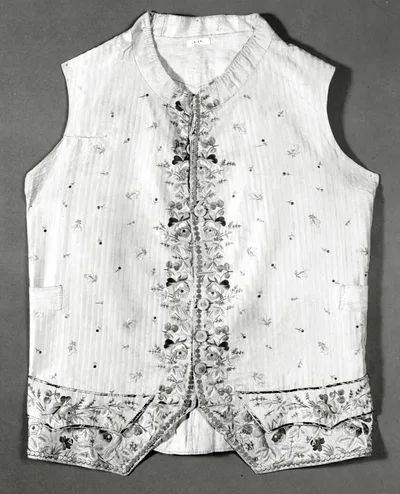
  • Waistcoat by England, 18th century

    Waistcoat

    England

    ΔE 3.3 · very close

    28% of canvas
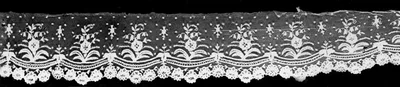
  • Flounce by Belgium, Brussels, 1860s

    Flounce

    Belgium, Brussels

    ΔE 2.2 · very close

    22% of canvas
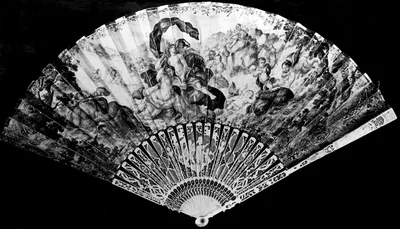
  • Fan by Benjamin West, 1775/1800

    Fan

    Benjamin West

    ΔE 1.1 · near-exact

    16% of canvas
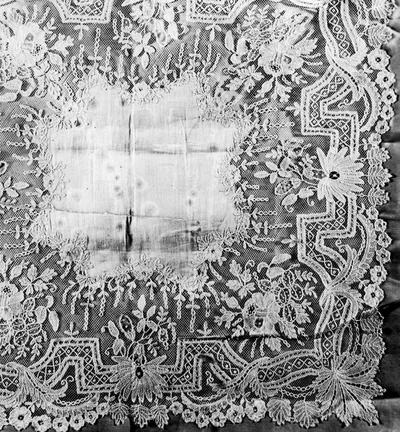
  • Handkerchief by Belgium, 1850/75

    Handkerchief

    Belgium

    ΔE 1.9 · near-exact

    20% of canvas
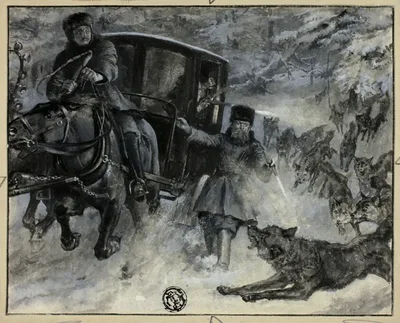
  • Eric Leapt Out by Walter Stanley Paget, 1889

    Eric Leapt Out

    Walter Stanley Paget

    ΔE 3.0 · very close

    25% of canvas
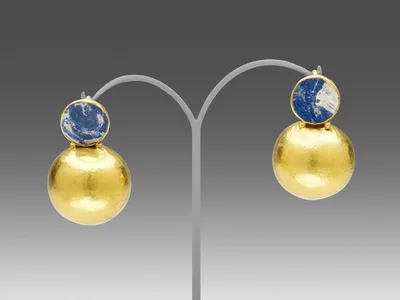
  • Pair of Earrings by Ancient Roman, 1st century

    Pair of Earrings

    Ancient Roman

    ΔE 7.3 · close

    46% of canvas
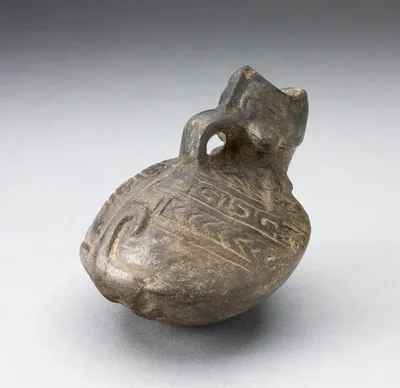
  • Pitcher in the Form of an Open Mouthed Animal with Geometric Incising on Back by Chimú, 1000–1400

    Pitcher in the Form of an Open Mouthed Animal with Geometric Incising on Back

    Chimú

    ΔE 2.2 · very close

    21% of canvas
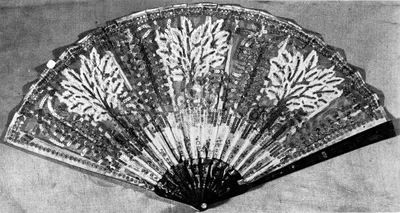
  • Fan by France, c. 1880

    Fan

    France

    ΔE 3.1 · very close

    25% of canvas
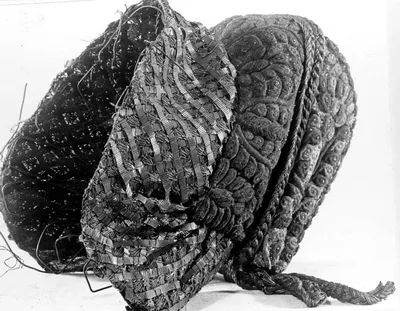
  • Headdress by Austria, Vienna, 19th century

    Headdress

    Austria, Vienna

    ΔE 2.3 · very close

    20% of canvas
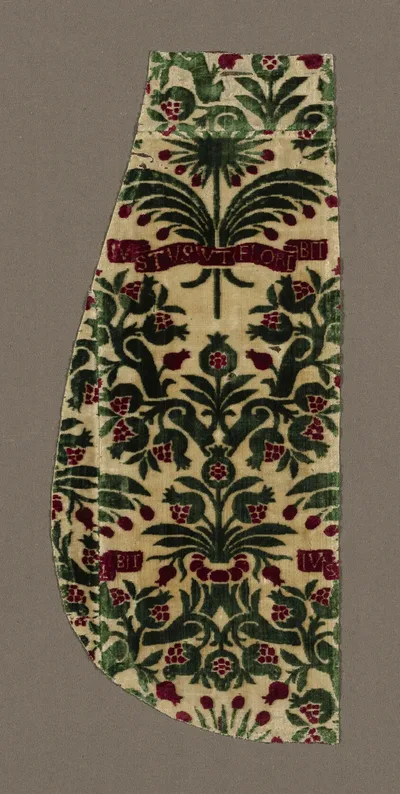
  • Portion of a Chasuble by Probably made for Piero Soderini (1452–1522), 1450-1500

    Portion of a Chasuble

    Probably made for Piero Soderini (1452–1522)

    ΔE 8.2 · close

    49% of canvas
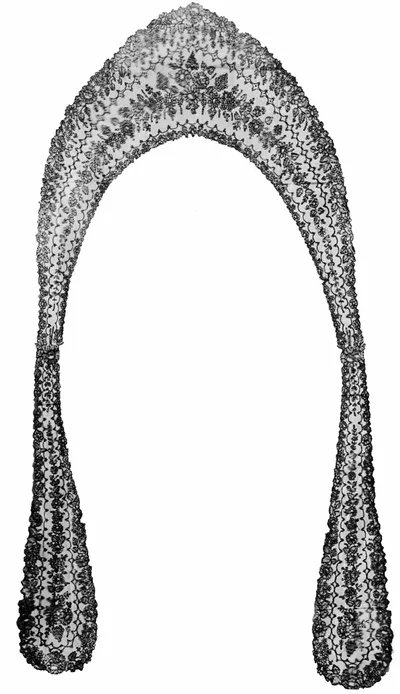
  • Collar with Long Lappets by Probably France, Bayeux, 1875/1900

    Collar with Long Lappets

    Probably France, Bayeux

    ΔE 0.1 · near-exact

    9% of canvas
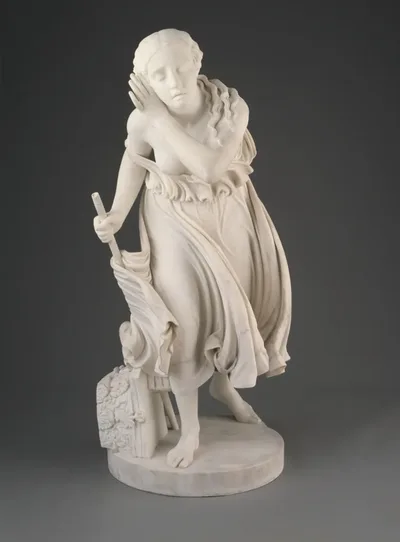
  • Nydia, The Blind Flower Girl of Pompeii by Randolph Rogers, modeled 1855–56, carved 1858

    Nydia, The Blind Flower Girl of Pompeii

    Randolph Rogers

    ΔE 1.6 · near-exact

    16% of canvas
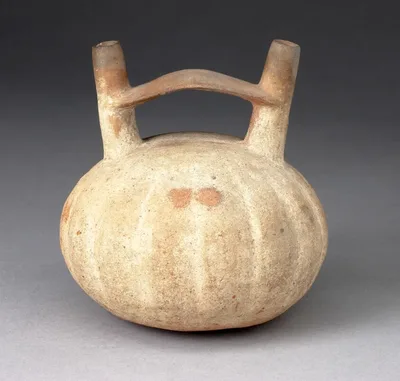
  • Double Spout and Bridge Vessel in the Form of a Ridged Gourd by Paracas, 650–150 BCE

    Double Spout and Bridge Vessel in the Form of a Ridged Gourd

    Paracas

    ΔE 2.9 · very close

    22% of canvas
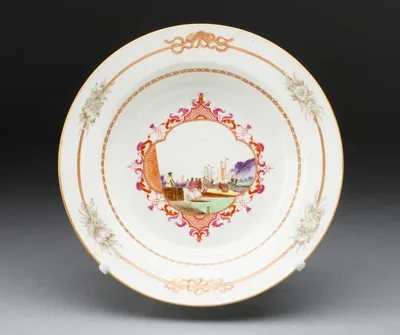
  • Soup Bowl by China, c. 1750

    Soup Bowl

    China

    ΔE 1.8 · near-exact

    16% of canvas
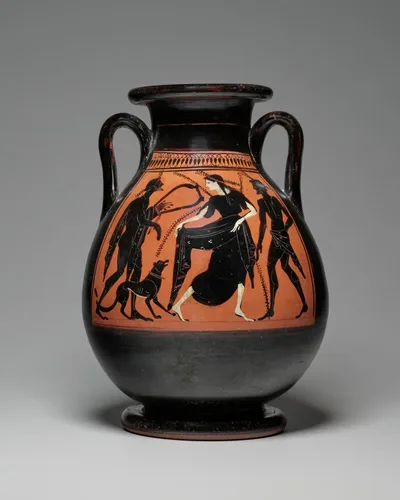
  • Pelike (Storage Jar) by Ancient Greek, about 510-500 BCE

    Pelike (Storage Jar)

    Ancient Greek

    ΔE 3.4 · very close

    24% of canvas
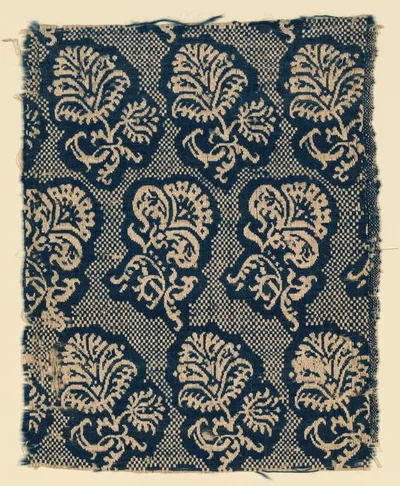
  • Fragment by Europe, 17th century

    Fragment

    Europe

    ΔE 4.9 · very close

    32% of canvas
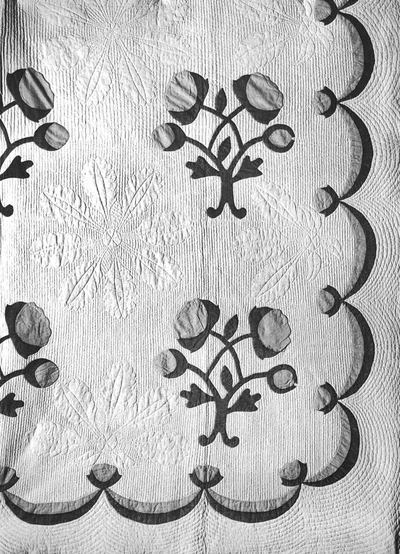
  • Roses Quilt by Letticia Keziah Vernon, c. 1830/35

    Roses Quilt

    Letticia Keziah Vernon

    ΔE 0.1 · near-exact

    8% of canvas
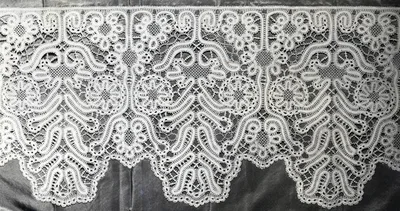
  • Flounce or Border by Germany, Hungary or Yugoslovia, 1850/1900

    Flounce or Border

    Germany, Hungary or Yugoslovia

    ΔE 2.1 · very close

    17% of canvas
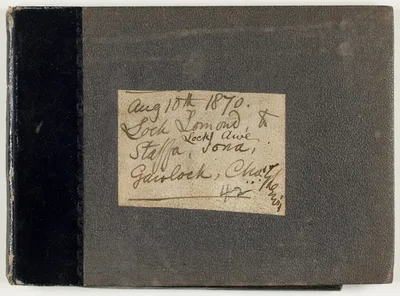
  • Loch Lomond by Charles George Lewis, 1870

    Loch Lomond

    Charles George Lewis

    ΔE 10.1 · close

    57% of canvas
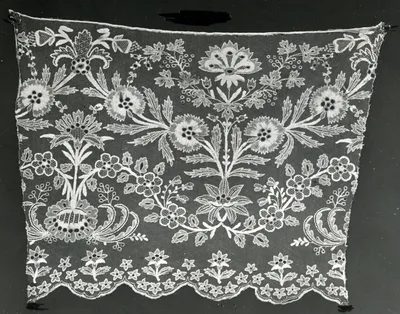
  • Two Portions from a Flounce by Southern Europe, 1850/1900

    Two Portions from a Flounce

    Southern Europe

    ΔE 3.0 · very close

    22% of canvas
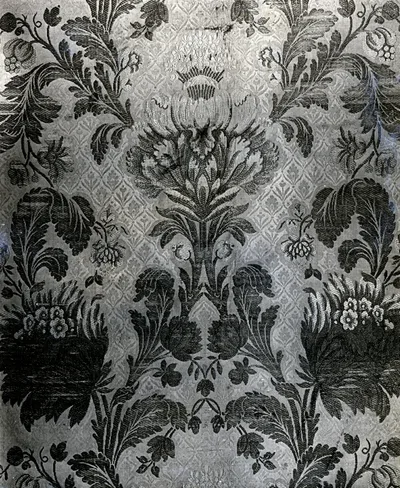
  • Panel by France, Mid–18th century

    Panel

    France

    ΔE 3.1 · very close

    22% of canvas
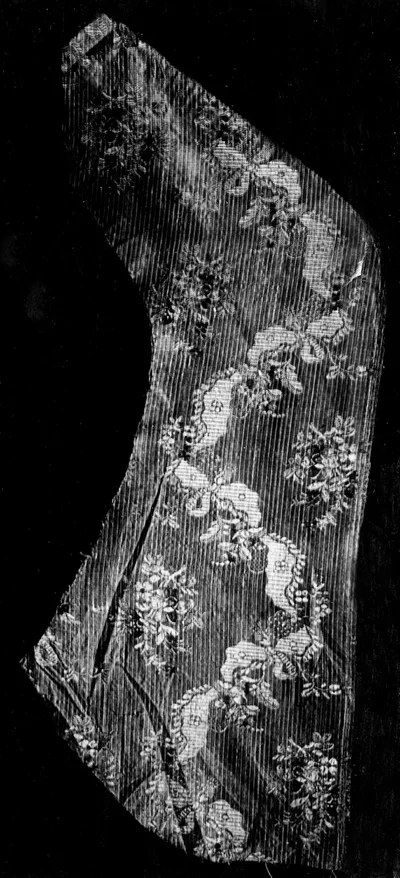
  • Fragment (Dress Fabric) by France, 18th century

    Fragment (Dress Fabric)

    France

    ΔE 1.9 · near-exact

    15% of canvas
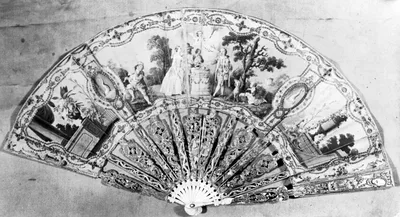
  • Fan by France, 18th century, Louis XVI period (1774–1793)

    Fan

    France

    ΔE 1.9 · near-exact

    14% of canvas
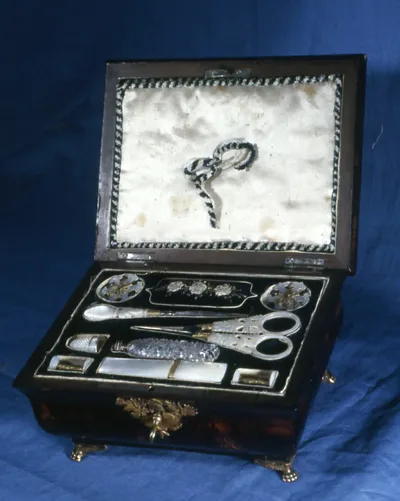
  • Sewing Box by France, 19th century

    Sewing Box

    France

    ΔE 2.0 · very close

    15% of canvas
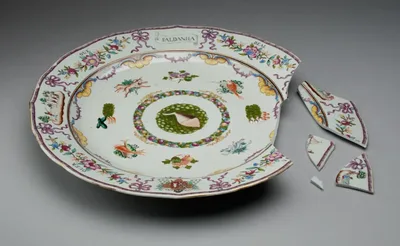
  • Dish by China, c. 1765

    Dish

    China

    ΔE 4.5 · very close

    27% of canvas
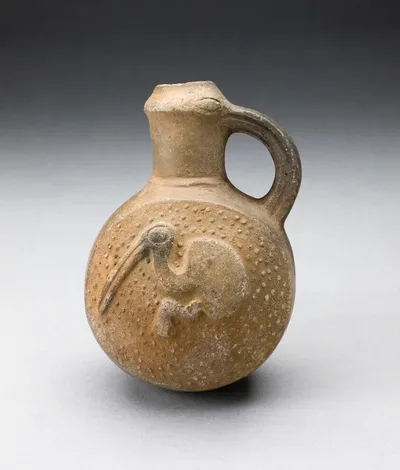
  • Handled Brownware Jug with Bird Impressed on Side by Chimú, 1000–1400

    Handled Brownware Jug with Bird Impressed on Side

    Chimú

    ΔE 1.0 · near-exact

    10% of canvas
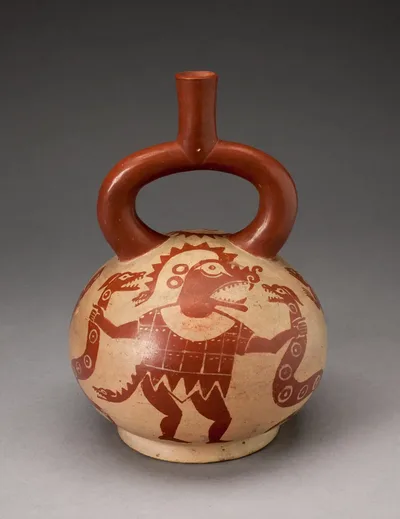
  • Ritual Vessel Depicting a Masked Deity with Serpents by Moche, 100 BCE–500 CE

    Ritual Vessel Depicting a Masked Deity with Serpents

    Moche

    ΔE 3.5 · very close

    22% of canvas
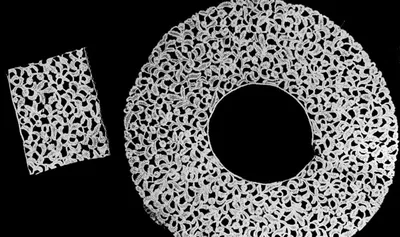
  • Bertha and Two Cuffs (Made from a Border) by Probably Italy, Venice, 1895/1905

    Bertha and Two Cuffs (Made from a Border)

    Probably Italy, Venice

    ΔE 2.3 · very close

    16% of canvas
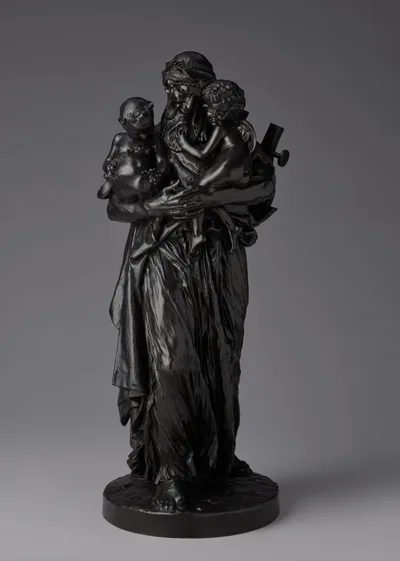
  • Anacreon with the Infants Bacchus and Cupid by Jean Léon Gérôme, Modeled 1878, cast c. 1893

    Anacreon with the Infants Bacchus and Cupid

    Jean Léon Gérôme

    ΔE 3.7 · very close

    23% of canvas
  • Arcadian Landscape with Figures by Alessandro Magnasco, c. 1700

    Arcadian Landscape with Figures

    Alessandro Magnasco

    ΔE 2.5 · very close

    17% of canvas
  • Pillow Cover by Switzerland, c. 1880

    Pillow Cover

    Switzerland

    ΔE 0.2 · near-exact

    5% of canvas
  • Fan by France, 18th century, Louis XVI period (1774–1793)

    Fan

    France

    ΔE 3.7 · very close

    23% of canvas
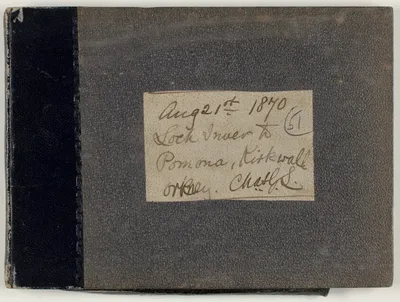
  • Loch Inver to Kirkwall by Charles George Lewis, 1870

    Loch Inver to Kirkwall

    Charles George Lewis

    ΔE 10.7 · close

    57% of canvas
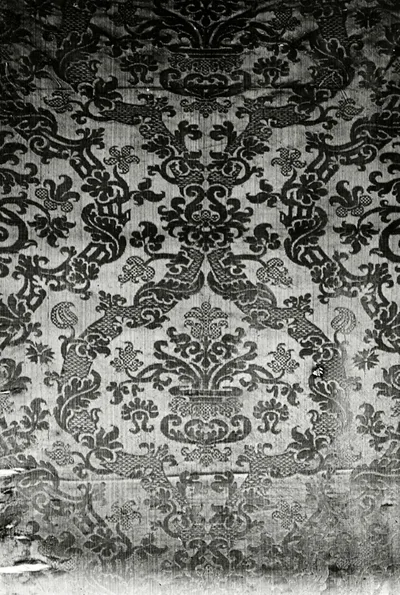
  • Panel by Italy, 16th century

    Panel

    Italy

    ΔE 3.9 · very close

    23% of canvas
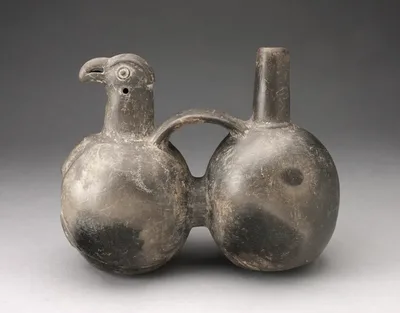
  • Double-Chambered Strap Vessel with Sculpted Bird Head by Chimú, 1200–1450

    Double-Chambered Strap Vessel with Sculpted Bird Head

    Chimú

    ΔE 5.4 · close

    30% of canvas
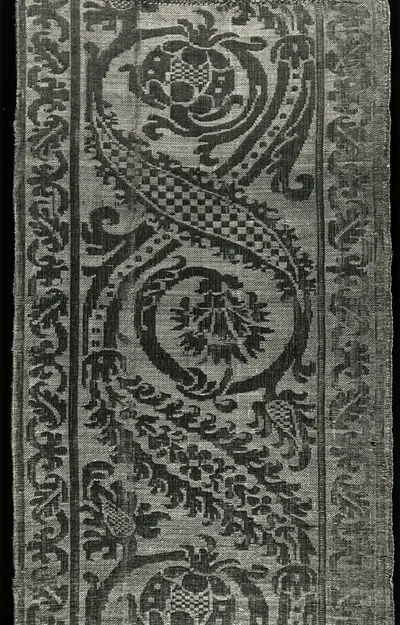
  • Border by Spain, 17th century

    Border

    Spain

    ΔE 5.1 · close

    29% of canvas

What ΔE means, and what this does not measure