Skip to content
Chroma
#72736e

Ranked by perceptual distance

Works near #72736e

Ranked by CIEDE2000 distance to each work’s nearest palette entry, weighted by how much of the canvas that colour covers. Each result shows the real perceptual distance and that coverage, not the blended score that produced the order.

Pick a different colour

Drag the ring or use the arrow keys. Every result is ranked by how close it is in CIELAB, weighted by how much of the canvas the colour covers.

Closest first

60 of 1,497 works
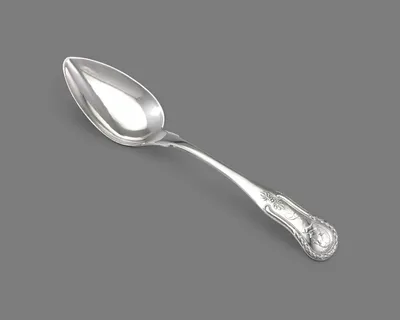
  • Spoon by Artist unknown, c. 1830

    Spoon

    Artist unknown

    ΔE 4.8 · very close

    91% of canvas
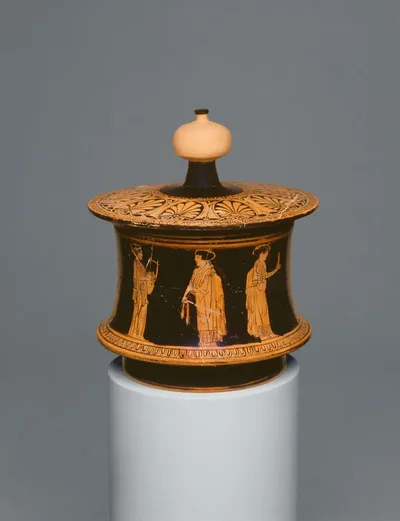
  • Pyxis (Container for Personal Objects) by Ancient Greek, 430-420 BCE

    Pyxis (Container for Personal Objects)

    Ancient Greek

    ΔE 4.9 · very close

    70% of canvas
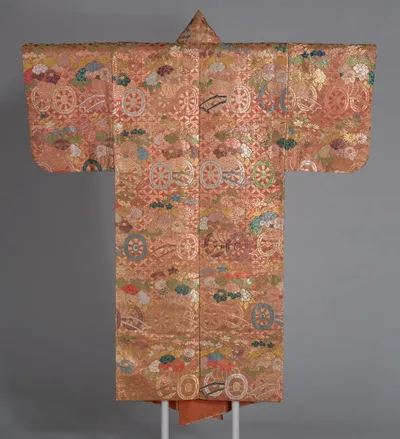
  • Atsuita karaori (Noh Costume) by Japan, late Edo period (1789–1868), 1801/25

    Atsuita karaori (Noh Costume)

    Japan

    ΔE 5.2 · close

    52% of canvas
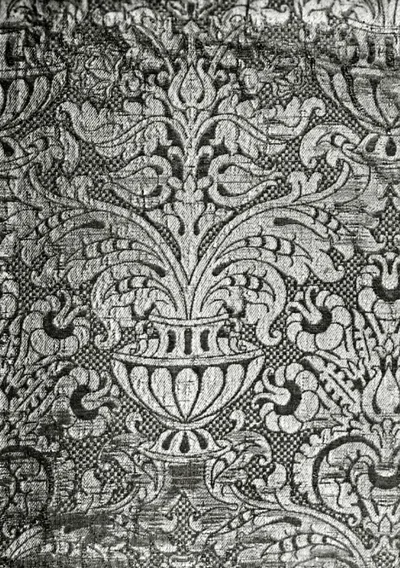
  • Fragment by Italy, 16th century

    Fragment

    Italy

    ΔE 1.0 · near-exact

    27% of canvas
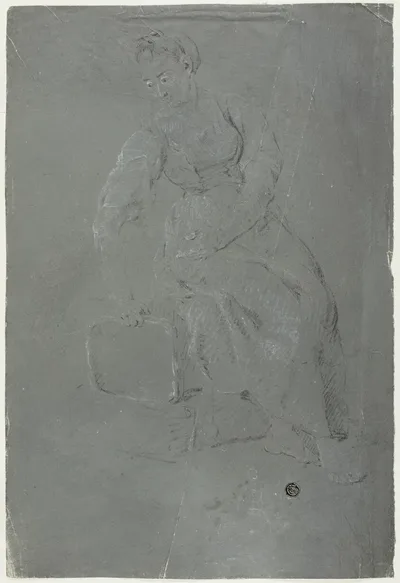
  • Seated Woman by Pierre-Jacques Volaire, n.d.

    Seated Woman

    Pierre-Jacques Volaire

    ΔE 5.0 · very close

    46% of canvas
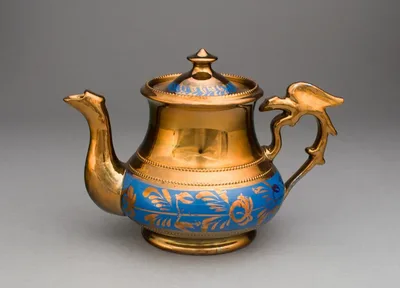
  • Teapot by England, Staffordshire, c. 1820

    Teapot

    England, Staffordshire

    ΔE 5.0 · very close

    46% of canvas
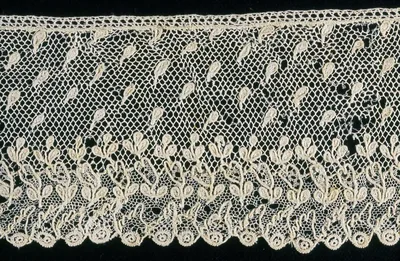
  • Border by France, 1775/1825

    Border

    France

    ΔE 2.1 · very close

    31% of canvas
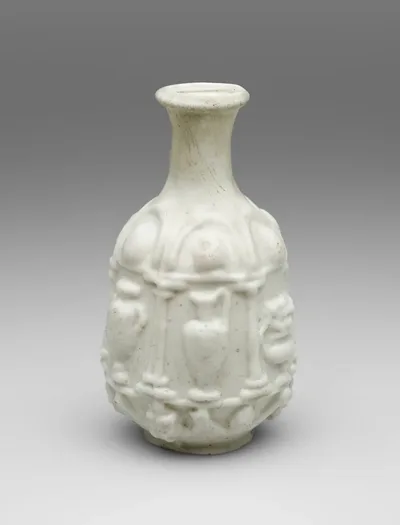
  • Bottle by Ancient Roman, 1st century

    Bottle

    Ancient Roman

    ΔE 2.9 · very close

    34% of canvas
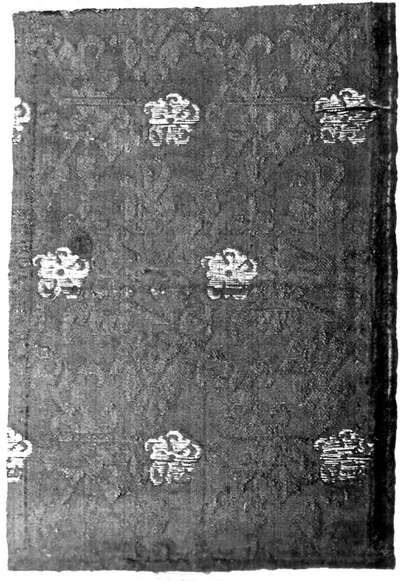
  • Fragment by Spain, Early 17th century

    Fragment

    Spain

    ΔE 3.2 · very close

    36% of canvas
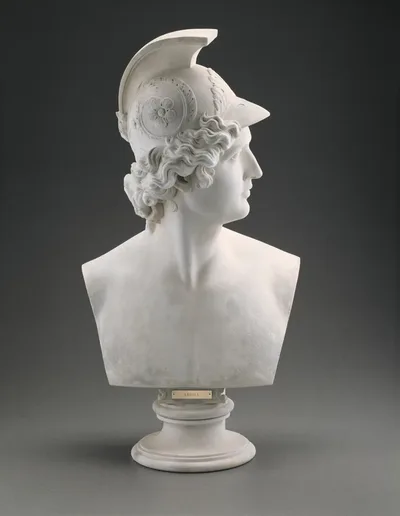
  • Abdiel by Horatio Greenough, 1838–43

    Abdiel

    Horatio Greenough

    ΔE 1.3 · near-exact

    24% of canvas
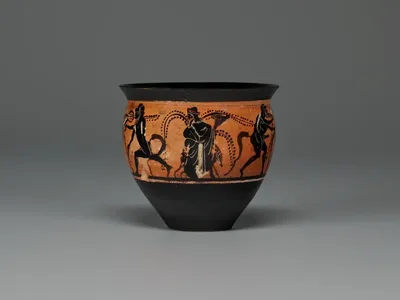
  • Mastoid (Drinking Cup) by Leafless Group, 500-480 BCE

    Mastoid (Drinking Cup)

    Leafless Group

    ΔE 8.1 · close

    58% of canvas
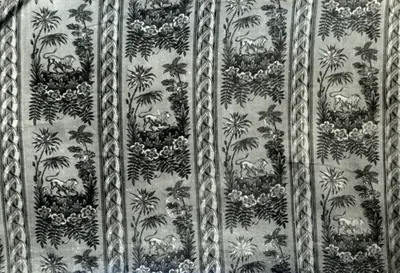
  • Panel (Furnishing Fabric) by France, 19th century

    Panel (Furnishing Fabric)

    France

    ΔE 1.6 · near-exact

    24% of canvas
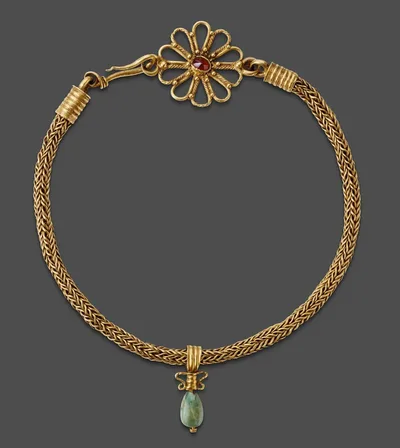
  • Necklace with Pendant by Ancient Roman, 2nd-3rd century

    Necklace with Pendant

    Ancient Roman

    ΔE 14.1 · loosely related

    86% of canvas
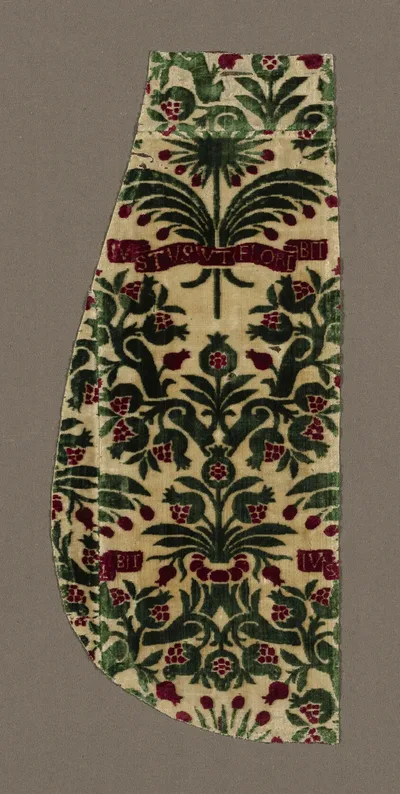
  • Portion of a Chasuble by Probably made for Piero Soderini (1452–1522), 1450-1500

    Portion of a Chasuble

    Probably made for Piero Soderini (1452–1522)

    ΔE 7.3 · close

    49% of canvas
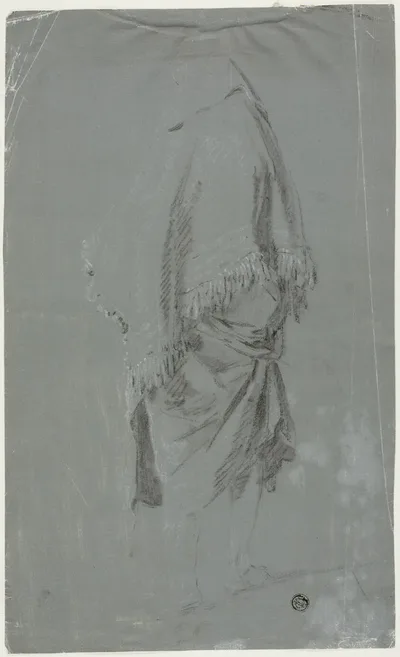
  • Shawled Woman Seen from the Back by Pierre-Jacques Volaire, n.d.

    Shawled Woman Seen from the Back

    Pierre-Jacques Volaire

    ΔE 10.1 · close

    63% of canvas
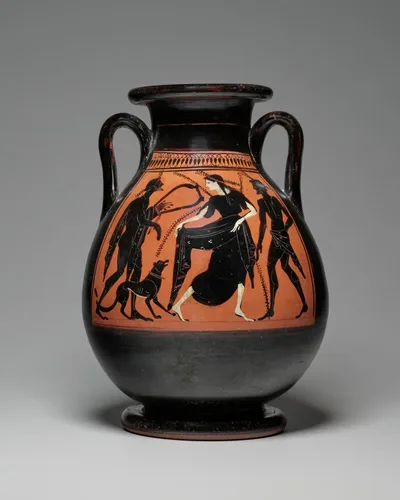
  • Pelike (Storage Jar) by Ancient Greek, about 510-500 BCE

    Pelike (Storage Jar)

    Ancient Greek

    ΔE 2.3 · very close

    24% of canvas
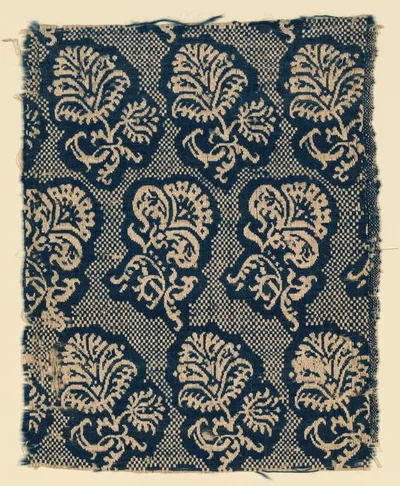
  • Fragment by Europe, 17th century

    Fragment

    Europe

    ΔE 3.9 · very close

    32% of canvas
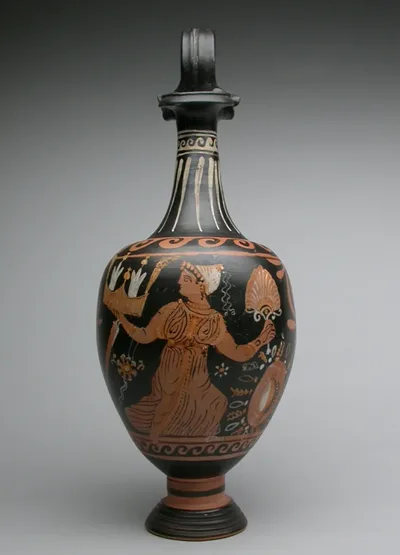
  • Oinochoe (Pitcher) by Ancient Greek, end of 4th century BCE

    Oinochoe (Pitcher)

    Ancient Greek

    ΔE 2.6 · very close

    23% of canvas
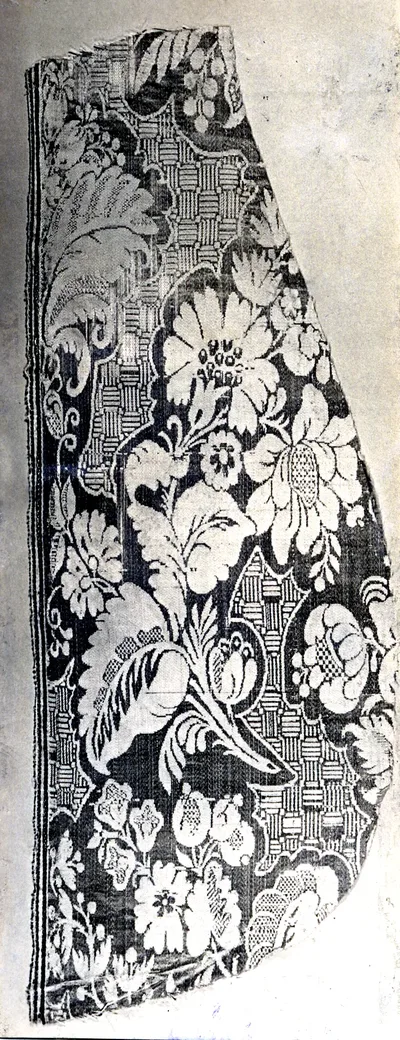
  • Fragment by France, Late 17th century

    Fragment

    France

    ΔE 2.7 · very close

    23% of canvas
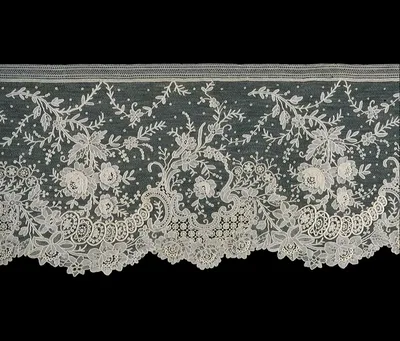
  • Three Flounces by Belgium, 1875/1900

    Three Flounces

    Belgium

    ΔE 1.0 · near-exact

    15% of canvas
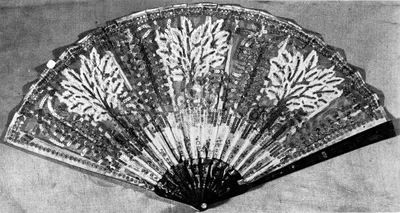
  • Fan by France, c. 1880

    Fan

    France

    ΔE 3.1 · very close

    25% of canvas
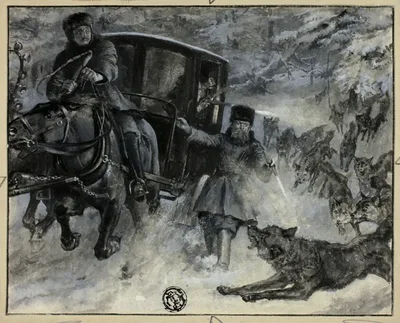
  • Eric Leapt Out by Walter Stanley Paget, 1889

    Eric Leapt Out

    Walter Stanley Paget

    ΔE 3.2 · very close

    25% of canvas
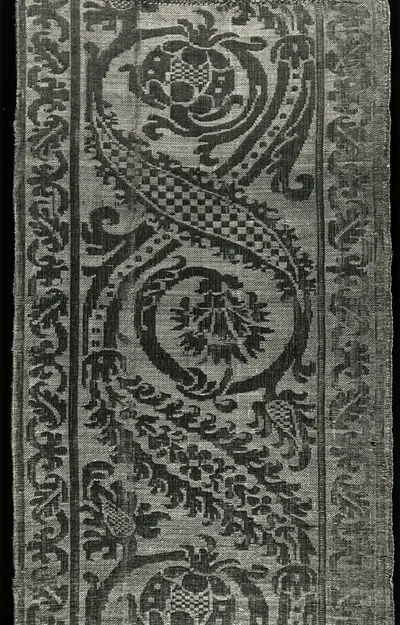
  • Border by Spain, 17th century

    Border

    Spain

    ΔE 4.0 · very close

    29% of canvas
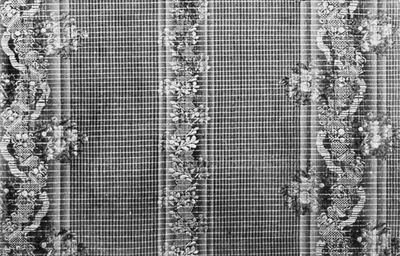
  • Fragment by France, Louis XVI period, 1774–1792, late 18th century

    Fragment

    France

    ΔE 5.3 · close

    35% of canvas
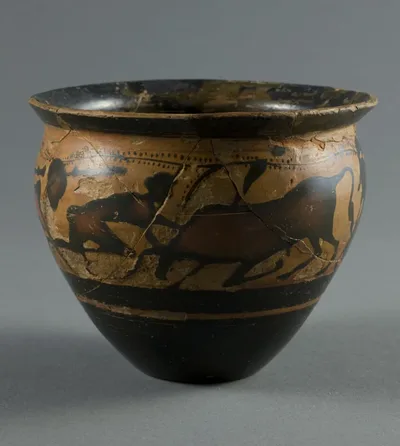
  • Mastoid (Drinking Cup) by Ancient Greek, 500-480 BCE

    Mastoid (Drinking Cup)

    Ancient Greek

    ΔE 4.8 · very close

    32% of canvas
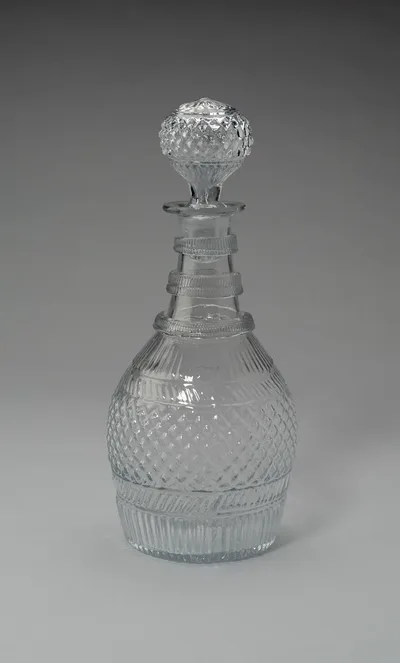
  • Decanter by Artist unknown, 1815–35

    Decanter

    Artist unknown

    ΔE 3.3 · very close

    24% of canvas
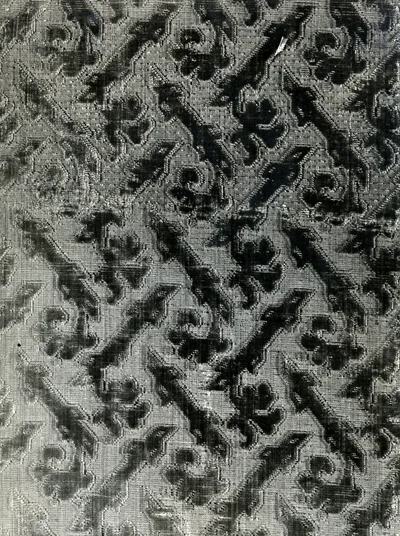
  • Panel by France or Italy, c. 1860/1890 (based on a 1720s lace pattern)

    Panel

    France or Italy

    ΔE 4.1 · very close

    28% of canvas
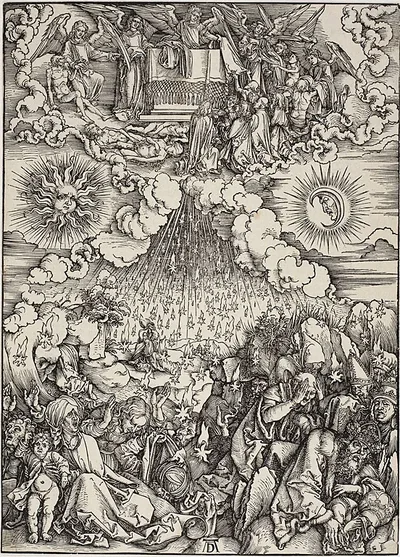
  • The Opening of the Fifth and Sixth Seals, from The Apocalypse by Albrecht Dürer, c. 1496–98

    The Opening of the Fifth and Sixth Seals, from The Apocalypse

    Albrecht Dürer

    ΔE 3.3 · very close

    23% of canvas
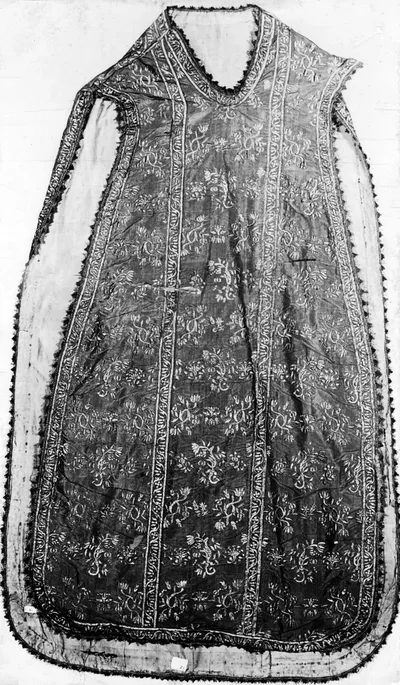
  • Chasuble by Spain, 1775/1825

    Chasuble

    Spain

    ΔE 3.7 · very close

    25% of canvas
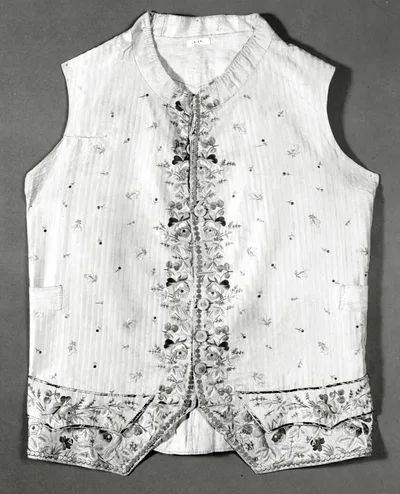
  • Waistcoat by England, 18th century

    Waistcoat

    England

    ΔE 4.4 · very close

    28% of canvas
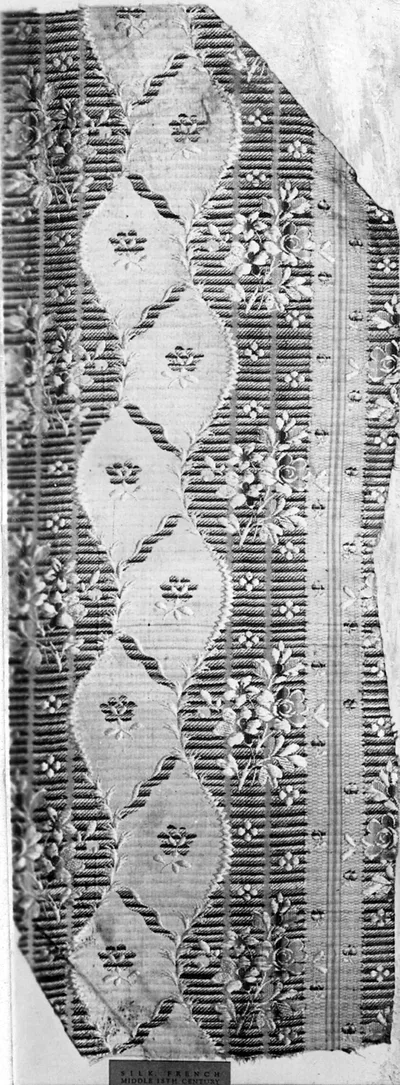
  • Fragment by France, Louis XVI period, 1774–1792, late 18th century

    Fragment

    France

    ΔE 3.2 · very close

    22% of canvas
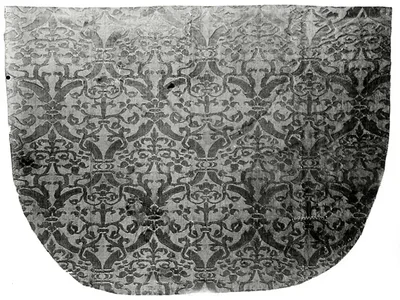
  • Panel by Italy, 16th century

    Panel

    Italy

    ΔE 4.4 · very close

    28% of canvas
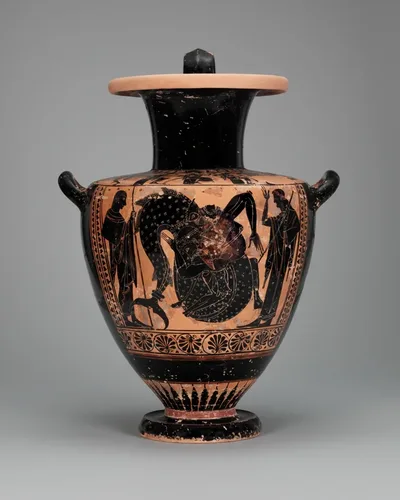
  • Hydria (Water Jar) by Ancient Greek, about 515-500 BCE

    Hydria (Water Jar)

    Ancient Greek

    ΔE 10.5 · close

    58% of canvas
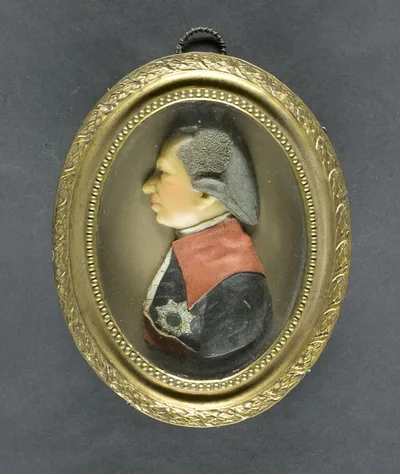
  • Marquis of Waterford by Samuel Percy, 1775/1800

    Marquis of Waterford

    Samuel Percy

    ΔE 9.8 · close

    54% of canvas
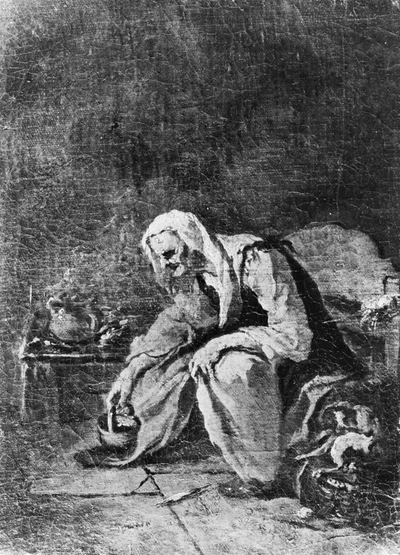
  • The Witch by Circle of Alessandro Magnasco, 1700–1725

    The Witch

    Circle of Alessandro Magnasco

    ΔE 3.4 · very close

    21% of canvas
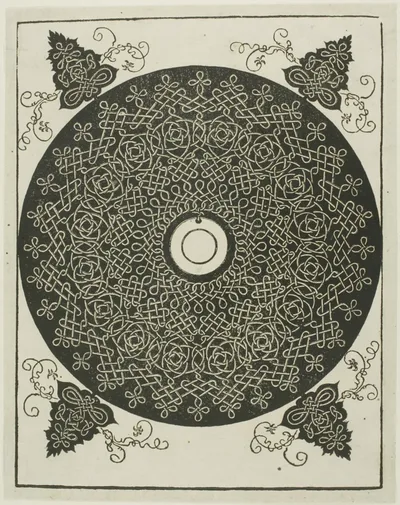
  • The Third Knot by Albrecht Dürer, c. 1507

    The Third Knot

    Albrecht Dürer

    ΔE 6.7 · close

    38% of canvas
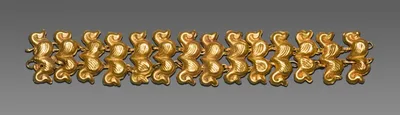
  • Fragment of a Necklace by Ancient Roman, 3rd century

    Fragment of a Necklace

    Ancient Roman

    ΔE 6.4 · close

    36% of canvas
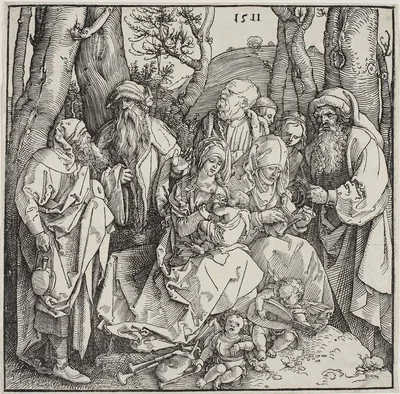
  • The Holy Kinship and Two Musical Angels by Albrecht Dürer, 1511

    The Holy Kinship and Two Musical Angels

    Albrecht Dürer

    ΔE 3.1 · very close

    19% of canvas
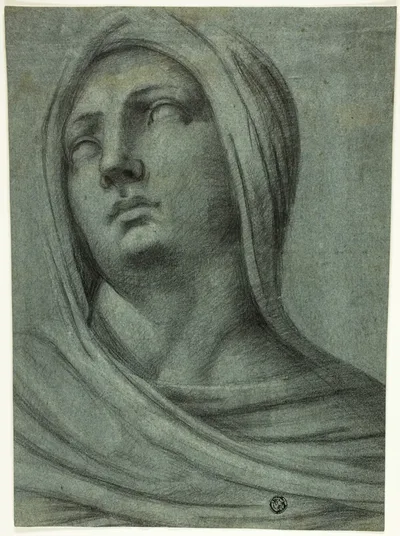
  • Head and Shoulders of Veiled Woman by Sebastiano del Piombo, c. 1700

    Head and Shoulders of Veiled Woman

    Sebastiano del Piombo

    ΔE 8.8 · close

    48% of canvas
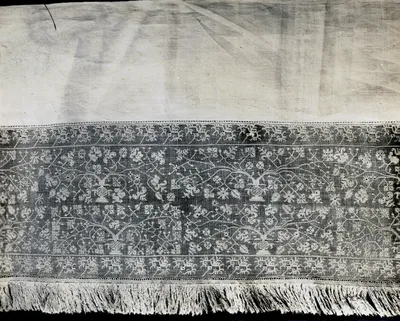
  • Altar Frontal by Italy, 18th century

    Altar Frontal

    Italy

    ΔE 4.6 · very close

    27% of canvas
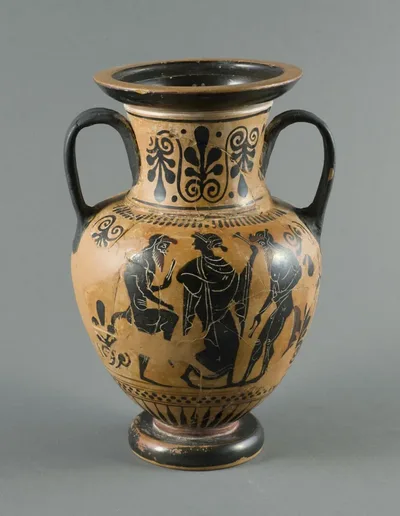
  • Amphora (Storage Jar) by Michigan Painter, 490-480 BCE

    Amphora (Storage Jar)

    Michigan Painter

    ΔE 1.7 · near-exact

    12% of canvas
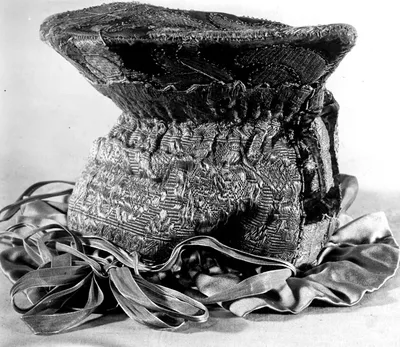
  • Headdress by Russia, 19th century

    Headdress

    Russia

    ΔE 3.5 · very close

    21% of canvas
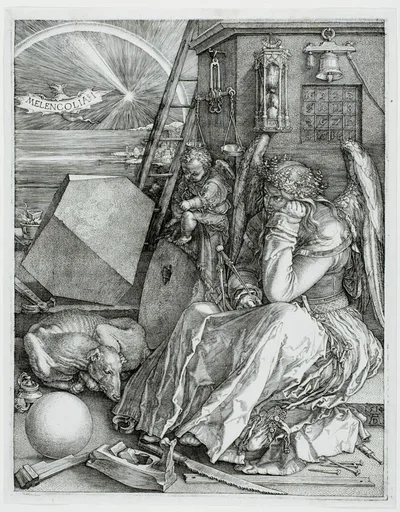
  • Melencolia I by Albrecht Dürer, 1514

    Melencolia I

    Albrecht Dürer

    ΔE 3.5 · very close

    21% of canvas
  • Border by Italy, 18th century

    Border

    Italy

    ΔE 3.0 · very close

    19% of canvas
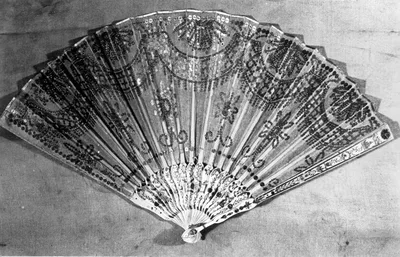
  • Fan by France, Empire period, 19th century

    Fan

    France

    ΔE 5.1 · close

    29% of canvas
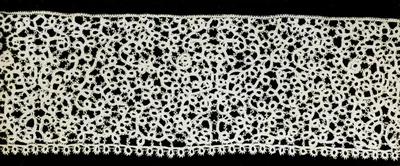
  • Two Borders by Italy, 18th century

    Two Borders

    Italy

    ΔE 3.1 · very close

    19% of canvas
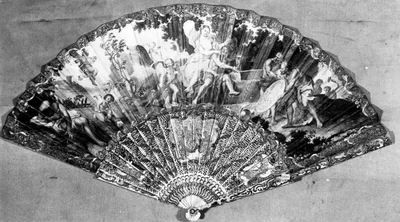
  • Fan by France, 18th century, Louis XVI period (1774–1793)

    Fan

    France

    ΔE 4.4 · very close

    25% of canvas
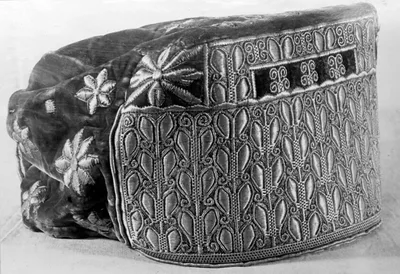
  • Headdress by Russia, 19th century

    Headdress

    Russia

    ΔE 4.3 · very close

    24% of canvas
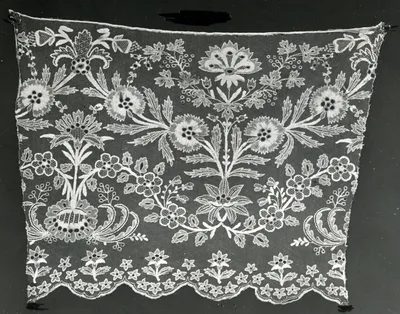
  • Two Portions from a Flounce by Southern Europe, 1850/1900

    Two Portions from a Flounce

    Southern Europe

    ΔE 3.8 · very close

    22% of canvas
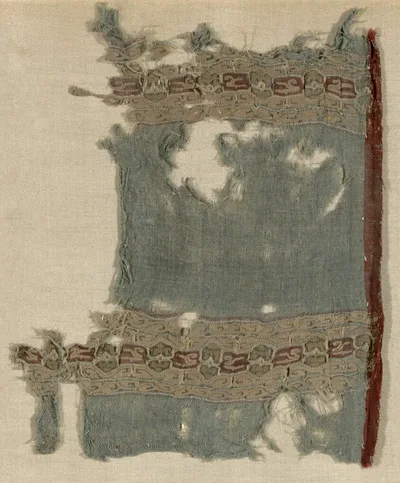
  • Fragment by Egypt, Fatimid period (969–1171)

    Fragment

    Egypt

    ΔE 5.6 · close

    30% of canvas
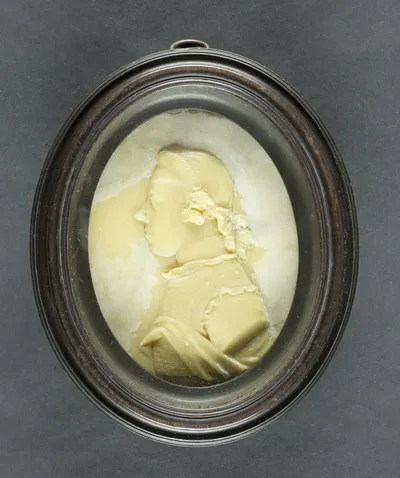
  • John Duke, Third Duke of Rutland (1696-1779) by Isaac Gosset, 1740/60

    John Duke, Third Duke of Rutland (1696-1779)

    Isaac Gosset

    ΔE 10.2 · close

    53% of canvas
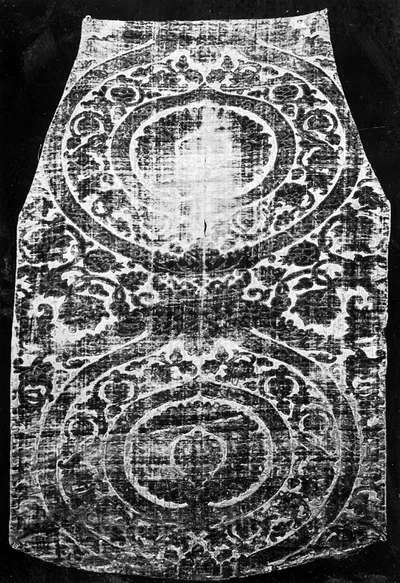
  • Fragment by Italy, Mid–16th century

    Fragment

    Italy

    ΔE 4.1 · very close

    22% of canvas
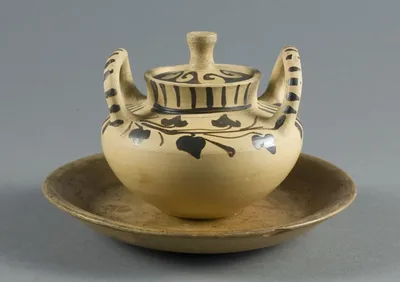
  • Miniature Pyxis (Container for Personal Objects) by Ancient Greek, 300-270 BCE

    Miniature Pyxis (Container for Personal Objects)

    Ancient Greek

    ΔE 9.9 · close

    52% of canvas
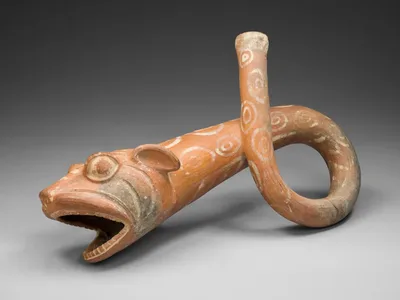
  • Trumpet with Feline Face by Moche, 350–850 CE

    Trumpet with Feline Face

    Moche

    ΔE 3.8 · very close

    21% of canvas
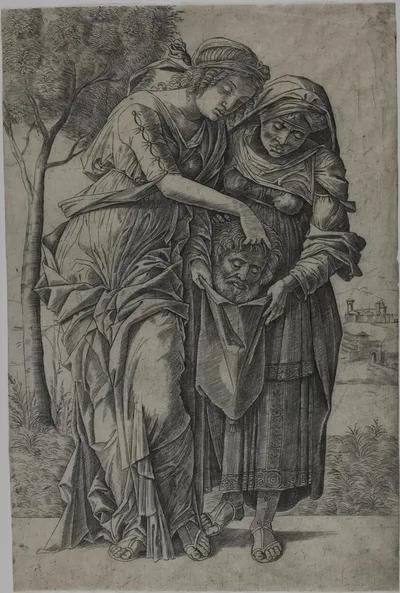
  • Judith with the Head of Holofernes by Girolamo Mocetto, n.d.

    Judith with the Head of Holofernes

    Girolamo Mocetto

    ΔE 4.6 · very close

    25% of canvas
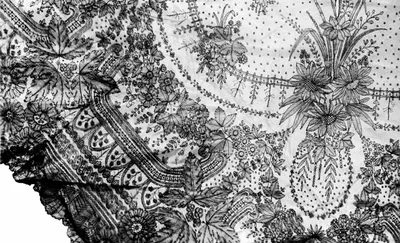
  • Half Shawl by France, probably Bayeux, 1855/65

    Half Shawl

    France, probably Bayeux

    ΔE 5.0 · close

    27% of canvas
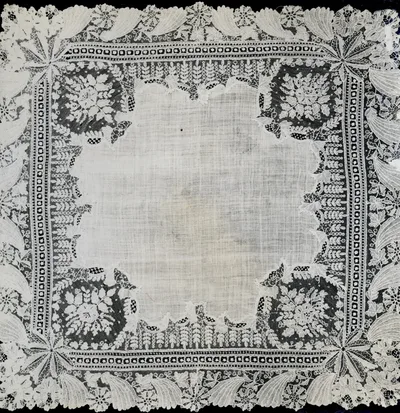
  • Handkerchief by Belgium, 1875/1900

    Handkerchief

    Belgium

    ΔE 4.3 · very close

    23% of canvas
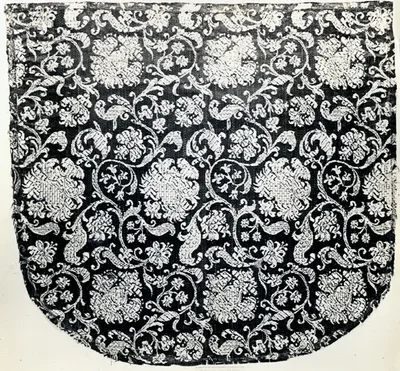
  • Fragment by France or Italy, Mid–17th century

    Fragment

    France or Italy

    ΔE 3.7 · very close

    20% of canvas
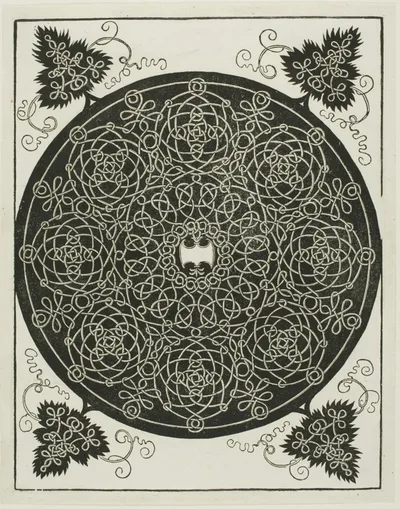
  • The Fifth Knot by Albrecht Dürer, c. 1507

    The Fifth Knot

    Albrecht Dürer

    ΔE 4.5 · very close

    24% of canvas
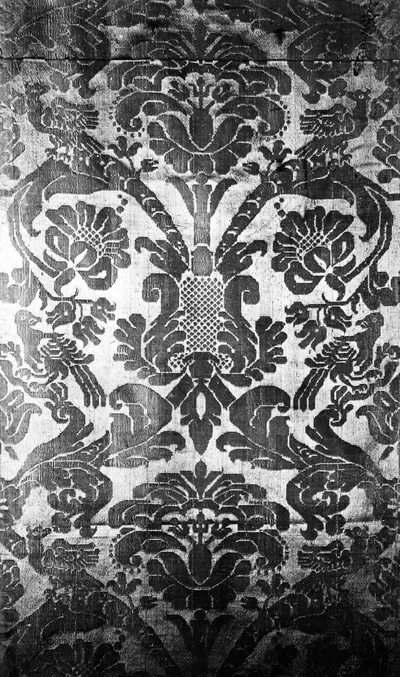
  • Panel by Italy, 16th/17th century

    Panel

    Italy

    ΔE 4.4 · very close

    23% of canvas

What ΔE means, and what this does not measure