Skip to content
Chroma
#7c6f66

Ranked by perceptual distance

Works near #7c6f66

Ranked by CIEDE2000 distance to each work’s nearest palette entry, weighted by how much of the canvas that colour covers. Each result shows the real perceptual distance and that coverage, not the blended score that produced the order.

Pick a different colour

Drag the ring or use the arrow keys. Every result is ranked by how close it is in CIELAB, weighted by how much of the canvas the colour covers.

Closest first

60 of 1,497 works
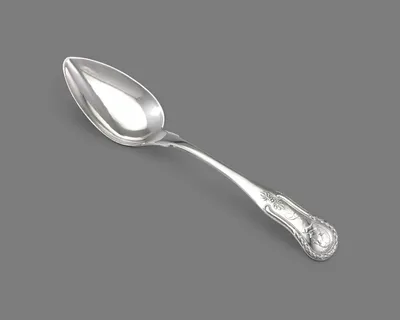
  • Spoon by Artist unknown, c. 1830

    Spoon

    Artist unknown

    ΔE 8.3 · close

    91% of canvas
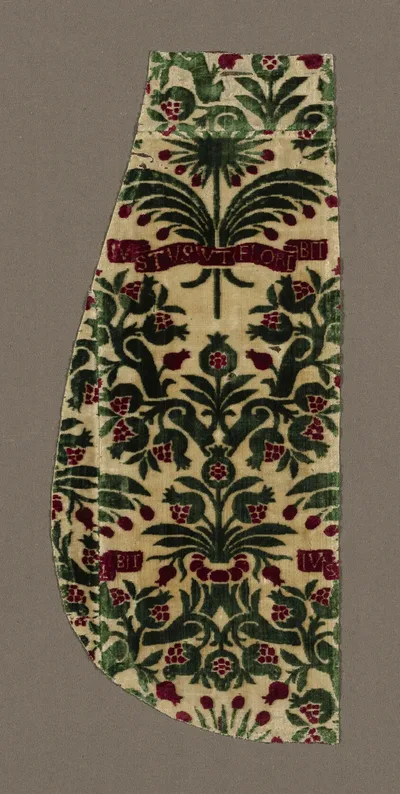
  • Portion of a Chasuble by Probably made for Piero Soderini (1452–1522), 1450-1500

    Portion of a Chasuble

    Probably made for Piero Soderini (1452–1522)

    ΔE 2.5 · very close

    49% of canvas
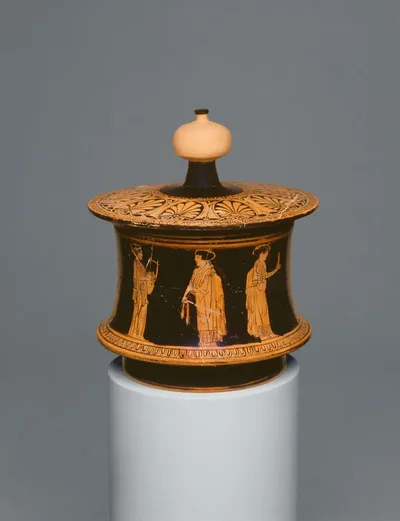
  • Pyxis (Container for Personal Objects) by Ancient Greek, 430-420 BCE

    Pyxis (Container for Personal Objects)

    Ancient Greek

    ΔE 10.0 · close

    70% of canvas
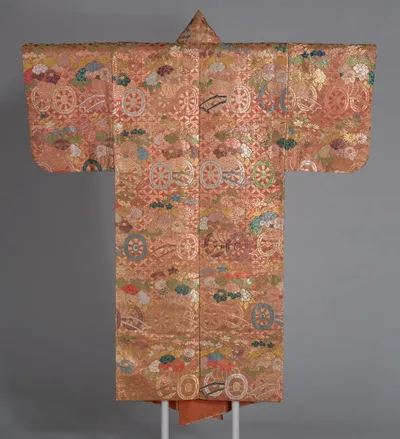
  • Atsuita karaori (Noh Costume) by Japan, late Edo period (1789–1868), 1801/25

    Atsuita karaori (Noh Costume)

    Japan

    ΔE 7.5 · close

    52% of canvas
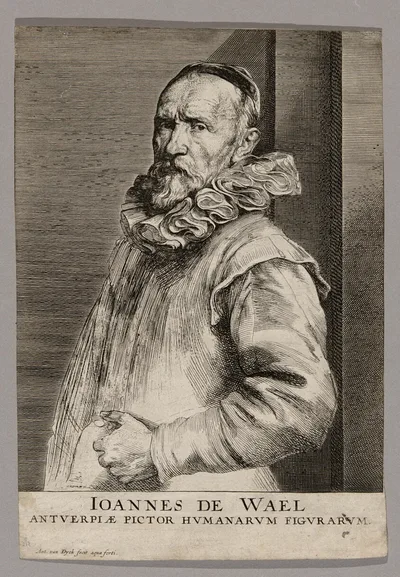
  • Jan de Wael by Anthony van Dyck, 1630/33

    Jan de Wael

    Anthony van Dyck

    ΔE 3.0 · very close

    26% of canvas
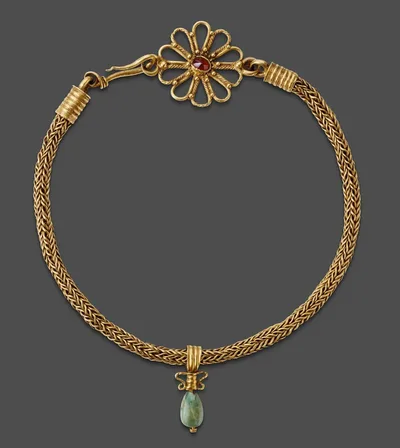
  • Necklace with Pendant by Ancient Roman, 2nd-3rd century

    Necklace with Pendant

    Ancient Roman

    ΔE 15.1 · loosely related

    86% of canvas
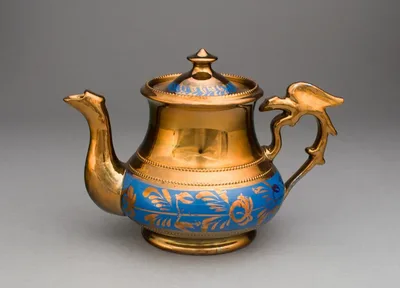
  • Teapot by England, Staffordshire, c. 1820

    Teapot

    England, Staffordshire

    ΔE 7.4 · close

    46% of canvas
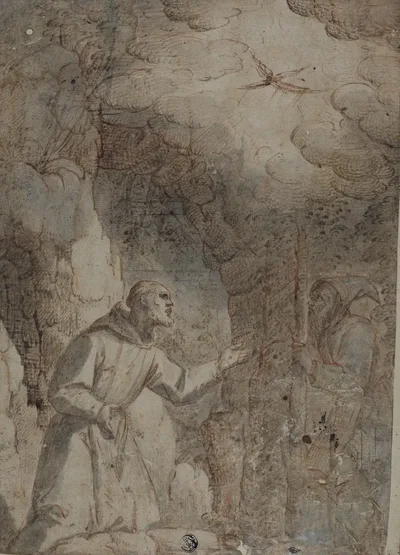
  • Stigmatization of Saint Francis of Assisi by probably Italian, n.d.

    Stigmatization of Saint Francis of Assisi

    probably Italian

    ΔE 4.0 · very close

    26% of canvas
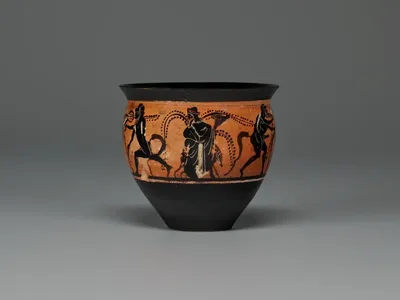
  • Mastoid (Drinking Cup) by Leafless Group, 500-480 BCE

    Mastoid (Drinking Cup)

    Leafless Group

    ΔE 10.9 · close

    58% of canvas
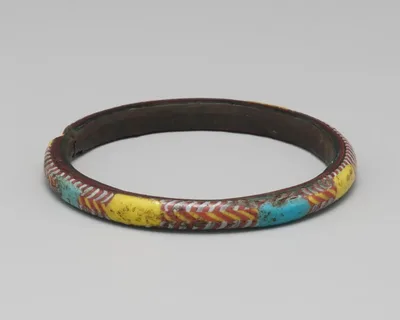
  • Bracelet by Islamic, 14th-15th century

    Bracelet

    Islamic

    ΔE 0.7 · near-exact

    6% of canvas
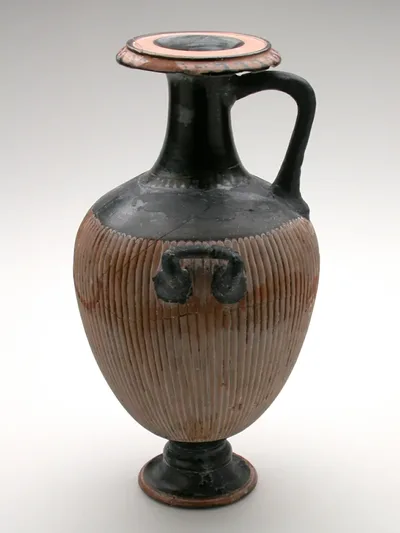
  • Hydria (Water Jar) by Ancient Greek, about 300 BCE

    Hydria (Water Jar)

    Ancient Greek

    ΔE 1.8 · near-exact

    11% of canvas
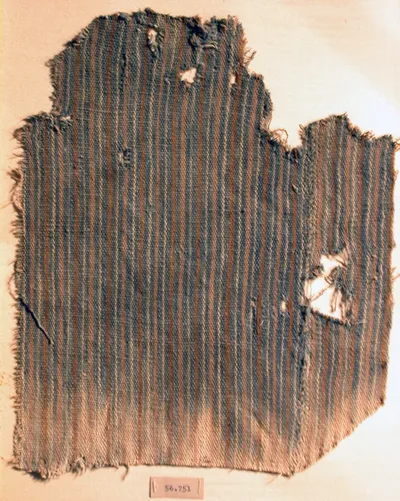
  • Fragment by Peru, north coast, Culebra Valley, La Capilla, 1000-1476

    Fragment

    Peru, north coast, Culebra Valley, La Capilla

    ΔE 4.5 · very close

    23% of canvas
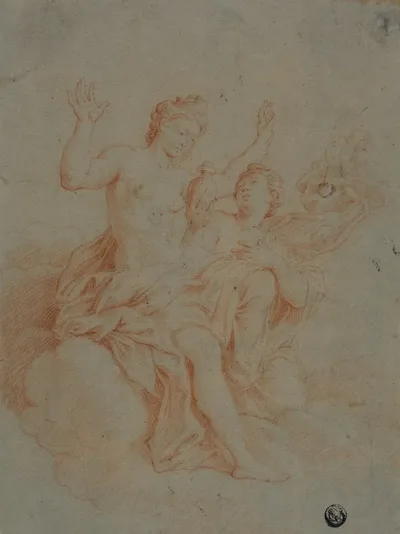
  • Psyche Presenting the Phial of Water to Venus by Raphael, 18th century

    Psyche Presenting the Phial of Water to Venus

    Raphael

    ΔE 8.0 · close

    40% of canvas
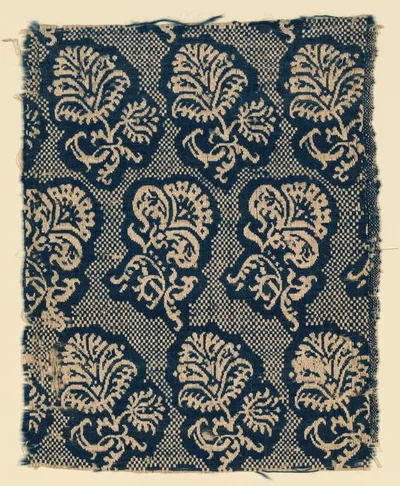
  • Fragment by Europe, 17th century

    Fragment

    Europe

    ΔE 6.3 · close

    32% of canvas
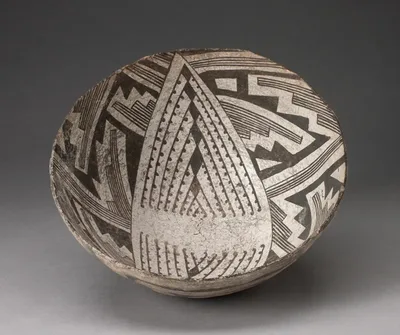
  • Bowl with Large Diamond-Shaped Area Interior with Dotted Lines and Diamonds, and Interlocking Stepped Motifs by Ancestral Pueblo, 950–1400

    Bowl with Large Diamond-Shaped Area Interior with Dotted Lines and Diamonds, and Interlocking Stepped Motifs

    Ancestral Pueblo

    ΔE 3.7 · very close

    19% of canvas
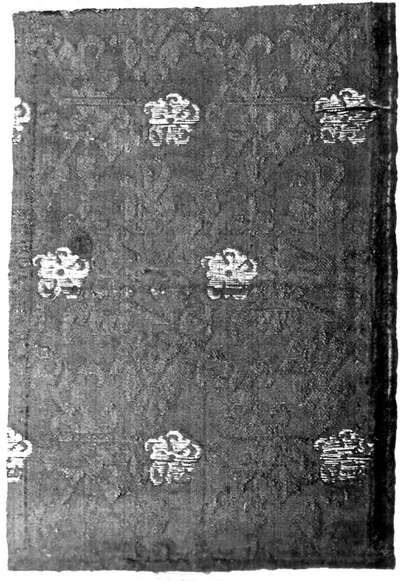
  • Fragment by Spain, Early 17th century

    Fragment

    Spain

    ΔE 7.3 · close

    36% of canvas
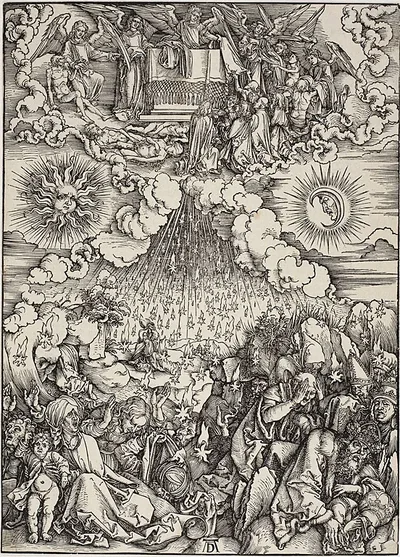
  • The Opening of the Fifth and Sixth Seals, from The Apocalypse by Albrecht Dürer, c. 1496–98

    The Opening of the Fifth and Sixth Seals, from The Apocalypse

    Albrecht Dürer

    ΔE 4.8 · very close

    23% of canvas
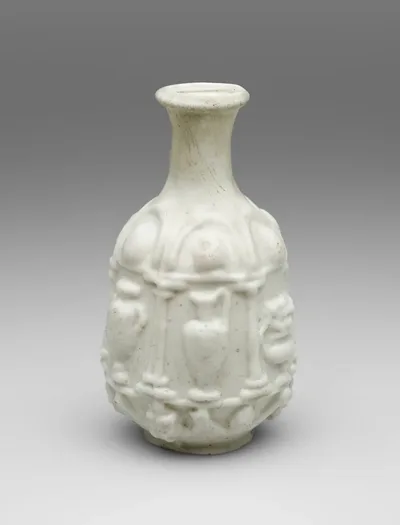
  • Bottle by Ancient Roman, 1st century

    Bottle

    Ancient Roman

    ΔE 7.1 · close

    34% of canvas
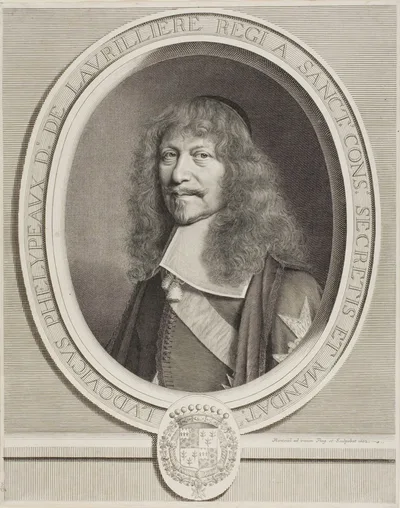
  • Louis Phélypeaux de la Vrillière by Robert Nanteuil, 1662

    Louis Phélypeaux de la Vrillière

    Robert Nanteuil

    ΔE 3.5 · very close

    15% of canvas
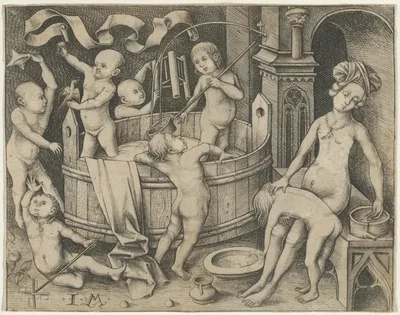
  • The Children's Bath by Israhel van Meckenem, the younger, 1480/90

    The Children's Bath

    Israhel van Meckenem, the younger

    ΔE 5.7 · close

    27% of canvas

  • Pair of Lappets (Joined) by France, Bayeux, 1850s/60s

    Pair of Lappets (Joined)

    France, Bayeux

    ΔE 4.5 · very close

    20% of canvas
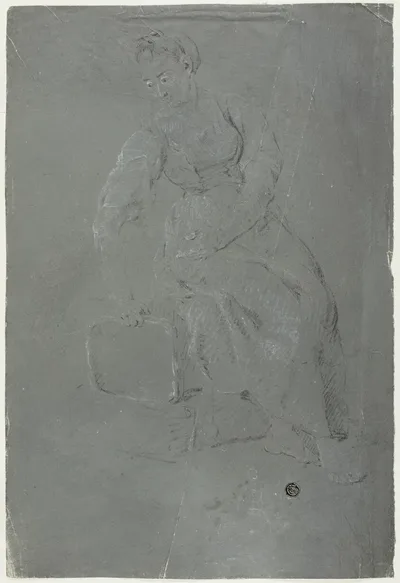
  • Seated Woman by Pierre-Jacques Volaire, n.d.

    Seated Woman

    Pierre-Jacques Volaire

    ΔE 9.6 · close

    46% of canvas
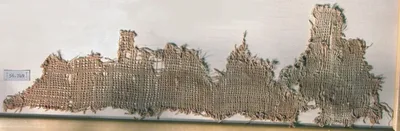
  • Fragment by Peru, north coast, Culebra Valley, La Capilla, 1000-1476

    Fragment

    Peru, north coast, Culebra Valley, La Capilla

    ΔE 5.4 · close

    25% of canvas
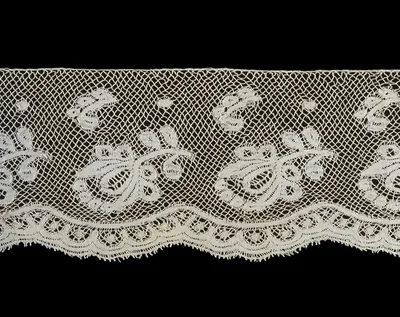
  • Seven Borders by Belgium, 1850/75

    Seven Borders

    Belgium

    ΔE 5.1 · close

    22% of canvas
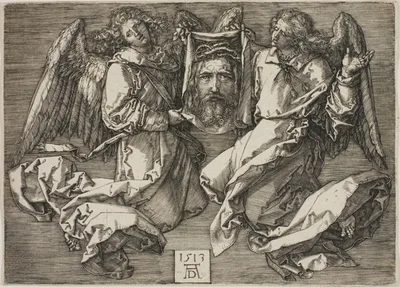
  • Sudarium Displayed by Two Angels by Albrecht Dürer, 1513

    Sudarium Displayed by Two Angels

    Albrecht Dürer

    ΔE 6.0 · close

    27% of canvas
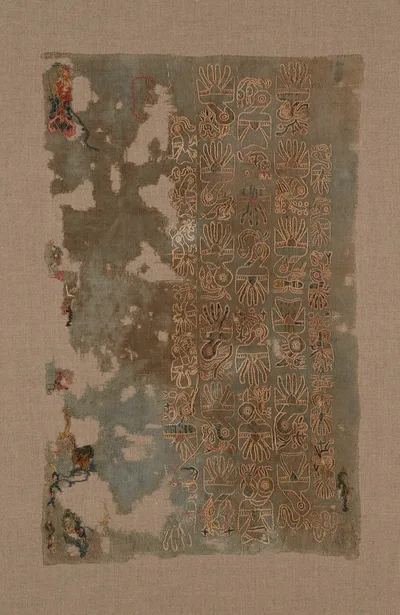
  • Sampler by Nasca, 1 CE-200 CE

    Sampler

    Nasca

    ΔE 9.3 · close

    43% of canvas
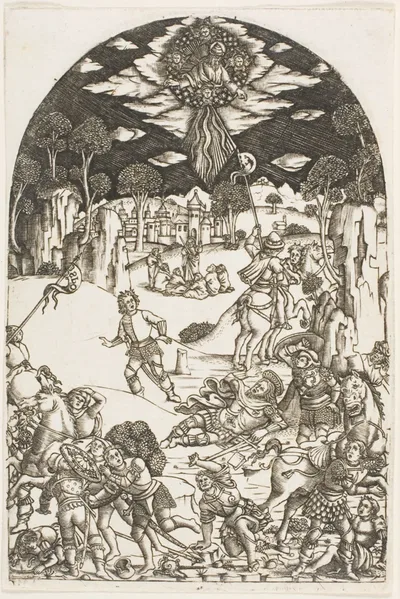
  • The Conversion of Saint Paul by Unknown artist, n.d.

    The Conversion of Saint Paul

    Unknown artist

    ΔE 4.4 · very close

    18% of canvas
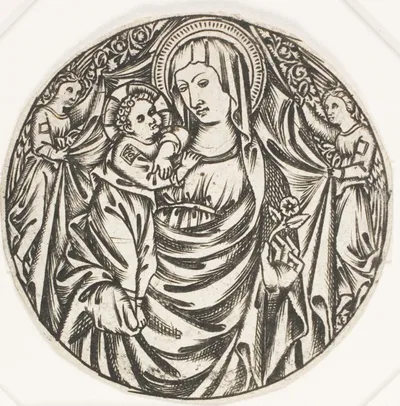
  • Virgin and Child by Unknown artist, c. 1480

    Virgin and Child

    Unknown artist

    ΔE 4.4 · very close

    18% of canvas
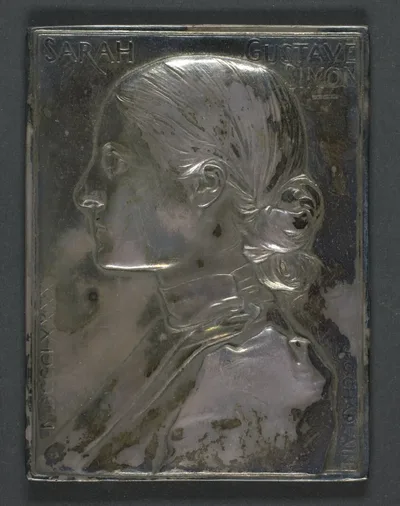
  • Portrait Bust of Sarah Gustave Simon by Jules Clément Chaplain, 1890 (?)

    Portrait Bust of Sarah Gustave Simon

    Jules Clément Chaplain

    ΔE 4.7 · very close

    19% of canvas
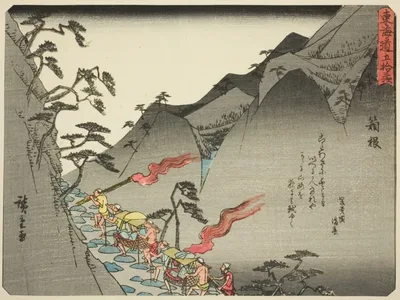
  • Hakone, from the series "Fifty-three Stations of the Tokaido (Tokaido gojusan tsugi)," also known as the Tokaido with Poem (Kyoka iri Tokaido) by Utagawa Hiroshige, c. 1837/42

    Hakone, from the series "Fifty-three Stations of the Tokaido (Tokaido gojusan tsugi)," also known as the Tokaido with Poem (Kyoka iri Tokaido)

    Utagawa Hiroshige

    ΔE 4.3 · very close

    17% of canvas
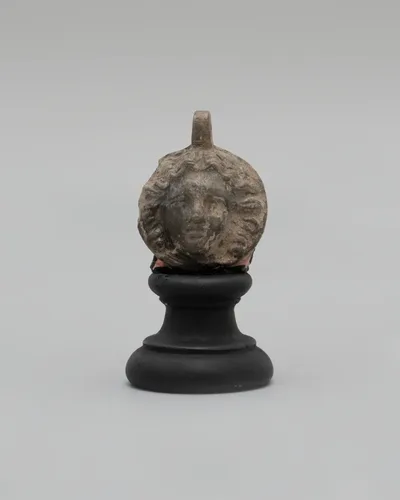
  • Pendant Depicting Apollo by Ancient Greek, 2nd-1st century BCE

    Pendant Depicting Apollo

    Ancient Greek

    ΔE 1.7 · near-exact

    4% of canvas
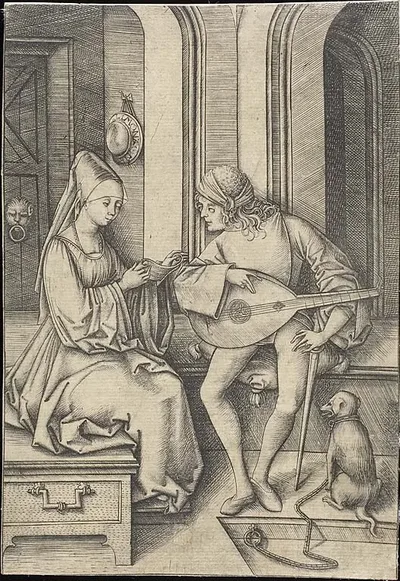
  • The Singer and the Lute Player by Israhel van Meckenem, the younger, c. 1495

    The Singer and the Lute Player

    Israhel van Meckenem, the younger

    ΔE 5.8 · close

    24% of canvas
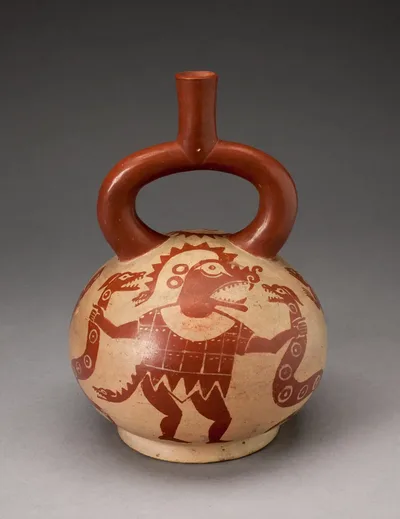
  • Ritual Vessel Depicting a Masked Deity with Serpents by Moche, 100 BCE–500 CE

    Ritual Vessel Depicting a Masked Deity with Serpents

    Moche

    ΔE 5.4 · close

    22% of canvas
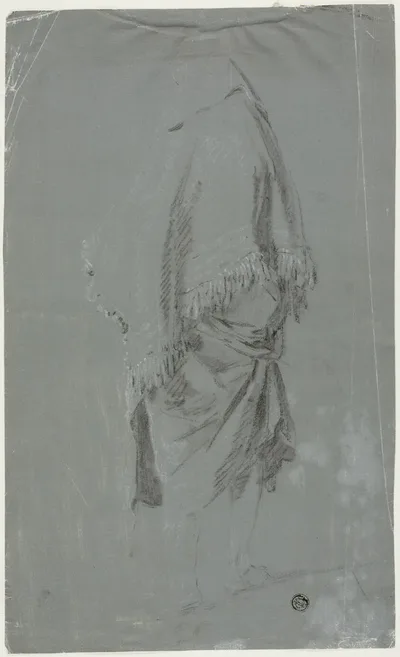
  • Shawled Woman Seen from the Back by Pierre-Jacques Volaire, n.d.

    Shawled Woman Seen from the Back

    Pierre-Jacques Volaire

    ΔE 13.7 · loosely related

    63% of canvas
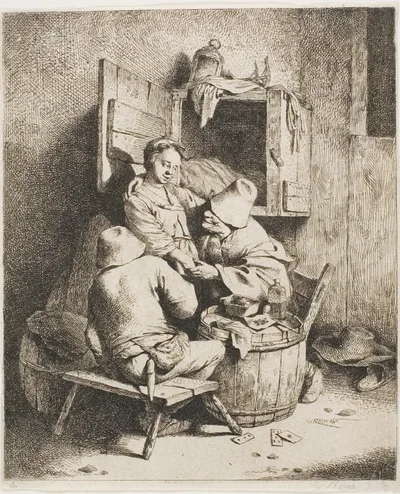
  • A Young Man Caressing the Young Hostess by Cornelis Pietersz. Bega, c. 1650

    A Young Man Caressing the Young Hostess

    Cornelis Pietersz. Bega

    ΔE 4.2 · very close

    16% of canvas
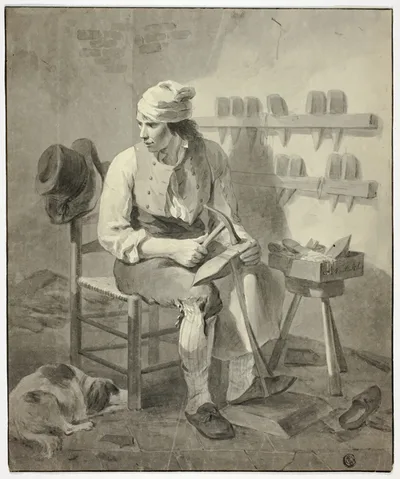
  • The Cobbler by A. Faslin[k], 19th century

    The Cobbler

    A. Faslin[k]

    ΔE 7.2 · close

    30% of canvas
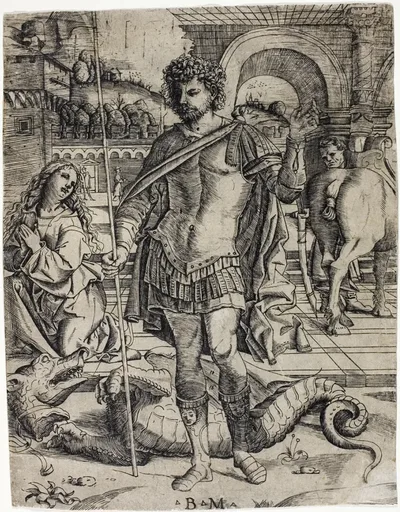
  • Saint George by Benedetto Montagna, 1506

    Saint George

    Benedetto Montagna

    ΔE 6.3 · close

    26% of canvas
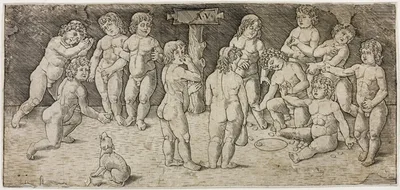
  • Twelve Cupids Playing by Giovan Pietro Birago, c. 1477

    Twelve Cupids Playing

    Giovan Pietro Birago

    ΔE 5.6 · close

    22% of canvas
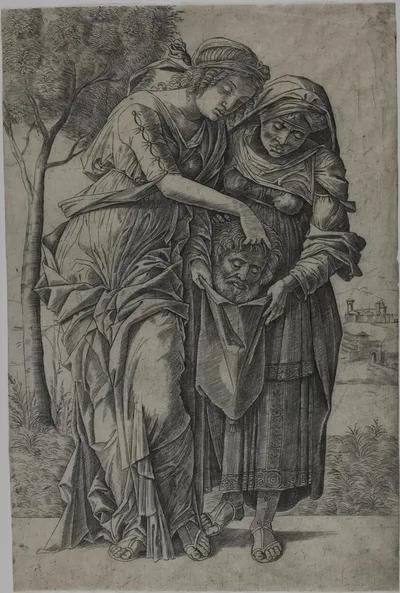
  • Judith with the Head of Holofernes by Girolamo Mocetto, n.d.

    Judith with the Head of Holofernes

    Girolamo Mocetto

    ΔE 6.2 · close

    25% of canvas
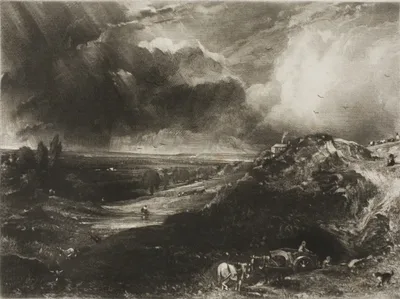
  • A Heath by David Lucas, 1831

    A Heath

    David Lucas

    ΔE 4.6 · very close

    17% of canvas
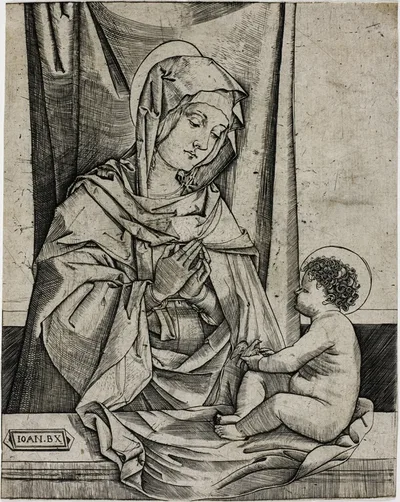
  • The Virgin and Child by Benedetto Montagna, c. 1502

    The Virgin and Child

    Benedetto Montagna

    ΔE 5.2 · close

    20% of canvas
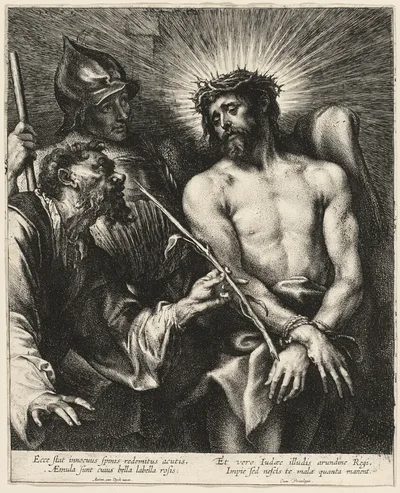
  • The Reed Offered to Christ by Anthony van Dyck, 1630/40

    The Reed Offered to Christ

    Anthony van Dyck

    ΔE 4.7 · very close

    17% of canvas
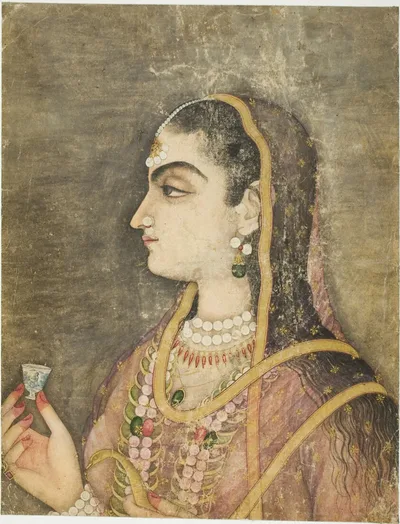
  • Portrait of a Princess by Mughal, 17th/18th century

    Portrait of a Princess

    Mughal

    ΔE 8.2 · close

    34% of canvas
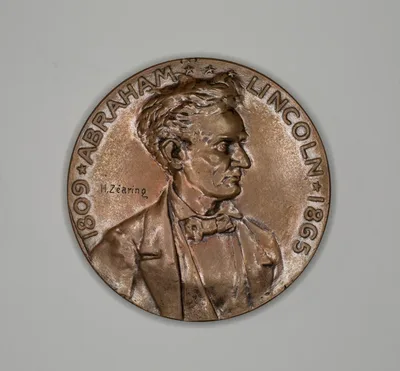
  • Three Medals Depicting Lincoln by Artist unknown, 1865–94

    Three Medals Depicting Lincoln

    Artist unknown

    ΔE 2.3 · very close

    5% of canvas
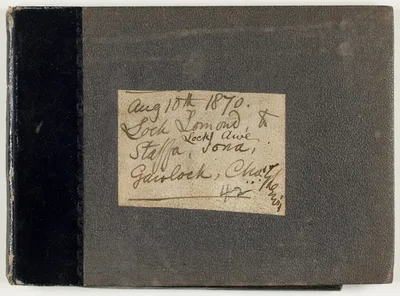
  • Loch Lomond by Charles George Lewis, 1870

    Loch Lomond

    Charles George Lewis

    ΔE 12.7 · loosely related

    57% of canvas
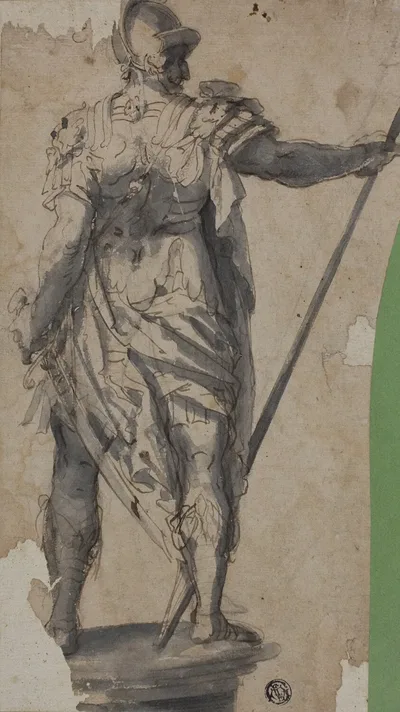
  • Statue of Standing Warrior, from Rear by Follower of Francesco Salviati, n.d.

    Statue of Standing Warrior, from Rear

    Follower of Francesco Salviati

    ΔE 4.6 · very close

    16% of canvas
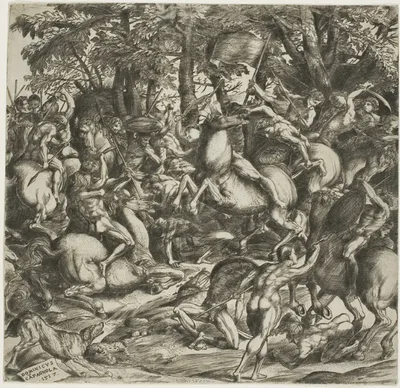
  • Battle of the Naked Men by Domenico Campagnola, 1517

    Battle of the Naked Men

    Domenico Campagnola

    ΔE 6.9 · close

    27% of canvas
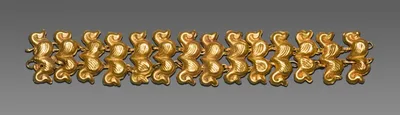
  • Fragment of a Necklace by Ancient Roman, 3rd century

    Fragment of a Necklace

    Ancient Roman

    ΔE 8.6 · close

    36% of canvas
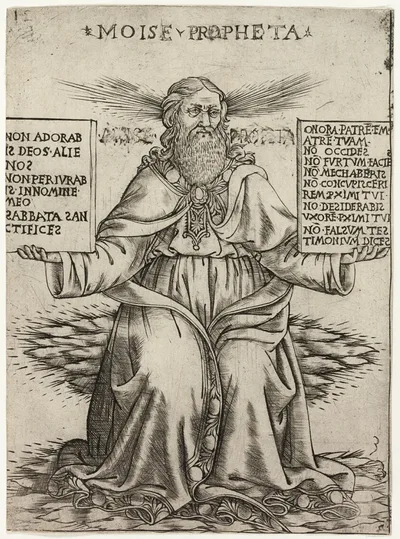
  • The Prophet Moses by Baccio Baldini, c. 1470

    The Prophet Moses

    Baccio Baldini

    ΔE 5.2 · close

    19% of canvas
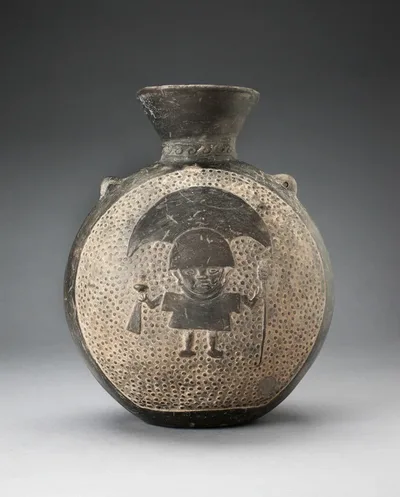
  • Jar with Relief of Standing Figure with Crescent Headdress, Holding Ritual Objects by Chimú, 1200–1450

    Jar with Relief of Standing Figure with Crescent Headdress, Holding Ritual Objects

    Chimú

    ΔE 5.7 · close

    21% of canvas
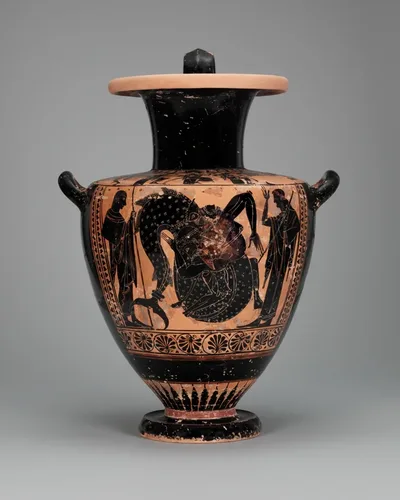
  • Hydria (Water Jar) by Ancient Greek, about 515-500 BCE

    Hydria (Water Jar)

    Ancient Greek

    ΔE 13.0 · loosely related

    58% of canvas
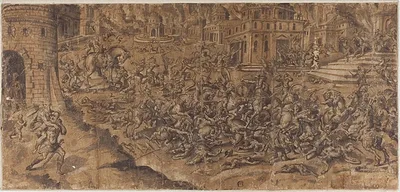
  • Aeneas Leaving the Burning City of Troy by Unknown artist, n.d.

    Aeneas Leaving the Burning City of Troy

    Unknown artist

    ΔE 8.1 · close

    33% of canvas
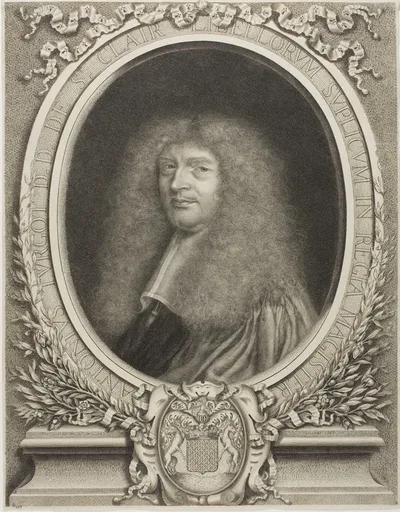
  • Antoine Turgot de Saint-Clair by Antoine Masson, 1668

    Antoine Turgot de Saint-Clair

    Antoine Masson

    ΔE 5.1 · close

    18% of canvas
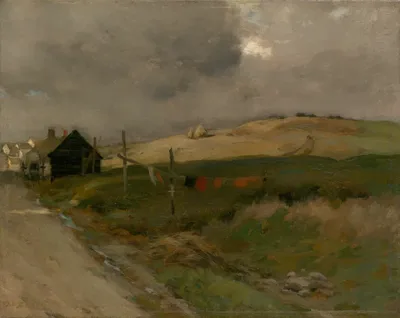
  • Landscape by Jean Charles Cazin, c. 1895

    Landscape

    Jean Charles Cazin

    ΔE 6.7 · close

    26% of canvas
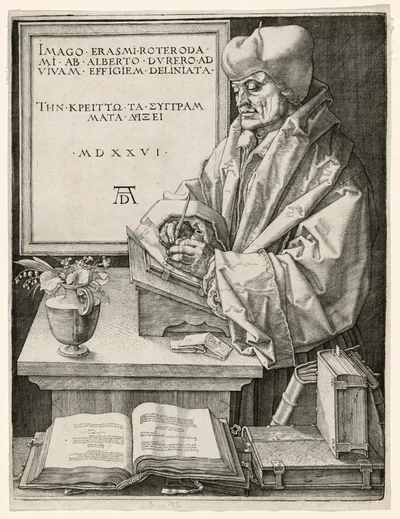
  • Erasmus of Rotterdam by Albrecht Dürer, 1526

    Erasmus of Rotterdam

    Albrecht Dürer

    ΔE 5.5 · close

    20% of canvas
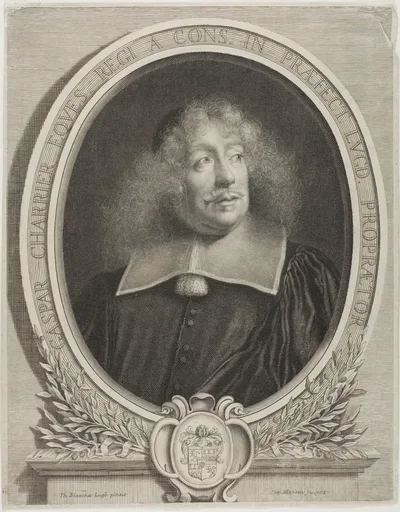
  • Gaspar Charrier, King's Secretary by Antoine Masson, n.d.

    Gaspar Charrier, King's Secretary

    Antoine Masson

    ΔE 4.2 · very close

    13% of canvas
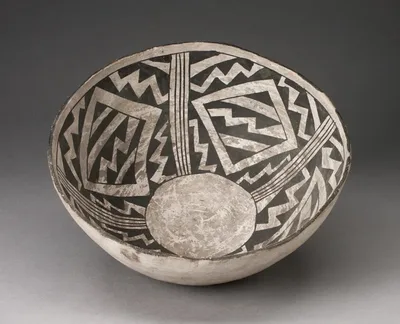
  • Bowl with Bold Black-on-White Diamond and Zizgag Motifs by Ancestral Pueblo, 950–1400

    Bowl with Bold Black-on-White Diamond and Zizgag Motifs

    Ancestral Pueblo

    ΔE 5.2 · close

    18% of canvas
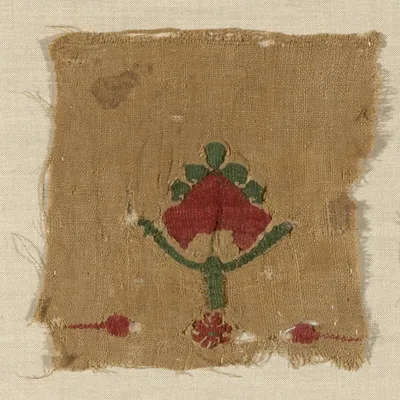
  • Fragment by Egypt, 5th-6th century

    Fragment

    Egypt

    ΔE 12.9 · loosely related

    57% of canvas
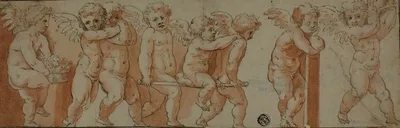
  • Frieze with Eight Putti by Polidoro da Caravaggio, n.d.

    Frieze with Eight Putti

    Polidoro da Caravaggio

    ΔE 7.6 · close

    30% of canvas
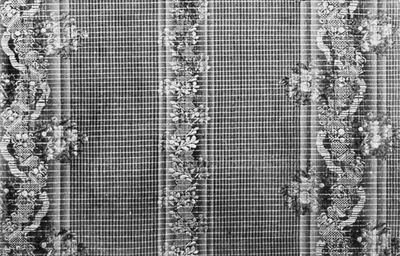
  • Fragment by France, Louis XVI period, 1774–1792, late 18th century

    Fragment

    France

    ΔE 8.6 · close

    35% of canvas

What ΔE means, and what this does not measure