Skip to content
Chroma
#827c76

Ranked by perceptual distance

Works near #827c76

Ranked by CIEDE2000 distance to each work’s nearest palette entry, weighted by how much of the canvas that colour covers. Each result shows the real perceptual distance and that coverage, not the blended score that produced the order.

Pick a different colour

Drag the ring or use the arrow keys. Every result is ranked by how close it is in CIELAB, weighted by how much of the canvas the colour covers.

Closest first

60 of 1,497 works
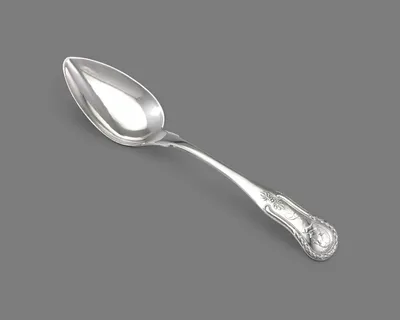
  • Spoon by Artist unknown, c. 1830

    Spoon

    Artist unknown

    ΔE 4.0 · very close

    91% of canvas
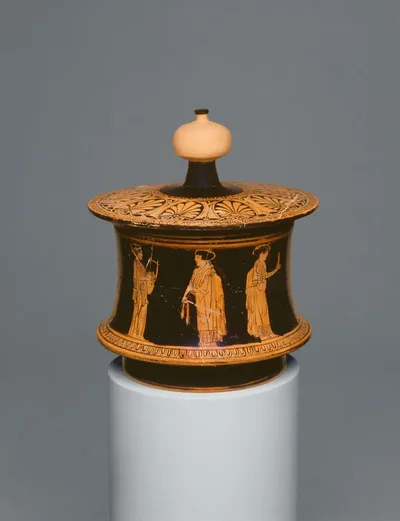
  • Pyxis (Container for Personal Objects) by Ancient Greek, 430-420 BCE

    Pyxis (Container for Personal Objects)

    Ancient Greek

    ΔE 7.6 · close

    70% of canvas
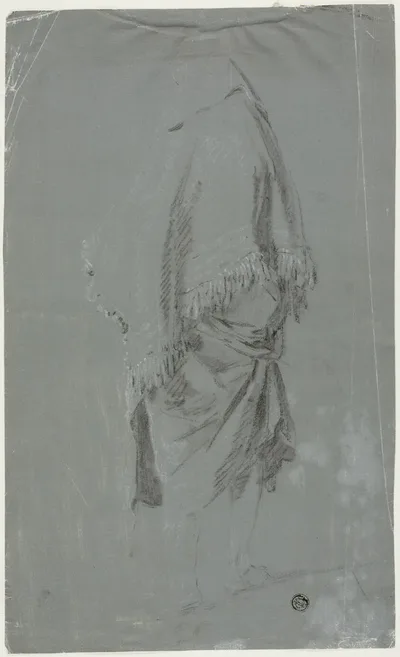
  • Shawled Woman Seen from the Back by Pierre-Jacques Volaire, n.d.

    Shawled Woman Seen from the Back

    Pierre-Jacques Volaire

    ΔE 7.7 · close

    63% of canvas
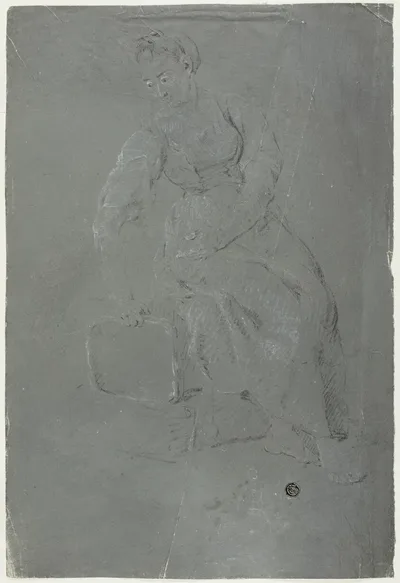
  • Seated Woman by Pierre-Jacques Volaire, n.d.

    Seated Woman

    Pierre-Jacques Volaire

    ΔE 4.5 · very close

    46% of canvas
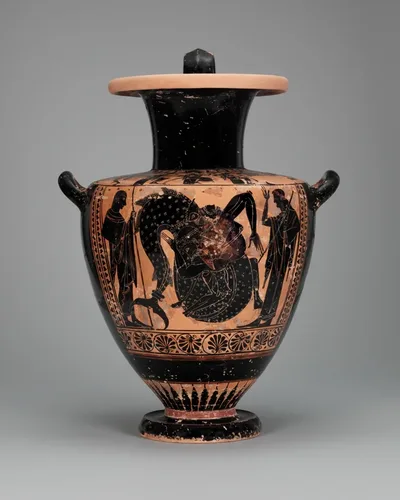
  • Hydria (Water Jar) by Ancient Greek, about 515-500 BCE

    Hydria (Water Jar)

    Ancient Greek

    ΔE 7.3 · close

    58% of canvas
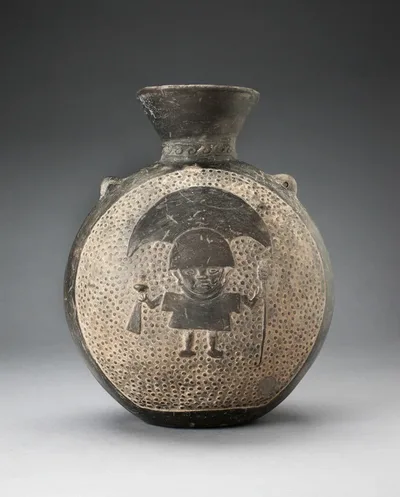
  • Jar with Relief of Standing Figure with Crescent Headdress, Holding Ritual Objects by Chimú, 1200–1450

    Jar with Relief of Standing Figure with Crescent Headdress, Holding Ritual Objects

    Chimú

    ΔE 0.2 · near-exact

    21% of canvas
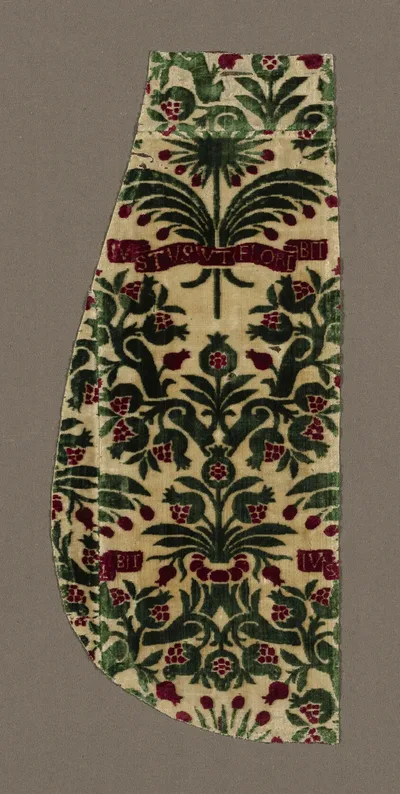
  • Portion of a Chasuble by Probably made for Piero Soderini (1452–1522), 1450-1500

    Portion of a Chasuble

    Probably made for Piero Soderini (1452–1522)

    ΔE 6.6 · close

    49% of canvas
  • Fragment by France, Louis XVI period, 1774–1792, late 18th century

    Fragment

    France

    ΔE 4.0 · very close

    35% of canvas
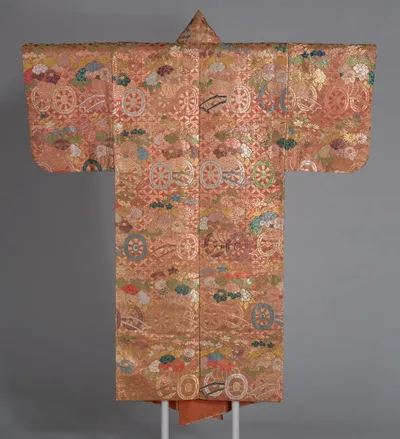
  • Atsuita karaori (Noh Costume) by Japan, late Edo period (1789–1868), 1801/25

    Atsuita karaori (Noh Costume)

    Japan

    ΔE 7.4 · close

    52% of canvas
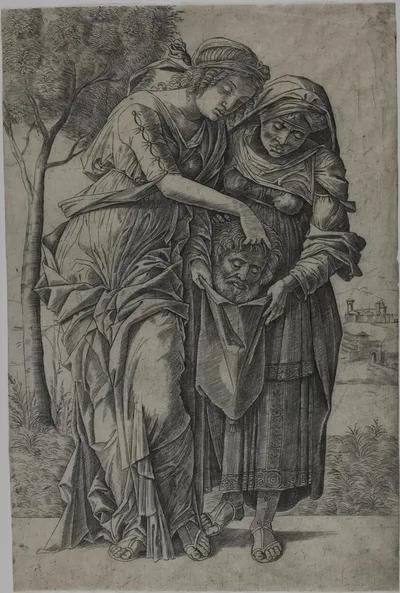
  • Judith with the Head of Holofernes by Girolamo Mocetto, n.d.

    Judith with the Head of Holofernes

    Girolamo Mocetto

    ΔE 3.9 · very close

    31% of canvas
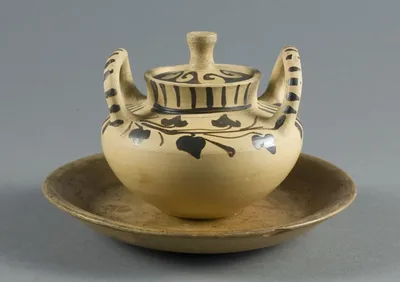
  • Miniature Pyxis (Container for Personal Objects) by Ancient Greek, 300-270 BCE

    Miniature Pyxis (Container for Personal Objects)

    Ancient Greek

    ΔE 8.1 · close

    52% of canvas
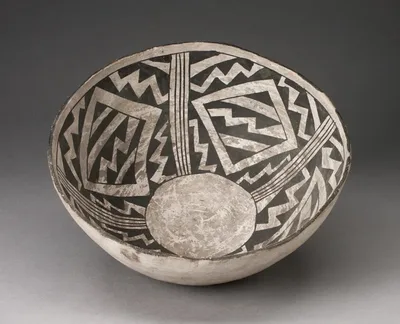
  • Bowl with Bold Black-on-White Diamond and Zizgag Motifs by Ancestral Pueblo, 950–1400

    Bowl with Bold Black-on-White Diamond and Zizgag Motifs

    Ancestral Pueblo

    ΔE 1.5 · near-exact

    18% of canvas
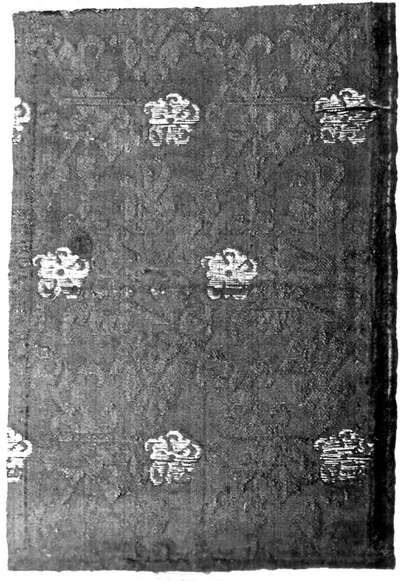
  • Fragment by Spain, Early 17th century

    Fragment

    Spain

    ΔE 5.2 · close

    36% of canvas
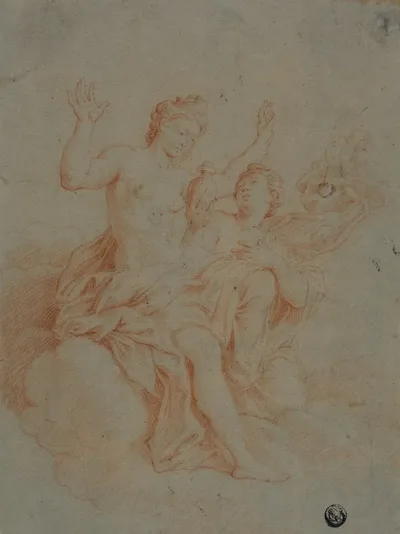
  • Psyche Presenting the Phial of Water to Venus by Raphael, 18th century

    Psyche Presenting the Phial of Water to Venus

    Raphael

    ΔE 6.0 · close

    40% of canvas
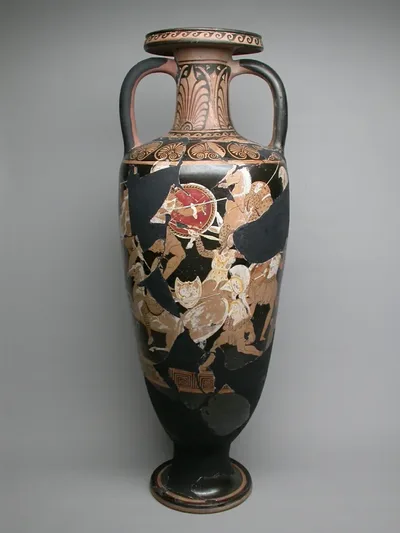
  • Amphora (Storage Jar) by Ixion Painter, 340-330 BCE

    Amphora (Storage Jar)

    Ixion Painter

    ΔE 6.0 · close

    39% of canvas
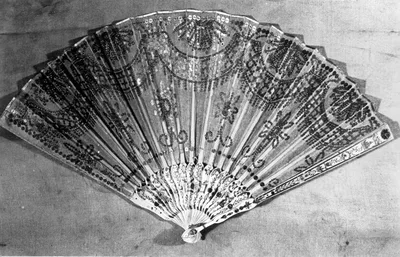
  • Fan by France, Empire period, 19th century

    Fan

    France

    ΔE 4.0 · very close

    29% of canvas
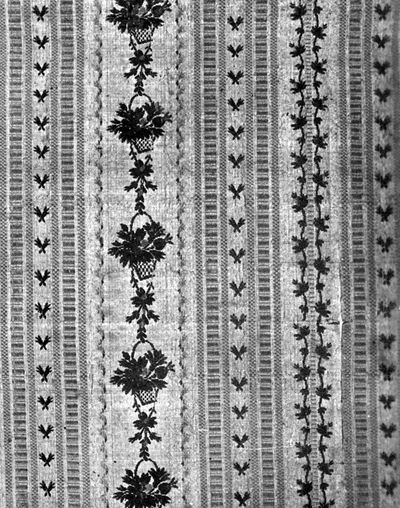
  • Fragment by France, Louis XVI period, 1774–1792, late 18th century

    Fragment

    France

    ΔE 4.5 · very close

    31% of canvas
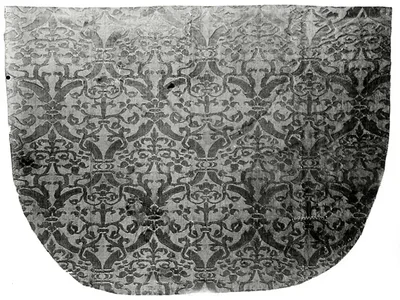
  • Panel by Italy, 16th century

    Panel

    Italy

    ΔE 3.9 · very close

    28% of canvas
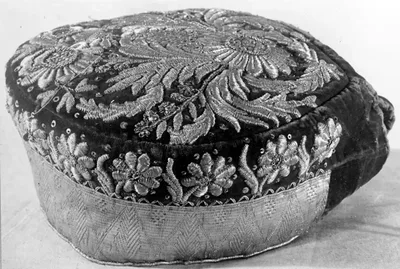
  • Cap by Russia, 19th century

    Cap

    Russia

    ΔE 4.3 · very close

    30% of canvas
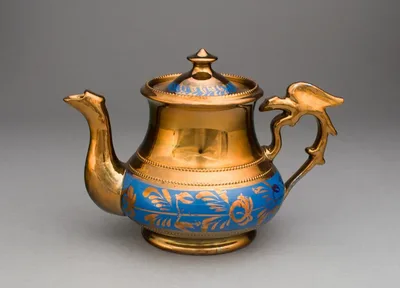
  • Teapot by England, Staffordshire, c. 1820

    Teapot

    England, Staffordshire

    ΔE 7.6 · close

    46% of canvas
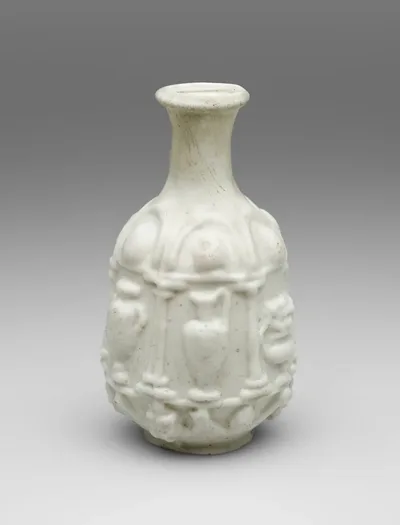
  • Bottle by Ancient Roman, 1st century

    Bottle

    Ancient Roman

    ΔE 5.4 · close

    34% of canvas
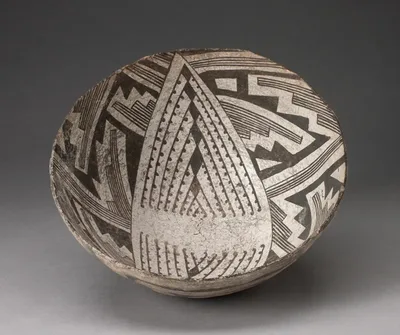
  • Bowl with Large Diamond-Shaped Area Interior with Dotted Lines and Diamonds, and Interlocking Stepped Motifs by Ancestral Pueblo, 950–1400

    Bowl with Large Diamond-Shaped Area Interior with Dotted Lines and Diamonds, and Interlocking Stepped Motifs

    Ancestral Pueblo

    ΔE 2.3 · very close

    19% of canvas
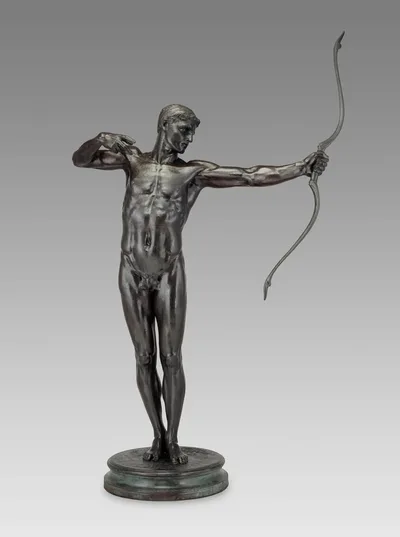
  • Teucer by Hamo Thornycroft, Modeled 1880-81, cast 1891

    Teucer

    Hamo Thornycroft

    ΔE 4.0 · very close

    27% of canvas
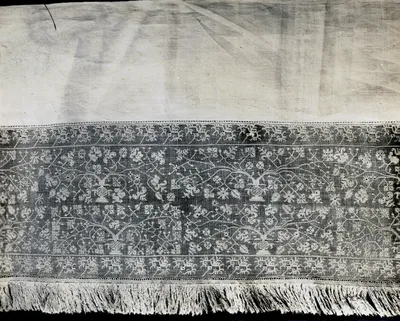
  • Altar Frontal by Italy, 18th century

    Altar Frontal

    Italy

    ΔE 3.9 · very close

    27% of canvas
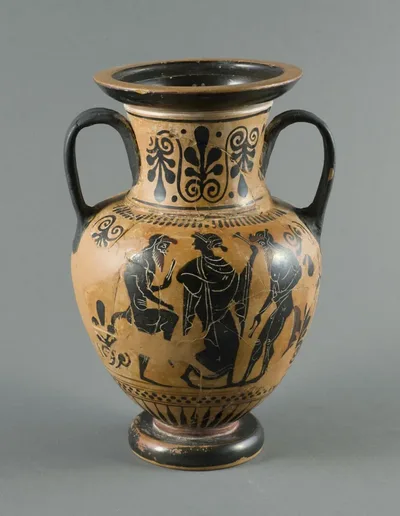
  • Amphora (Storage Jar) by Michigan Painter, 490-480 BCE

    Amphora (Storage Jar)

    Michigan Painter

    ΔE 9.6 · close

    55% of canvas
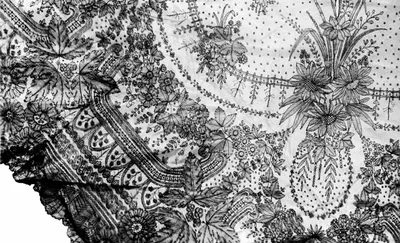
  • Half Shawl by France, probably Bayeux, 1855/65

    Half Shawl

    France, probably Bayeux

    ΔE 4.0 · very close

    27% of canvas
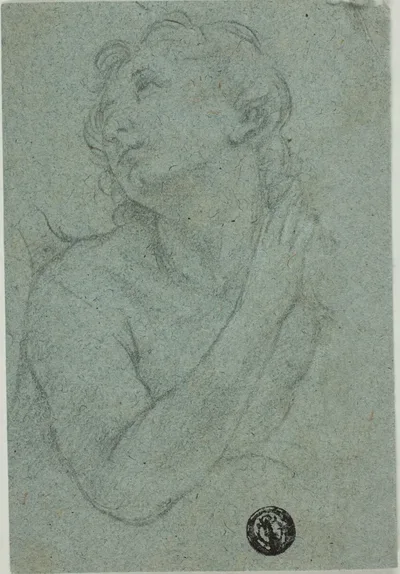
  • Half-Length Praying Figure by Style of Carlo Cignani, n.d.

    Half-Length Praying Figure

    Style of Carlo Cignani

    ΔE 12.8 · loosely related

    70% of canvas
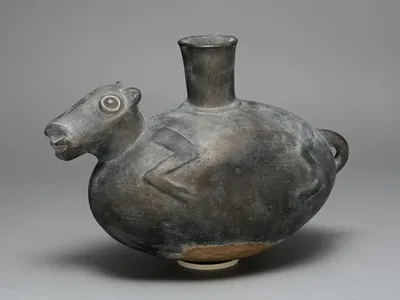
  • Blackware Vessel in the Form of a Llama by Chimú, 1200–1450

    Blackware Vessel in the Form of a Llama

    Chimú

    ΔE 8.2 · close

    47% of canvas
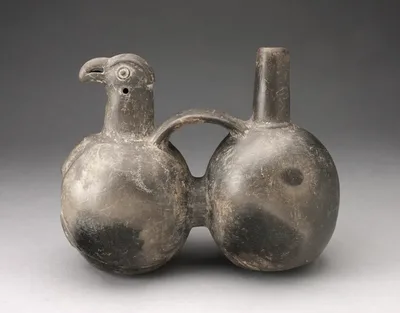
  • Double-Chambered Strap Vessel with Sculpted Bird Head by Chimú, 1200–1450

    Double-Chambered Strap Vessel with Sculpted Bird Head

    Chimú

    ΔE 1.6 · near-exact

    14% of canvas
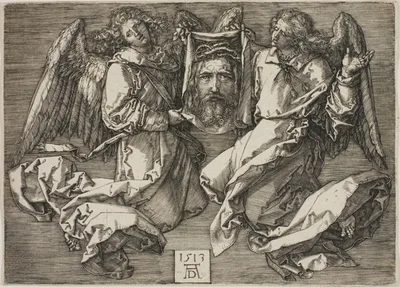
  • Sudarium Displayed by Two Angels by Albrecht Dürer, 1513

    Sudarium Displayed by Two Angels

    Albrecht Dürer

    ΔE 4.3 · very close

    27% of canvas
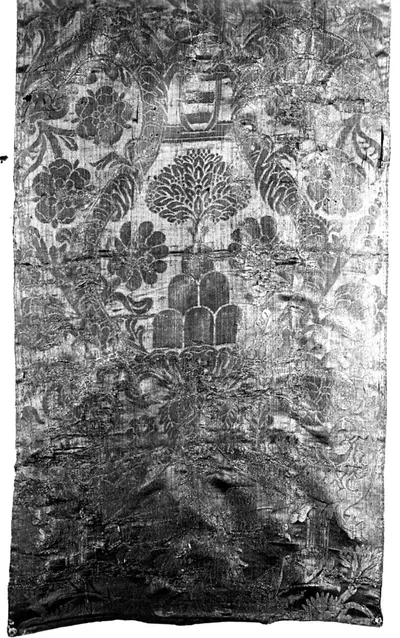
  • Panel by Italy, Late 17th century

    Panel

    Italy

    ΔE 4.4 · very close

    27% of canvas
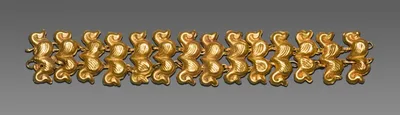
  • Fragment of a Necklace by Ancient Roman, 3rd century

    Fragment of a Necklace

    Ancient Roman

    ΔE 4.9 · very close

    30% of canvas
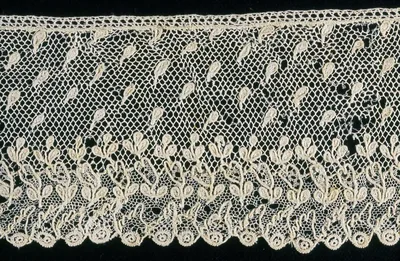
  • Border by France, 1775/1825

    Border

    France

    ΔE 5.2 · close

    31% of canvas
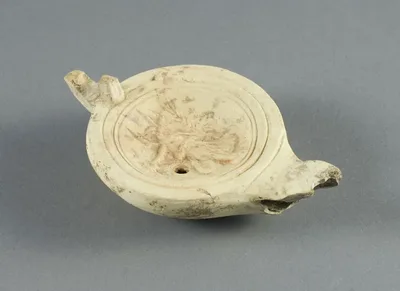
  • Lamp by Ancient Roman, 2nd-3rd century

    Lamp

    Ancient Roman

    ΔE 8.7 · close

    48% of canvas
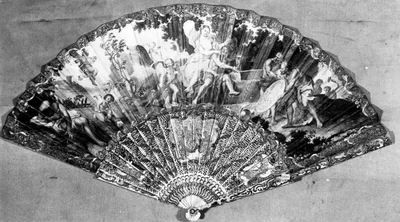
  • Fan by France, 18th century, Louis XVI period (1774–1793)

    Fan

    France

    ΔE 4.2 · very close

    25% of canvas
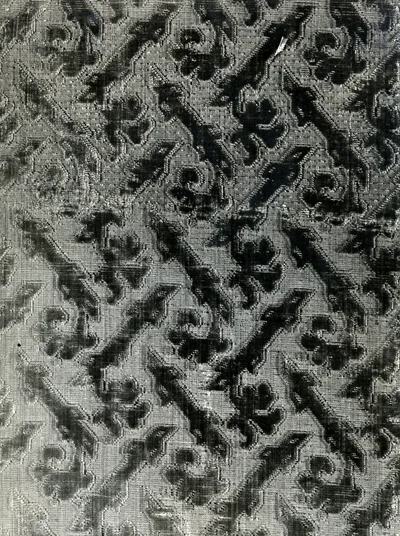
  • Panel by France or Italy, c. 1860/1890 (based on a 1720s lace pattern)

    Panel

    France or Italy

    ΔE 4.7 · very close

    28% of canvas
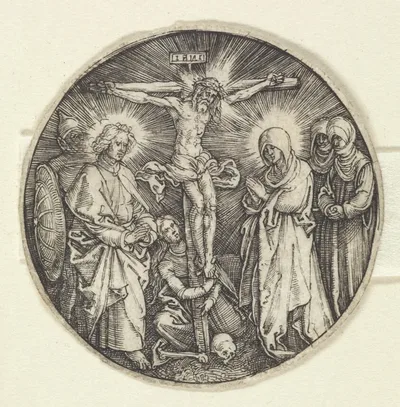
  • The Small Crucifixion ("The Pommel of Emperor Maximilian") by Albrecht Dürer, 1519

    The Small Crucifixion ("The Pommel of Emperor Maximilian")

    Albrecht Dürer

    ΔE 3.1 · very close

    19% of canvas
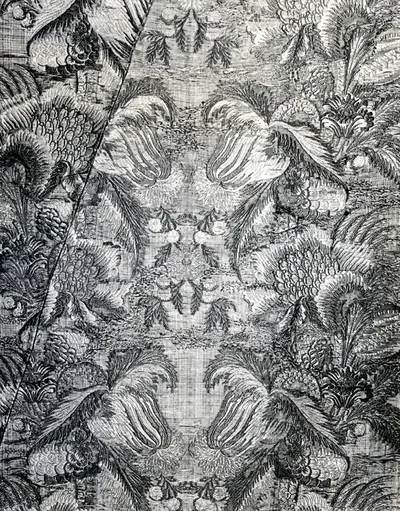
  • Panel by France, 1732/34

    Panel

    France

    ΔE 4.6 · very close

    27% of canvas
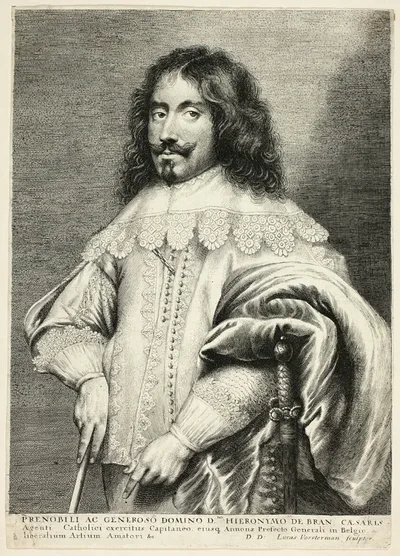
  • Jeronimo de Bran by Lucas Emil Vorsterman, c. 1615–75

    Jeronimo de Bran

    Lucas Emil Vorsterman

    ΔE 4.8 · very close

    28% of canvas
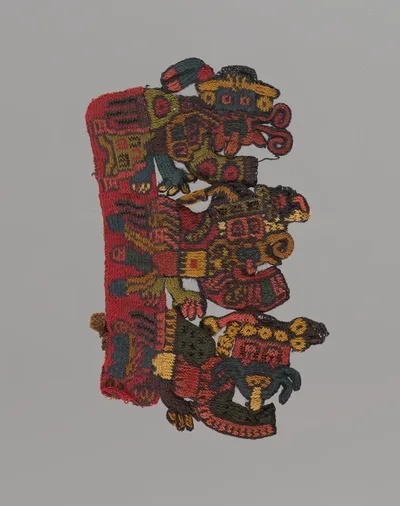
  • Fragment of a Decorative Border by Nasca, 100 BCE-200 CE

    Fragment of a Decorative Border

    Nasca

    ΔE 12.7 · loosely related

    67% of canvas
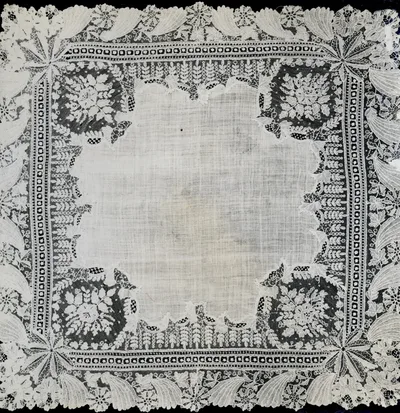
  • Handkerchief by Belgium, 1875/1900

    Handkerchief

    Belgium

    ΔE 3.9 · very close

    23% of canvas
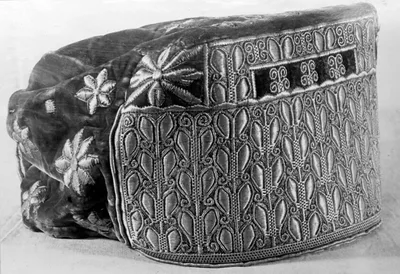
  • Headdress by Russia, 19th century

    Headdress

    Russia

    ΔE 4.2 · very close

    24% of canvas
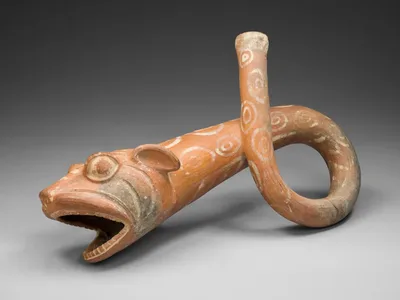
  • Trumpet with Feline Face by Moche, 350–850 CE

    Trumpet with Feline Face

    Moche

    ΔE 3.6 · very close

    21% of canvas
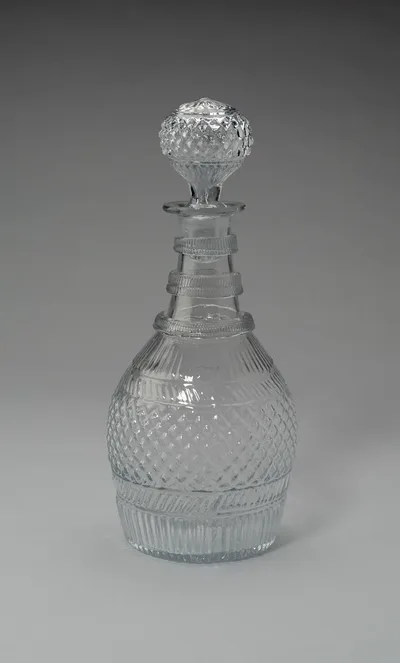
  • Decanter by Artist unknown, 1815–35

    Decanter

    Artist unknown

    ΔE 4.3 · very close

    24% of canvas
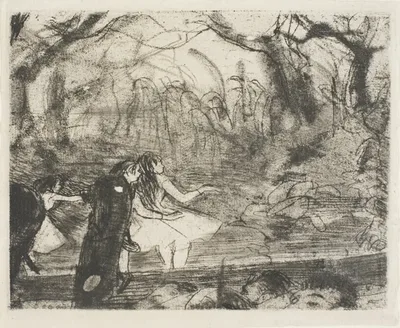
  • On Stage III by Hilaire Germain Edgar Degas, 1876–77

    On Stage III

    Hilaire Germain Edgar Degas

    ΔE 3.6 · very close

    21% of canvas
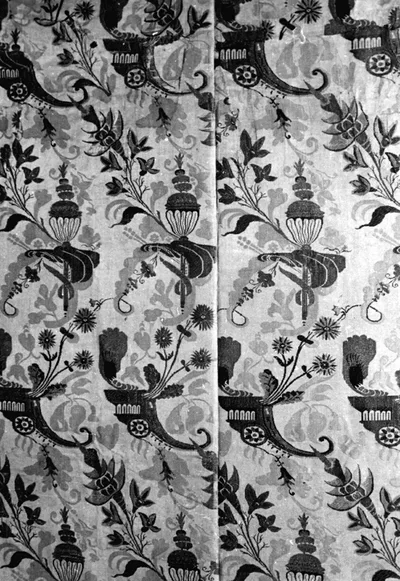
  • Panel by England or France, c. 1707

    Panel

    England or France

    ΔE 4.2 · very close

    23% of canvas
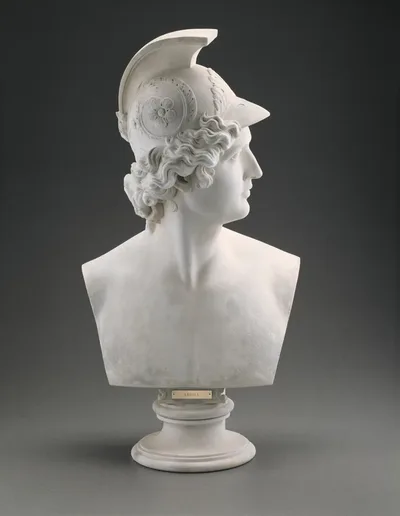
  • Abdiel by Horatio Greenough, 1838–43

    Abdiel

    Horatio Greenough

    ΔE 4.4 · very close

    24% of canvas
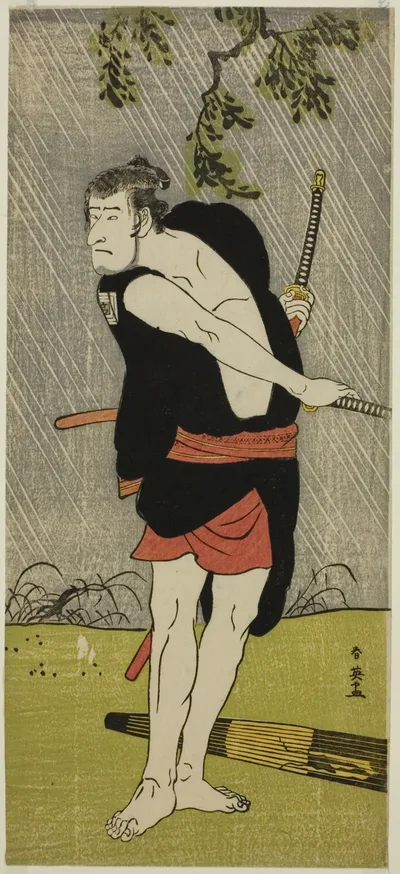
  • The Actor Ichikawa Komazo II as Ono Sadakuro in the Play Chuko Ryogoku Ori, Performed at the Nakamura Theater in the Seventh Month, 1790 by Katsukawa Shun'ei, c. 1790

    The Actor Ichikawa Komazo II as Ono Sadakuro in the Play Chuko Ryogoku Ori, Performed at the Nakamura Theater in the Seventh Month, 1790

    Katsukawa Shun'ei

    ΔE 9.2 · close

    48% of canvas
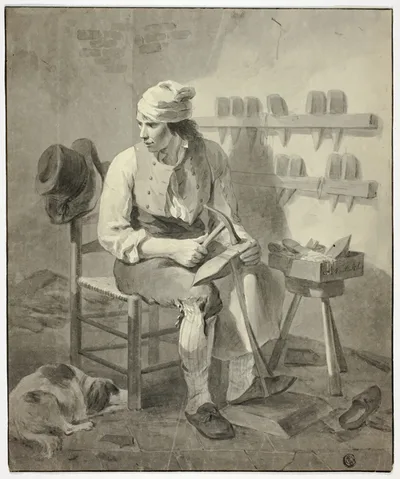
  • The Cobbler by A. Faslin[k], 19th century

    The Cobbler

    A. Faslin[k]

    ΔE 5.7 · close

    30% of canvas
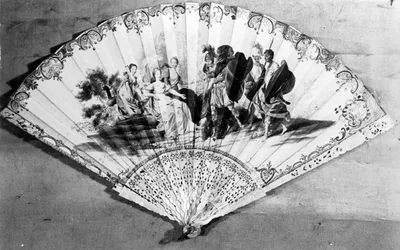
  • Fan by France, 18th century, Louis XVI period (1774–1793)

    Fan

    France

    ΔE 4.7 · very close

    25% of canvas
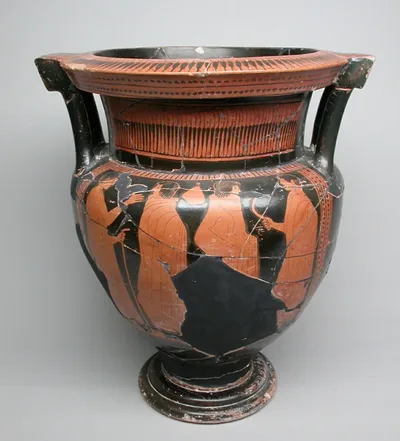
  • Column Krater (Mixing Bowl) by Ancient Greek, 460-450 BCE

    Column Krater (Mixing Bowl)

    Ancient Greek

    ΔE 2.4 · very close

    14% of canvas
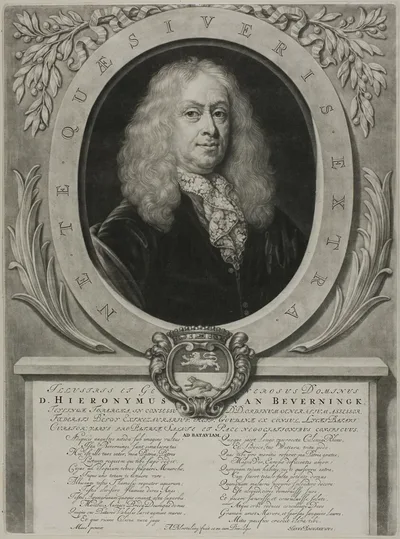
  • Portrait of D. Hieronymous van Beverningk by Abraham Blooteling, n.d.

    Portrait of D. Hieronymous van Beverningk

    Abraham Blooteling

    ΔE 3.9 · very close

    21% of canvas
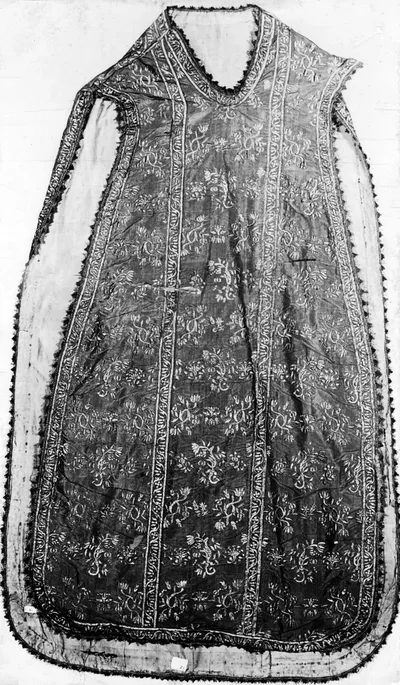
  • Chasuble by Spain, 1775/1825

    Chasuble

    Spain

    ΔE 4.6 · very close

    25% of canvas
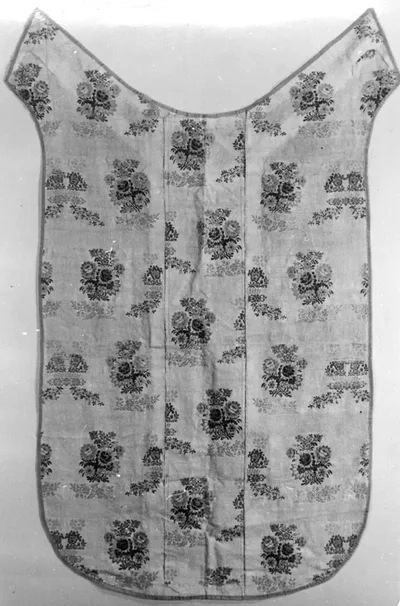
  • Fragment (Possibly Chausable) by France, 1775/1800

    Fragment (Possibly Chausable)

    France

    ΔE 4.7 · very close

    26% of canvas
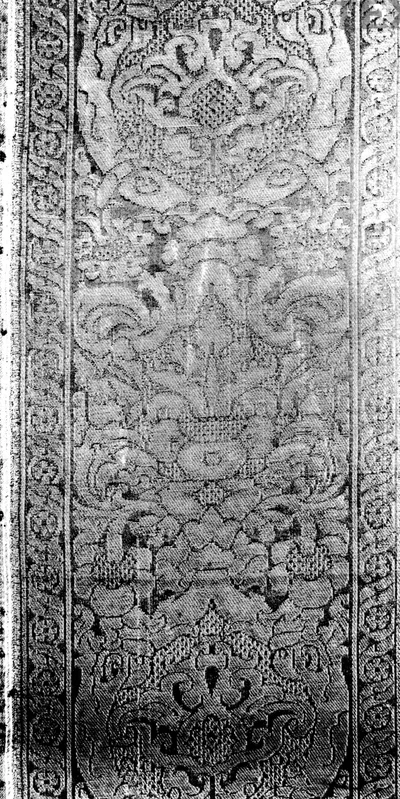
  • Orphrey by Spain or Italy, 16th century

    Orphrey

    Spain or Italy

    ΔE 5.1 · close

    27% of canvas
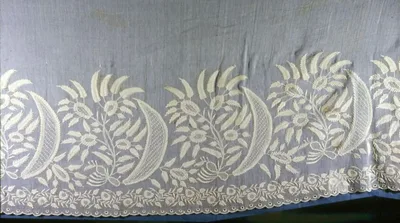
  • Fragment (Bottom of Skirt) by France, 1810

    Fragment (Bottom of Skirt)

    France

    ΔE 6.8 · close

    35% of canvas
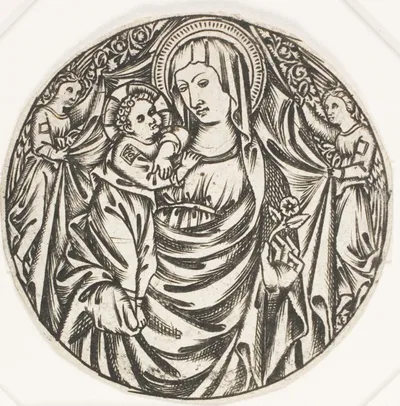
  • Virgin and Child by Unknown artist, c. 1480

    Virgin and Child

    Unknown artist

    ΔE 3.5 · very close

    18% of canvas
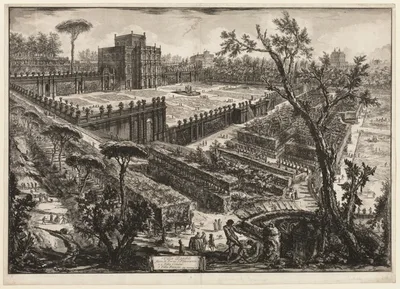
  • Villa Pamphili outside Porta S. Pancrazio, from Views of Rome by Giovanni Battista Piranesi, 1776, published 1800–07

    Villa Pamphili outside Porta S. Pancrazio, from Views of Rome

    Giovanni Battista Piranesi

    ΔE 3.9 · very close

    20% of canvas
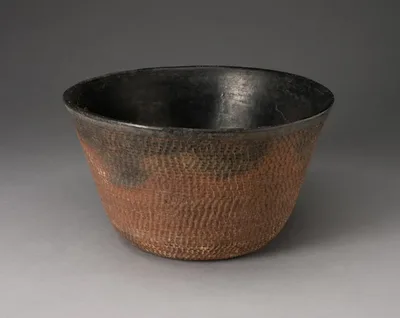
  • Bowl with Textured Surface Decoration by Ancestral Pueblo, 900–1000

    Bowl with Textured Surface Decoration

    Ancestral Pueblo

    ΔE 2.4 · very close

    12% of canvas
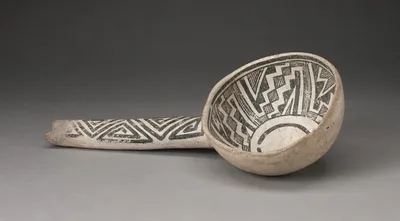
  • Dipper or Ladle with Interlocking Zigzag and Step-Fret Designs by Ancestral Pueblo, 1000–1300

    Dipper or Ladle with Interlocking Zigzag and Step-Fret Designs

    Ancestral Pueblo

    ΔE 2.8 · very close

    14% of canvas

What ΔE means, and what this does not measure