Skip to content
Chroma
#84704e

Ranked by perceptual distance

Works near #84704e

Ranked by CIEDE2000 distance to each work’s nearest palette entry, weighted by how much of the canvas that colour covers. Each result shows the real perceptual distance and that coverage, not the blended score that produced the order.

Pick a different colour

Drag the ring or use the arrow keys. Every result is ranked by how close it is in CIELAB, weighted by how much of the canvas the colour covers.

Closest first

60 of 1,497 works
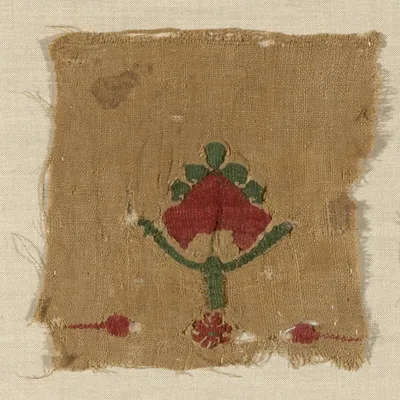
  • Fragment by Egypt, 5th-6th century

    Fragment

    Egypt

    ΔE 5.7 · close

    57% of canvas
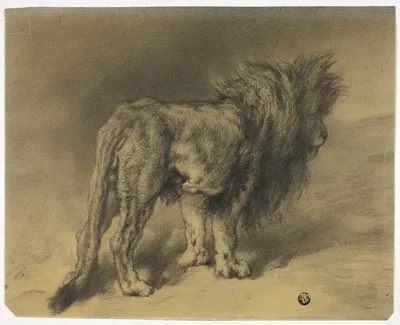
  • Standing Lion with Shaggy Mane by Frederik William Zurcher, n.d.

    Standing Lion with Shaggy Mane

    Frederik William Zurcher

    ΔE 3.2 · very close

    38% of canvas
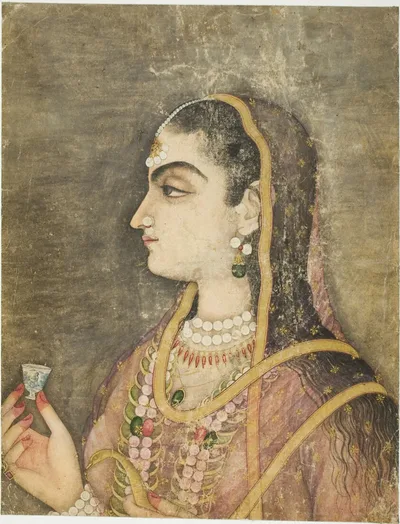
  • Portrait of a Princess by Mughal, 17th/18th century

    Portrait of a Princess

    Mughal

    ΔE 2.7 · very close

    34% of canvas
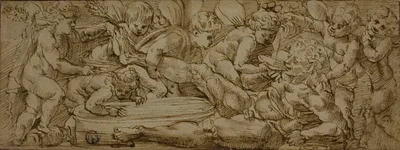
  • Bacchanale with Putti by Enea Salmeggia, c. 1560

    Bacchanale with Putti

    Enea Salmeggia

    ΔE 0.6 · near-exact

    22% of canvas
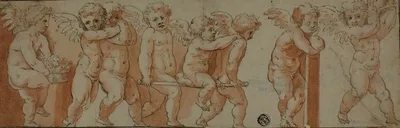
  • Frieze with Eight Putti by Polidoro da Caravaggio, n.d.

    Frieze with Eight Putti

    Polidoro da Caravaggio

    ΔE 2.2 · very close

    30% of canvas
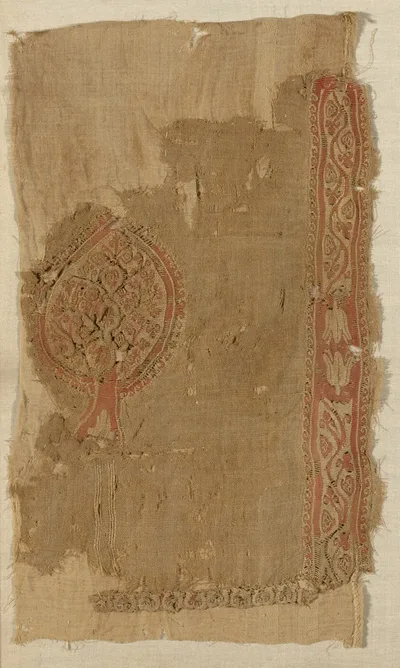
  • Fragment by Egypt, possibly Akhmin, 4th-6th century

    Fragment

    Egypt, possibly Akhmin

    ΔE 5.4 · close

    45% of canvas
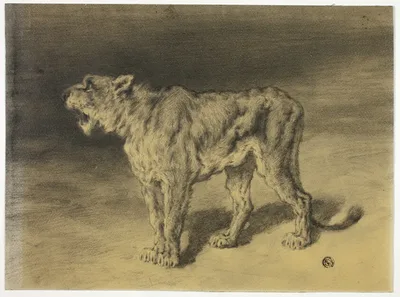
  • Lioness Roaring by Frederik William Zurcher, n.d.

    Lioness Roaring

    Frederik William Zurcher

    ΔE 2.9 · very close

    31% of canvas
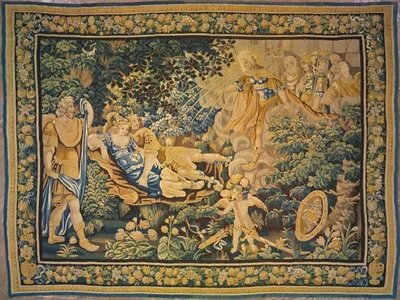
  • Apollo Exposing Mars and Venus to the Ridicule of the Olympians, from Ovid's Metamorphoses by France, possibly Aubusson, c. 1650

    Apollo Exposing Mars and Venus to the Ridicule of the Olympians, from Ovid's Metamorphoses

    France, possibly Aubusson

    ΔE 1.6 · near-exact

    24% of canvas
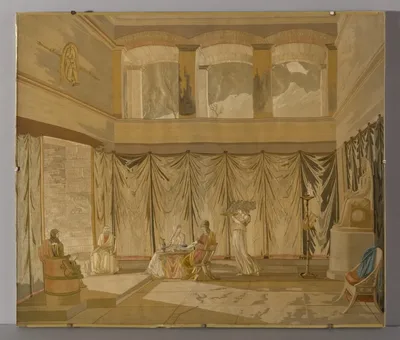
  • L'Hiver (Winter) by Pierre Antoine Mongin, Early 19th century

    L'Hiver (Winter)

    Pierre Antoine Mongin

    ΔE 5.0 · close

    41% of canvas
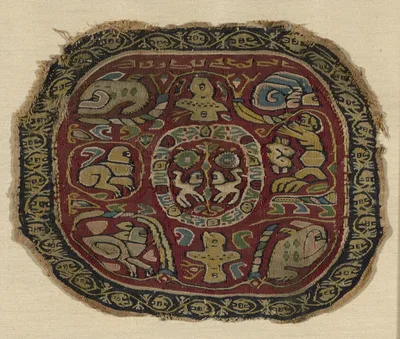
  • Roundel Fragment by Egypt, 7th century

    Roundel Fragment

    Egypt

    ΔE 0.2 · near-exact

    16% of canvas
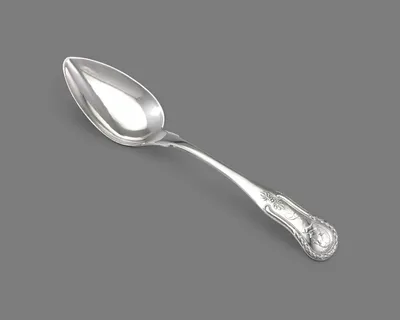
  • Spoon by Artist unknown, c. 1830

    Spoon

    Artist unknown

    ΔE 15.2 · loosely related

    91% of canvas
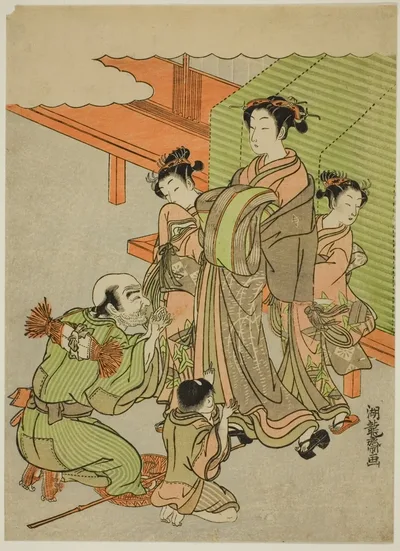
  • Begging for Alms by Isoda Koryusai, c. 1771

    Begging for Alms

    Isoda Koryusai

    ΔE 1.9 · near-exact

    24% of canvas
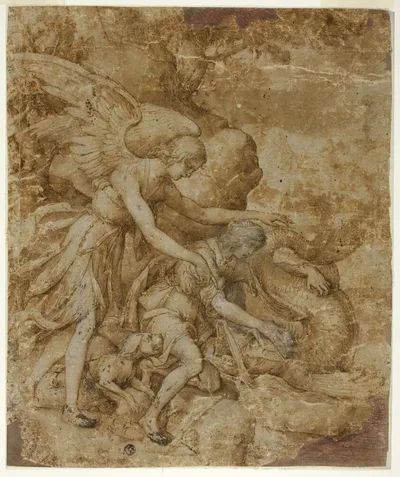
  • Tobias and the Angel Raphael by Jacopo Ligozzi, c. 1605

    Tobias and the Angel Raphael

    Jacopo Ligozzi

    ΔE 3.3 · very close

    31% of canvas
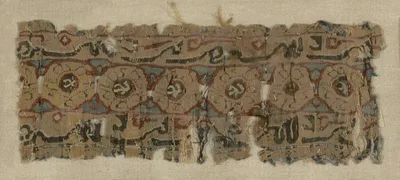
  • Fragment by Egypt, Fatimid period (969–1171)

    Fragment

    Egypt

    ΔE 3.0 · very close

    29% of canvas
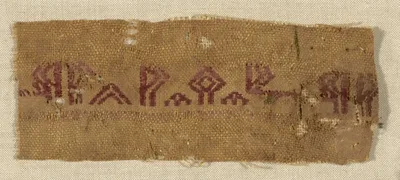
  • Fragment by Egypt, Fatimid period (969–1171)

    Fragment

    Egypt

    ΔE 5.9 · close

    43% of canvas
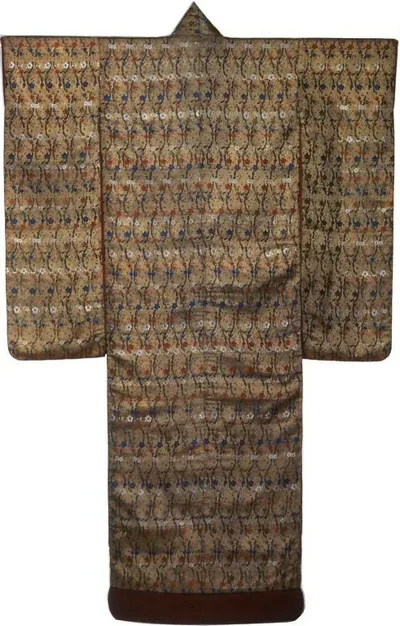
  • Furisode by Japan, 18th century, late Edo period (1789–1868)

    Furisode

    Japan

    ΔE 2.7 · very close

    27% of canvas
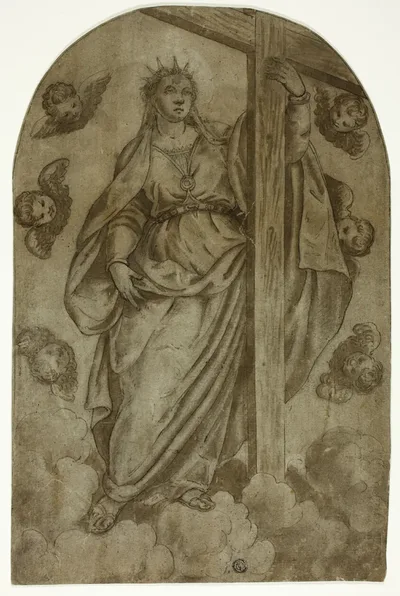
  • Saint Helena and the True Cross by Unknown Roman, 1580/90

    Saint Helena and the True Cross

    Unknown Roman

    ΔE 4.1 · very close

    34% of canvas
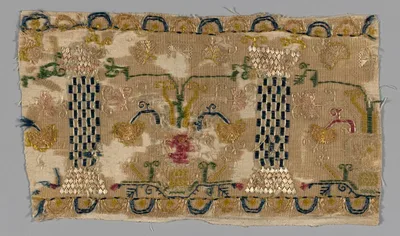
  • Fragment by Italy, 17th century

    Fragment

    Italy

    ΔE 5.9 · close

    41% of canvas
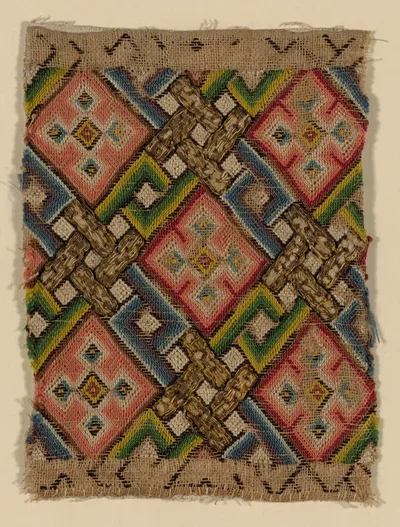
  • Fragment by Italy, 17th century

    Fragment

    Italy

    ΔE 3.8 · very close

    30% of canvas
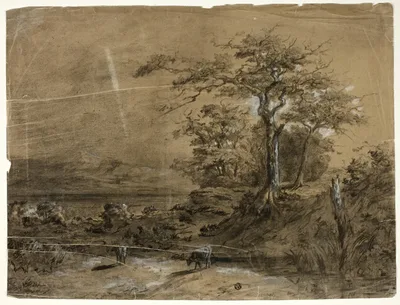
  • Wooded Landscape with Cows in Foreground by Unknown, n.d.

    Wooded Landscape with Cows in Foreground

    Unknown

    ΔE 6.4 · close

    43% of canvas
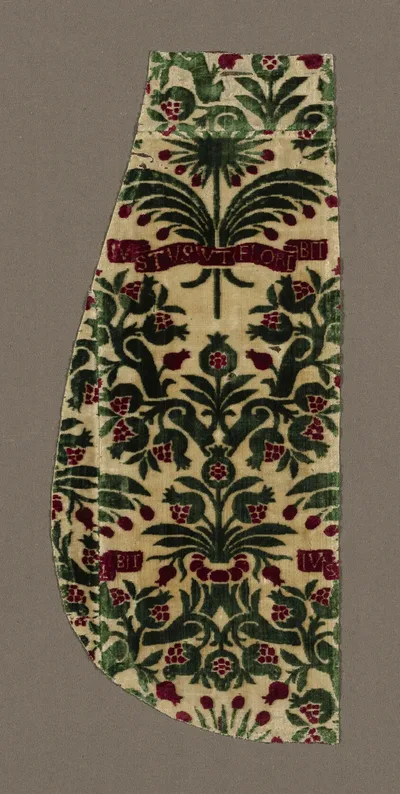
  • Portion of a Chasuble by Probably made for Piero Soderini (1452–1522), 1450-1500

    Portion of a Chasuble

    Probably made for Piero Soderini (1452–1522)

    ΔE 7.8 · close

    49% of canvas
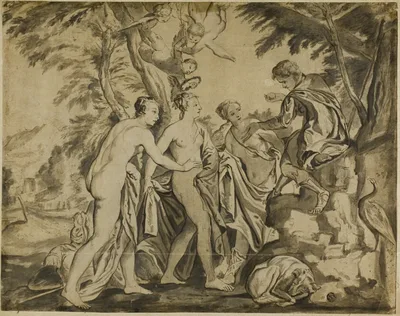
  • Judgement of Paris by Workshop of Paolo Veronese, 17th century

    Judgement of Paris

    Workshop of Paolo Veronese

    ΔE 2.5 · very close

    22% of canvas
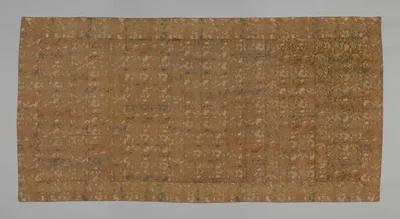
  • Kesa by Japan, Edo period (1615–1868), 18th century

    Kesa

    Japan

    ΔE 5.2 · close

    35% of canvas
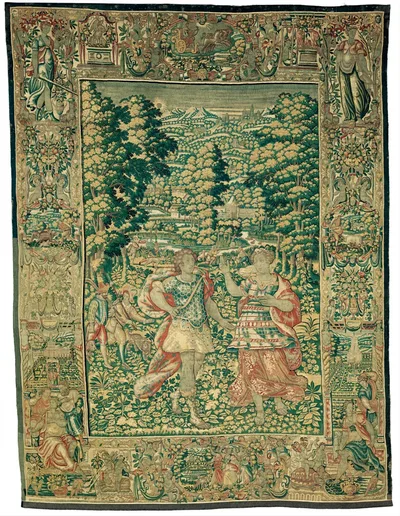
  • Venus and Adonis (?) with the Duck Hunt by Jacques Geubels, I, c. 1600

    Venus and Adonis (?) with the Duck Hunt

    Jacques Geubels, I

    ΔE 1.7 · near-exact

    17% of canvas
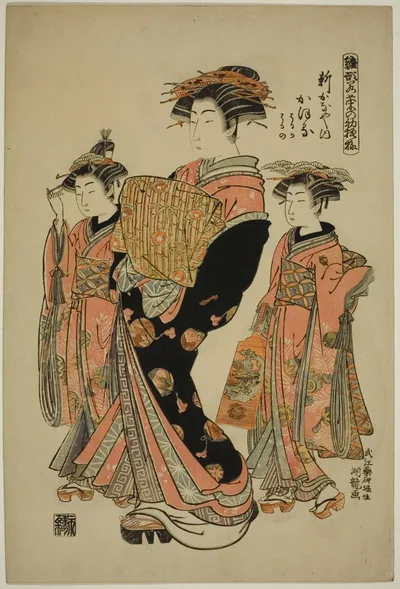
  • Kaoru of the Shin-Kanaya, from the series "Models for Fashion: New Designs as Fresh as Young Leaves (Hinagata wakana no hatsu moyo)" by Isoda Koryusai, 1780

    Kaoru of the Shin-Kanaya, from the series "Models for Fashion: New Designs as Fresh as Young Leaves (Hinagata wakana no hatsu moyo)"

    Isoda Koryusai

    ΔE 2.1 · very close

    19% of canvas
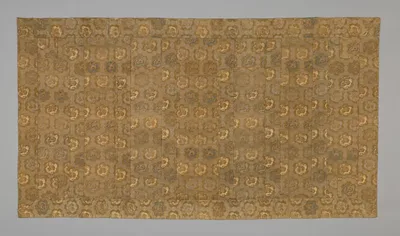
  • Kesa by Japan, late Edo period (1615–1868), late 18th century

    Kesa

    Japan

    ΔE 3.4 · very close

    26% of canvas
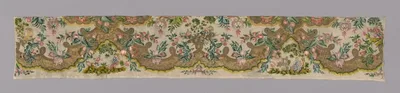
  • Border of a Valance by Spain, 18th century

    Border of a Valance

    Spain

    ΔE 2.2 · very close

    19% of canvas
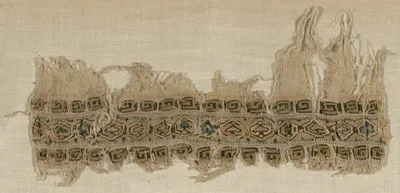
  • Fragment by Egypt, Fatimid period (969–1171)

    Fragment

    Egypt

    ΔE 1.6 · near-exact

    16% of canvas
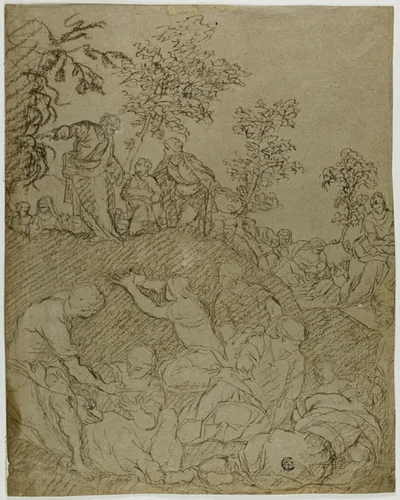
  • Miracle of the Loaves and Fishes by Tintoretto, n.d.

    Miracle of the Loaves and Fishes

    Tintoretto

    ΔE 4.2 · very close

    29% of canvas
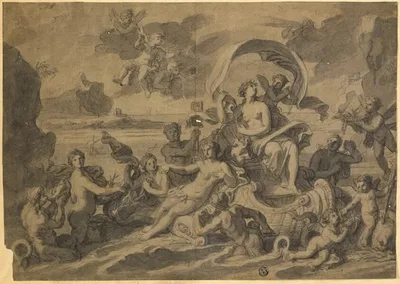
  • Triumph of Amphitrite by François Verdier, n.d.

    Triumph of Amphitrite

    François Verdier

    ΔE 3.6 · very close

    26% of canvas
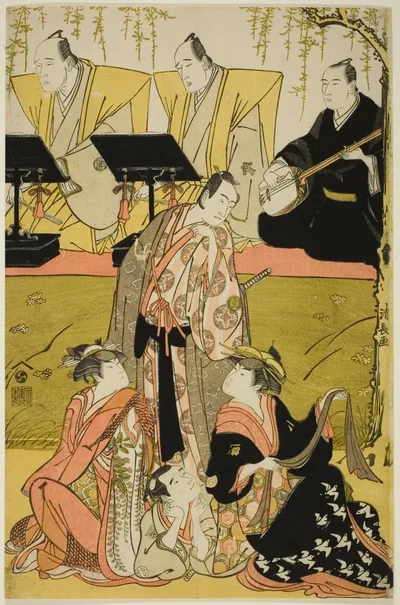
  • The Actors Sawamura Sojuro III as Soga no Juro, Osagawa Tsuneyo II as Oiso no Tora, Azuma Tozo III as Miura Katagai, and Otani Tokuji I as Danzaburo, in the joruri "Chidorigake Koi no Tamaboko," performed at the Ichimura Theater in the first month, 1784 by Torii Kiyonaga, 1784

    The Actors Sawamura Sojuro III as Soga no Juro, Osagawa Tsuneyo II as Oiso no Tora, Azuma Tozo III as Miura Katagai, and Otani Tokuji I as Danzaburo, in the joruri "Chidorigake Koi no Tamaboko," performed at the Ichimura Theater in the first month, 1784

    Torii Kiyonaga

    ΔE 2.2 · very close

    19% of canvas
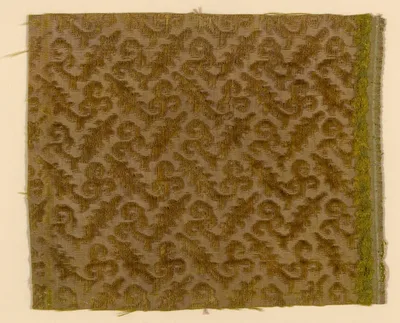
  • Fragment by Italy, 1600/50

    Fragment

    Italy

    ΔE 5.2 · close

    34% of canvas
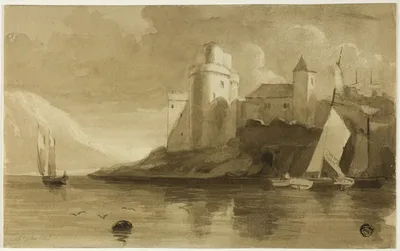
  • Castle on Lake by Unknown artist, n.d.

    Castle on Lake

    Unknown artist

    ΔE 2.4 · very close

    19% of canvas
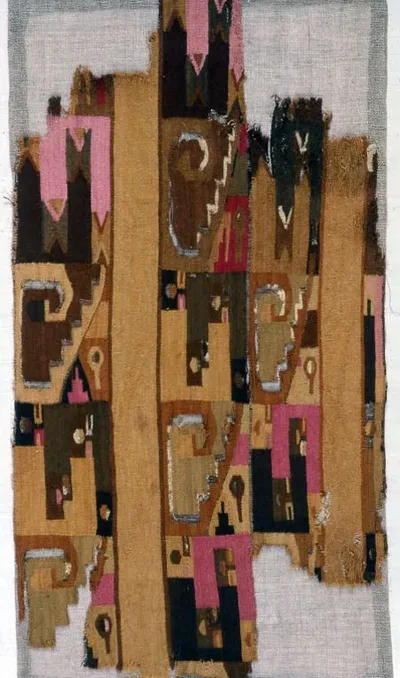
  • Fragment (From a Tunic) by Wari, 600 CE-800 CE

    Fragment (From a Tunic)

    Wari

    ΔE 7.1 · close

    43% of canvas
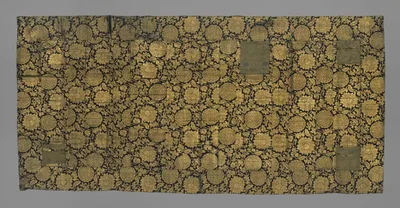
  • Kesa by Japan, Edo period (1615–1868), late 18th century

    Kesa

    Japan

    ΔE 3.3 · very close

    23% of canvas
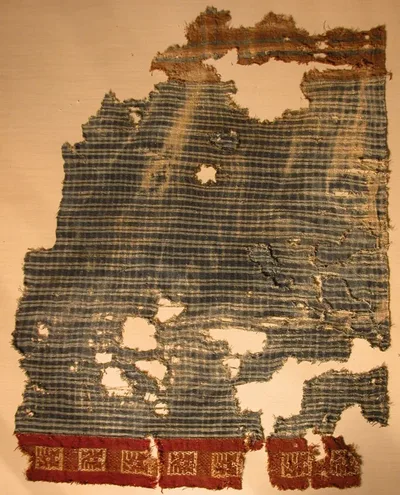
  • Fragment by Peru, north coast, Culebra Valley, La Capilla, 1000-1476

    Fragment

    Peru, north coast, Culebra Valley, La Capilla

    ΔE 3.8 · very close

    25% of canvas
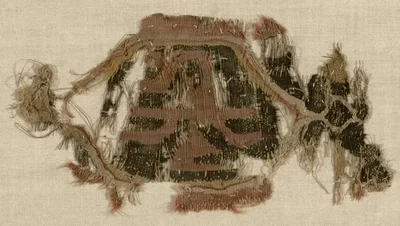
  • Fragment by Egypt, Fatimid period (969–1171)

    Fragment

    Egypt

    ΔE 1.8 · near-exact

    15% of canvas
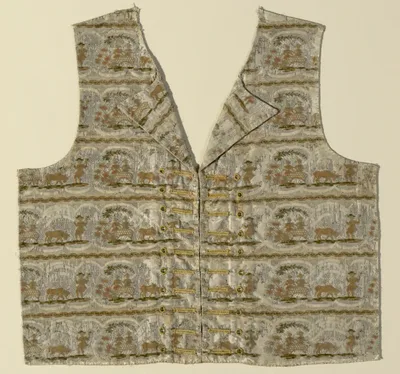
  • Portion of a Waistcoat (Front) by France, Lyon, 1775/1800

    Portion of a Waistcoat (Front)

    France, Lyon

    ΔE 2.4 · very close

    18% of canvas
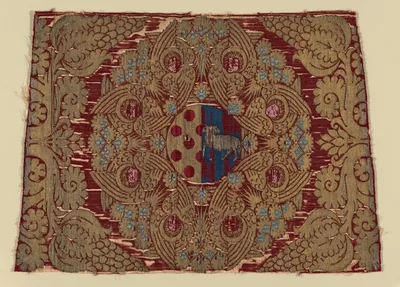
  • Fragment (From a Vestment) by Italy, Florence, 15th century

    Fragment (From a Vestment)

    Italy, Florence

    ΔE 4.6 · very close

    29% of canvas
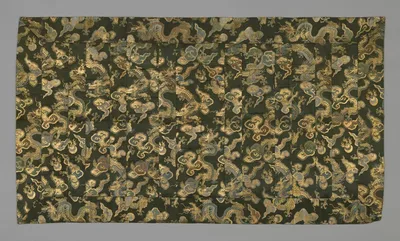
  • Kesa by Japan, late Edo period (1789–1868), early 19th century

    Kesa

    Japan

    ΔE 4.0 · very close

    25% of canvas
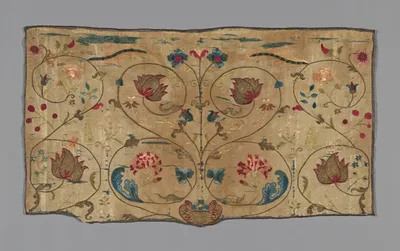
  • Fragment by France, 17th century

    Fragment

    France

    ΔE 3.8 · very close

    24% of canvas
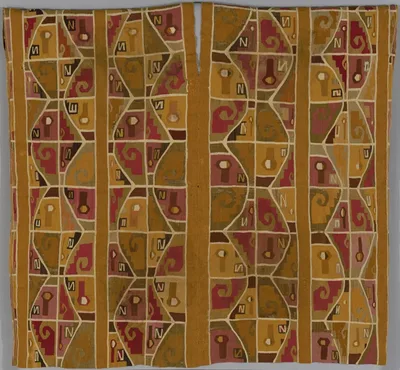
  • Tunic by Wari, 600-800

    Tunic

    Wari

    ΔE 4.7 · very close

    28% of canvas
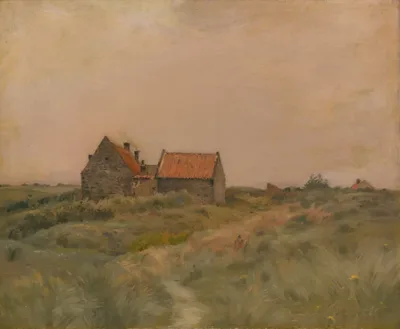
  • October Day by Jean Charles Cazin, 1890–93

    October Day

    Jean Charles Cazin

    ΔE 4.9 · very close

    29% of canvas
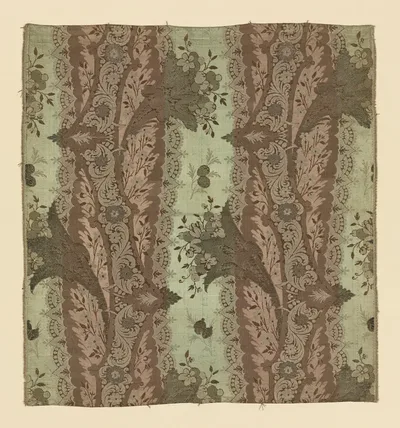
  • Panel (Dress Fabric) by France, 1718/20

    Panel (Dress Fabric)

    France

    ΔE 3.5 · very close

    22% of canvas
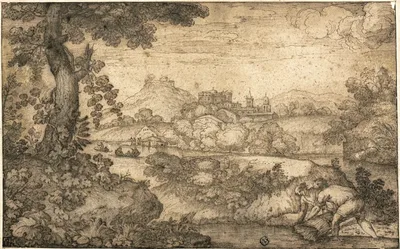
  • Landscape with Figures Binding Wheat in Foreground by Ercole Bazzicaluva, n.d.

    Landscape with Figures Binding Wheat in Foreground

    Ercole Bazzicaluva

    ΔE 3.8 · very close

    24% of canvas
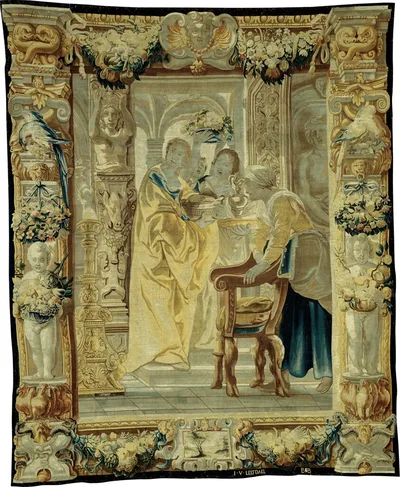
  • Four Servants, part of Telemachus Leading Theoclymenus to Penelope from The Story of Odysseus by Jan van Leefdael, c. 1650

    Four Servants, part of Telemachus Leading Theoclymenus to Penelope from The Story of Odysseus

    Jan van Leefdael

    ΔE 7.3 · close

    41% of canvas
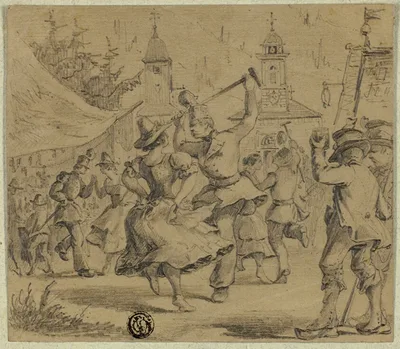
  • Women and Soldiers Dancing in Village Square by Unknown artist, n.d.

    Women and Soldiers Dancing in Village Square

    Unknown artist

    ΔE 2.6 · very close

    17% of canvas
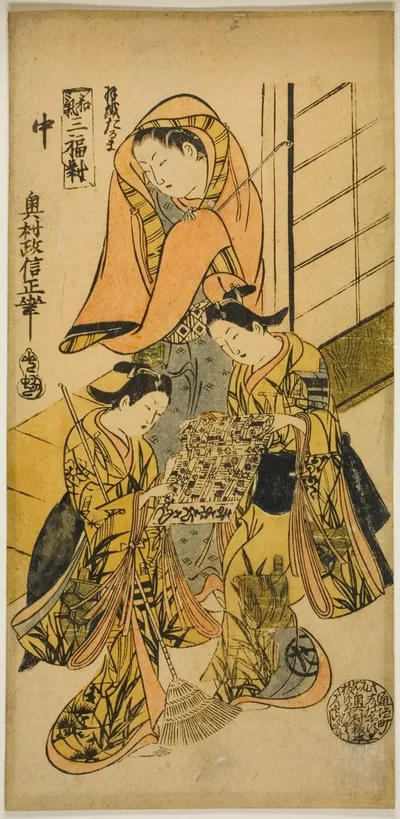
  • The Daruma Overcoat (Haori Daruma), from "Three Pictures of Harmony (Waki sanpukutsui)" by Okumura Masanobu, c. 1725/30

    The Daruma Overcoat (Haori Daruma), from "Three Pictures of Harmony (Waki sanpukutsui)"

    Okumura Masanobu

    ΔE 4.5 · very close

    26% of canvas
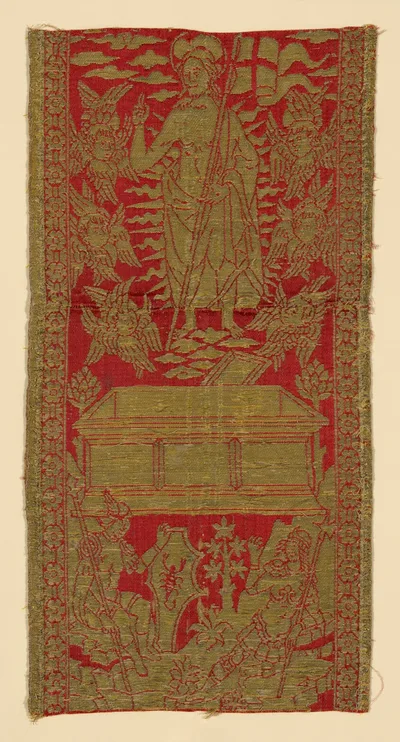
  • Fragment (From an Orphrey Band) by Italy, 15th century

    Fragment (From an Orphrey Band)

    Italy

    ΔE 5.7 · close

    32% of canvas
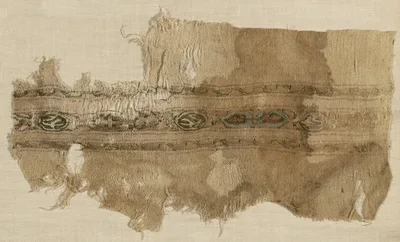
  • Fragment by Egypt, Fatimid period (969–1171)

    Fragment

    Egypt

    ΔE 3.7 · very close

    22% of canvas
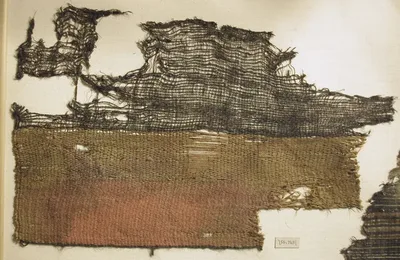
  • Fragment by Peru, north coast, Culebra Vallery, La Capilla, 1000-1476

    Fragment

    Peru, north coast, Culebra Vallery, La Capilla

    ΔE 5.6 · close

    31% of canvas
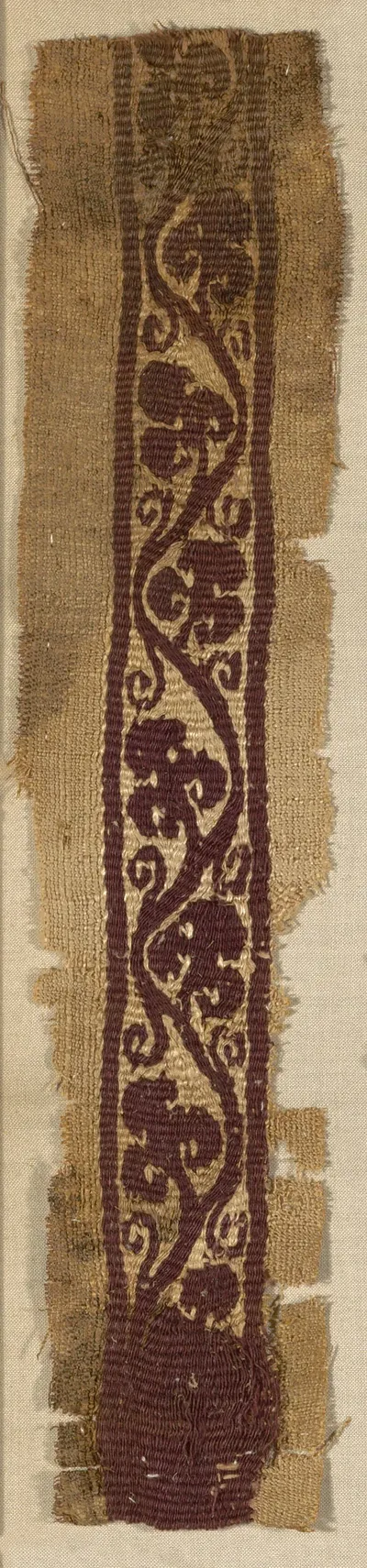
  • Fragment by Egypt, 4th-5th century

    Fragment

    Egypt

    ΔE 4.1 · very close

    23% of canvas
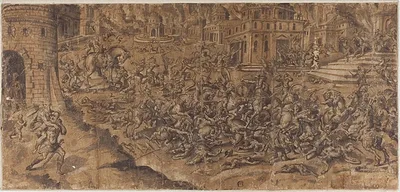
  • Aeneas Leaving the Burning City of Troy by Unknown artist, n.d.

    Aeneas Leaving the Burning City of Troy

    Unknown artist

    ΔE 6.0 · close

    33% of canvas
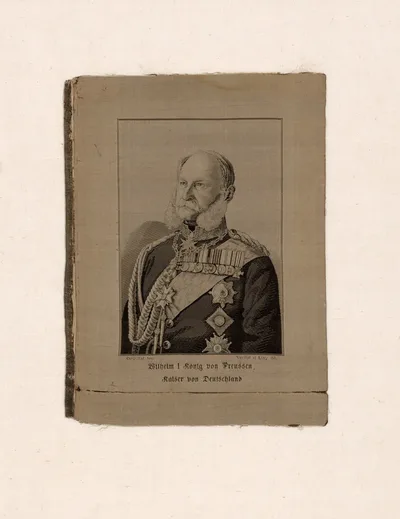
  • Portrait of Wilhelm I, King of Prussia, Emperor of Germany (1797–1888) by François Carquillat, 19th century

    Portrait of Wilhelm I, King of Prussia, Emperor of Germany (1797–1888)

    François Carquillat

    ΔE 6.0 · close

    33% of canvas
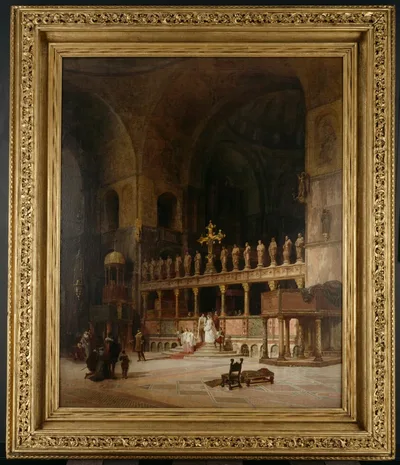
  • Interior of St. Mark's, Venice by David Dalhoff Neal, 1869

    Interior of St. Mark's, Venice

    David Dalhoff Neal

    ΔE 5.0 · very close

    28% of canvas
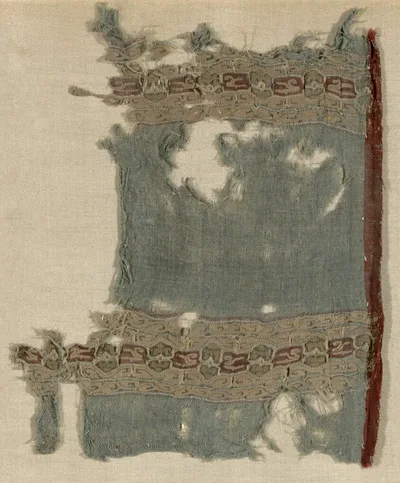
  • Fragment by Egypt, Fatimid period (969–1171)

    Fragment

    Egypt

    ΔE 3.8 · very close

    22% of canvas
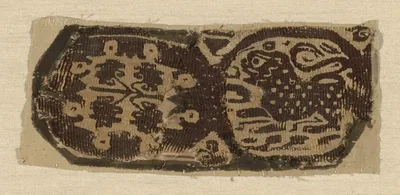
  • Fragment by Egypt, possibly Akhmin, 5th century

    Fragment

    Egypt, possibly Akhmin

    ΔE 2.8 · very close

    16% of canvas
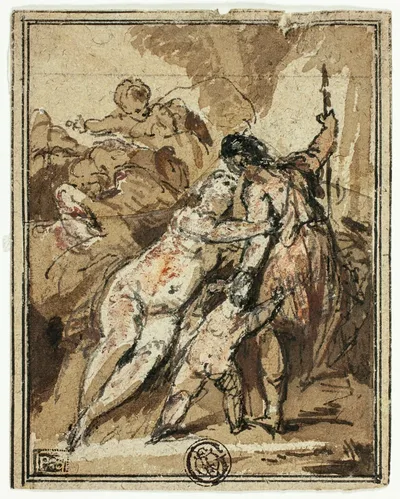
  • Venus Trying to Retain Adonis by Jacob de Wit, n.d.

    Venus Trying to Retain Adonis

    Jacob de Wit

    ΔE 4.0 · very close

    22% of canvas
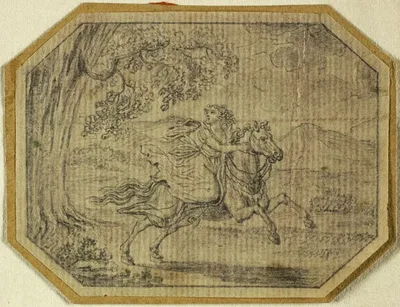
  • Young Woman on Galloping Horse by Johann August Rossmassler, n.d.

    Young Woman on Galloping Horse

    Johann August Rossmassler

    ΔE 7.4 · close

    39% of canvas
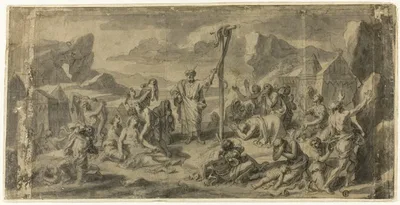
  • Moses and the Brazen Serpent by François Verdier, n.d.

    Moses and the Brazen Serpent

    François Verdier

    ΔE 5.3 · close

    28% of canvas

What ΔE means, and what this does not measure