Skip to content
Chroma
#875a37

Ranked by perceptual distance

Works near #875a37

Ranked by CIEDE2000 distance to each work’s nearest palette entry, weighted by how much of the canvas that colour covers. Each result shows the real perceptual distance and that coverage, not the blended score that produced the order.

Pick a different colour

Drag the ring or use the arrow keys. Every result is ranked by how close it is in CIELAB, weighted by how much of the canvas the colour covers.

Closest first

60 of 1,497 works
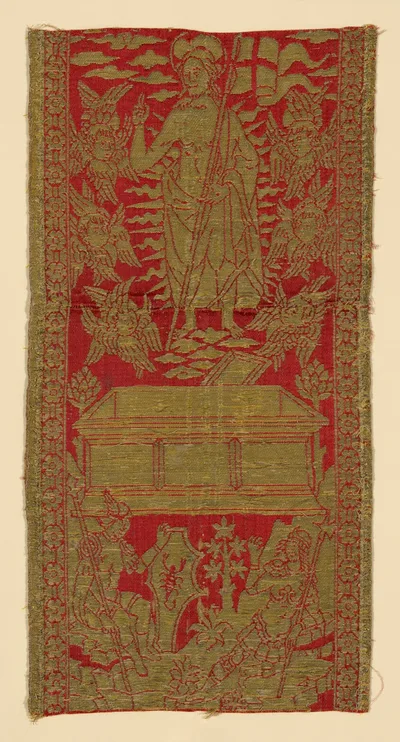
  • Fragment (From an Orphrey Band) by Italy, 15th century

    Fragment (From an Orphrey Band)

    Italy

    ΔE 2.2 · very close

    33% of canvas
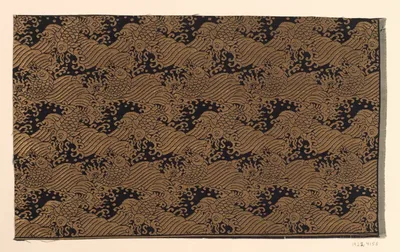
  • Fragment by Japan, Edo period (1615–1868), 1775/1825

    Fragment

    Japan

    ΔE 5.9 · close

    49% of canvas
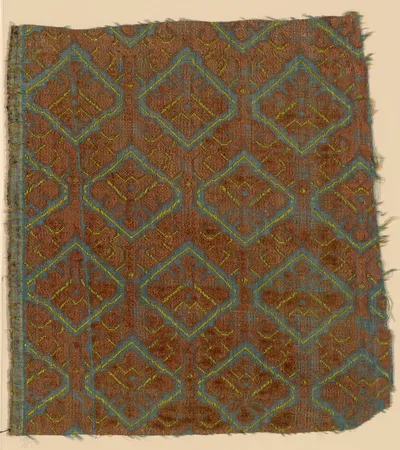
  • Fragment by Italy, 1575/1600

    Fragment

    Italy

    ΔE 6.4 · close

    48% of canvas
  • Funerary Papyrus of Tayuhenutmut by Ancient Egyptian, Third Intermediate Period, probably Dynasty 21 (about 1069-945 BCE)

    Funerary Papyrus of Tayuhenutmut

    Ancient Egyptian

    ΔE 5.1 · close

    39% of canvas
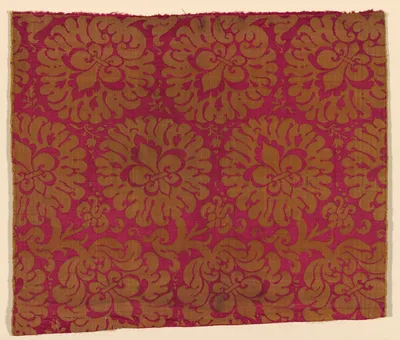
  • Fragment by France, 1601/25

    Fragment

    France

    ΔE 4.1 · very close

    33% of canvas
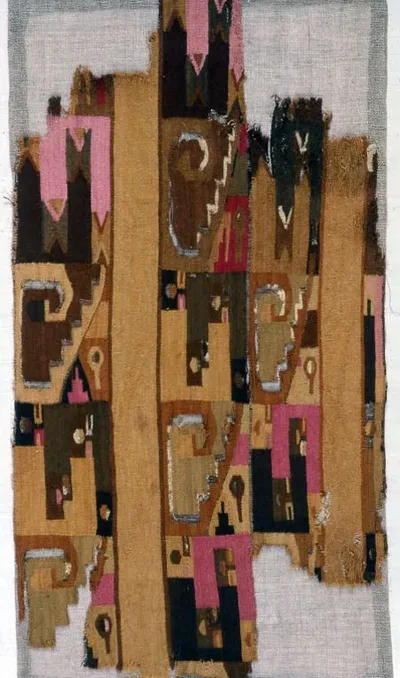
  • Fragment (From a Tunic) by Wari, 600 CE-800 CE

    Fragment (From a Tunic)

    Wari

    ΔE 6.3 · close

    43% of canvas
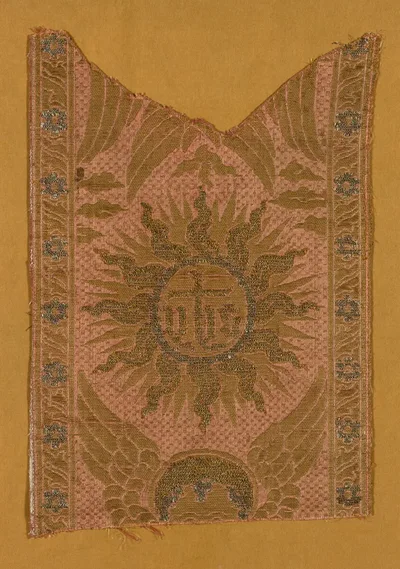
  • Fragment (From an Orphrey Band) by Italy, 15th century

    Fragment (From an Orphrey Band)

    Italy

    ΔE 4.6 · very close

    33% of canvas
  • Kesa by Japan, Edo period (1615–1868), 18th century

    Kesa

    Japan

    ΔE 3.3 · very close

    26% of canvas
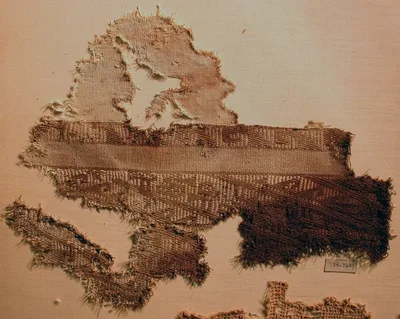
  • Fragment by Peru, north coast, Culebra Valley, La Capilla, 1000-1476

    Fragment

    Peru, north coast, Culebra Valley, La Capilla

    ΔE 2.3 · very close

    20% of canvas
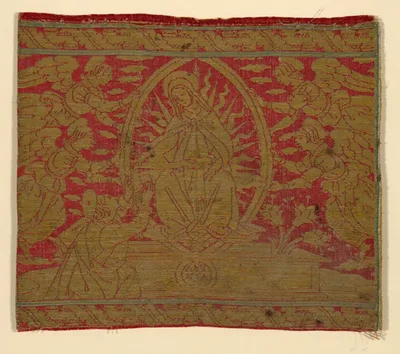
  • Fragment (From an Orphrey Band) by Italy, 15th century

    Fragment (From an Orphrey Band)

    Italy

    ΔE 5.8 · close

    38% of canvas
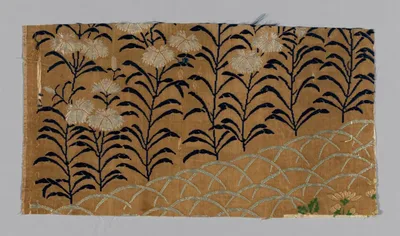
  • Fragment (From a Noh Costume) by Japan, 18th century, late Edo period (1789–1868)/ Meiji period (1868–1912)

    Fragment (From a Noh Costume)

    Japan

    ΔE 4.8 · very close

    32% of canvas
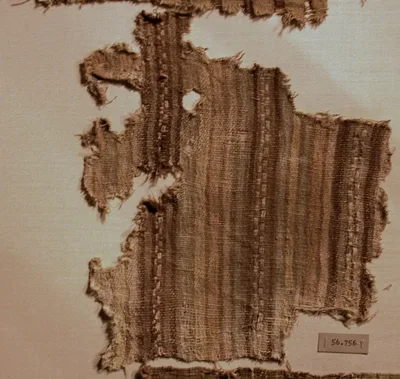
  • Fragment by Peru, north coast, Culebra Valley, La Capilla, 1000-1476

    Fragment

    Peru, north coast, Culebra Valley, La Capilla

    ΔE 4.3 · very close

    30% of canvas
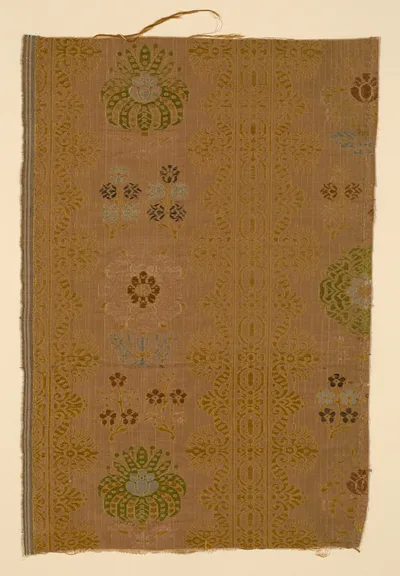
  • Fragment by Italy, 17th century

    Fragment

    Italy

    ΔE 6.2 · close

    39% of canvas
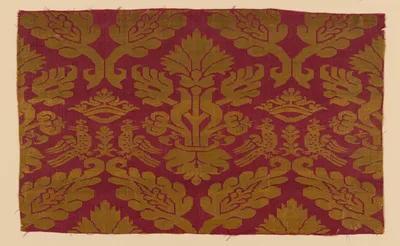
  • Fragment by Italy, 16th century

    Fragment

    Italy

    ΔE 5.1 · close

    33% of canvas
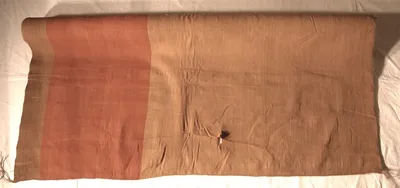
  • Shawl by Inca

    Shawl

    Inca

    ΔE 3.5 · very close

    25% of canvas
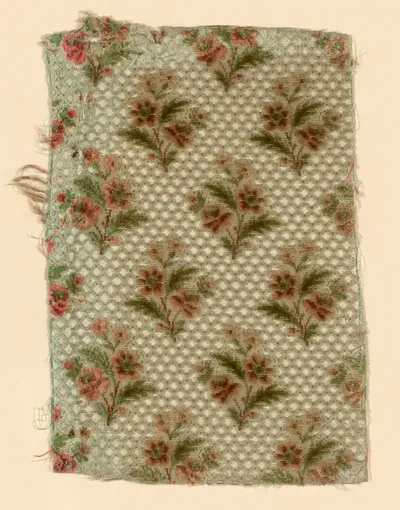
  • Fragment by France, 1750/75

    Fragment

    France

    ΔE 0.2 · near-exact

    8% of canvas
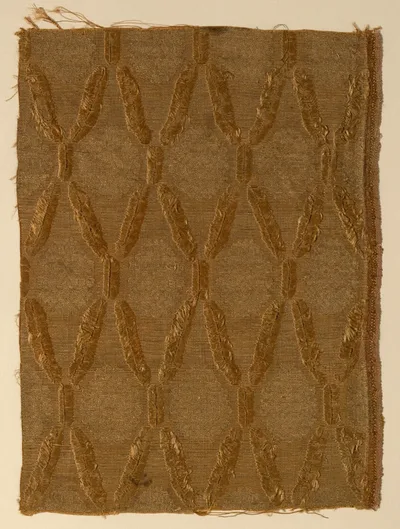
  • Fragment by Italy, 1625/75

    Fragment

    Italy

    ΔE 4.6 · very close

    30% of canvas
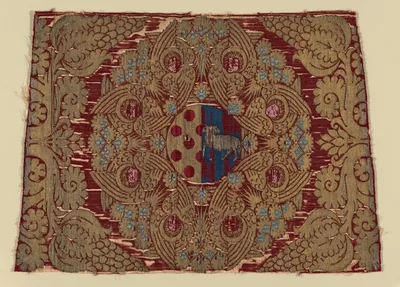
  • Fragment (From a Vestment) by Italy, Florence, 15th century

    Fragment (From a Vestment)

    Italy, Florence

    ΔE 5.8 · close

    35% of canvas
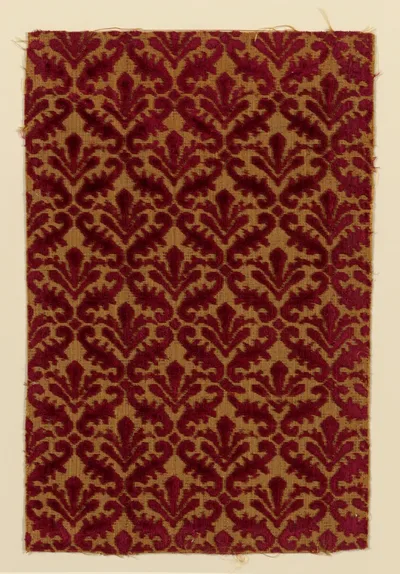
  • Fragment by Italy, c. 1600

    Fragment

    Italy

    ΔE 3.0 · very close

    19% of canvas
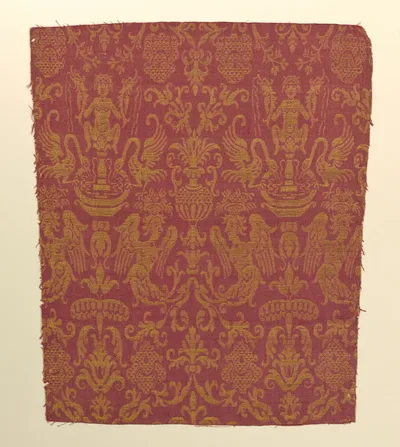
  • Fragment by Italy, 17th century

    Fragment

    Italy

    ΔE 6.7 · close

    37% of canvas
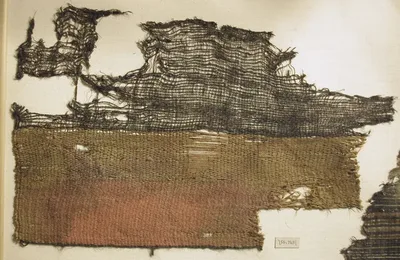
  • Fragment by Peru, north coast, Culebra Vallery, La Capilla, 1000-1476

    Fragment

    Peru, north coast, Culebra Vallery, La Capilla

    ΔE 5.7 · close

    31% of canvas
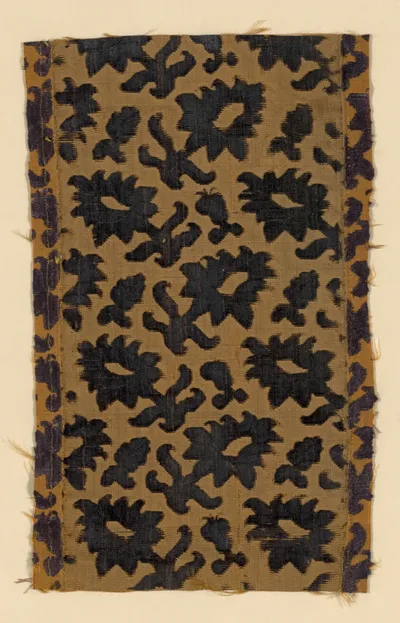
  • Fragment by Italy, 1600/50

    Fragment

    Italy

    ΔE 5.7 · close

    30% of canvas
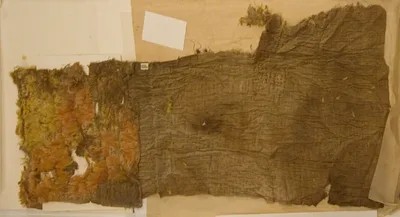
  • Fragment by Peru, south coast, Ingenio Valley, Hacienda Estudente

    Fragment

    Peru, south coast, Ingenio Valley, Hacienda Estudente

    ΔE 8.1 · close

    41% of canvas
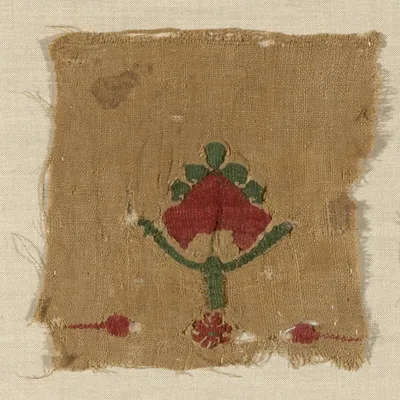
  • Fragment by Egypt, 5th-6th century

    Fragment

    Egypt

    ΔE 11.3 · close

    57% of canvas
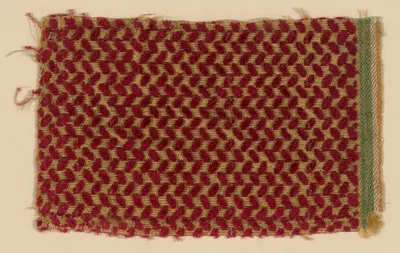
  • Fragment by Italy, 1775/1800

    Fragment

    Italy

    ΔE 3.1 · very close

    16% of canvas
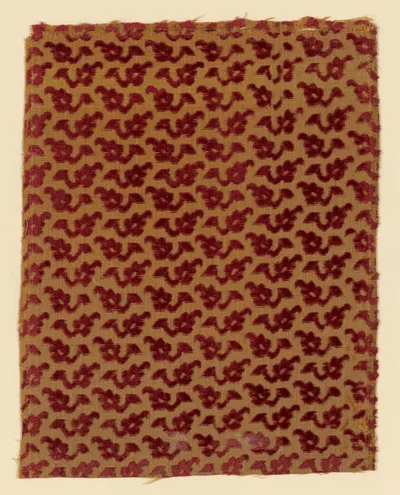
  • Fragment by Italy, 1600/50

    Fragment

    Italy

    ΔE 6.2 · close

    31% of canvas
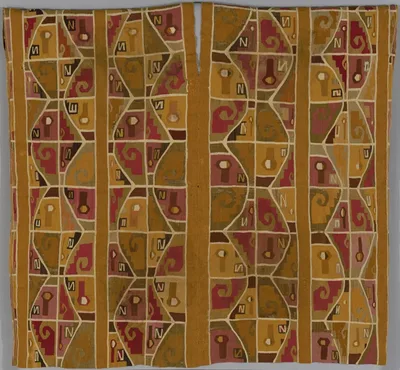
  • Tunic by Wari, 600-800

    Tunic

    Wari

    ΔE 6.2 · close

    31% of canvas
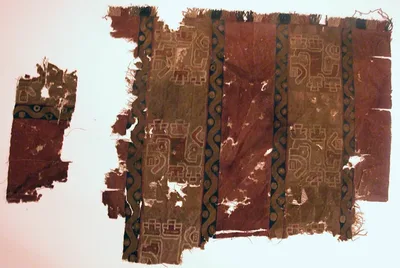
  • Fragments (From a Tunic) by Wari, 600-800

    Fragments (From a Tunic)

    Wari

    ΔE 4.6 · very close

    23% of canvas
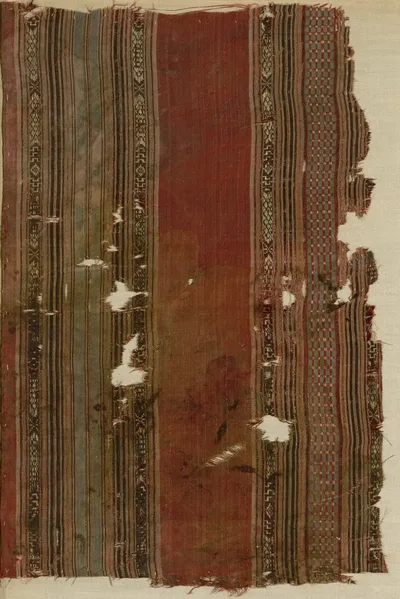
  • Fragment by Egypt, Arab period (641–969)/Fatimid period (969–1171)/Ayyubid period (1171–1250)/ Mamluk period (1250–1517), 9th/13th century

    Fragment

    Egypt

    ΔE 8.1 · close

    39% of canvas
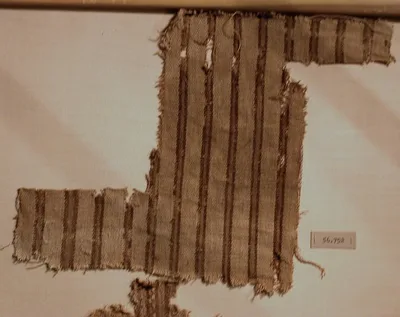
  • Fragment by Tiwanaku, 1000-1476

    Fragment

    Tiwanaku

    ΔE 3.6 · very close

    16% of canvas
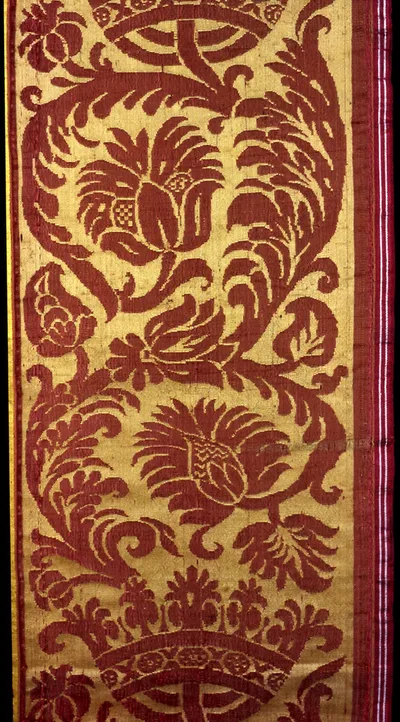
  • Border by Italy, 1601/25

    Border

    Italy

    ΔE 5.7 · close

    27% of canvas
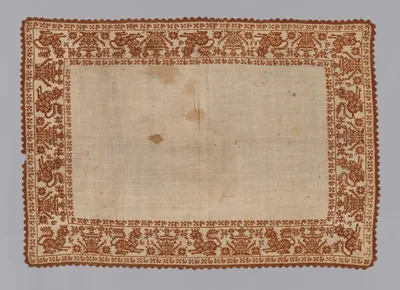
  • Cover by Italy, 1601/50

    Cover

    Italy

    ΔE 3.9 · very close

    17% of canvas
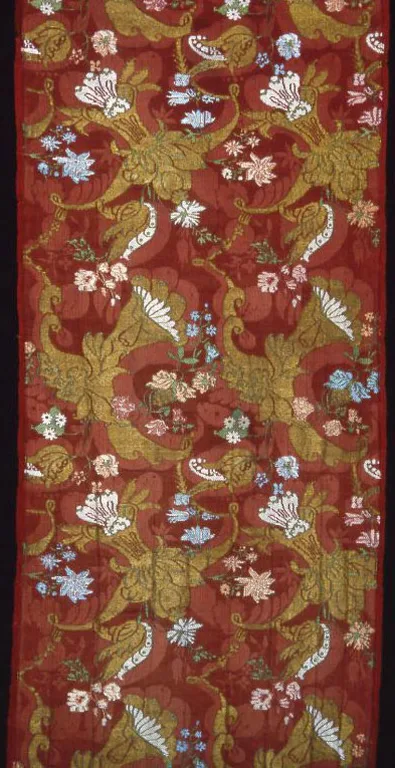
  • Four Panels by France, c. 1711/12

    Four Panels

    France

    ΔE 5.0 · close

    23% of canvas
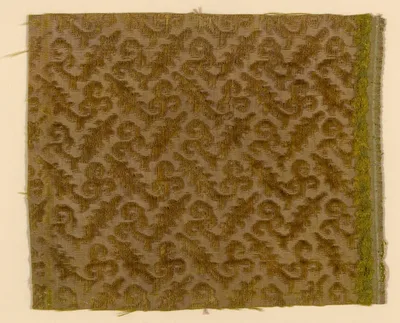
  • Fragment by Italy, 1600/50

    Fragment

    Italy

    ΔE 7.4 · close

    34% of canvas
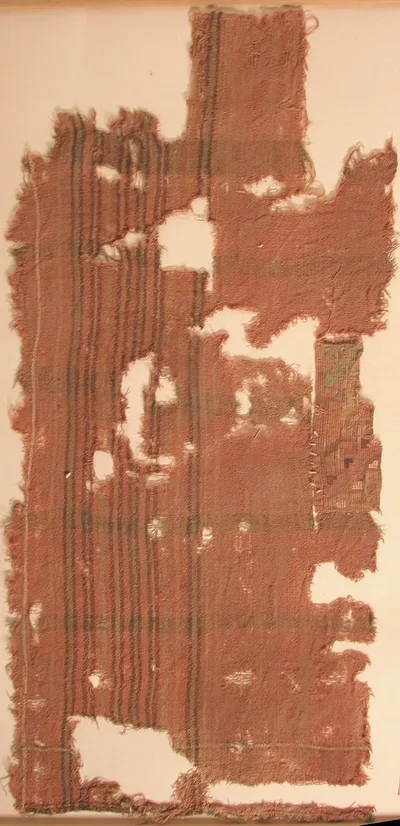
  • Fragment by Peru, north coast, Culebra Valley, La Capilla, 1000-1476

    Fragment

    Peru, north coast, Culebra Valley, La Capilla

    ΔE 5.2 · close

    22% of canvas
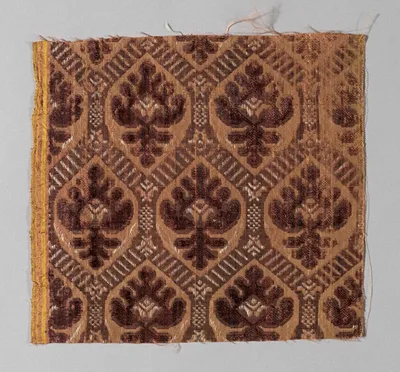
  • Fragment by Italy, 1625/75

    Fragment

    Italy

    ΔE 5.7 · close

    24% of canvas
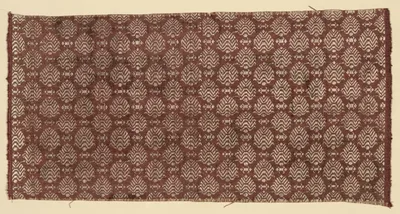
  • Fragment by Italy, 1650/1700

    Fragment

    Italy

    ΔE 7.2 · close

    31% of canvas
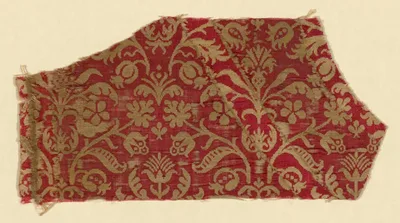
  • Fragment by Europe, 1601/25

    Fragment

    Europe

    ΔE 5.0 · very close

    20% of canvas
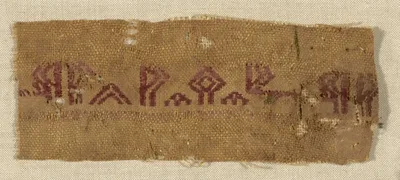
  • Fragment by Egypt, Fatimid period (969–1171)

    Fragment

    Egypt

    ΔE 4.4 · very close

    18% of canvas
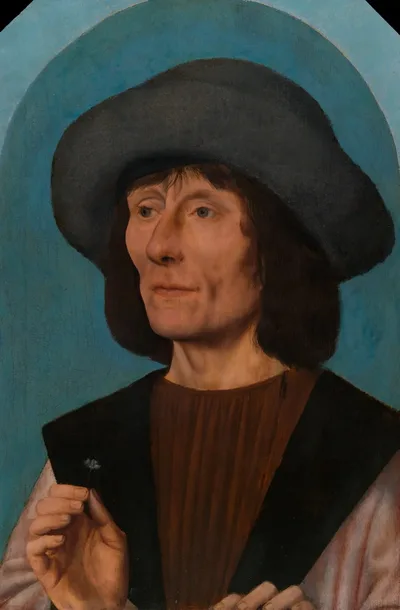
  • Portrait of a Man with a Pink by Quentin Massys, 1500–10

    Portrait of a Man with a Pink

    Quentin Massys

    ΔE 4.3 · very close

    17% of canvas
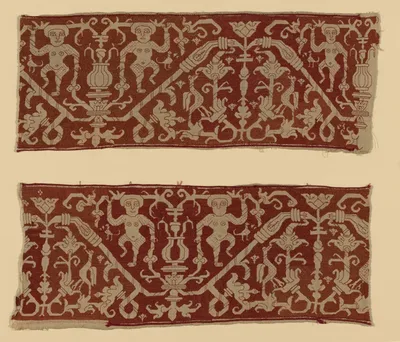
  • Two Border Fragments by Spain, Late 16th/early 17th century

    Two Border Fragments

    Spain

    ΔE 4.4 · very close

    17% of canvas
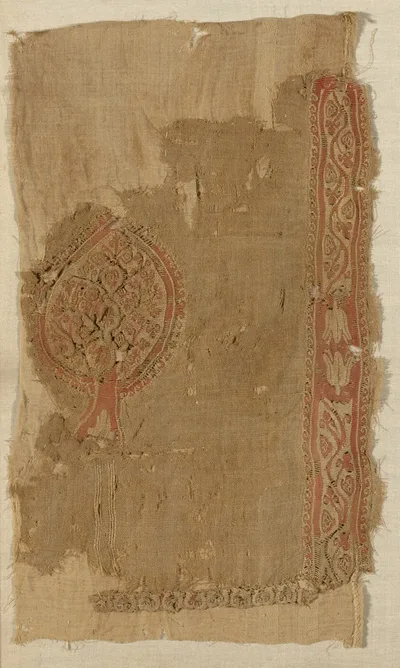
  • Fragment by Egypt, possibly Akhmin, 4th-6th century

    Fragment

    Egypt, possibly Akhmin

    ΔE 4.0 · very close

    14% of canvas
  • Frieze with Eight Putti by Polidoro da Caravaggio, n.d.

    Frieze with Eight Putti

    Polidoro da Caravaggio

    ΔE 4.6 · very close

    17% of canvas
  • Fragment by Peru, north coast, Culebra Valley, La Capilla, 1000-1476

    Fragment

    Peru, north coast, Culebra Valley, La Capilla

    ΔE 5.8 · close

    23% of canvas
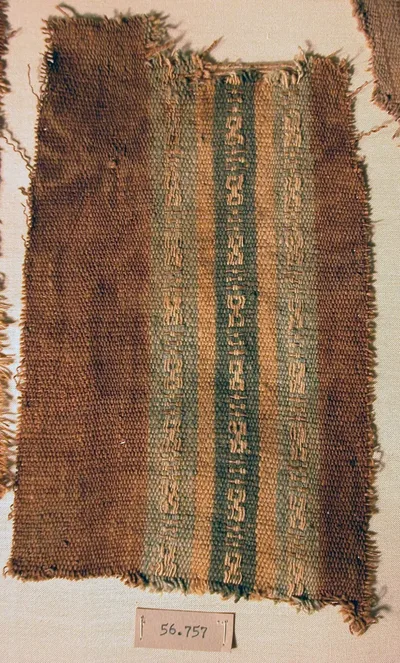
  • Fragment by Peru, north coast, Culebra Valley, La Capilla, 1000-1476

    Fragment

    Peru, north coast, Culebra Valley, La Capilla

    ΔE 6.5 · close

    26% of canvas
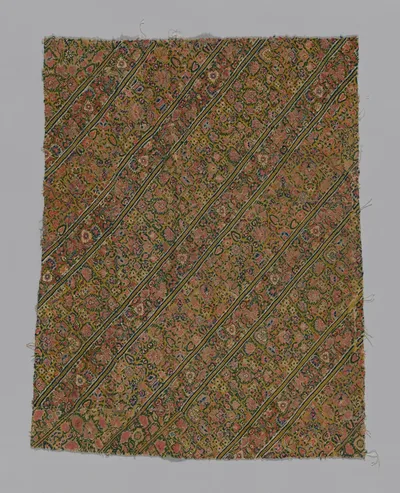
  • Panel by Iran, 18th century

    Panel

    Iran

    ΔE 4.1 · very close

    13% of canvas
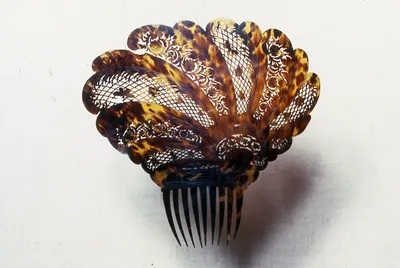
  • Comb by Spain, c. 1885

    Comb

    Spain

    ΔE 2.7 · very close

    7% of canvas
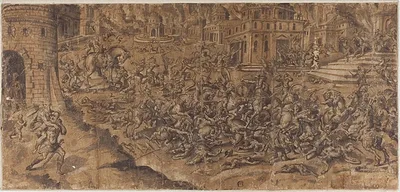
  • Aeneas Leaving the Burning City of Troy by Unknown artist, n.d.

    Aeneas Leaving the Burning City of Troy

    Unknown artist

    ΔE 7.3 · close

    29% of canvas
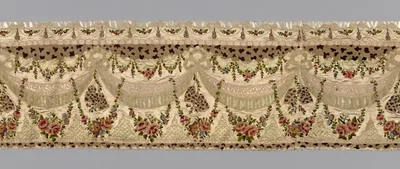
  • Valance by France, 19th century

    Valance

    France

    ΔE 4.5 · very close

    15% of canvas
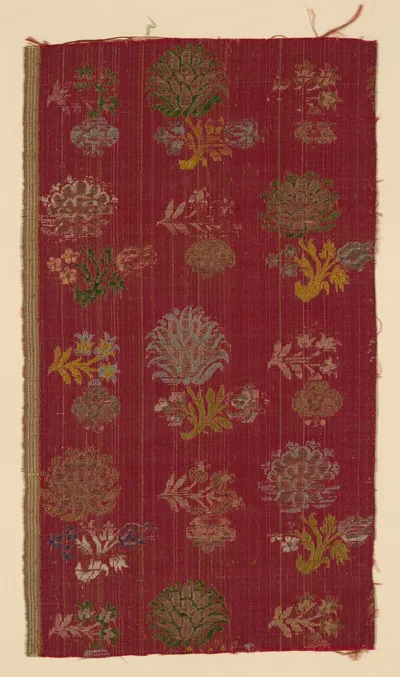
  • Fragment by Italy, 1625/75

    Fragment

    Italy

    ΔE 4.0 · very close

    12% of canvas
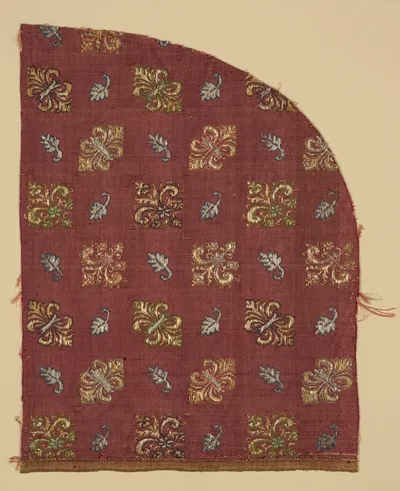
  • Fragment by Italy, Mid–17th century

    Fragment

    Italy

    ΔE 4.3 · very close

    14% of canvas
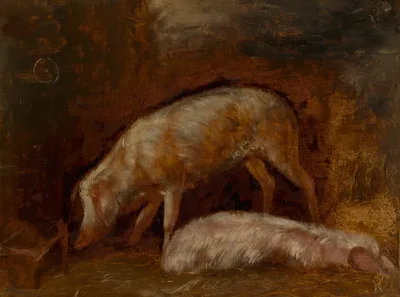
  • Study of Pigs by Alexandre Gabriel Decamps, c. 1855

    Study of Pigs

    Alexandre Gabriel Decamps

    ΔE 4.2 · very close

    13% of canvas

  • Headdress by Nasca

    Headdress

    Nasca

    ΔE 6.4 · close

    23% of canvas
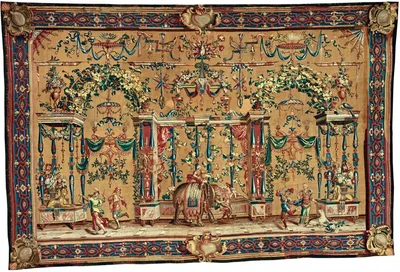
  • The Elephant, from The Berain Grotesques Series by Jean Baptiste Monnoyer, c. 1688/1732

    The Elephant, from The Berain Grotesques Series

    Jean Baptiste Monnoyer

    ΔE 5.4 · close

    18% of canvas
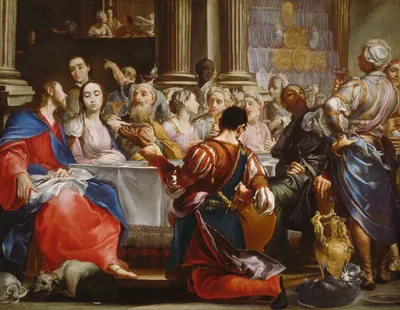
  • The Wedding at Cana by Giuseppe Maria Crespi, c. 1686

    The Wedding at Cana

    Giuseppe Maria Crespi

    ΔE 7.1 · close

    26% of canvas
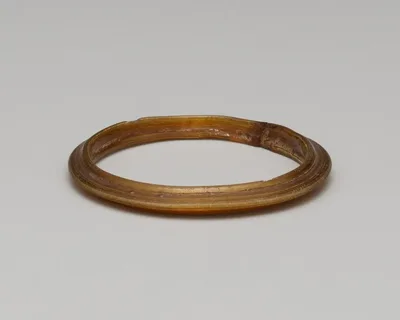
  • Bracelet by Islamic, 14th-15th century

    Bracelet

    Islamic

    ΔE 2.8 · very close

    5% of canvas
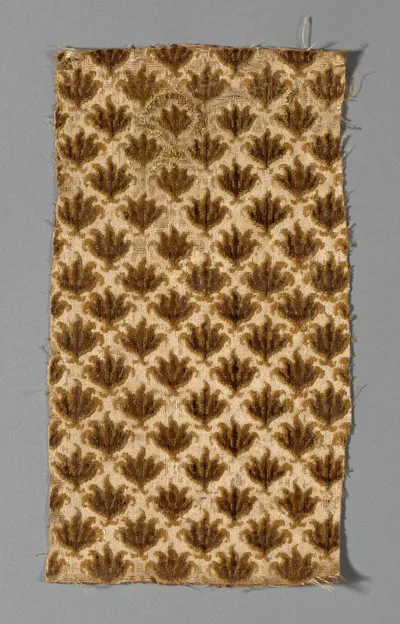
  • Fragment (Dress Fabric) by Possibly Italy, 1650/1700

    Fragment (Dress Fabric)

    Possibly Italy

    ΔE 4.8 · very close

    14% of canvas
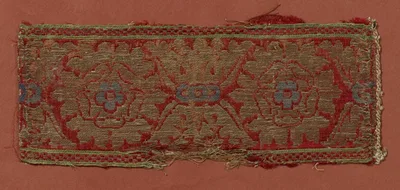
  • Border by Italy, 15th century

    Border

    Italy

    ΔE 7.3 · close

    27% of canvas
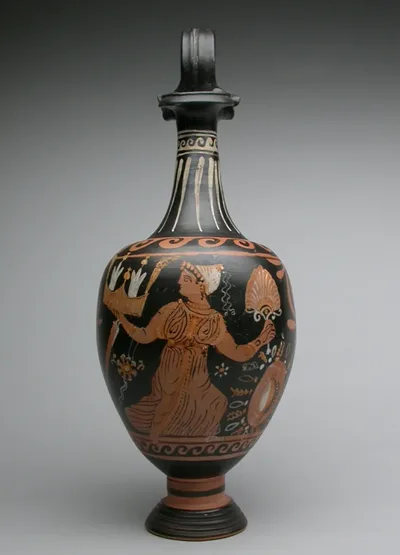
  • Oinochoe (Pitcher) by Ancient Greek, end of 4th century BCE

    Oinochoe (Pitcher)

    Ancient Greek

    ΔE 2.7 · very close

    4% of canvas
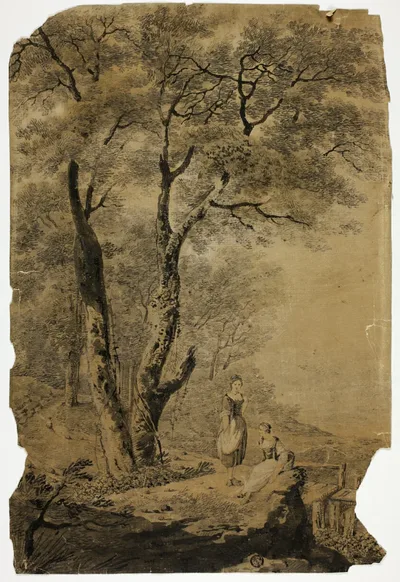
  • Wooded Landscape with Two Women in Foreground by Jean Baptiste Pillement, n.d.

    Wooded Landscape with Two Women in Foreground

    Jean Baptiste Pillement

    ΔE 10.3 · close

    41% of canvas

What ΔE means, and what this does not measure