Skip to content
Chroma
#8f551f

Ranked by perceptual distance

Works near #8f551f

Ranked by CIEDE2000 distance to each work’s nearest palette entry, weighted by how much of the canvas that colour covers. Each result shows the real perceptual distance and that coverage, not the blended score that produced the order.

Pick a different colour

Drag the ring or use the arrow keys. Every result is ranked by how close it is in CIELAB, weighted by how much of the canvas the colour covers.

Closest first

60 of 1,497 works
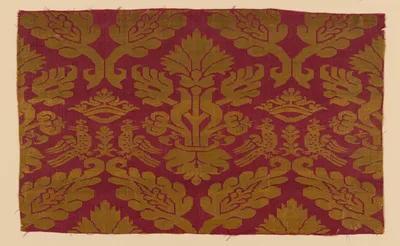
  • Fragment by Italy, 16th century

    Fragment

    Italy

    ΔE 3.3 · very close

    33% of canvas
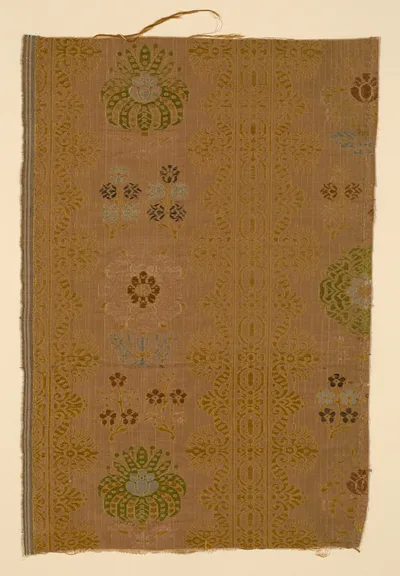
  • Fragment by Italy, 17th century

    Fragment

    Italy

    ΔE 5.7 · close

    39% of canvas
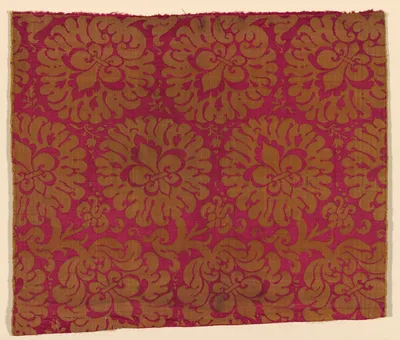
  • Fragment by France, 1601/25

    Fragment

    France

    ΔE 4.7 · very close

    33% of canvas
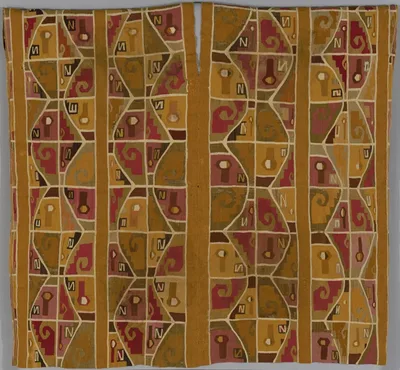
  • Tunic by Wari, 600-800

    Tunic

    Wari

    ΔE 4.4 · very close

    31% of canvas
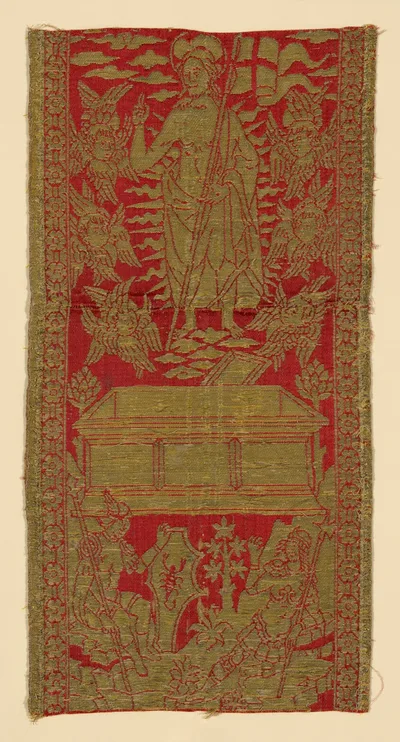
  • Fragment (From an Orphrey Band) by Italy, 15th century

    Fragment (From an Orphrey Band)

    Italy

    ΔE 5.0 · close

    33% of canvas
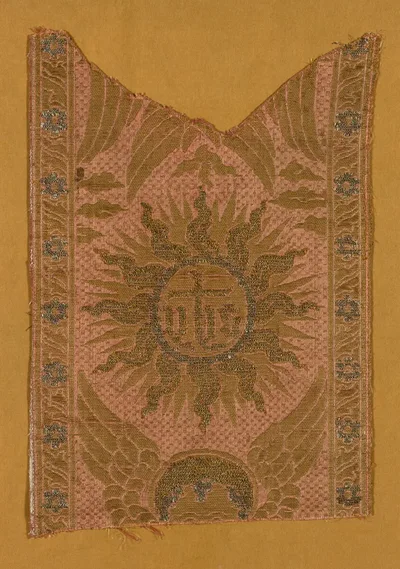
  • Fragment (From an Orphrey Band) by Italy, 15th century

    Fragment (From an Orphrey Band)

    Italy

    ΔE 5.4 · close

    33% of canvas
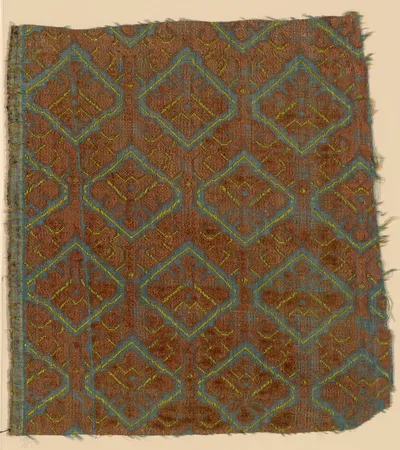
  • Fragment by Italy, 1575/1600

    Fragment

    Italy

    ΔE 8.4 · close

    48% of canvas
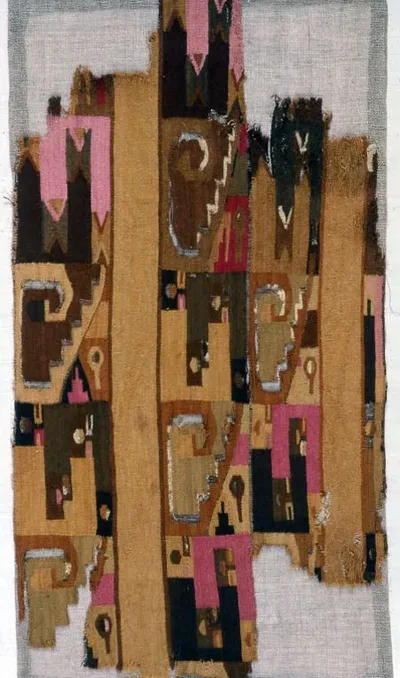
  • Fragment (From a Tunic) by Wari, 600 CE-800 CE

    Fragment (From a Tunic)

    Wari

    ΔE 7.6 · close

    43% of canvas
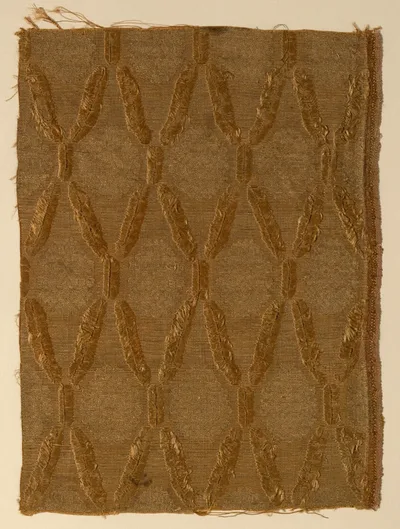
  • Fragment by Italy, 1625/75

    Fragment

    Italy

    ΔE 5.4 · close

    30% of canvas
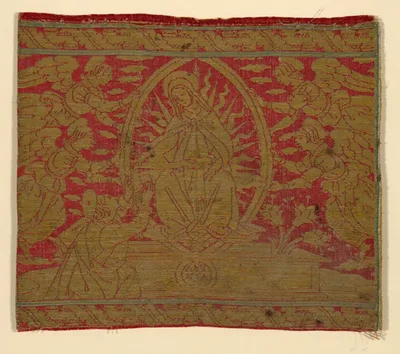
  • Fragment (From an Orphrey Band) by Italy, 15th century

    Fragment (From an Orphrey Band)

    Italy

    ΔE 7.1 · close

    38% of canvas
  • Funerary Papyrus of Tayuhenutmut by Ancient Egyptian, Third Intermediate Period, probably Dynasty 21 (about 1069-945 BCE)

    Funerary Papyrus of Tayuhenutmut

    Ancient Egyptian

    ΔE 7.5 · close

    39% of canvas
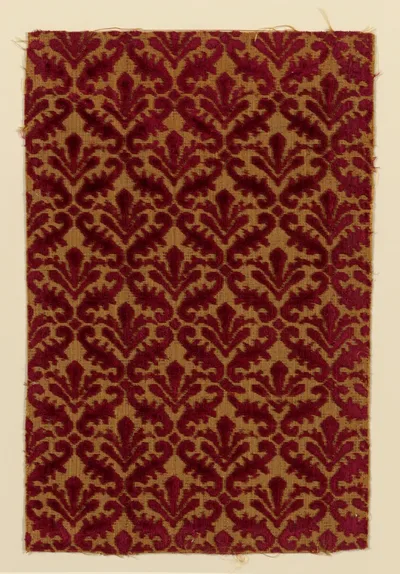
  • Fragment by Italy, c. 1600

    Fragment

    Italy

    ΔE 3.5 · very close

    19% of canvas
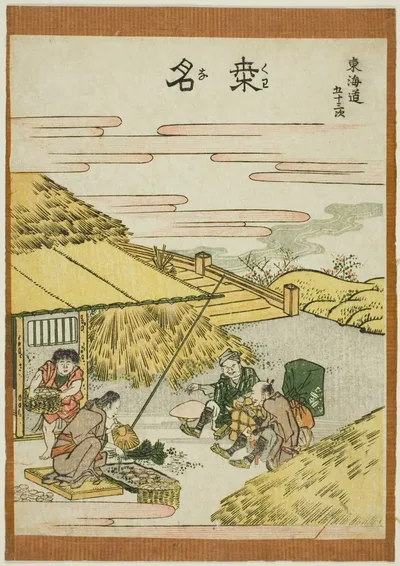
  • Kuwana, from the series "Fifty-three Stations of the Tokaido (Tokaido gojusan tsugi)" by Katsushika Hokusai, c. 1806

    Kuwana, from the series "Fifty-three Stations of the Tokaido (Tokaido gojusan tsugi)"

    Katsushika Hokusai

    ΔE 0.3 · near-exact

    2% of canvas
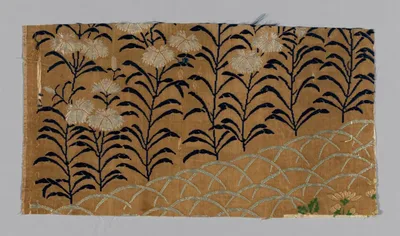
  • Fragment (From a Noh Costume) by Japan, 18th century, late Edo period (1789–1868)/ Meiji period (1868–1912)

    Fragment (From a Noh Costume)

    Japan

    ΔE 6.6 · close

    32% of canvas
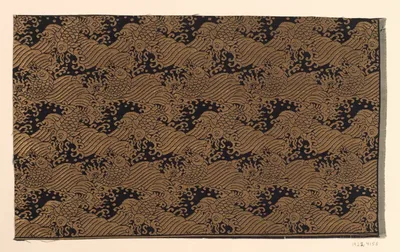
  • Fragment by Japan, Edo period (1615–1868), 1775/1825

    Fragment

    Japan

    ΔE 9.8 · close

    49% of canvas
  • Fragment by Peru, south coast, Ingenio Valley, Hacienda Estudente

    Fragment

    Peru, south coast, Ingenio Valley, Hacienda Estudente

    ΔE 8.7 · close

    41% of canvas
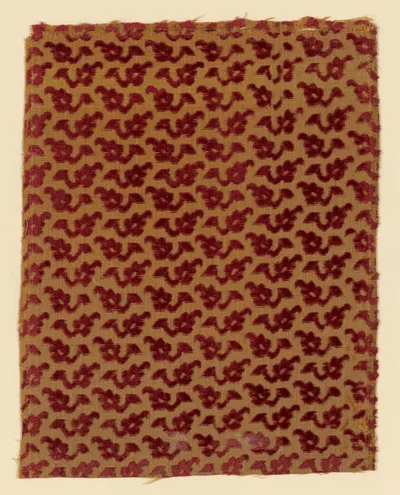
  • Fragment by Italy, 1600/50

    Fragment

    Italy

    ΔE 6.7 · close

    31% of canvas
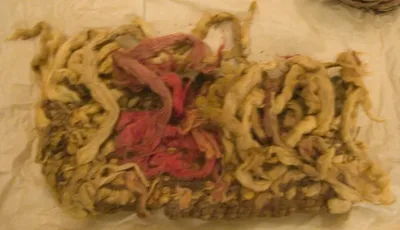
  • Headdress by Nasca

    Headdress

    Nasca

    ΔE 5.7 · close

    23% of canvas
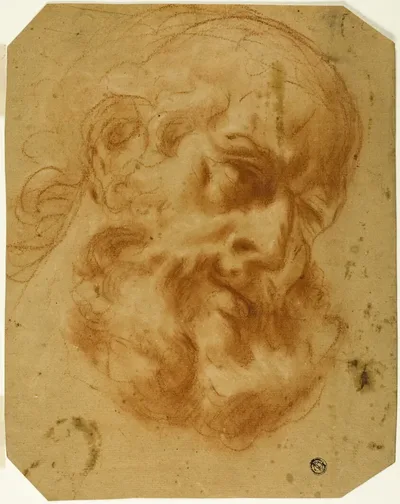
  • Bearded Head by Unknown artist, n.d.

    Bearded Head

    Unknown artist

    ΔE 4.3 · very close

    15% of canvas
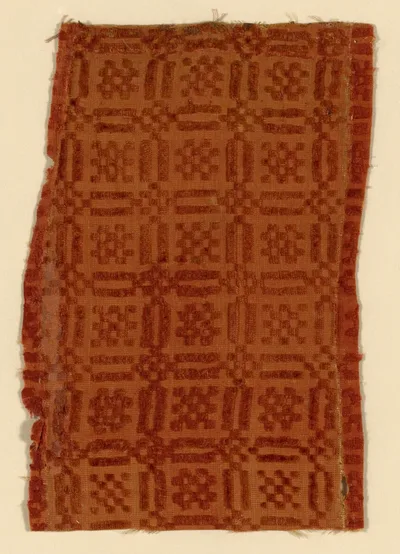
  • Fragment by Italy, 1575/1600

    Fragment

    Italy

    ΔE 6.5 · close

    25% of canvas
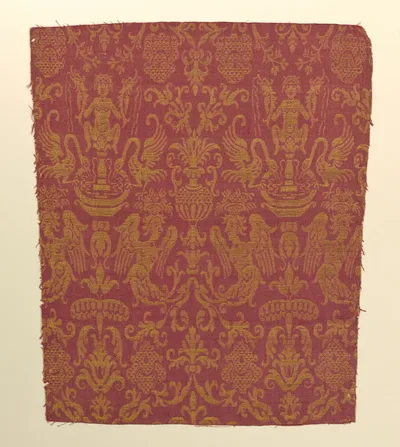
  • Fragment by Italy, 17th century

    Fragment

    Italy

    ΔE 8.8 · close

    37% of canvas
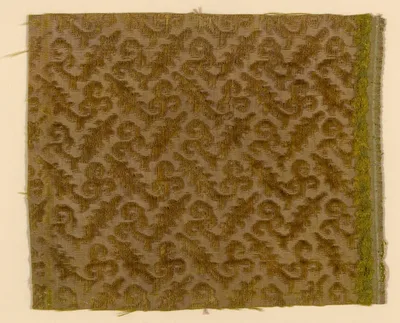
  • Fragment by Italy, 1600/50

    Fragment

    Italy

    ΔE 8.2 · close

    34% of canvas
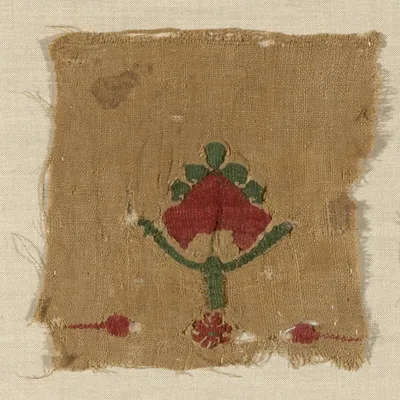
  • Fragment by Egypt, 5th-6th century

    Fragment

    Egypt

    ΔE 12.9 · loosely related

    57% of canvas
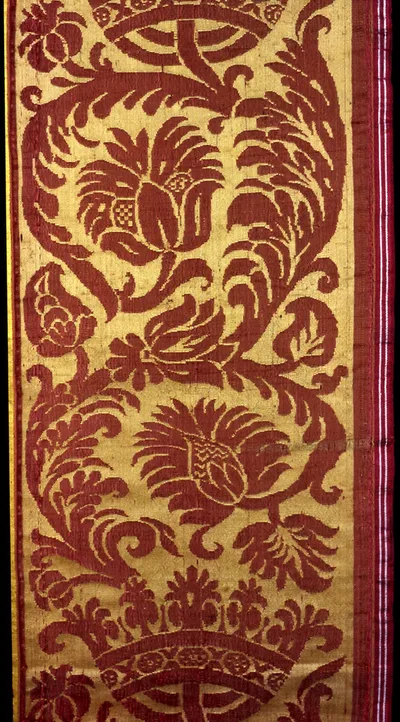
  • Border by Italy, 1601/25

    Border

    Italy

    ΔE 6.9 · close

    27% of canvas
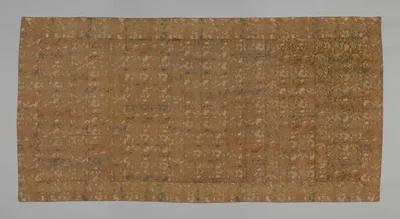
  • Kesa by Japan, Edo period (1615–1868), 18th century

    Kesa

    Japan

    ΔE 6.9 · close

    26% of canvas
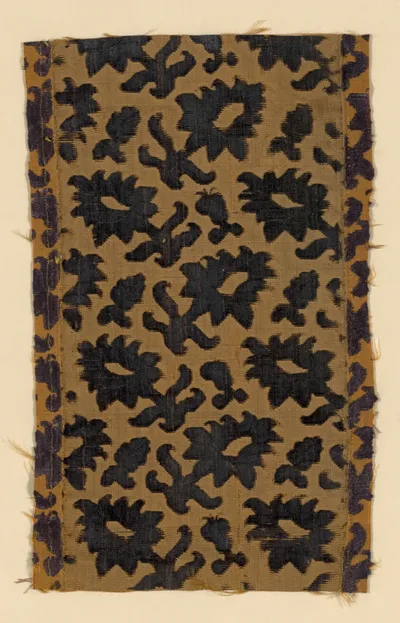
  • Fragment by Italy, 1600/50

    Fragment

    Italy

    ΔE 7.7 · close

    30% of canvas
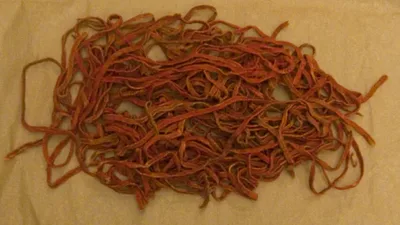
  • Band by Peru, south coast, Nazca Valley

    Band

    Peru, south coast, Nazca Valley

    ΔE 4.0 · very close

    11% of canvas
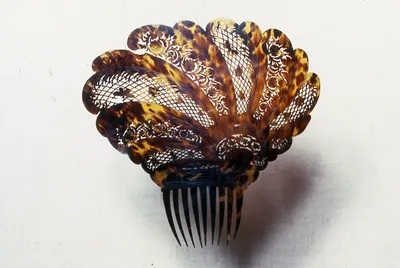
  • Comb by Spain, c. 1885

    Comb

    Spain

    ΔE 3.3 · very close

    7% of canvas
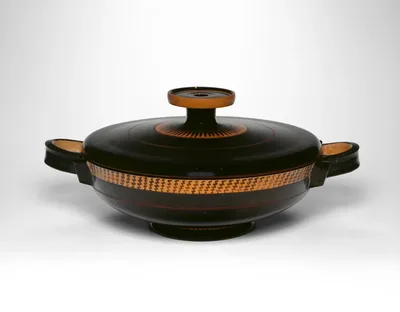
  • Lekanis (Covered Dish) by Ancient Greek, 450-430 BCE

    Lekanis (Covered Dish)

    Ancient Greek

    ΔE 3.1 · very close

    4% of canvas
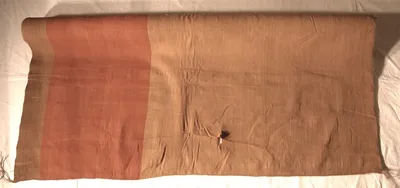
  • Shawl by Inca

    Shawl

    Inca

    ΔE 7.4 · close

    25% of canvas
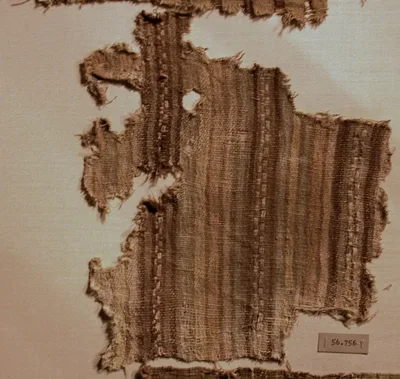
  • Fragment by Peru, north coast, Culebra Valley, La Capilla, 1000-1476

    Fragment

    Peru, north coast, Culebra Valley, La Capilla

    ΔE 8.5 · close

    30% of canvas
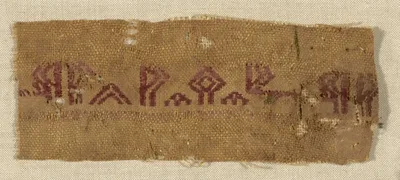
  • Fragment by Egypt, Fatimid period (969–1171)

    Fragment

    Egypt

    ΔE 11.3 · close

    43% of canvas
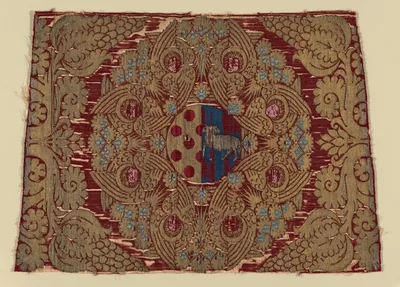
  • Fragment (From a Vestment) by Italy, Florence, 15th century

    Fragment (From a Vestment)

    Italy, Florence

    ΔE 9.8 · close

    35% of canvas
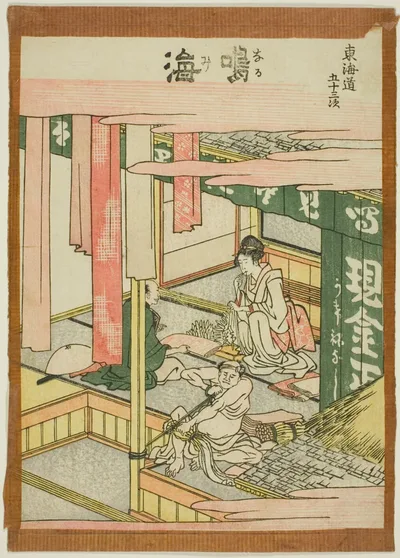
  • Narumi, from the series "Fifty-three Stations of the Tokaido (Tokaido gojusan tsugi)" by Katsushika Hokusai, c. 1806

    Narumi, from the series "Fifty-three Stations of the Tokaido (Tokaido gojusan tsugi)"

    Katsushika Hokusai

    ΔE 5.3 · close

    12% of canvas
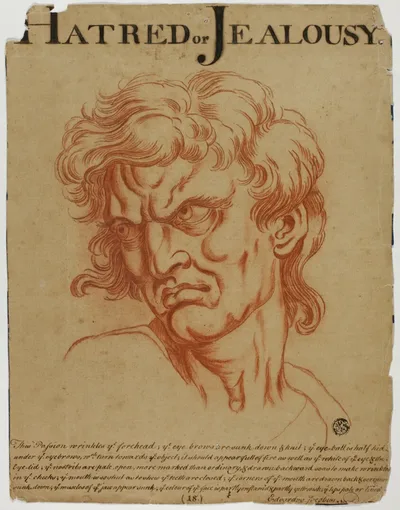
  • Hatred or Jealousy by Eduardus Jacobus, after 1698

    Hatred or Jealousy

    Eduardus Jacobus

    ΔE 5.2 · close

    12% of canvas
  • Fragments by Nasca, 700 CE-900 CE

    Fragments

    Nasca

    ΔE 5.0 · close

    11% of canvas
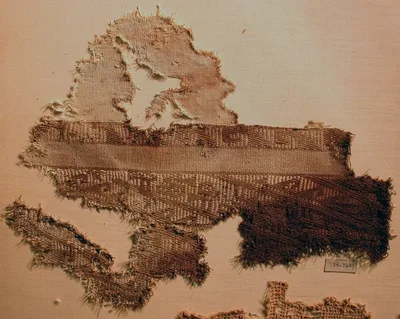
  • Fragment by Peru, north coast, Culebra Valley, La Capilla, 1000-1476

    Fragment

    Peru, north coast, Culebra Valley, La Capilla

    ΔE 7.0 · close

    20% of canvas
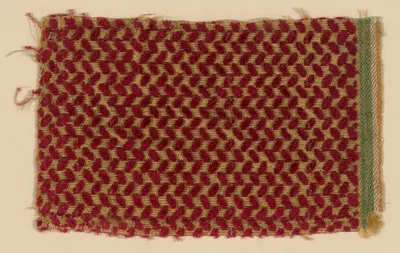
  • Fragment by Italy, 1775/1800

    Fragment

    Italy

    ΔE 6.0 · close

    16% of canvas
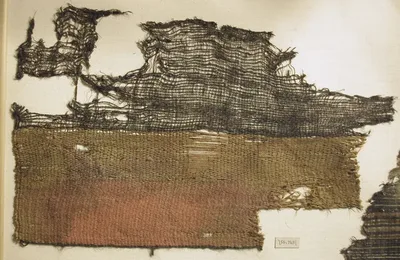
  • Fragment by Peru, north coast, Culebra Vallery, La Capilla, 1000-1476

    Fragment

    Peru, north coast, Culebra Vallery, La Capilla

    ΔE 9.1 · close

    31% of canvas
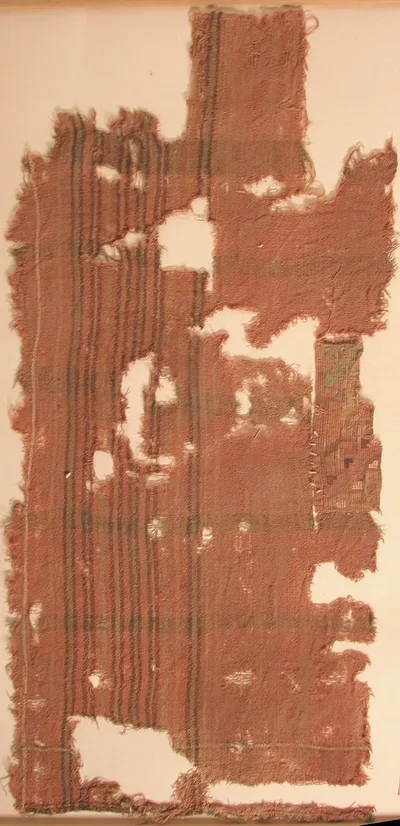
  • Fragment by Peru, north coast, Culebra Valley, La Capilla, 1000-1476

    Fragment

    Peru, north coast, Culebra Valley, La Capilla

    ΔE 11.5 · close

    43% of canvas
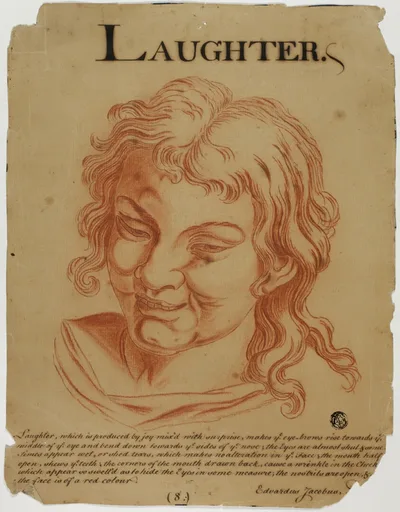
  • Laughter by Eduardus Jacobus, after 1698

    Laughter

    Eduardus Jacobus

    ΔE 5.8 · close

    14% of canvas
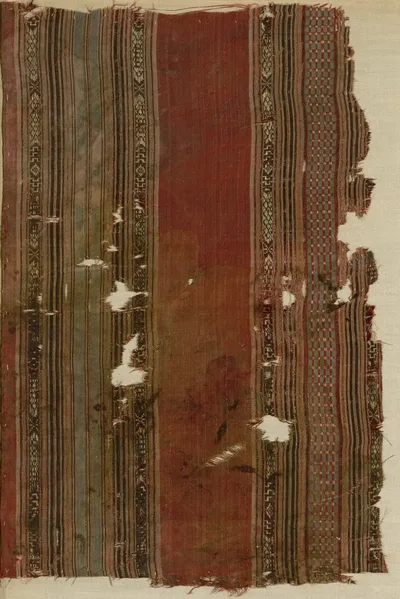
  • Fragment by Egypt, Arab period (641–969)/Fatimid period (969–1171)/Ayyubid period (1171–1250)/ Mamluk period (1250–1517), 9th/13th century

    Fragment

    Egypt

    ΔE 11.0 · close

    39% of canvas
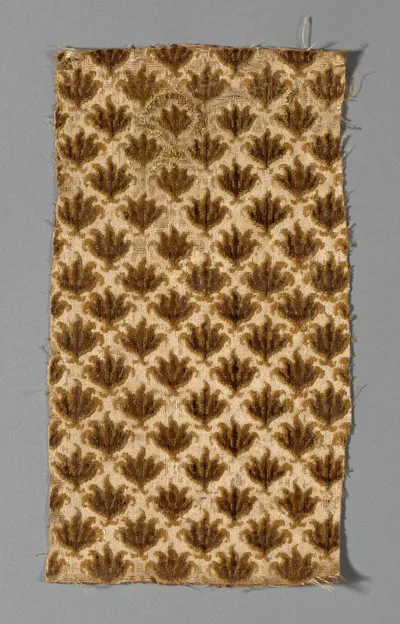
  • Fragment (Dress Fabric) by Possibly Italy, 1650/1700

    Fragment (Dress Fabric)

    Possibly Italy

    ΔE 6.0 · close

    14% of canvas
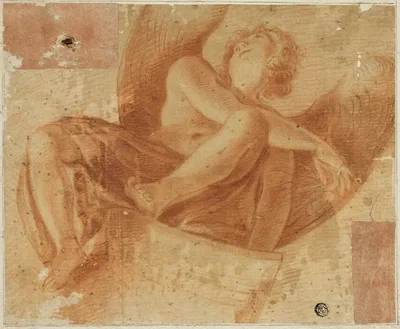
  • Foreshortened Angel by Antonio da Correggio, 1522/30

    Foreshortened Angel

    Antonio da Correggio

    ΔE 6.3 · close

    15% of canvas
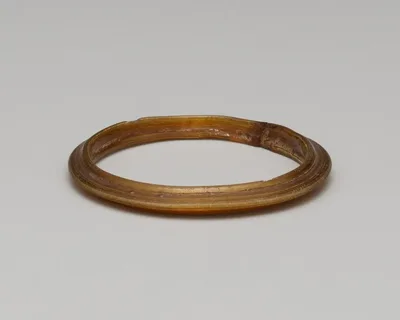
  • Bracelet by Islamic, 14th-15th century

    Bracelet

    Islamic

    ΔE 4.2 · very close

    5% of canvas
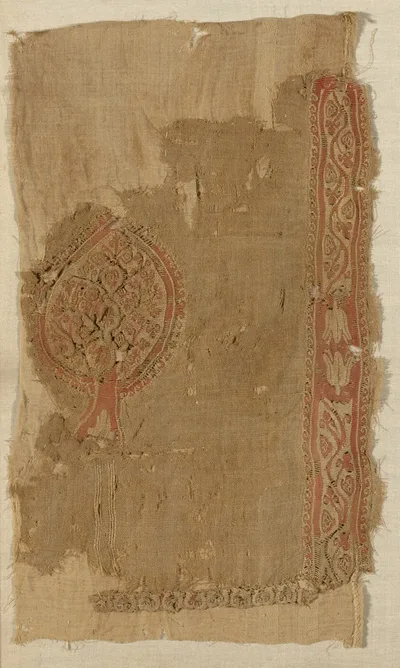
  • Fragment by Egypt, possibly Akhmin, 4th-6th century

    Fragment

    Egypt, possibly Akhmin

    ΔE 12.3 · loosely related

    45% of canvas
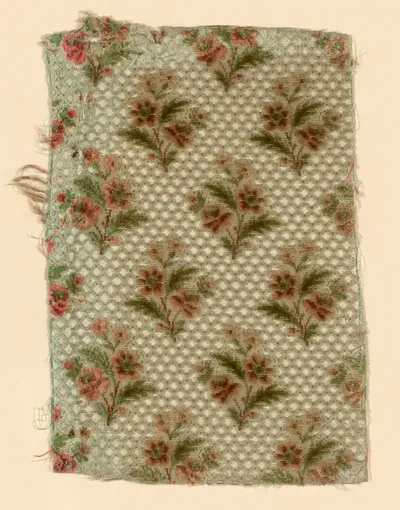
  • Fragment by France, 1750/75

    Fragment

    France

    ΔE 5.0 · very close

    8% of canvas
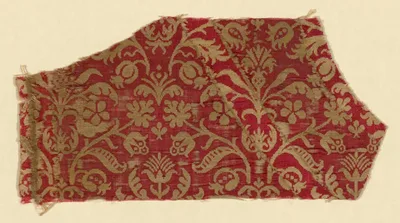
  • Fragment by Europe, 1601/25

    Fragment

    Europe

    ΔE 7.5 · close

    20% of canvas
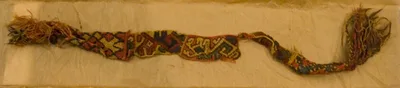
  • Band by Nasca, 700-900

    Band

    Nasca

    ΔE 5.4 · close

    10% of canvas
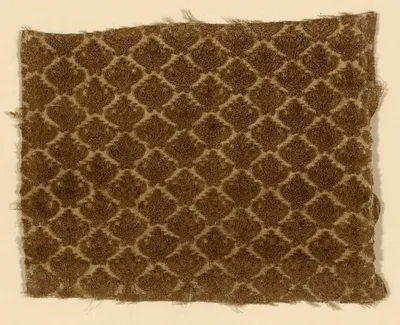
  • Fragment by Italy, 1650/1700

    Fragment

    Italy

    ΔE 8.5 · close

    24% of canvas
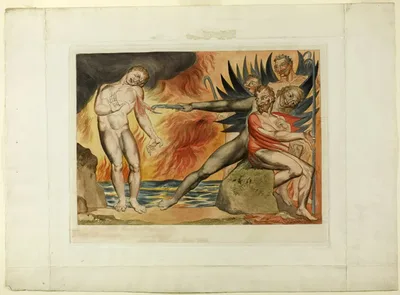
  • The Circle of the Corrupt Officials; the Devils Tormenting Ciampolo. Inferno, canto XXII by William Blake, 1827, printed c. 1892

    The Circle of the Corrupt Officials; the Devils Tormenting Ciampolo. Inferno, canto XXII

    William Blake

    ΔE 5.0 · very close

    7% of canvas
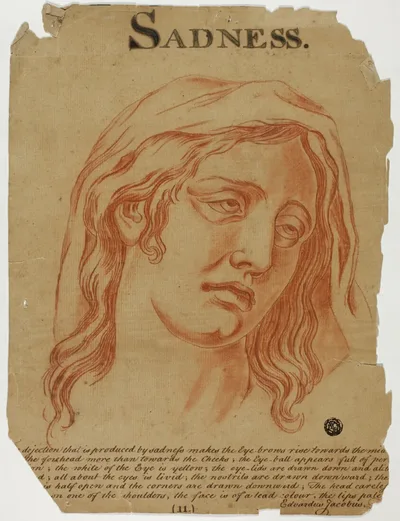
  • Sadness by Eduardus Jacobus, after 1698

    Sadness

    Eduardus Jacobus

    ΔE 6.6 · close

    14% of canvas
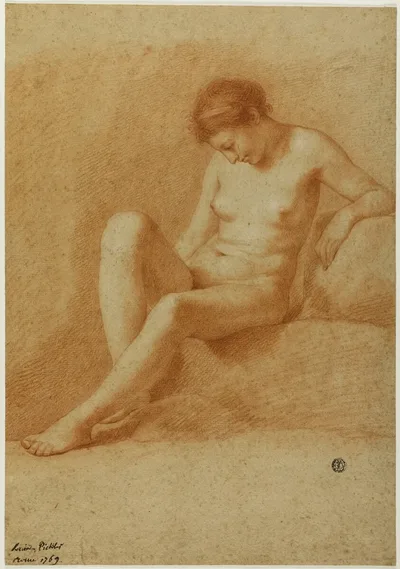
  • Seated Female Nude by Antonio Pichler, 1769

    Seated Female Nude

    Antonio Pichler

    ΔE 7.5 · close

    19% of canvas
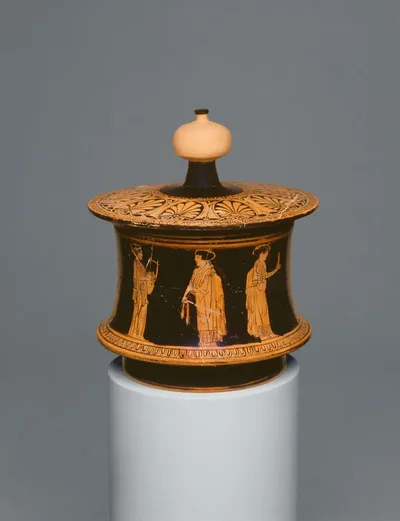
  • Pyxis (Container for Personal Objects) by Ancient Greek, 430-420 BCE

    Pyxis (Container for Personal Objects)

    Ancient Greek

    ΔE 4.6 · very close

    4% of canvas
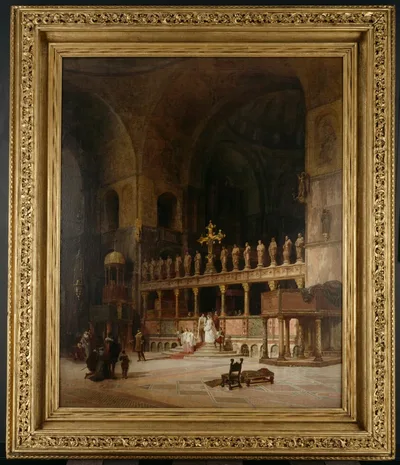
  • Interior of St. Mark's, Venice by David Dalhoff Neal, 1869

    Interior of St. Mark's, Venice

    David Dalhoff Neal

    ΔE 9.3 · close

    28% of canvas
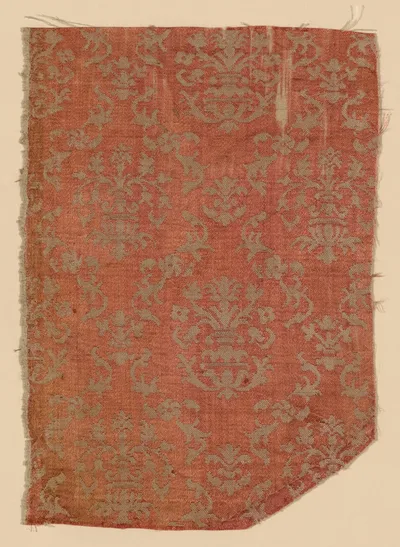
  • Fragment by Italy, 1625/50

    Fragment

    Italy

    ΔE 10.6 · close

    34% of canvas
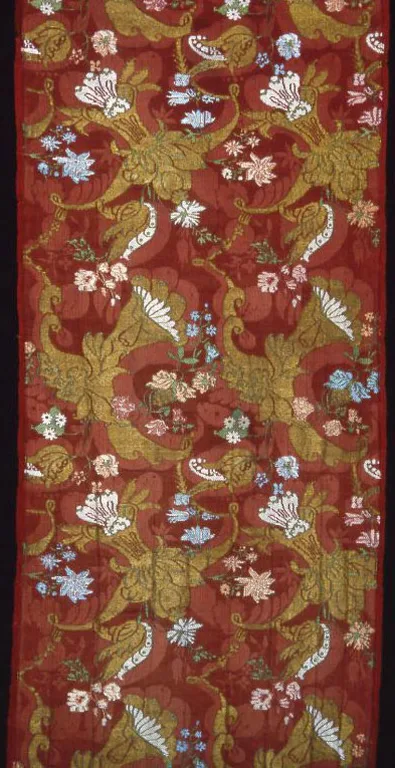
  • Four Panels by France, c. 1711/12

    Four Panels

    France

    ΔE 8.5 · close

    23% of canvas
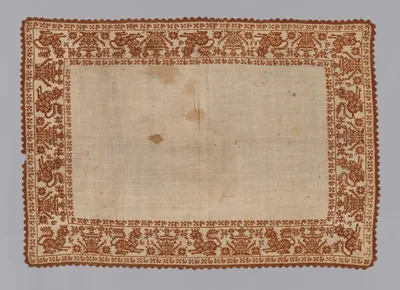
  • Cover by Italy, 1601/50

    Cover

    Italy

    ΔE 7.4 · close

    17% of canvas
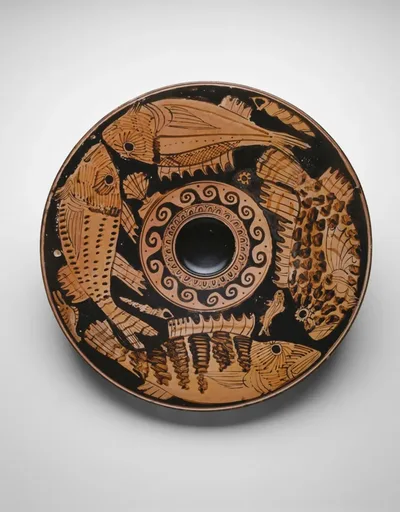
  • Fish Plate by Ancient Greek, 400-370 BCE

    Fish Plate

    Ancient Greek

    ΔE 7.9 · close

    20% of canvas
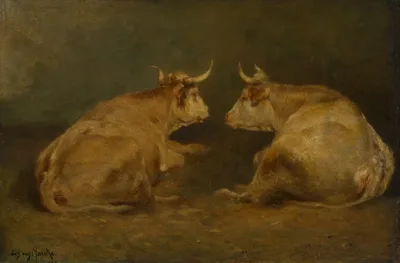
  • The Tête-à-tête by Emile van Marcke de Lummen, c. 1875–90

    The Tête-à-tête

    Emile van Marcke de Lummen

    ΔE 6.7 · close

    14% of canvas

What ΔE means, and what this does not measure