Skip to content
Chroma
#93735f

Ranked by perceptual distance

Works near #93735f

Ranked by CIEDE2000 distance to each work’s nearest palette entry, weighted by how much of the canvas that colour covers. Each result shows the real perceptual distance and that coverage, not the blended score that produced the order.

Pick a different colour

Drag the ring or use the arrow keys. Every result is ranked by how close it is in CIELAB, weighted by how much of the canvas the colour covers.

Closest first

60 of 1,497 works
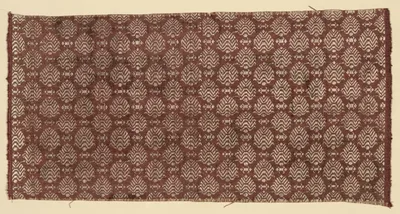
  • Fragment by Italy, 1650/1700

    Fragment

    Italy

    ΔE 1.1 · near-exact

    27% of canvas
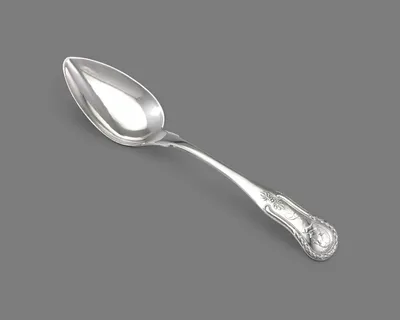
  • Spoon by Artist unknown, c. 1830

    Spoon

    Artist unknown

    ΔE 14.4 · loosely related

    91% of canvas
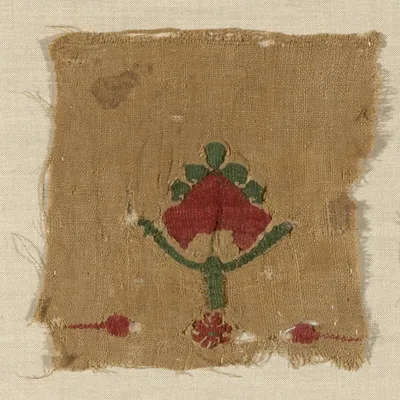
  • Fragment by Egypt, 5th-6th century

    Fragment

    Egypt

    ΔE 8.3 · close

    57% of canvas
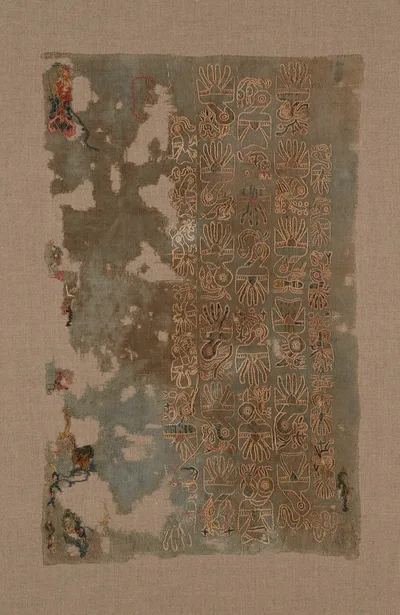
  • Sampler by Nasca, 1 CE-200 CE

    Sampler

    Nasca

    ΔE 5.5 · close

    43% of canvas
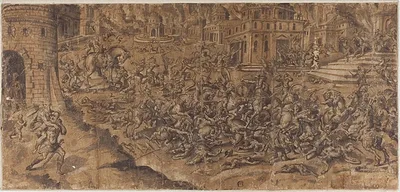
  • Aeneas Leaving the Burning City of Troy by Unknown artist, n.d.

    Aeneas Leaving the Burning City of Troy

    Unknown artist

    ΔE 3.6 · very close

    33% of canvas
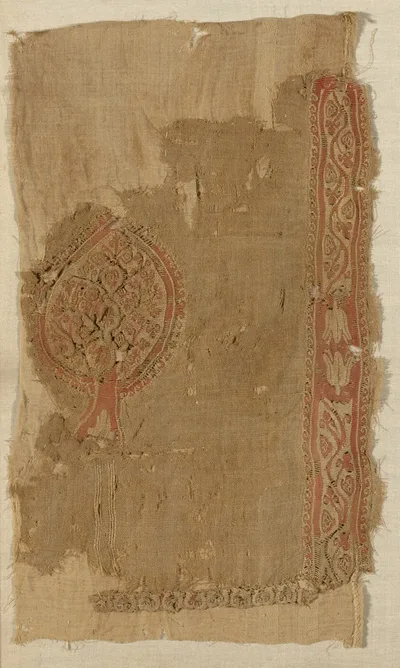
  • Fragment by Egypt, possibly Akhmin, 4th-6th century

    Fragment

    Egypt, possibly Akhmin

    ΔE 7.7 · close

    45% of canvas
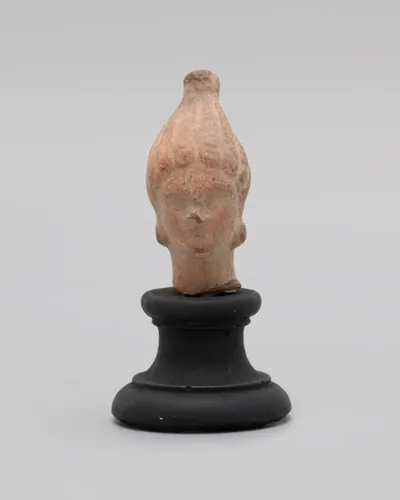
  • Head of a Woman by Ancient Greek, 4th-3rd century BCE

    Head of a Woman

    Ancient Greek

    ΔE 0.1 · near-exact

    5% of canvas
  • Border by Italy, Early 17th century

    Border

    Italy

    ΔE 2.5 · very close

    18% of canvas
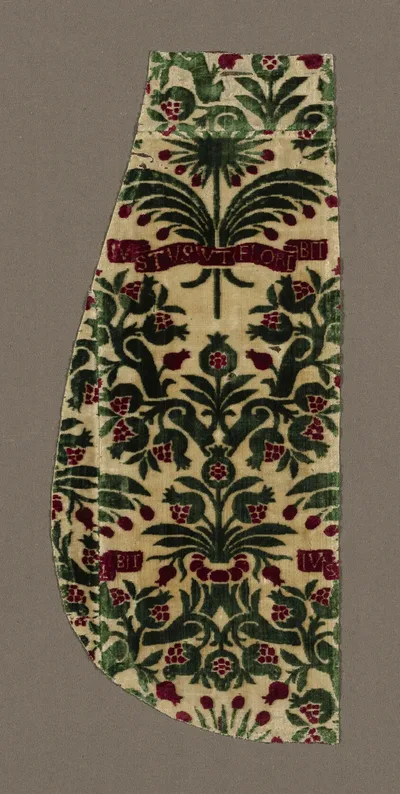
  • Portion of a Chasuble by Probably made for Piero Soderini (1452–1522), 1450-1500

    Portion of a Chasuble

    Probably made for Piero Soderini (1452–1522)

    ΔE 9.0 · close

    49% of canvas
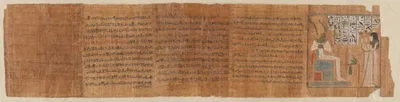
  • Funerary Papyrus of Tayuhenutmut by Ancient Egyptian, Third Intermediate Period, probably Dynasty 21 (about 1069-945 BCE)

    Funerary Papyrus of Tayuhenutmut

    Ancient Egyptian

    ΔE 7.0 · close

    39% of canvas
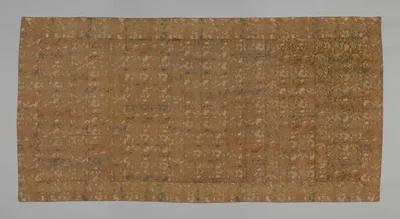
  • Kesa by Japan, Edo period (1615–1868), 18th century

    Kesa

    Japan

    ΔE 6.5 · close

    35% of canvas
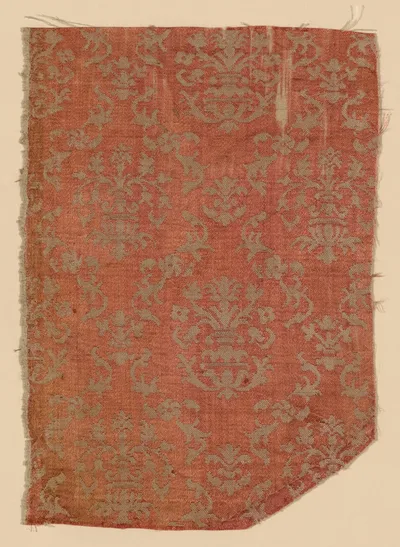
  • Fragment by Italy, 1625/50

    Fragment

    Italy

    ΔE 3.6 · very close

    20% of canvas
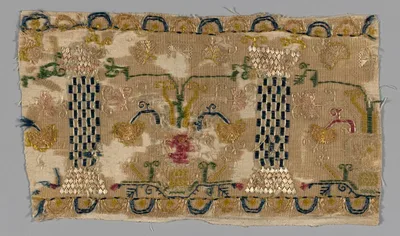
  • Fragment by Italy, 17th century

    Fragment

    Italy

    ΔE 7.9 · close

    41% of canvas
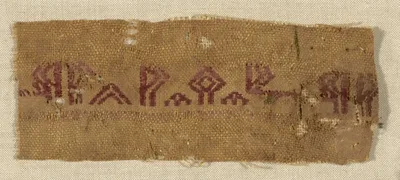
  • Fragment by Egypt, Fatimid period (969–1171)

    Fragment

    Egypt

    ΔE 8.4 · close

    43% of canvas
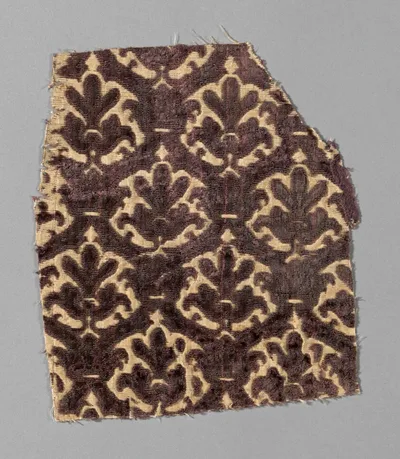
  • Velvet by Italy, 1600/50

    Velvet

    Italy

    ΔE 2.1 · very close

    11% of canvas
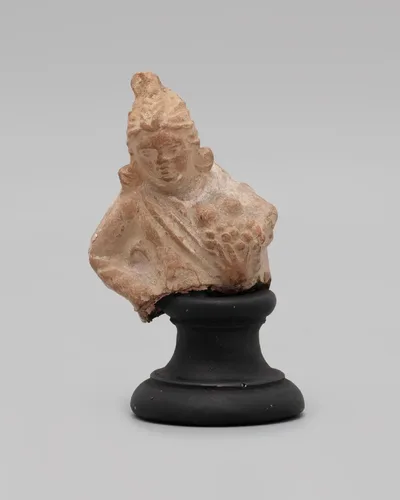
  • Torso of a Child by Ancient Greek, 2nd-1st century BCE

    Torso of a Child

    Ancient Greek

    ΔE 1.7 · near-exact

    8% of canvas
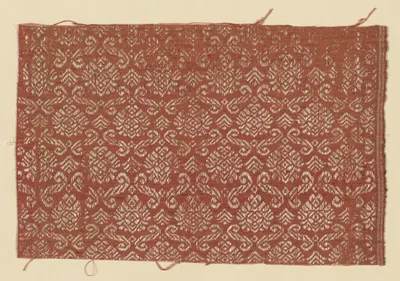
  • Fragment by Italy, 1650 / 1700

    Fragment

    Italy

    ΔE 5.6 · close

    27% of canvas
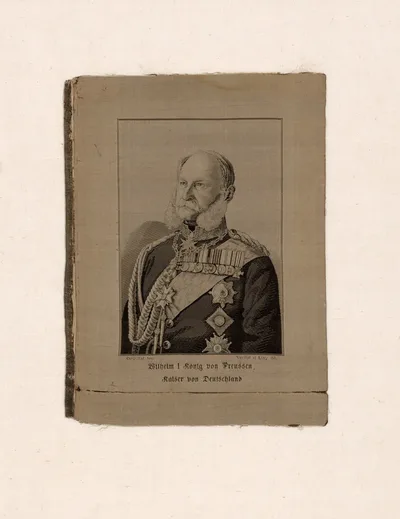
  • Portrait of Wilhelm I, King of Prussia, Emperor of Germany (1797–1888) by François Carquillat, 19th century

    Portrait of Wilhelm I, King of Prussia, Emperor of Germany (1797–1888)

    François Carquillat

    ΔE 6.7 · close

    33% of canvas
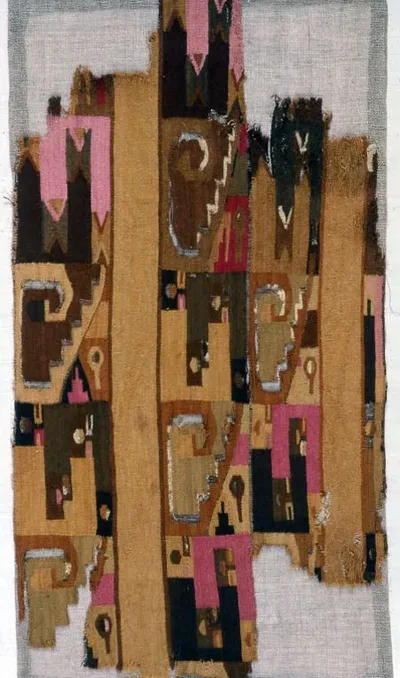
  • Fragment (From a Tunic) by Wari, 600 CE-800 CE

    Fragment (From a Tunic)

    Wari

    ΔE 8.8 · close

    43% of canvas
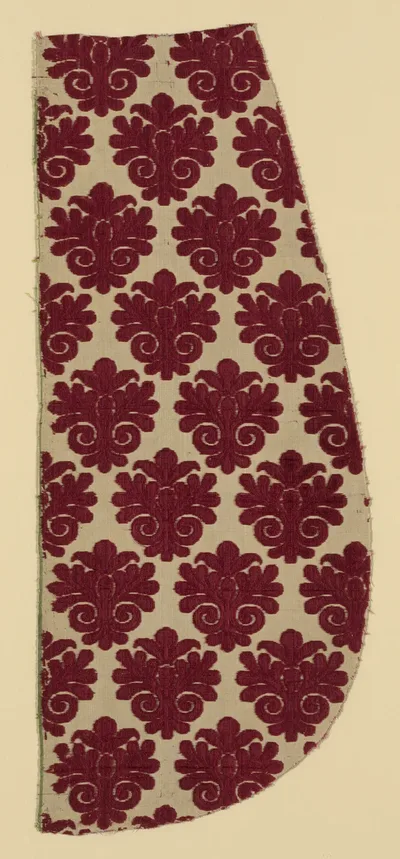
  • Fragment (From a Chasuble) by Italy, 1601/50

    Fragment (From a Chasuble)

    Italy

    ΔE 2.1 · very close

    9% of canvas
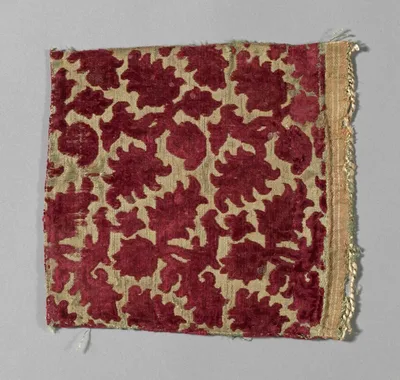
  • Fragment by Italy, 1601/25

    Fragment

    Italy

    ΔE 2.2 · very close

    9% of canvas
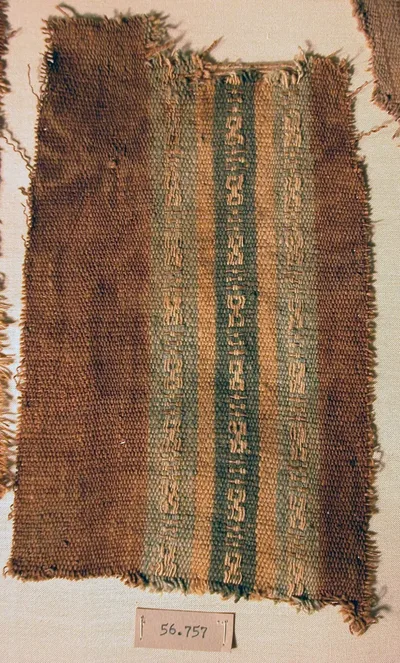
  • Fragment by Peru, north coast, Culebra Valley, La Capilla, 1000-1476

    Fragment

    Peru, north coast, Culebra Valley, La Capilla

    ΔE 5.6 · close

    26% of canvas
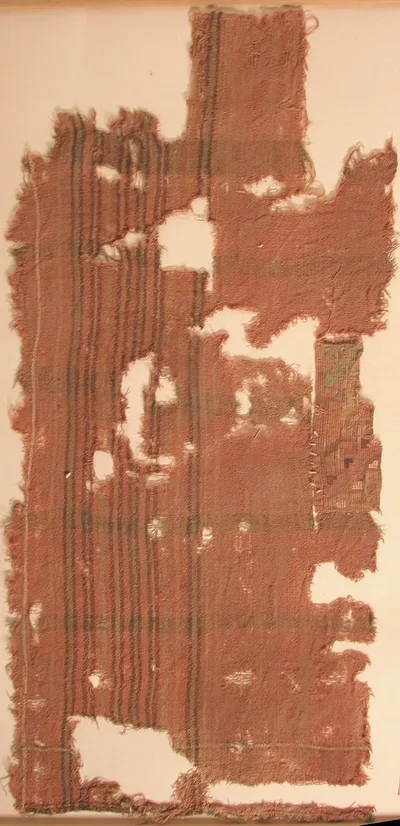
  • Fragment by Peru, north coast, Culebra Valley, La Capilla, 1000-1476

    Fragment

    Peru, north coast, Culebra Valley, La Capilla

    ΔE 9.2 · close

    43% of canvas
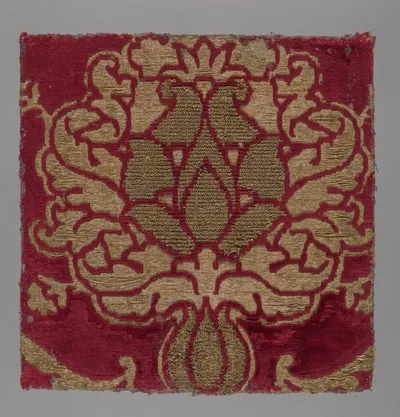
  • Fragment of Velvet by Italy, Mid-15th-early 16th century

    Fragment of Velvet

    Italy

    ΔE 4.1 · very close

    17% of canvas

  • Border by Italy, 1601/25

    Border

    Italy

    ΔE 4.0 · very close

    16% of canvas
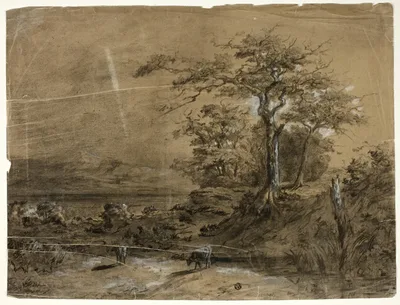
  • Wooded Landscape with Cows in Foreground by Unknown, n.d.

    Wooded Landscape with Cows in Foreground

    Unknown

    ΔE 9.4 · close

    43% of canvas
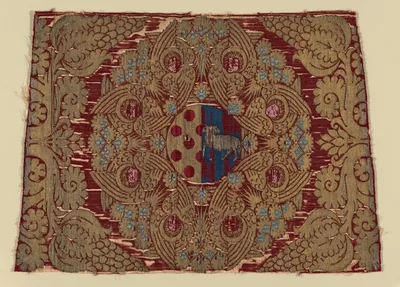
  • Fragment (From a Vestment) by Italy, Florence, 15th century

    Fragment (From a Vestment)

    Italy, Florence

    ΔE 6.6 · close

    29% of canvas
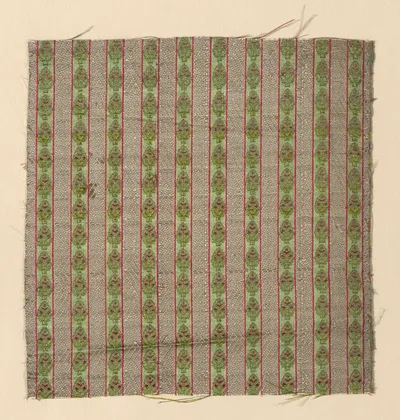
  • Fragment by India, 19th century

    Fragment

    India

    ΔE 4.4 · very close

    17% of canvas
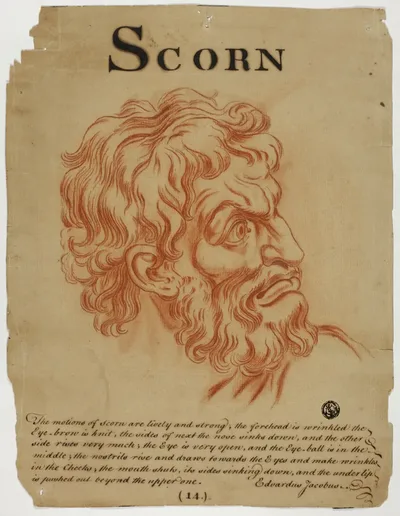
  • Scorn by Eduardus Jacobus, after 1698

    Scorn

    Eduardus Jacobus

    ΔE 15.2 · loosely related

    71% of canvas
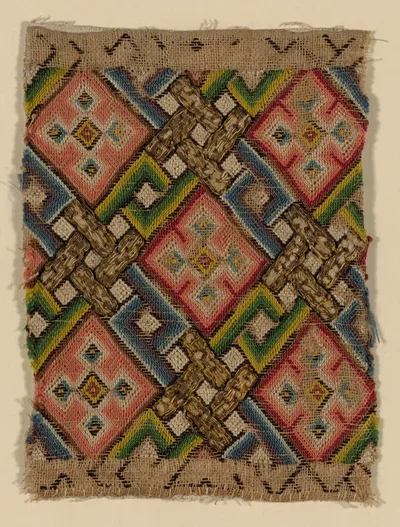
  • Fragment by Italy, 17th century

    Fragment

    Italy

    ΔE 7.1 · close

    30% of canvas
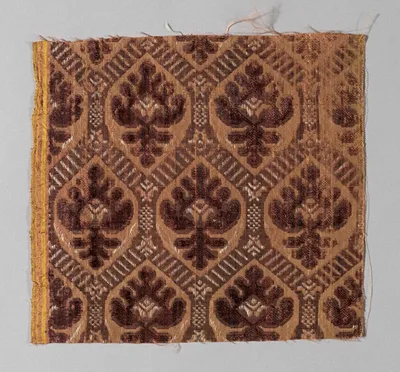
  • Fragment by Italy, 1625/75

    Fragment

    Italy

    ΔE 6.0 · close

    24% of canvas
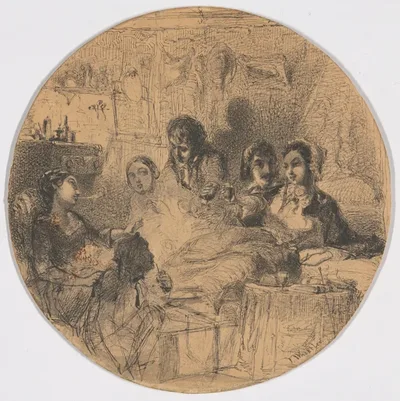
  • Scene from Bohemian Life by James McNeill Whistler, 1855/57

    Scene from Bohemian Life

    James McNeill Whistler

    ΔE 5.8 · close

    23% of canvas
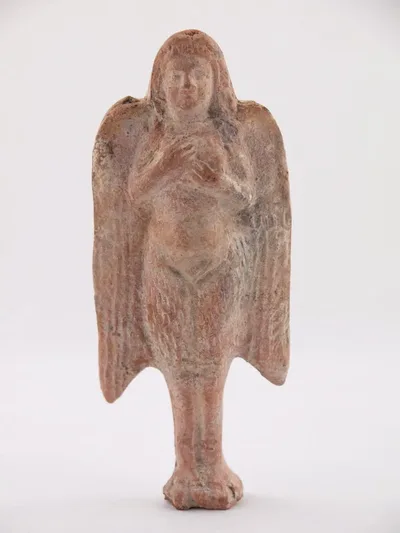
  • Statuette of a Siren by Ancient Greek, 3rd-1st century BCE

    Statuette of a Siren

    Ancient Greek

    ΔE 4.2 · very close

    15% of canvas
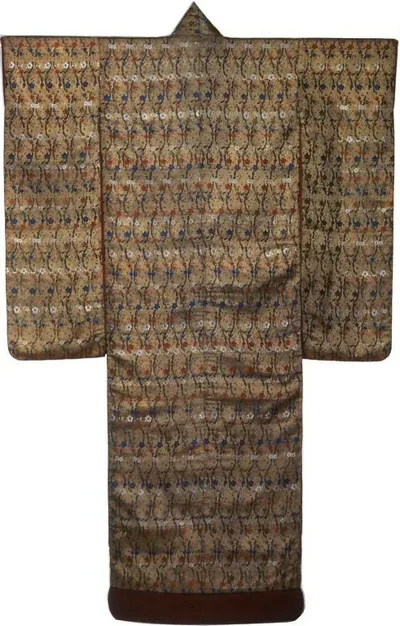
  • Furisode by Japan, 18th century, late Edo period (1789–1868)

    Furisode

    Japan

    ΔE 6.6 · close

    27% of canvas
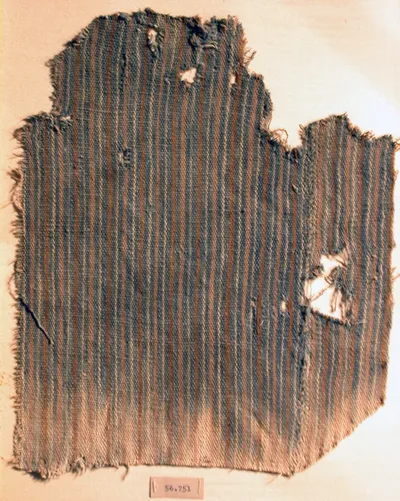
  • Fragment by Peru, north coast, Culebra Valley, La Capilla, 1000-1476

    Fragment

    Peru, north coast, Culebra Valley, La Capilla

    ΔE 5.9 · close

    23% of canvas
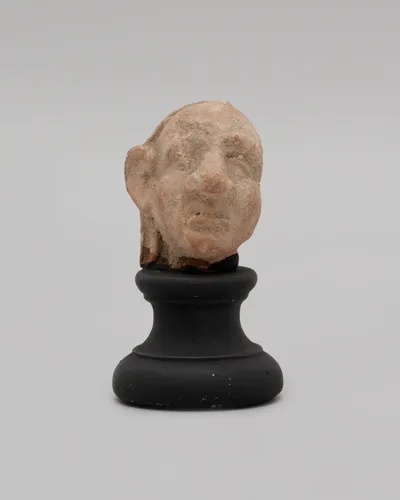
  • Head of a Man by Ancient Greek, 2nd-1st century BCE

    Head of a Man

    Ancient Greek

    ΔE 2.2 · very close

    5% of canvas
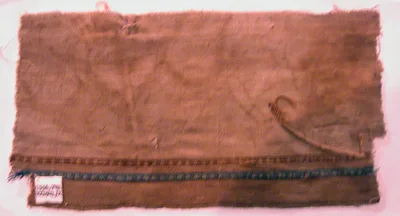
  • Fragment by Peru, north coast, Culebra Vallery, La Capilla, 1000-1476

    Fragment

    Peru, north coast, Culebra Vallery, La Capilla

    ΔE 10.1 · close

    44% of canvas
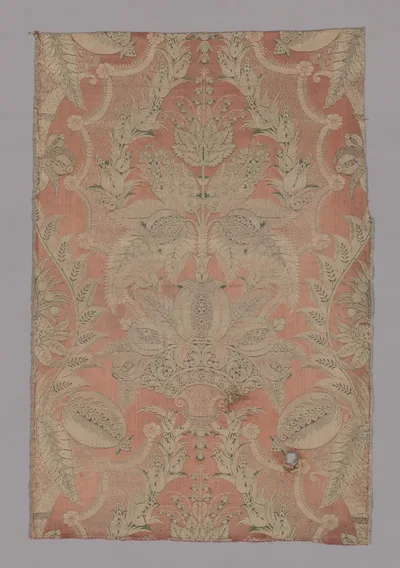
  • Panel by France, c. 1724/27

    Panel

    France

    ΔE 5.4 · close

    20% of canvas
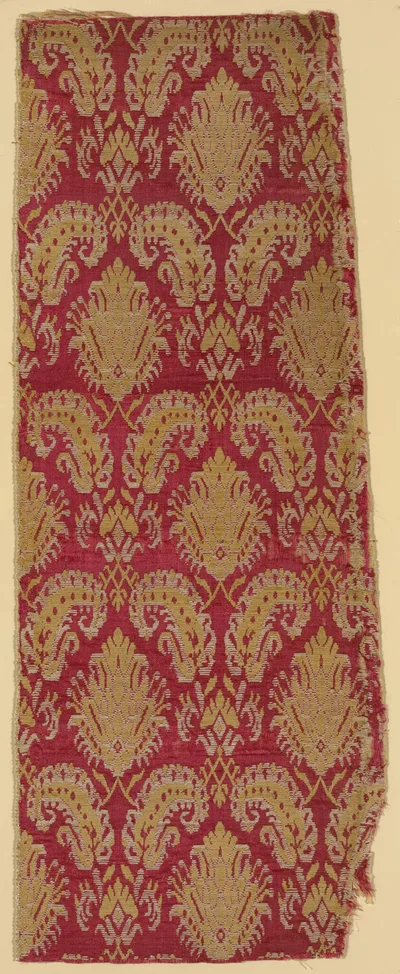
  • Fragment by Europe, 17th century

    Fragment

    Europe

    ΔE 6.0 · close

    22% of canvas
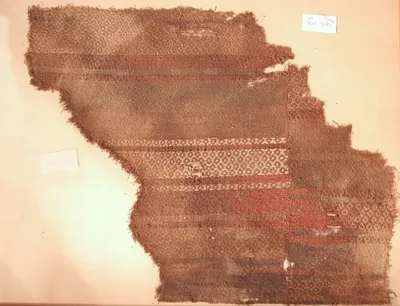
  • Fragment by Peru, north coast, Culebra Valley, La Capilla,, 1000-1476

    Fragment

    Peru, north coast, Culebra Valley, La Capilla,

    ΔE 8.0 · close

    32% of canvas
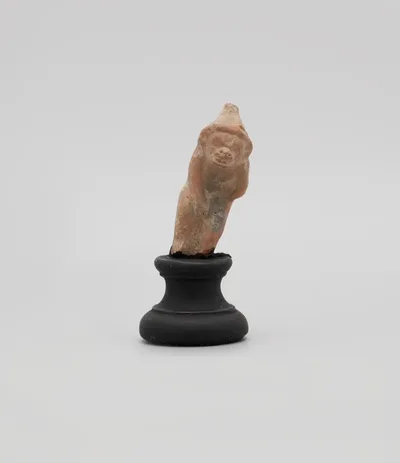
  • Statuette of a Monkey by Ancient Greek, about 2nd-1st century BCE

    Statuette of a Monkey

    Ancient Greek

    ΔE 2.3 · very close

    4% of canvas
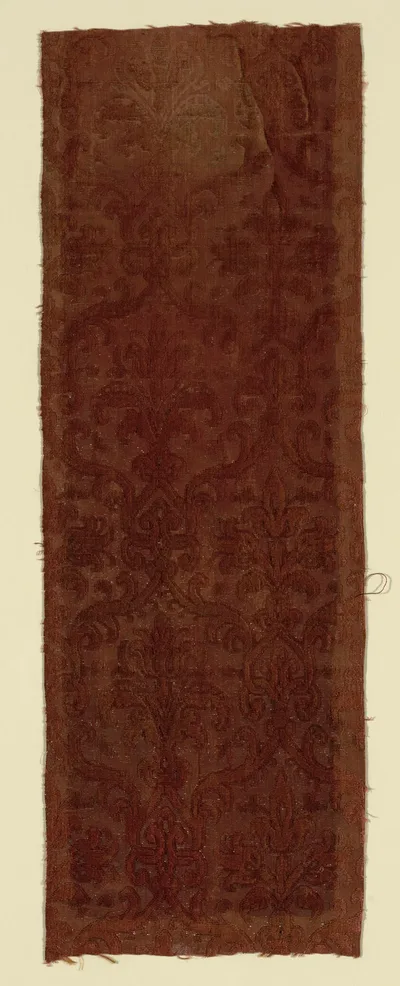
  • Fragment by Italy, c. 1600

    Fragment

    Italy

    ΔE 2.1 · very close

    3% of canvas
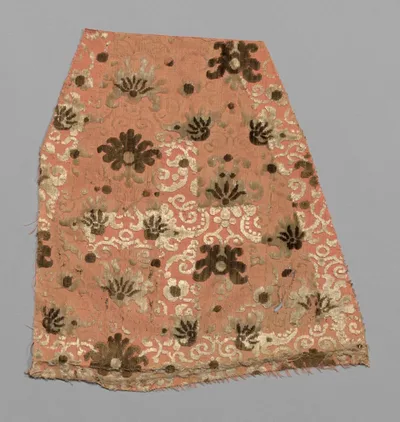
  • Fragment (Dress Fabric) by Italy, 16th/17th century

    Fragment (Dress Fabric)

    Italy

    ΔE 3.9 · very close

    11% of canvas
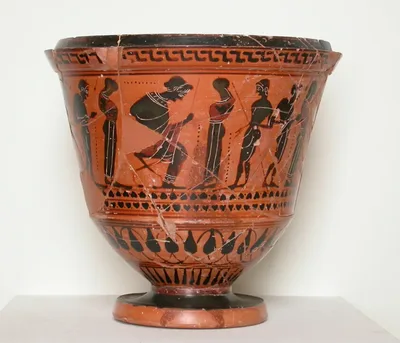
  • Pyxis (Container for Personal Objects) by Ancient Greek, late 6th century BCE

    Pyxis (Container for Personal Objects)

    Ancient Greek

    ΔE 3.4 · very close

    9% of canvas
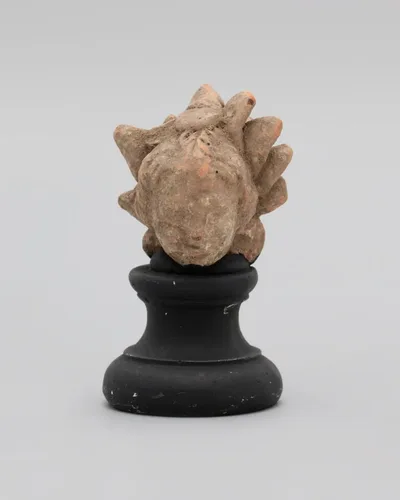
  • Head of a Child by Ancient Greek, 2nd-1st century BCE

    Head of a Child

    Ancient Greek

    ΔE 3.7 · very close

    10% of canvas
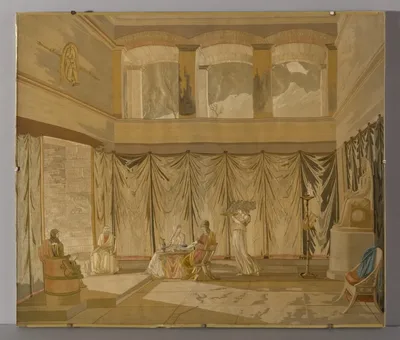
  • L'Hiver (Winter) by Pierre Antoine Mongin, Early 19th century

    L'Hiver (Winter)

    Pierre Antoine Mongin

    ΔE 9.8 · close

    41% of canvas
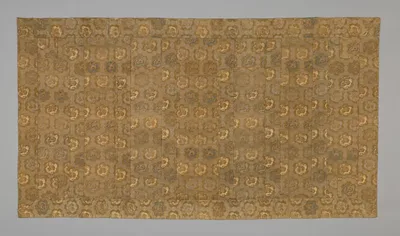
  • Kesa by Japan, late Edo period (1615–1868), late 18th century

    Kesa

    Japan

    ΔE 8.3 · close

    33% of canvas
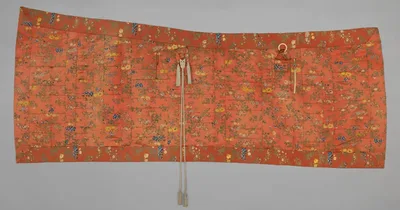
  • Kesa by Japan, Early 19th century, Late Edo period (1789–1868)

    Kesa

    Japan

    ΔE 2.5 · very close

    4% of canvas
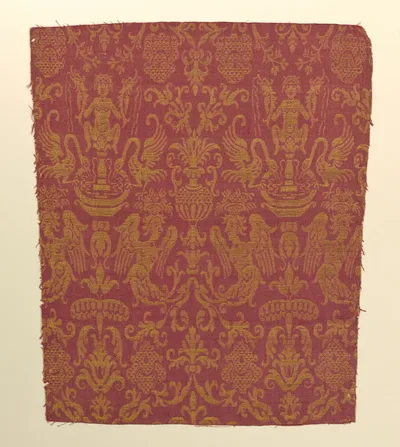
  • Fragment by Italy, 17th century

    Fragment

    Italy

    ΔE 9.1 · close

    37% of canvas
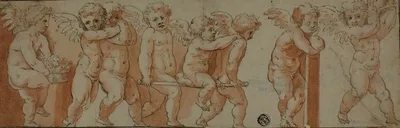
  • Frieze with Eight Putti by Polidoro da Caravaggio, n.d.

    Frieze with Eight Putti

    Polidoro da Caravaggio

    ΔE 7.9 · close

    30% of canvas
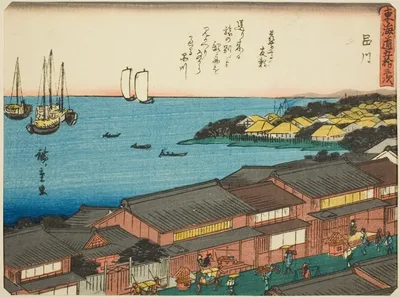
  • Shinagawa, from the series "Fifty-three Stations of the Tokaido (Tokaido gojusan tsugi)," also known as the Tokaido with Poem (Kyoka iri Tokaido) by Utagawa Hiroshige, c. 1837/42

    Shinagawa, from the series "Fifty-three Stations of the Tokaido (Tokaido gojusan tsugi)," also known as the Tokaido with Poem (Kyoka iri Tokaido)

    Utagawa Hiroshige

    ΔE 4.2 · very close

    12% of canvas
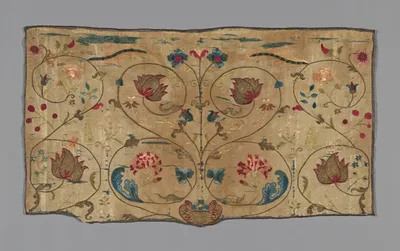
  • Fragment by France, 17th century

    Fragment

    France

    ΔE 6.7 · close

    24% of canvas
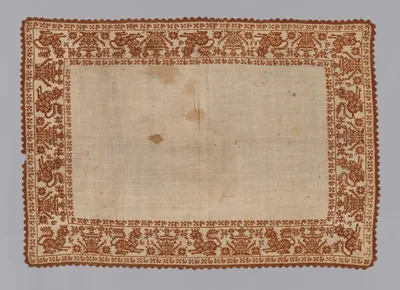
  • Cover by Italy, 1601/50

    Cover

    Italy

    ΔE 6.3 · close

    22% of canvas
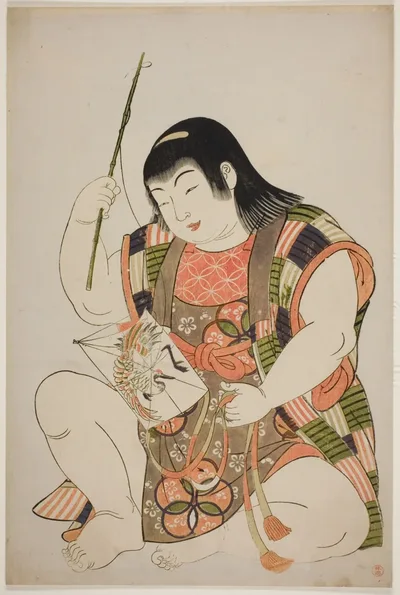
  • Boy as Hotei, from an untitled series of children as the Seven Gods of Good Fortune by Kitao Shigemasa, 1780s

    Boy as Hotei, from an untitled series of children as the Seven Gods of Good Fortune

    Kitao Shigemasa

    ΔE 5.4 · close

    17% of canvas
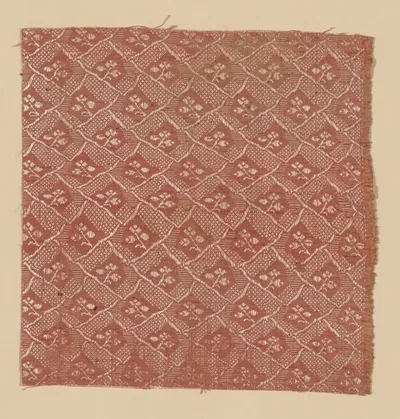
  • Fragment by Europe, 19th century

    Fragment

    Europe

    ΔE 7.9 · close

    29% of canvas
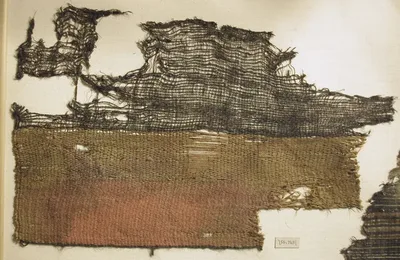
  • Fragment by Peru, north coast, Culebra Vallery, La Capilla, 1000-1476

    Fragment

    Peru, north coast, Culebra Vallery, La Capilla

    ΔE 8.3 · close

    31% of canvas
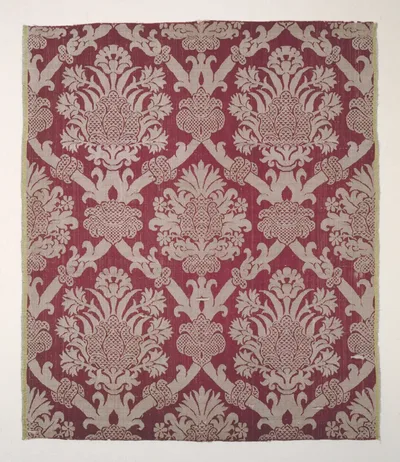
  • Panel by Italy, 16th century

    Panel

    Italy

    ΔE 8.4 · close

    31% of canvas
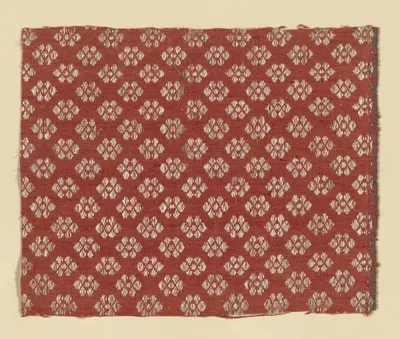
  • Fragment by Italy, 1650/1700

    Fragment

    Italy

    ΔE 6.5 · close

    21% of canvas
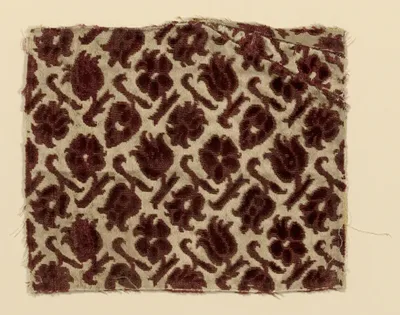
  • Fragment by Italy, 1600/25

    Fragment

    Italy

    ΔE 4.9 · very close

    13% of canvas
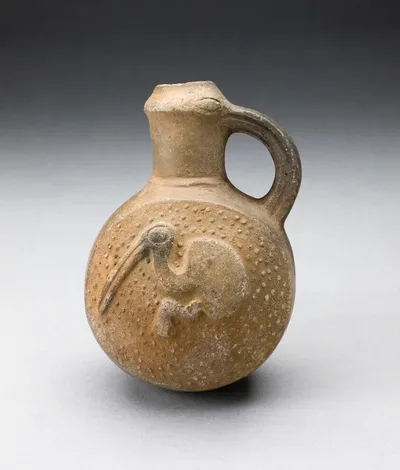
  • Handled Brownware Jug with Bird Impressed on Side by Chimú, 1000–1400

    Handled Brownware Jug with Bird Impressed on Side

    Chimú

    ΔE 6.2 · close

    20% of canvas

What ΔE means, and what this does not measure