Skip to content
Chroma
#7c828a

Ranked by perceptual distance

Works near #7c828a

Ranked by CIEDE2000 distance to each work’s nearest palette entry, weighted by how much of the canvas that colour covers. Each result shows the real perceptual distance and that coverage, not the blended score that produced the order.

Pick a different colour

Drag the ring or use the arrow keys. Every result is ranked by how close it is in CIELAB, weighted by how much of the canvas the colour covers.

Closest first

60 of 1,497 works
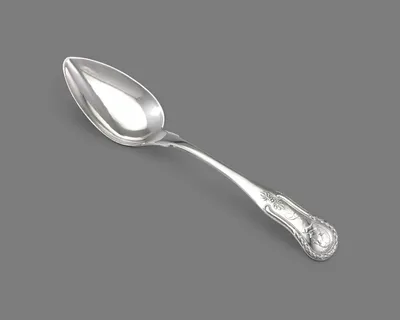
  • Spoon by Artist unknown, c. 1830

    Spoon

    Artist unknown

    ΔE 5.1 · close

    91% of canvas
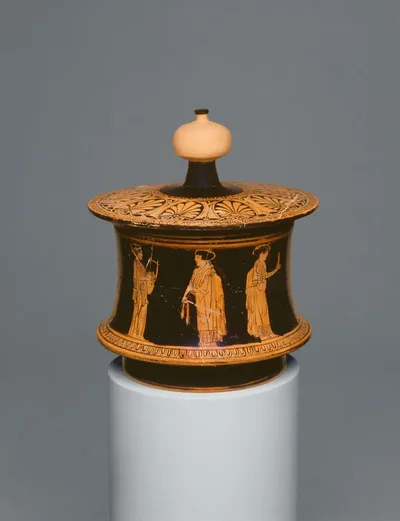
  • Pyxis (Container for Personal Objects) by Ancient Greek, 430-420 BCE

    Pyxis (Container for Personal Objects)

    Ancient Greek

    ΔE 5.8 · close

    70% of canvas
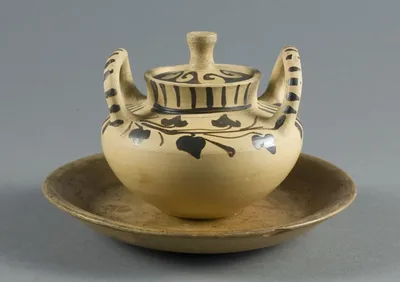
  • Miniature Pyxis (Container for Personal Objects) by Ancient Greek, 300-270 BCE

    Miniature Pyxis (Container for Personal Objects)

    Ancient Greek

    ΔE 4.6 · very close

    52% of canvas
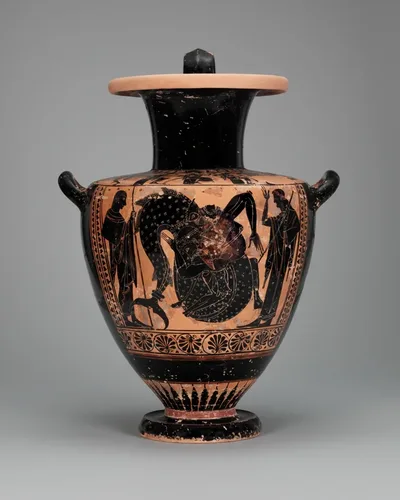
  • Hydria (Water Jar) by Ancient Greek, about 515-500 BCE

    Hydria (Water Jar)

    Ancient Greek

    ΔE 6.3 · close

    58% of canvas
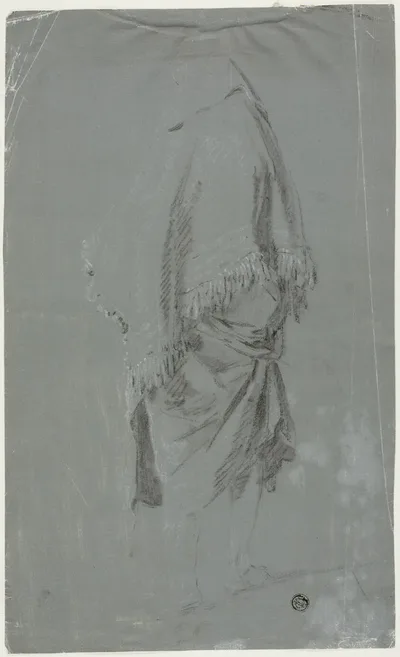
  • Shawled Woman Seen from the Back by Pierre-Jacques Volaire, n.d.

    Shawled Woman Seen from the Back

    Pierre-Jacques Volaire

    ΔE 8.2 · close

    63% of canvas
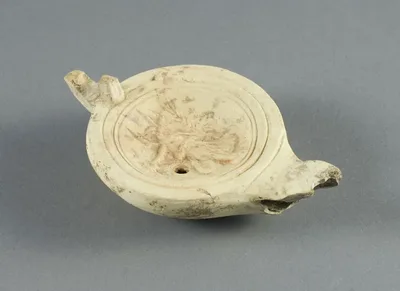
  • Lamp by Ancient Roman, 2nd-3rd century

    Lamp

    Ancient Roman

    ΔE 6.1 · close

    48% of canvas
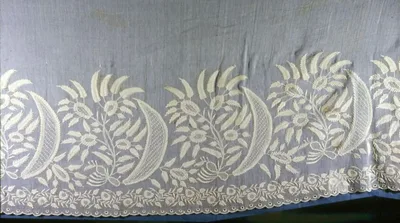
  • Fragment (Bottom of Skirt) by France, 1810

    Fragment (Bottom of Skirt)

    France

    ΔE 3.9 · very close

    35% of canvas
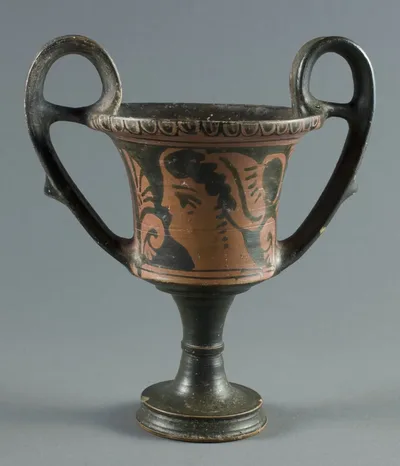
  • Kantharos (Wine Cup) by Kantharos Group, about 300 BCE

    Kantharos (Wine Cup)

    Kantharos Group

    ΔE 3.8 · very close

    34% of canvas
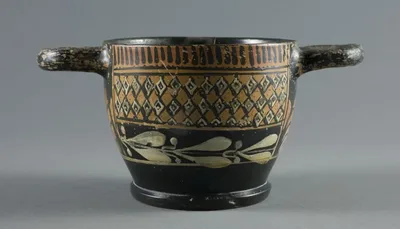
  • Skyphos (Drinking Cup) by Ancient Greek, 450-400 BCE

    Skyphos (Drinking Cup)

    Ancient Greek

    ΔE 3.2 · very close

    30% of canvas
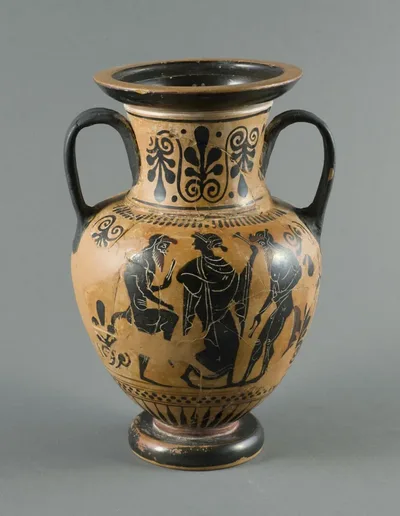
  • Amphora (Storage Jar) by Michigan Painter, 490-480 BCE

    Amphora (Storage Jar)

    Michigan Painter

    ΔE 8.2 · close

    55% of canvas
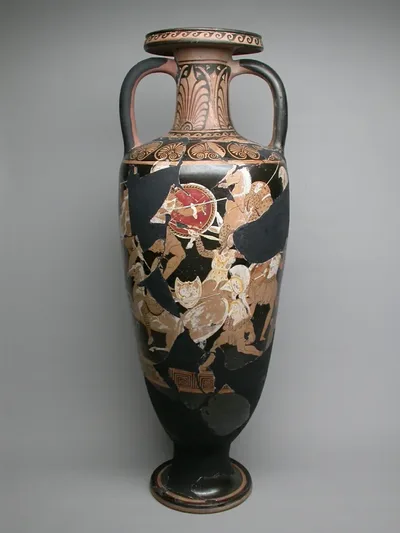
  • Amphora (Storage Jar) by Ixion Painter, 340-330 BCE

    Amphora (Storage Jar)

    Ixion Painter

    ΔE 5.2 · close

    39% of canvas
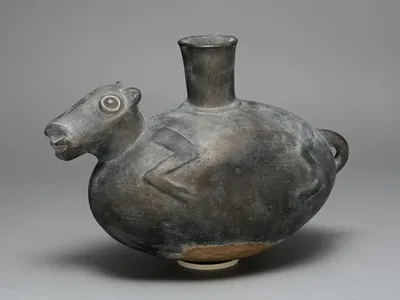
  • Blackware Vessel in the Form of a Llama by Chimú, 1200–1450

    Blackware Vessel in the Form of a Llama

    Chimú

    ΔE 7.0 · close

    47% of canvas
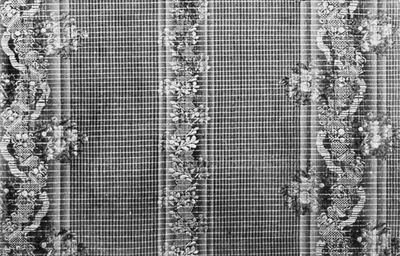
  • Fragment by France, Louis XVI period, 1774–1792, late 18th century

    Fragment

    France

    ΔE 4.9 · very close

    35% of canvas
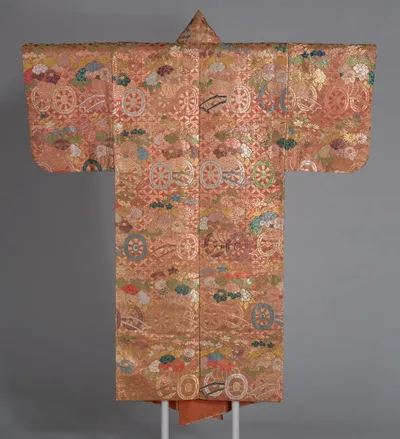
  • Atsuita karaori (Noh Costume) by Japan, late Edo period (1789–1868), 1801/25

    Atsuita karaori (Noh Costume)

    Japan

    ΔE 8.6 · close

    52% of canvas
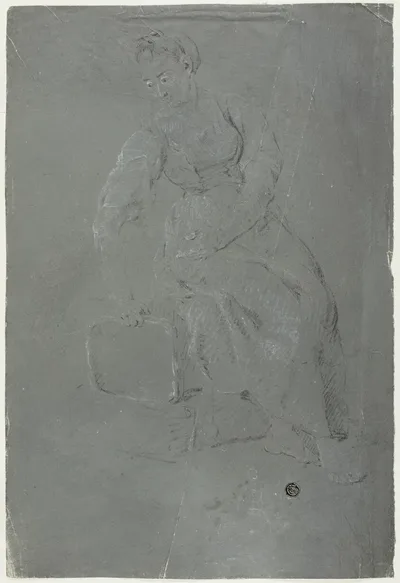
  • Seated Woman by Pierre-Jacques Volaire, n.d.

    Seated Woman

    Pierre-Jacques Volaire

    ΔE 7.4 · close

    46% of canvas
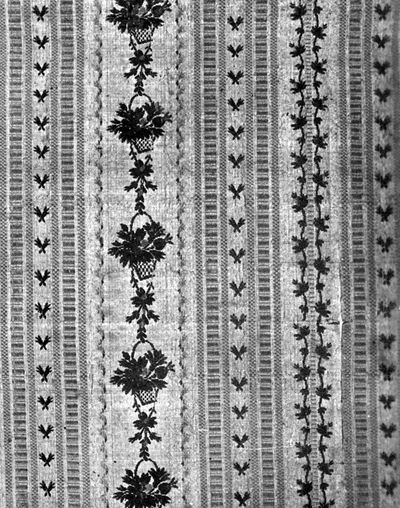
  • Fragment by France, Louis XVI period, 1774–1792, late 18th century

    Fragment

    France

    ΔE 4.6 · very close

    31% of canvas
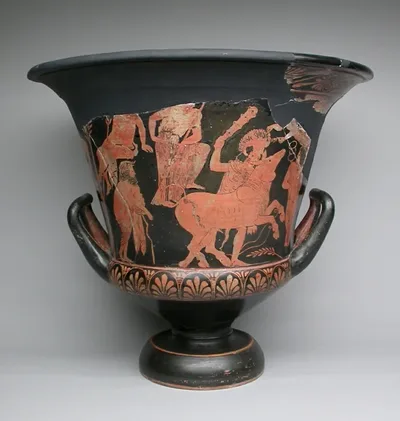
  • Calyx Krater (Mixing Bowl) by Perugia Painter, about 400-380 BCE

    Calyx Krater (Mixing Bowl)

    Perugia Painter

    ΔE 4.8 · very close

    31% of canvas
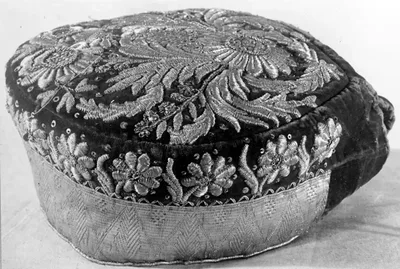
  • Cap by Russia, 19th century

    Cap

    Russia

    ΔE 4.6 · very close

    30% of canvas
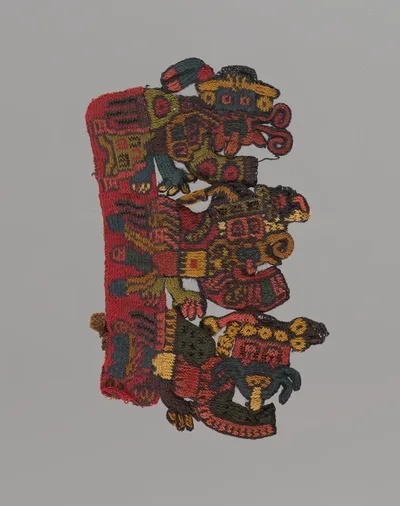
  • Fragment of a Decorative Border by Nasca, 100 BCE-200 CE

    Fragment of a Decorative Border

    Nasca

    ΔE 12.1 · loosely related

    67% of canvas
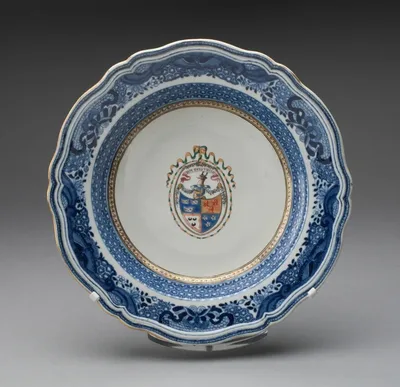
  • Soup Plate by China, c. 1780

    Soup Plate

    China

    ΔE 2.9 · very close

    21% of canvas
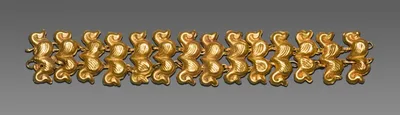
  • Fragment of a Necklace by Ancient Roman, 3rd century

    Fragment of a Necklace

    Ancient Roman

    ΔE 4.6 · very close

    30% of canvas
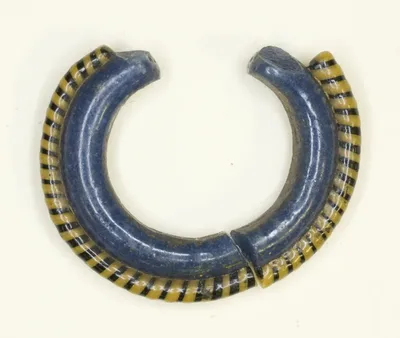
  • Earring by Ancient Egyptian, New Kingdom, mid- to late Dynasty 18, about 1400–1295 BCE

    Earring

    Ancient Egyptian

    ΔE 0.2 · near-exact

    7% of canvas
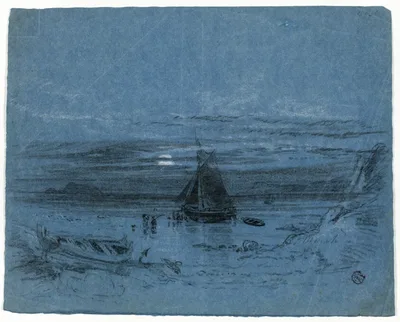
  • Moonlight on Bay by B. Murch, c. 1800

    Moonlight on Bay

    B. Murch

    ΔE 10.1 · close

    56% of canvas
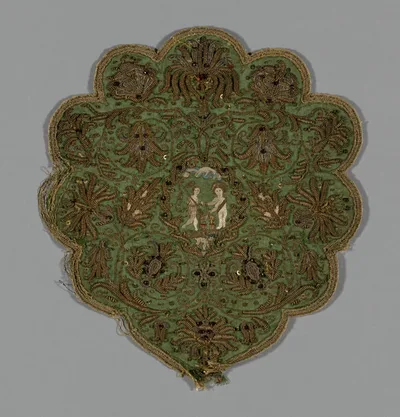
  • Medallion by Italy, 17th century

    Medallion

    Italy

    ΔE 8.7 · close

    48% of canvas
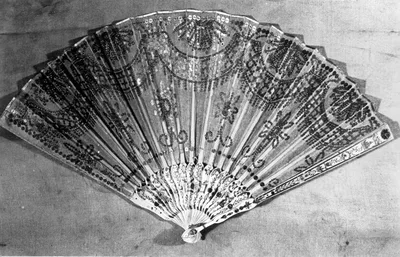
  • Fan by France, Empire period, 19th century

    Fan

    France

    ΔE 5.0 · very close

    29% of canvas
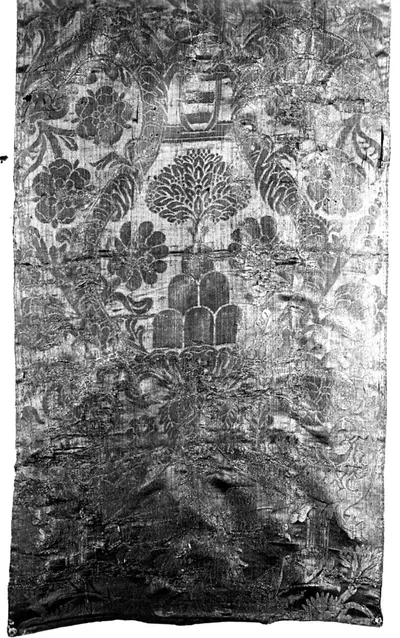
  • Panel by Italy, Late 17th century

    Panel

    Italy

    ΔE 4.6 · very close

    27% of canvas
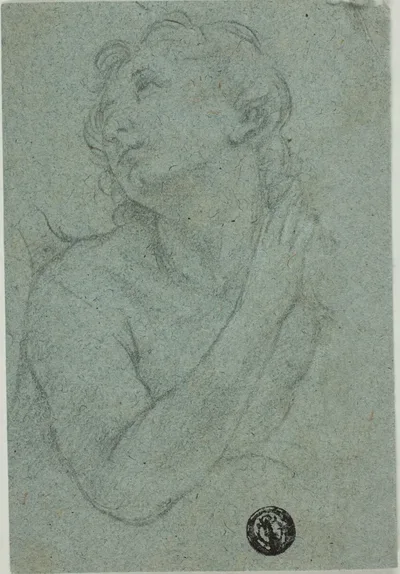
  • Half-Length Praying Figure by Style of Carlo Cignani, n.d.

    Half-Length Praying Figure

    Style of Carlo Cignani

    ΔE 13.3 · loosely related

    70% of canvas
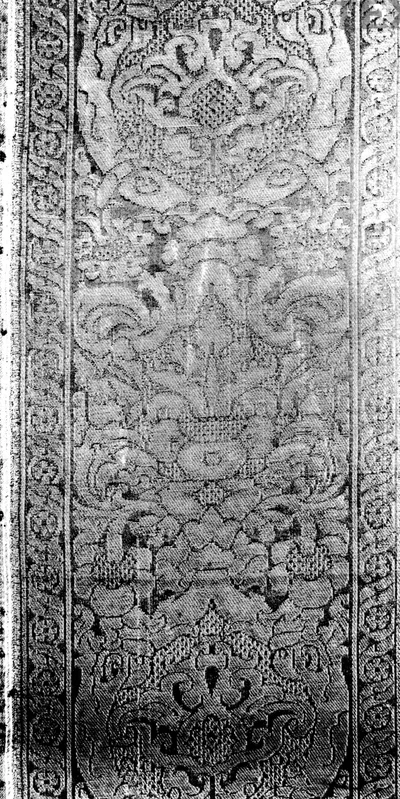
  • Orphrey by Spain or Italy, 16th century

    Orphrey

    Spain or Italy

    ΔE 4.8 · very close

    27% of canvas
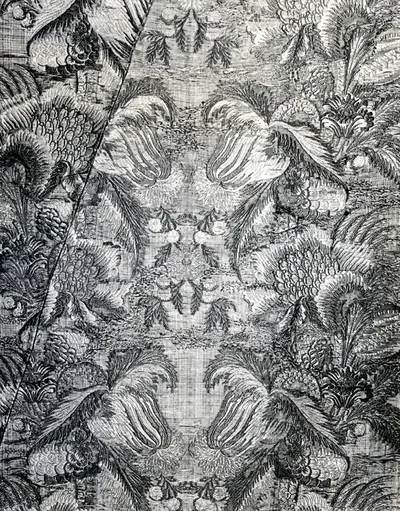
  • Panel by France, 1732/34

    Panel

    France

    ΔE 4.8 · very close

    27% of canvas
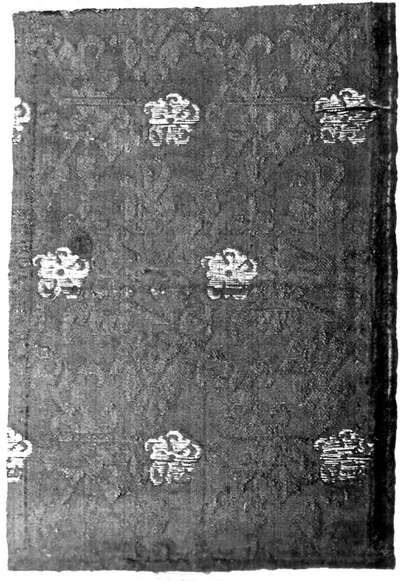
  • Fragment by Spain, Early 17th century

    Fragment

    Spain

    ΔE 6.7 · close

    36% of canvas
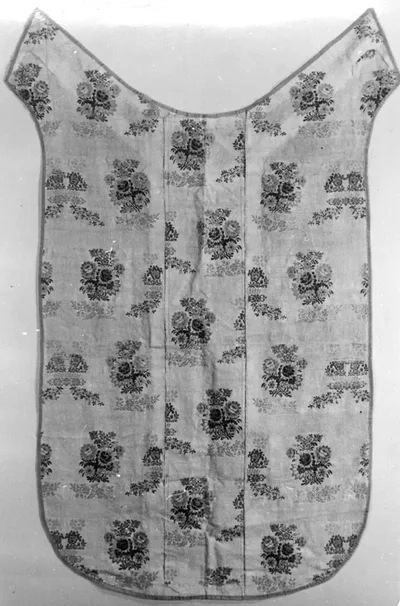
  • Fragment (Possibly Chausable) by France, 1775/1800

    Fragment (Possibly Chausable)

    France

    ΔE 4.7 · very close

    26% of canvas
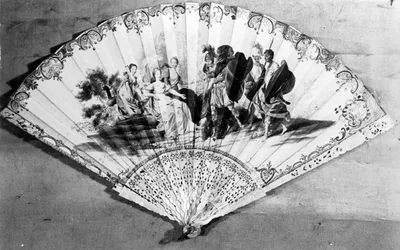
  • Fan by France, 18th century, Louis XVI period (1774–1793)

    Fan

    France

    ΔE 4.6 · very close

    25% of canvas
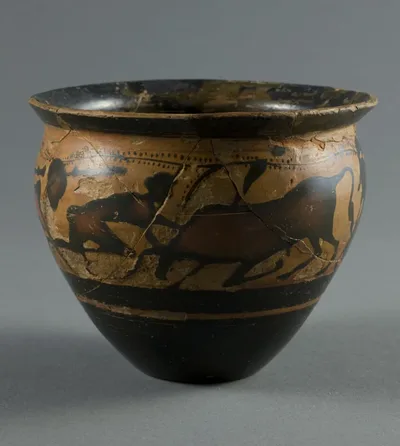
  • Mastoid (Drinking Cup) by Ancient Greek, 500-480 BCE

    Mastoid (Drinking Cup)

    Ancient Greek

    ΔE 4.7 · very close

    26% of canvas
  • Border by Switzerland or Germany, 1601/50

    Border

    Switzerland or Germany

    ΔE 8.3 · close

    44% of canvas
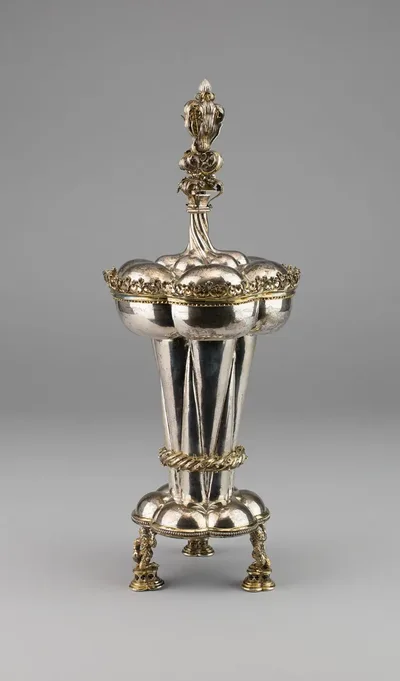
  • Beaker with Cover by German; Nuremburg or Augsburg, c. 1500

    Beaker with Cover

    German; Nuremburg or Augsburg

    ΔE 6.5 · close

    34% of canvas
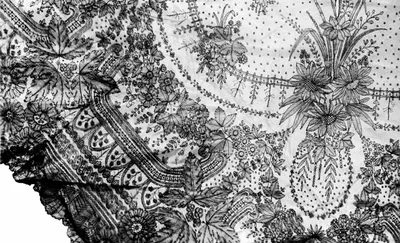
  • Half Shawl by France, probably Bayeux, 1855/65

    Half Shawl

    France, probably Bayeux

    ΔE 5.0 · very close

    27% of canvas
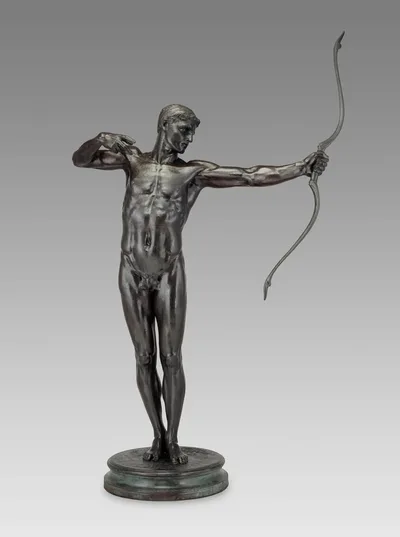
  • Teucer by Hamo Thornycroft, Modeled 1880-81, cast 1891

    Teucer

    Hamo Thornycroft

    ΔE 5.1 · close

    27% of canvas
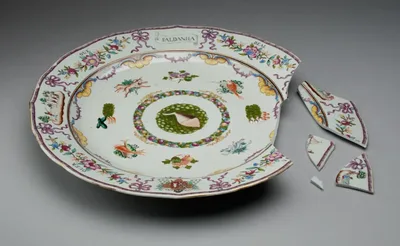
  • Dish by China, c. 1765

    Dish

    China

    ΔE 8.1 · close

    42% of canvas
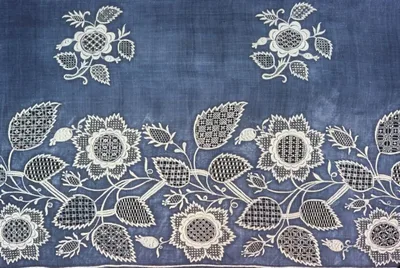
  • Two Panels from a Skirt by Philippines, c. 1830

    Two Panels from a Skirt

    Philippines

    ΔE 4.4 · very close

    23% of canvas
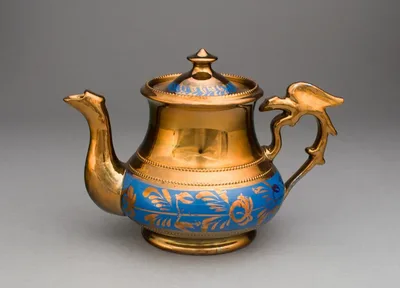
  • Teapot by England, Staffordshire, c. 1820

    Teapot

    England, Staffordshire

    ΔE 9.0 · close

    46% of canvas
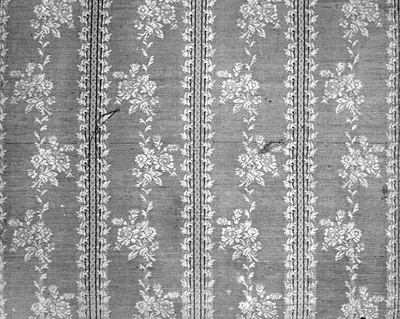
  • Panel by France, 1750/1800

    Panel

    France

    ΔE 5.1 · close

    26% of canvas
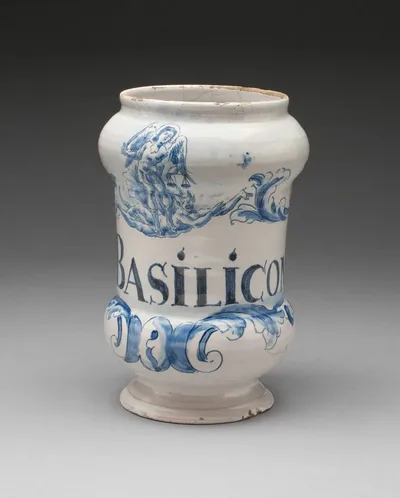
  • Pharmacy Jar by Italy, probably Savona, c. 1740

    Pharmacy Jar

    Italy, probably Savona

    ΔE 2.6 · very close

    13% of canvas
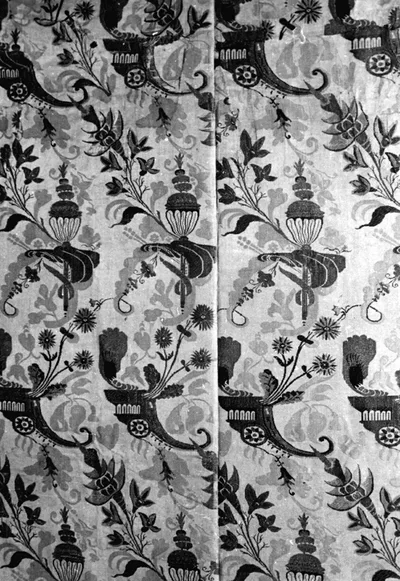
  • Panel by England or France, c. 1707

    Panel

    England or France

    ΔE 4.6 · very close

    23% of canvas
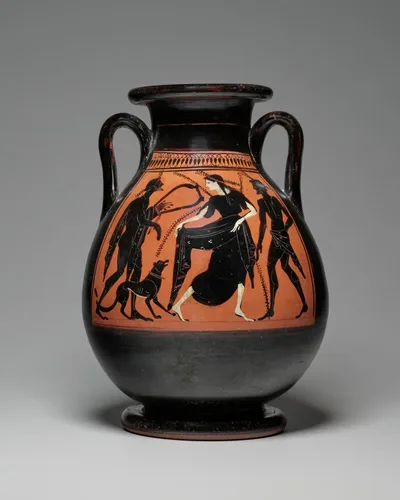
  • Pelike (Storage Jar) by Ancient Greek, about 510-500 BCE

    Pelike (Storage Jar)

    Ancient Greek

    ΔE 6.0 · close

    29% of canvas
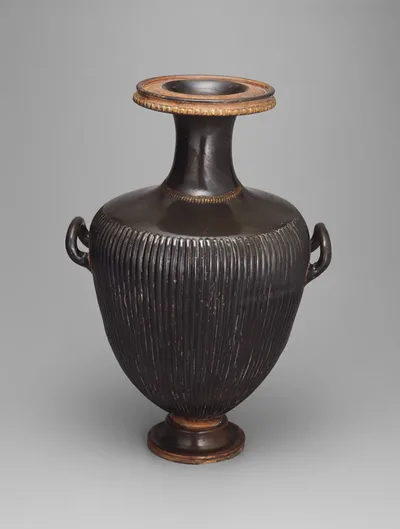
  • Hydria (Water Jar) by Ancient Greek, 350-330 BCE

    Hydria (Water Jar)

    Ancient Greek

    ΔE 12.0 · close

    59% of canvas
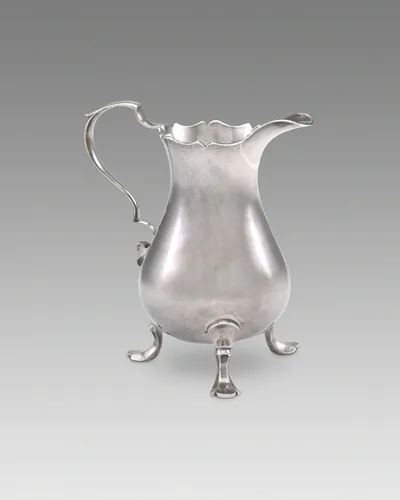
  • Milk Pot by Nicholas Roosevelt, c. 1750

    Milk Pot

    Nicholas Roosevelt

    ΔE 4.8 · very close

    22% of canvas
  • Fan by France, 18th century, Louis XVI period (1774–1793)

    Fan

    France

    ΔE 5.3 · close

    25% of canvas
  • Fan by France, 1825/75

    Fan

    France

    ΔE 4.8 · very close

    22% of canvas
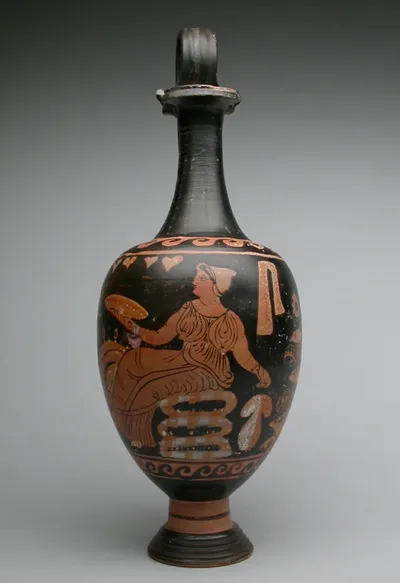
  • Oinochoe (Pitcher) by Mattinata Painter, end of 4th century BCE

    Oinochoe (Pitcher)

    Mattinata Painter

    ΔE 5.6 · close

    26% of canvas
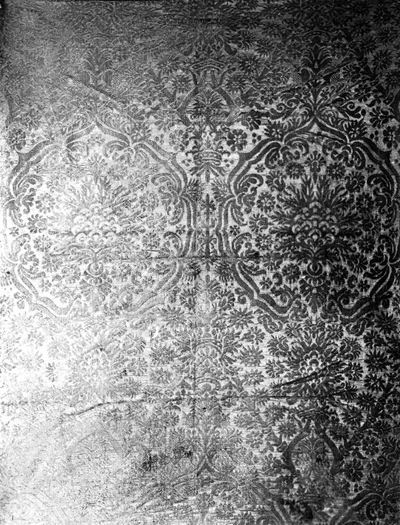
  • Fragment by Italy, Late 15th century

    Fragment

    Italy

    ΔE 4.6 · very close

    21% of canvas
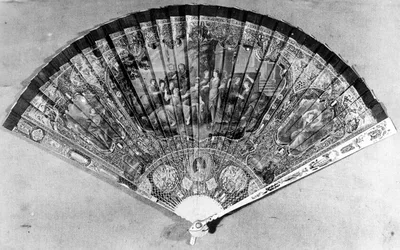
  • Fan (Vernis Martin Type) by France, Louis XV period (1715–1774), 1725–1774

    Fan (Vernis Martin Type)

    France

    ΔE 4.6 · very close

    21% of canvas
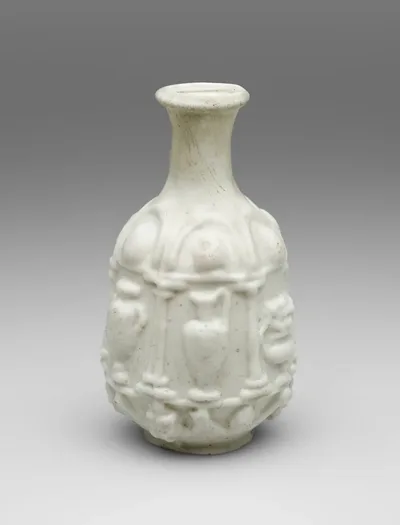
  • Bottle by Ancient Roman, 1st century

    Bottle

    Ancient Roman

    ΔE 7.4 · close

    34% of canvas
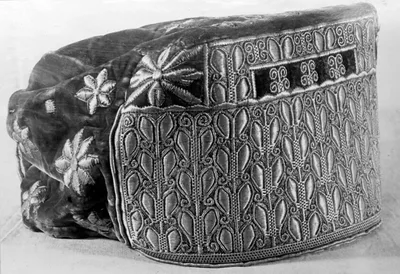
  • Headdress by Russia, 19th century

    Headdress

    Russia

    ΔE 5.4 · close

    24% of canvas
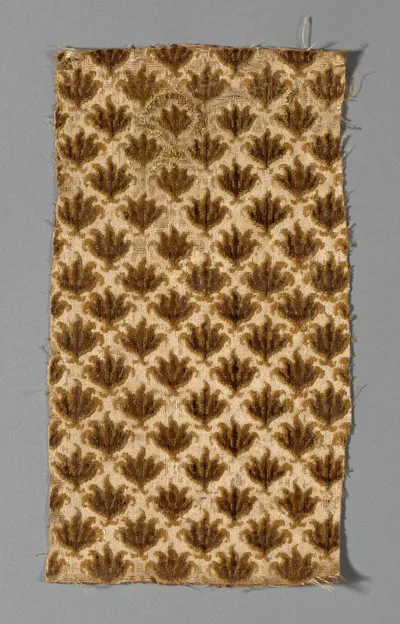
  • Fragment (Dress Fabric) by Possibly Italy, 1650/1700

    Fragment (Dress Fabric)

    Possibly Italy

    ΔE 7.9 · close

    37% of canvas
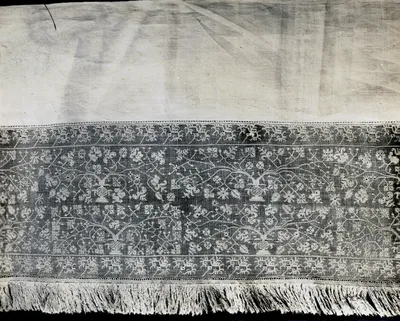
  • Altar Frontal by Italy, 18th century

    Altar Frontal

    Italy

    ΔE 6.0 · close

    27% of canvas
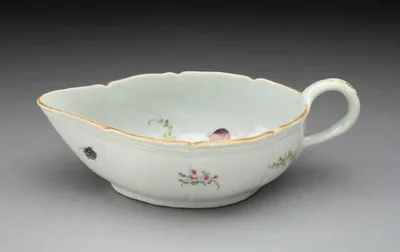
  • Sauceboat by China, c. 1750

    Sauceboat

    China

    ΔE 4.7 · very close

    20% of canvas
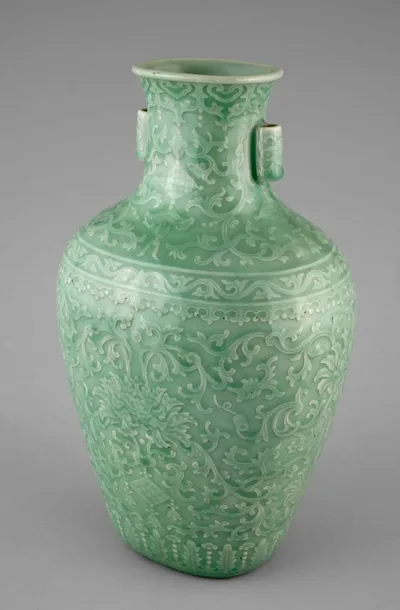
  • Jar with Tubular Handles, Peonies, “Endless Knot,” Pendant Balls, and Pendant Lozenges by China, Qing dynasty (1644–1911), Qianlong reign mark and period (1736–1795)

    Jar with Tubular Handles, Peonies, “Endless Knot,” Pendant Balls, and Pendant Lozenges

    China

    ΔE 5.5 · close

    24% of canvas
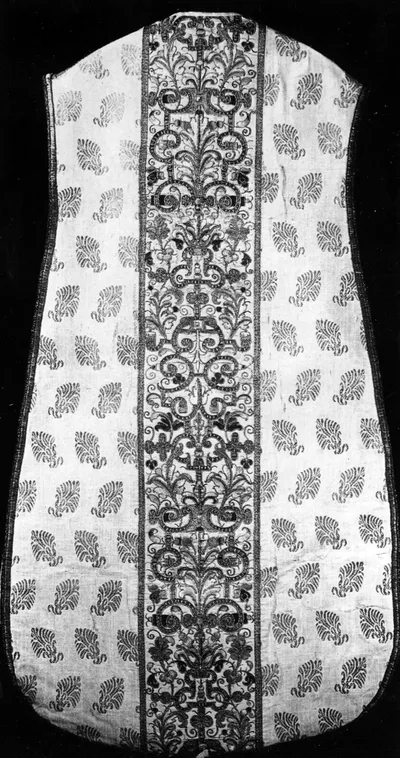
  • Chasuble with Orphrey Bands by Spain, 17th century

    Chasuble with Orphrey Bands

    Spain

    ΔE 4.6 · very close

    19% of canvas
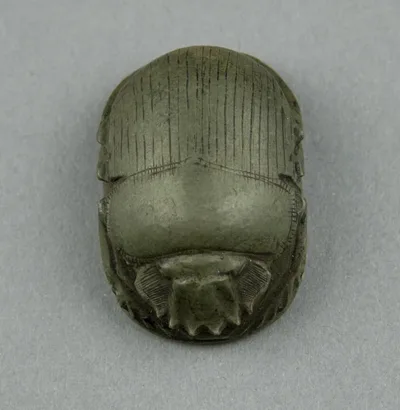
  • Heart Scarab by Ancient Egyptian, Third Intermediate–Late Period, Dynasty 21–26 (about 1069–664 BCE)

    Heart Scarab

    Ancient Egyptian

    ΔE 11.2 · close

    52% of canvas
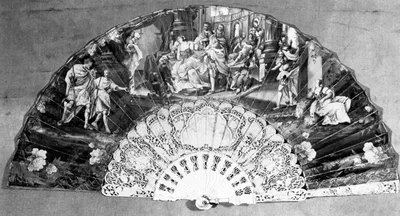
  • Fan by France, 18th century, Louis XVI period (1774–1793)

    Fan

    France

    ΔE 5.7 · close

    24% of canvas

What ΔE means, and what this does not measure