Skip to content
Chroma
#97774c

Ranked by perceptual distance

Works near #97774c

Ranked by CIEDE2000 distance to each work’s nearest palette entry, weighted by how much of the canvas that colour covers. Each result shows the real perceptual distance and that coverage, not the blended score that produced the order.

Pick a different colour

Drag the ring or use the arrow keys. Every result is ranked by how close it is in CIELAB, weighted by how much of the canvas the colour covers.

Closest first

60 of 1,497 works
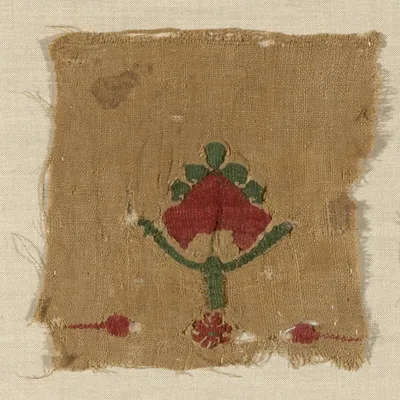
  • Fragment by Egypt, 5th-6th century

    Fragment

    Egypt

    ΔE 0.1 · near-exact

    57% of canvas
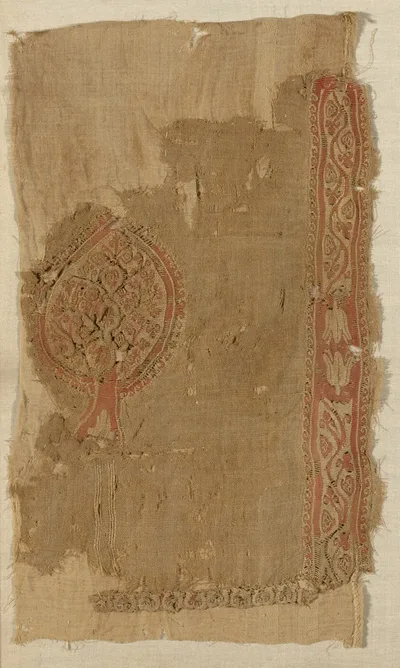
  • Fragment by Egypt, possibly Akhmin, 4th-6th century

    Fragment

    Egypt, possibly Akhmin

    ΔE 0.9 · near-exact

    45% of canvas
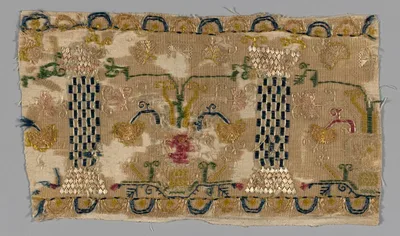
  • Fragment by Italy, 17th century

    Fragment

    Italy

    ΔE 0.9 · near-exact

    41% of canvas
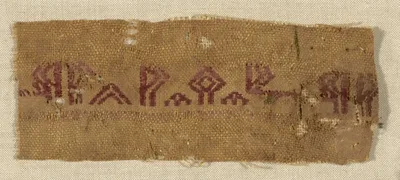
  • Fragment by Egypt, Fatimid period (969–1171)

    Fragment

    Egypt

    ΔE 1.8 · near-exact

    43% of canvas
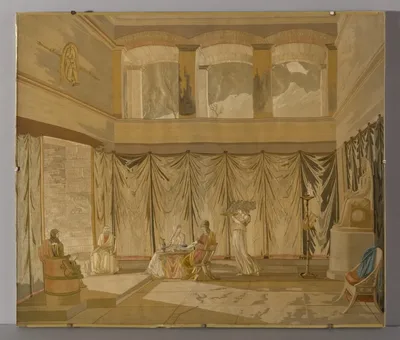
  • L'Hiver (Winter) by Pierre Antoine Mongin, Early 19th century

    L'Hiver (Winter)

    Pierre Antoine Mongin

    ΔE 2.3 · very close

    41% of canvas
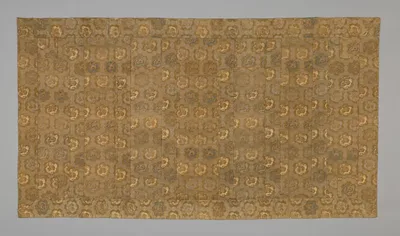
  • Kesa by Japan, late Edo period (1615–1868), late 18th century

    Kesa

    Japan

    ΔE 0.9 · near-exact

    33% of canvas
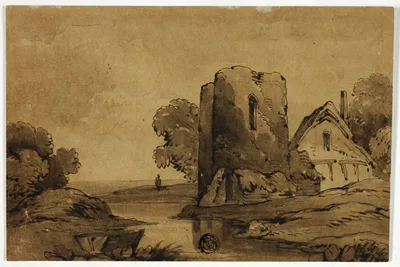
  • Cottage and Ruined Tower near Stream by James "Drunken" Robertson, n.d.

    Cottage and Ruined Tower near Stream

    James "Drunken" Robertson

    ΔE 5.7 · close

    47% of canvas
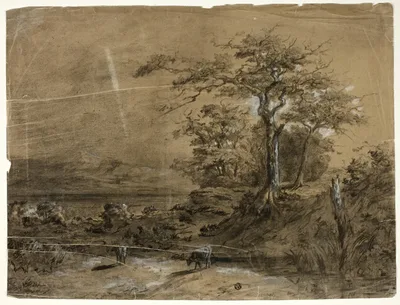
  • Wooded Landscape with Cows in Foreground by Unknown, n.d.

    Wooded Landscape with Cows in Foreground

    Unknown

    ΔE 4.9 · very close

    43% of canvas
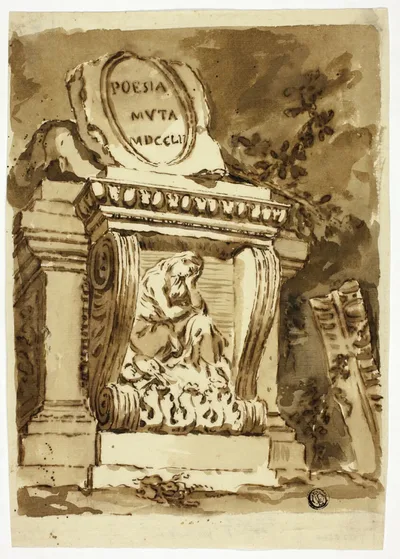
  • Funerary Monument Inscribed "Poesia Muta" by Unknown, n.d.

    Funerary Monument Inscribed "Poesia Muta"

    Unknown

    ΔE 2.1 · very close

    26% of canvas
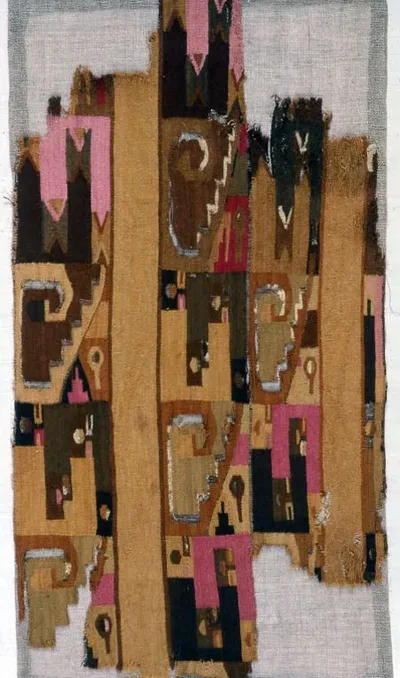
  • Fragment (From a Tunic) by Wari, 600 CE-800 CE

    Fragment (From a Tunic)

    Wari

    ΔE 5.6 · close

    43% of canvas
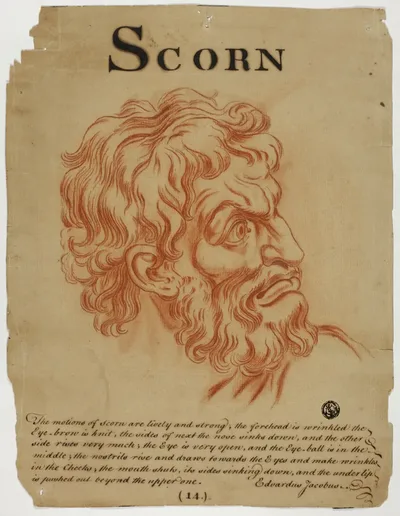
  • Scorn by Eduardus Jacobus, after 1698

    Scorn

    Eduardus Jacobus

    ΔE 11.3 · close

    71% of canvas
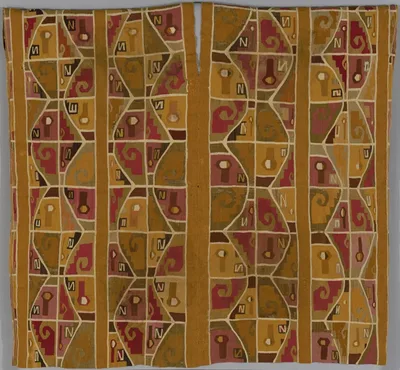
  • Tunic by Wari, 600-800

    Tunic

    Wari

    ΔE 2.7 · very close

    28% of canvas
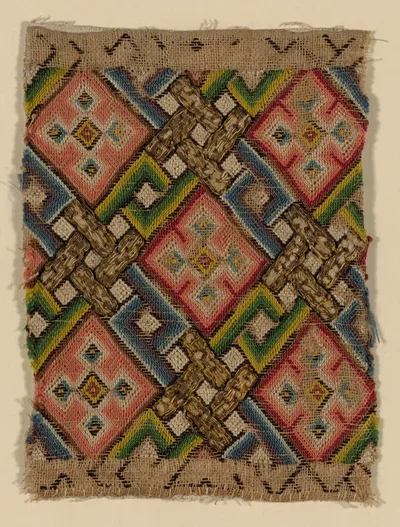
  • Fragment by Italy, 17th century

    Fragment

    Italy

    ΔE 3.6 · very close

    30% of canvas
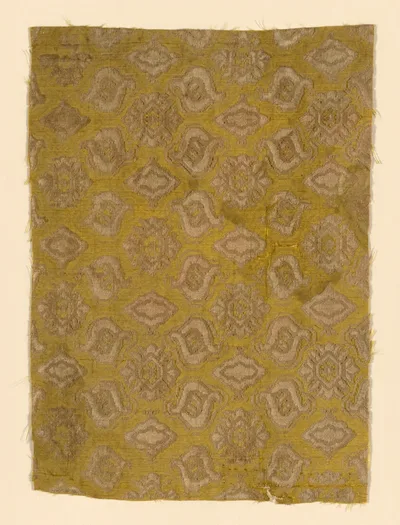
  • Fragment by Spain, 1575/1625

    Fragment

    Spain

    ΔE 2.8 · very close

    26% of canvas
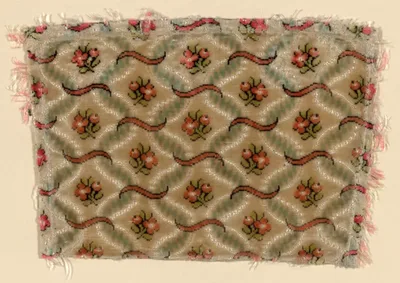
  • Fragment by France, 1725/50

    Fragment

    France

    ΔE 2.7 · very close

    25% of canvas
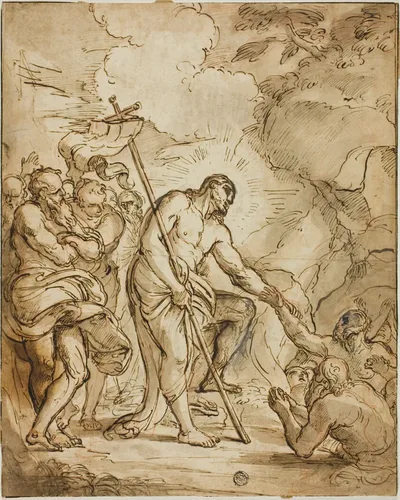
  • Descent Into Limbo by Style of  Domenico Maria Canuti, n.d.

    Descent Into Limbo

    Style of Domenico Maria Canuti

    ΔE 1.4 · near-exact

    18% of canvas
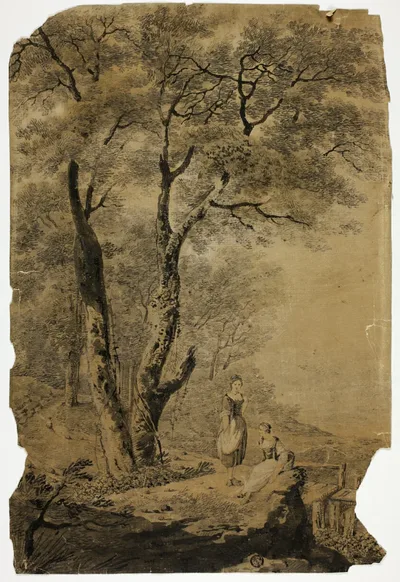
  • Wooded Landscape with Two Women in Foreground by Jean Baptiste Pillement, n.d.

    Wooded Landscape with Two Women in Foreground

    Jean Baptiste Pillement

    ΔE 4.6 · very close

    34% of canvas
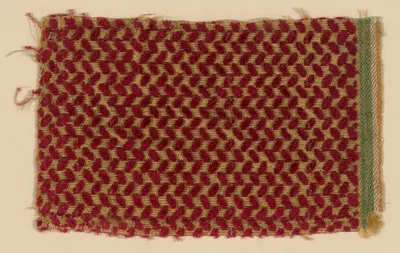
  • Fragment by Italy, 1775/1800

    Fragment

    Italy

    ΔE 1.0 · near-exact

    16% of canvas
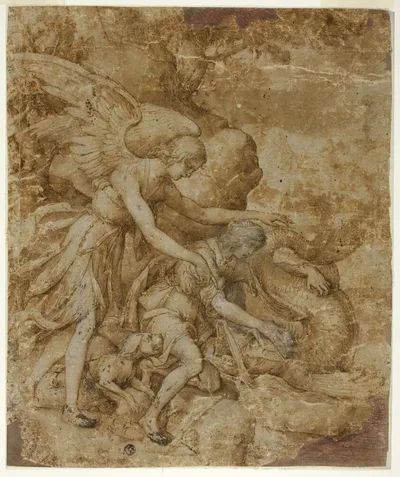
  • Tobias and the Angel Raphael by Jacopo Ligozzi, c. 1605

    Tobias and the Angel Raphael

    Jacopo Ligozzi

    ΔE 4.2 · very close

    31% of canvas
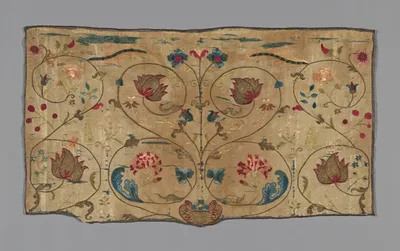
  • Fragment by France, 17th century

    Fragment

    France

    ΔE 2.8 · very close

    24% of canvas
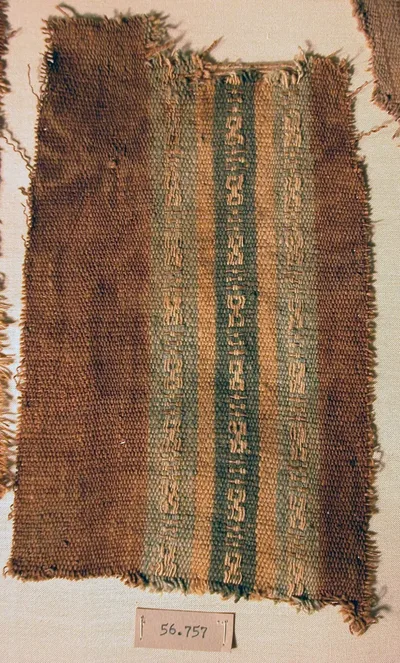
  • Fragment by Peru, north coast, Culebra Valley, La Capilla, 1000-1476

    Fragment

    Peru, north coast, Culebra Valley, La Capilla

    ΔE 3.2 · very close

    26% of canvas
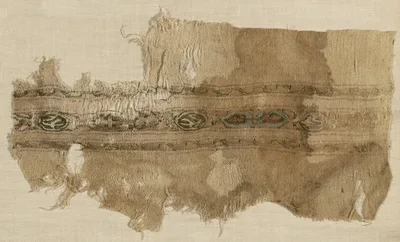
  • Fragment by Egypt, Fatimid period (969–1171)

    Fragment

    Egypt

    ΔE 2.5 · very close

    22% of canvas
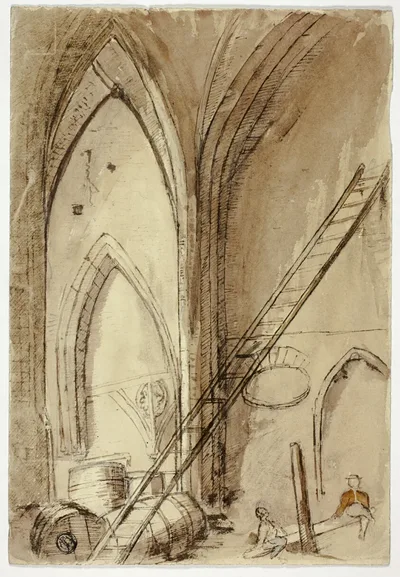
  • Teetertotter in Church Building by Unknown artist, n.d.

    Teetertotter in Church Building

    Unknown artist

    ΔE 3.1 · very close

    25% of canvas
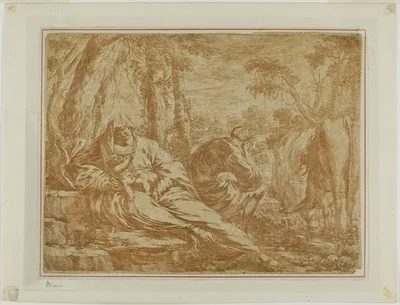
  • Rest on the Flight into Egypt by Bartolomeo Biscaino, n.d.

    Rest on the Flight into Egypt

    Bartolomeo Biscaino

    ΔE 2.0 · near-exact

    18% of canvas
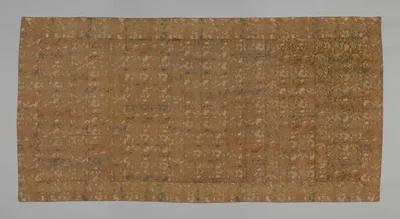
  • Kesa by Japan, Edo period (1615–1868), 18th century

    Kesa

    Japan

    ΔE 5.3 · close

    35% of canvas
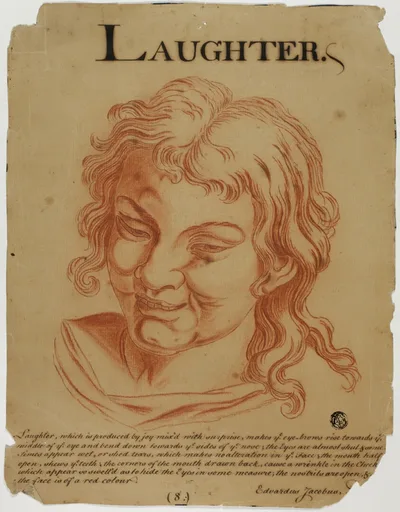
  • Laughter by Eduardus Jacobus, after 1698

    Laughter

    Eduardus Jacobus

    ΔE 9.8 · close

    56% of canvas
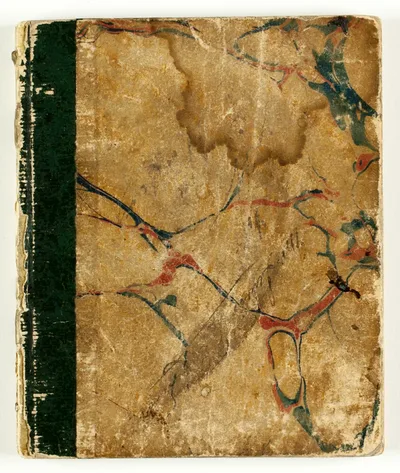
  • Figures by Charles George Lewis, n.d.

    Figures

    Charles George Lewis

    ΔE 6.1 · close

    38% of canvas
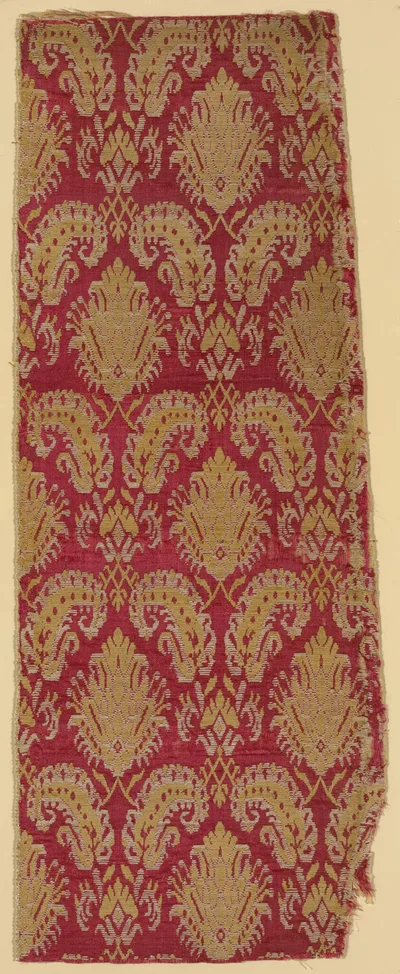
  • Fragment by Europe, 17th century

    Fragment

    Europe

    ΔE 3.3 · very close

    24% of canvas
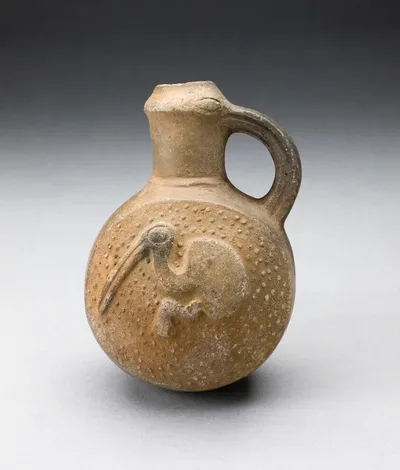
  • Handled Brownware Jug with Bird Impressed on Side by Chimú, 1000–1400

    Handled Brownware Jug with Bird Impressed on Side

    Chimú

    ΔE 2.6 · very close

    20% of canvas
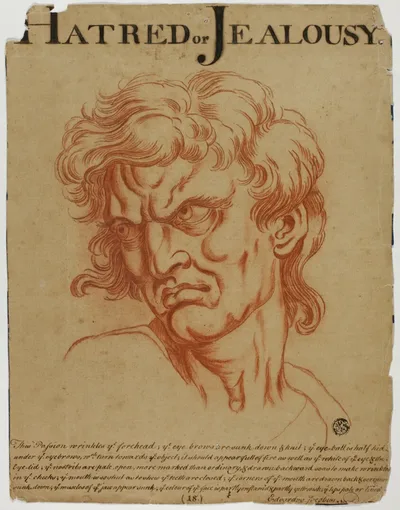
  • Hatred or Jealousy by Eduardus Jacobus, after 1698

    Hatred or Jealousy

    Eduardus Jacobus

    ΔE 10.3 · close

    58% of canvas
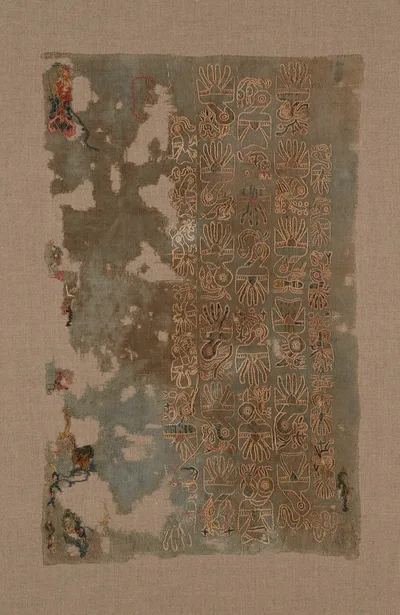
  • Sampler by Nasca, 1 CE-200 CE

    Sampler

    Nasca

    ΔE 7.4 · close

    43% of canvas
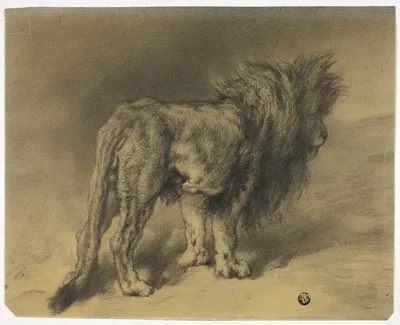
  • Standing Lion with Shaggy Mane by Frederik William Zurcher, n.d.

    Standing Lion with Shaggy Mane

    Frederik William Zurcher

    ΔE 6.5 · close

    38% of canvas
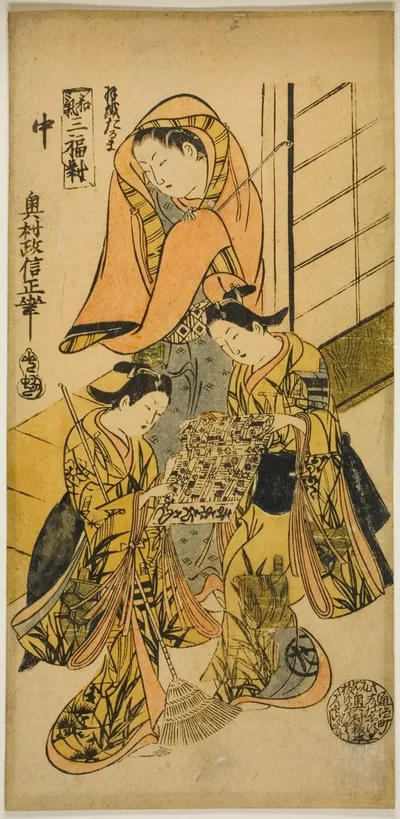
  • The Daruma Overcoat (Haori Daruma), from "Three Pictures of Harmony (Waki sanpukutsui)" by Okumura Masanobu, c. 1725/30

    The Daruma Overcoat (Haori Daruma), from "Three Pictures of Harmony (Waki sanpukutsui)"

    Okumura Masanobu

    ΔE 4.2 · very close

    26% of canvas
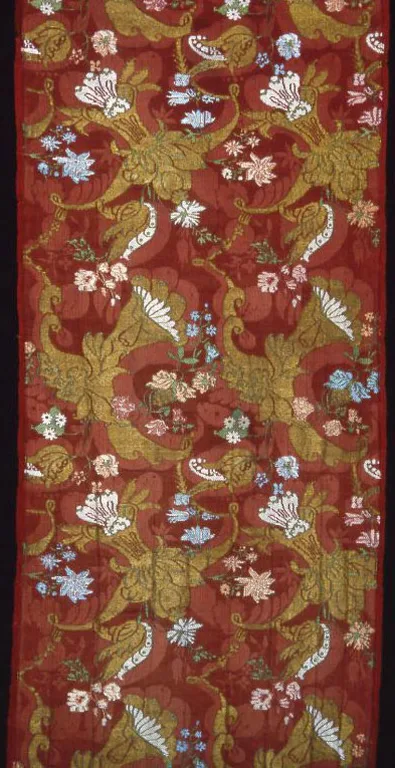
  • Four Panels by France, c. 1711/12

    Four Panels

    France

    ΔE 3.5 · very close

    23% of canvas
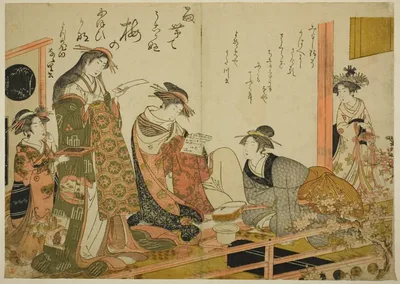
  • The Courtesans Utagawa and Nanasato from the Yotsumeya, from the album "Comparing New Beauties of the Yoshiwara - A Mirror of Their Own Writings (Keisei shin bijin awase jikihitsu kagami)" by Kitao Masanobu, 1784

    The Courtesans Utagawa and Nanasato from the Yotsumeya, from the album "Comparing New Beauties of the Yoshiwara - A Mirror of Their Own Writings (Keisei shin bijin awase jikihitsu kagami)"

    Kitao Masanobu

    ΔE 3.4 · very close

    22% of canvas
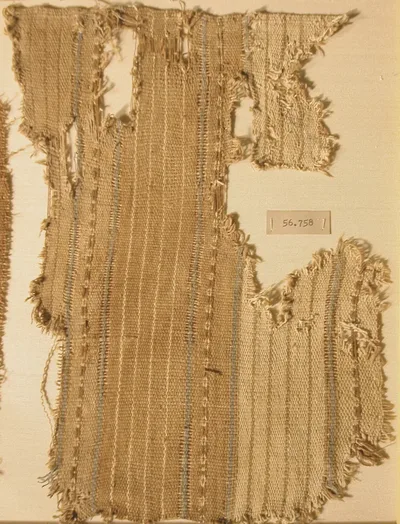
  • Fragment by Tiwanaku, 1000-1476

    Fragment

    Tiwanaku

    ΔE 2.7 · very close

    18% of canvas
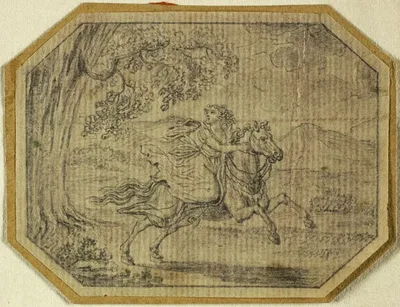
  • Young Woman on Galloping Horse by Johann August Rossmassler, n.d.

    Young Woman on Galloping Horse

    Johann August Rossmassler

    ΔE 6.9 · close

    39% of canvas
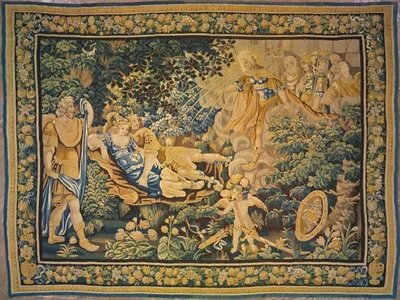
  • Apollo Exposing Mars and Venus to the Ridicule of the Olympians, from Ovid's Metamorphoses by France, possibly Aubusson, c. 1650

    Apollo Exposing Mars and Venus to the Ridicule of the Olympians, from Ovid's Metamorphoses

    France, possibly Aubusson

    ΔE 3.5 · very close

    22% of canvas
  • Funerary Papyrus of Tayuhenutmut by Ancient Egyptian, Third Intermediate Period, probably Dynasty 21 (about 1069-945 BCE)

    Funerary Papyrus of Tayuhenutmut

    Ancient Egyptian

    ΔE 6.1 · close

    35% of canvas
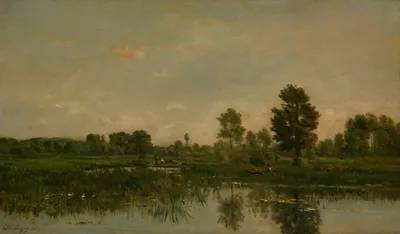
  • The Marsh by Charles François Daubigny, 1871

    The Marsh

    Charles François Daubigny

    ΔE 6.2 · close

    35% of canvas
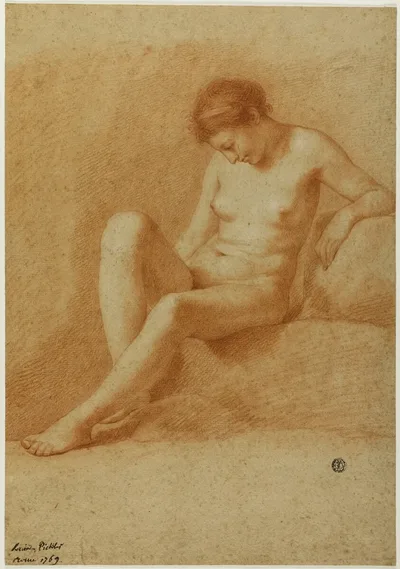
  • Seated Female Nude by Antonio Pichler, 1769

    Seated Female Nude

    Antonio Pichler

    ΔE 6.6 · close

    37% of canvas
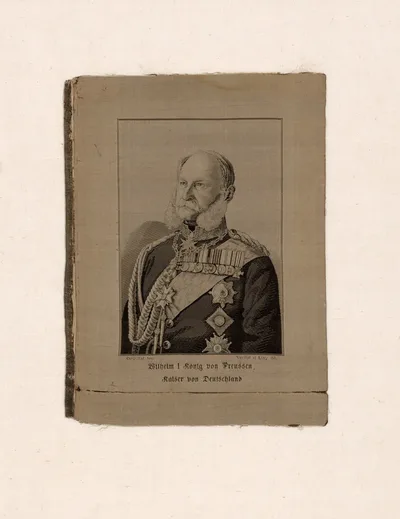
  • Portrait of Wilhelm I, King of Prussia, Emperor of Germany (1797–1888) by François Carquillat, 19th century

    Portrait of Wilhelm I, King of Prussia, Emperor of Germany (1797–1888)

    François Carquillat

    ΔE 5.8 · close

    33% of canvas
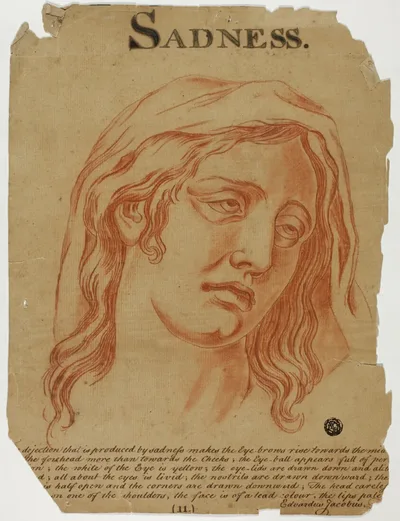
  • Sadness by Eduardus Jacobus, after 1698

    Sadness

    Eduardus Jacobus

    ΔE 10.0 · close

    53% of canvas
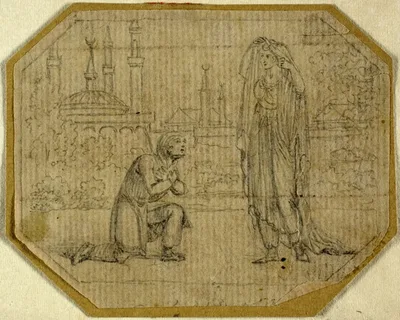
  • Man Kneeling Before Veiled Woman with Mosque in Background by Johann August Rossmassler, n.d.

    Man Kneeling Before Veiled Woman with Mosque in Background

    Johann August Rossmassler

    ΔE 5.9 · close

    33% of canvas
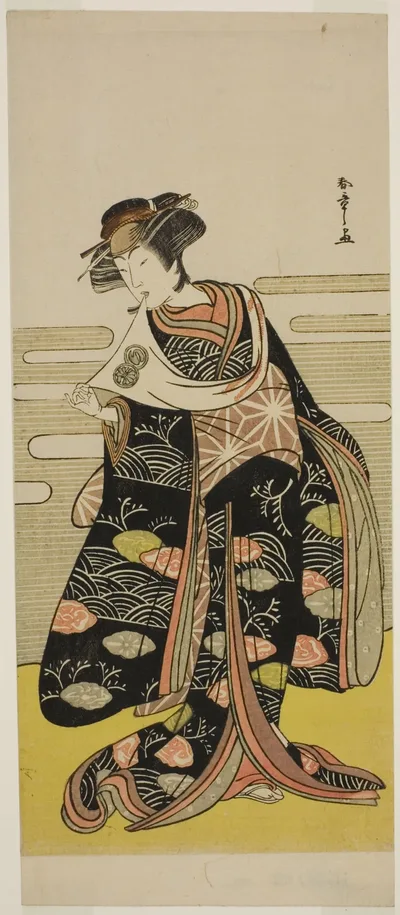
  • The Actor Segawa Kikunojo III as Onami Disguised as the Dragon Princess in the Play Saki Masuya Ume no Kachidoki, Performed at the Ichimura Theater in the Eleventh Month, 1778 by Katsukawa Shunsho, c. 1778

    The Actor Segawa Kikunojo III as Onami Disguised as the Dragon Princess in the Play Saki Masuya Ume no Kachidoki, Performed at the Ichimura Theater in the Eleventh Month, 1778

    Katsukawa Shunsho

    ΔE 3.2 · very close

    19% of canvas
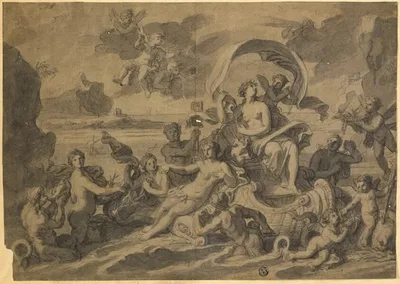
  • Triumph of Amphitrite by François Verdier, n.d.

    Triumph of Amphitrite

    François Verdier

    ΔE 4.7 · very close

    26% of canvas
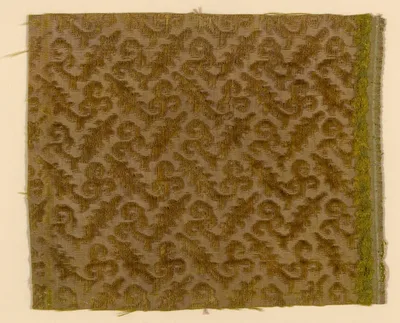
  • Fragment by Italy, 1600/50

    Fragment

    Italy

    ΔE 6.3 · close

    34% of canvas
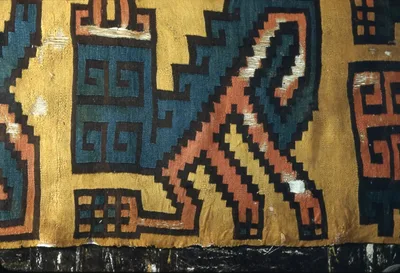
  • Fragment by Nasca, 700-900

    Fragment

    Nasca

    ΔE 4.0 · very close

    22% of canvas
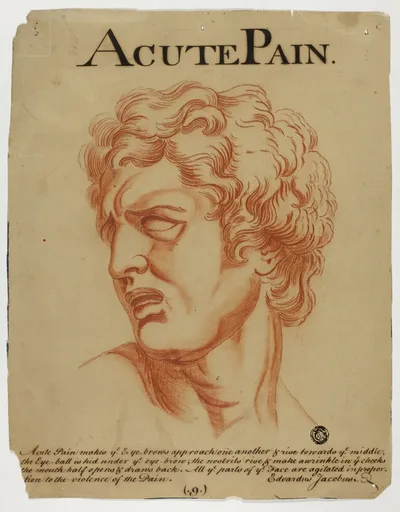
  • Acute Pain by Eduardus Jacobus, after 1698

    Acute Pain

    Eduardus Jacobus

    ΔE 13.5 · loosely related

    69% of canvas
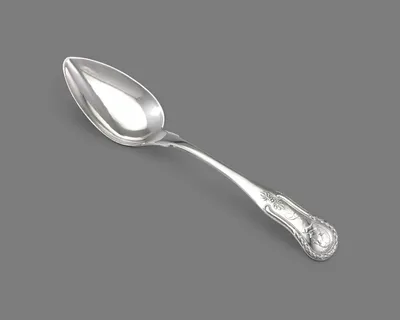
  • Spoon by Artist unknown, c. 1830

    Spoon

    Artist unknown

    ΔE 17.9 · loosely related

    91% of canvas
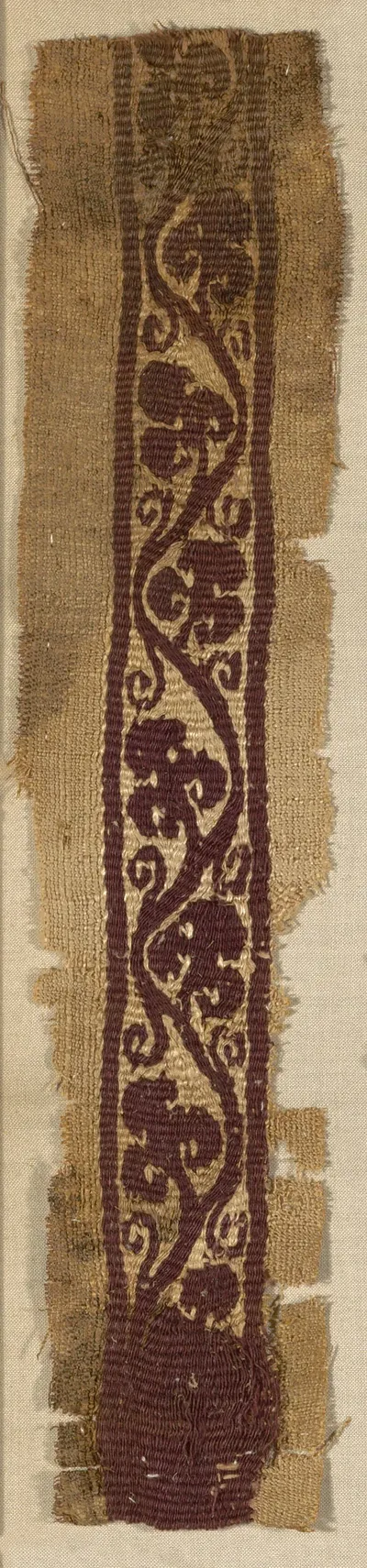
  • Fragment by Egypt, 4th-5th century

    Fragment

    Egypt

    ΔE 4.4 · very close

    23% of canvas
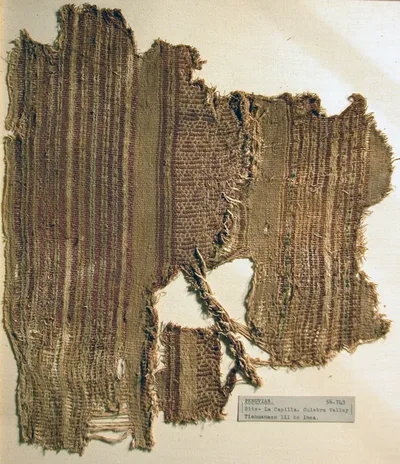
  • Fragment by Peru, north coast, Culebra Valley, La Capilla, 1000-1476

    Fragment

    Peru, north coast, Culebra Valley, La Capilla

    ΔE 3.3 · very close

    17% of canvas
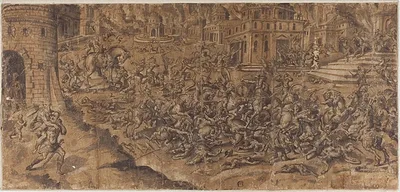
  • Aeneas Leaving the Burning City of Troy by Unknown artist, n.d.

    Aeneas Leaving the Burning City of Troy

    Unknown artist

    ΔE 6.4 · close

    33% of canvas
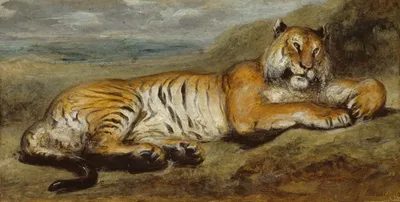
  • Tiger Resting by Pierre Andrieu, c. 1845

    Tiger Resting

    Pierre Andrieu

    ΔE 3.5 · very close

    18% of canvas
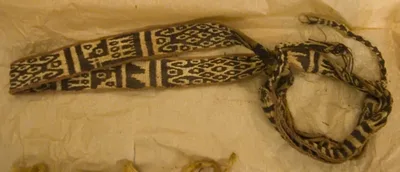
  • Band by Peru

    Band

    Peru

    ΔE 5.8 · close

    29% of canvas
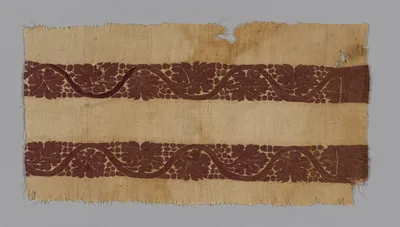
  • Fragment by Egypt, possibly Akhmin, 4th century

    Fragment

    Egypt, possibly Akhmin

    ΔE 2.4 · very close

    12% of canvas
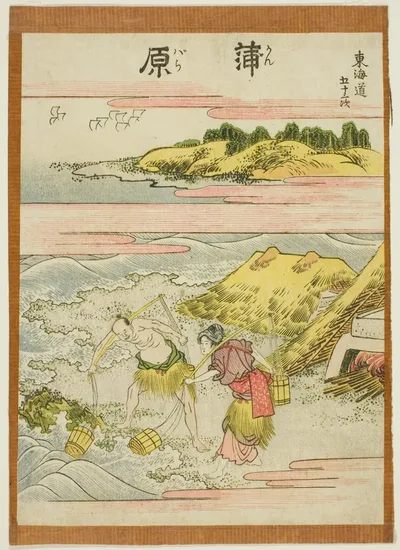
  • Kambara, from the series "Fifty-three Stations of the Tokaido (Tokaido gojusan tsugi)" by Katsushika Hokusai, c. 1806

    Kambara, from the series "Fifty-three Stations of the Tokaido (Tokaido gojusan tsugi)"

    Katsushika Hokusai

    ΔE 3.3 · very close

    16% of canvas
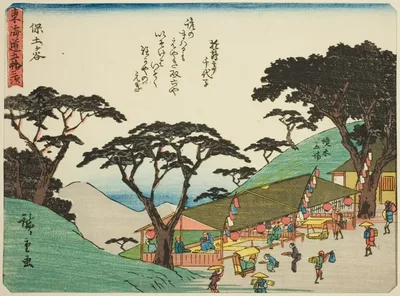
  • Hodogaya, from the series "Fifty-three Stations of the Tokaido (Tokaido gojusan tsugi)," also known as the Tokaido with Poem (Kyoka iri Tokaido) by Utagawa Hiroshige, c. 1837/42

    Hodogaya, from the series "Fifty-three Stations of the Tokaido (Tokaido gojusan tsugi)," also known as the Tokaido with Poem (Kyoka iri Tokaido)

    Utagawa Hiroshige

    ΔE 3.1 · very close

    15% of canvas
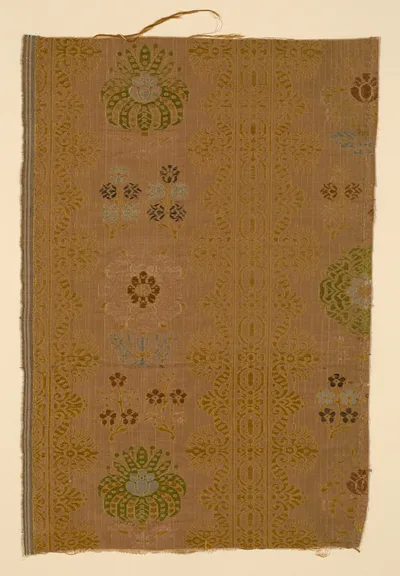
  • Fragment by Italy, 17th century

    Fragment

    Italy

    ΔE 8.0 · close

    39% of canvas
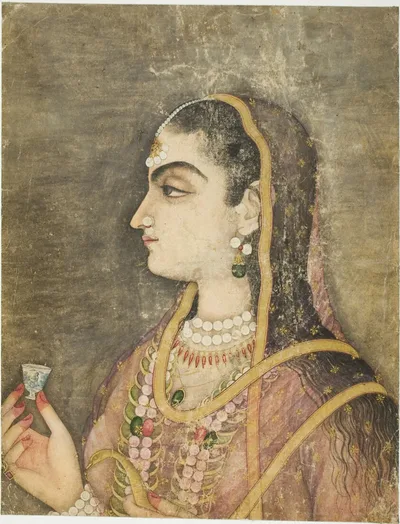
  • Portrait of a Princess by Mughal, 17th/18th century

    Portrait of a Princess

    Mughal

    ΔE 7.1 · close

    34% of canvas

What ΔE means, and what this does not measure